3D printed building models are highly accurate, tangible replicas of architectural designs created layer by layer using advanced additive manufacturing. They allow architects, developers, and designers to visualize, test, and present projects efficiently. By combining precision, speed, and customization, these models reduce prototyping costs, accelerate decision-making, and bring digital designs to life with unmatched realism.
What Are 3D Printed Building Models?
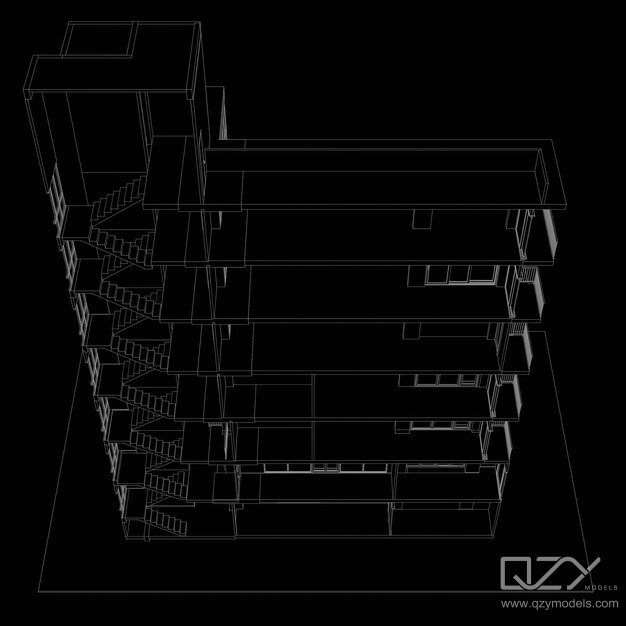
3D printed building models are physical representations of digital architectural designs produced by layering materials such as resin, PLA, or composite filaments. They convert CAD and BIM files into miniature models, enabling architects to study structure, façade, and scale quickly.
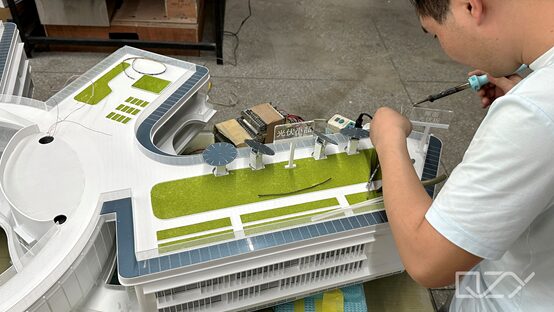
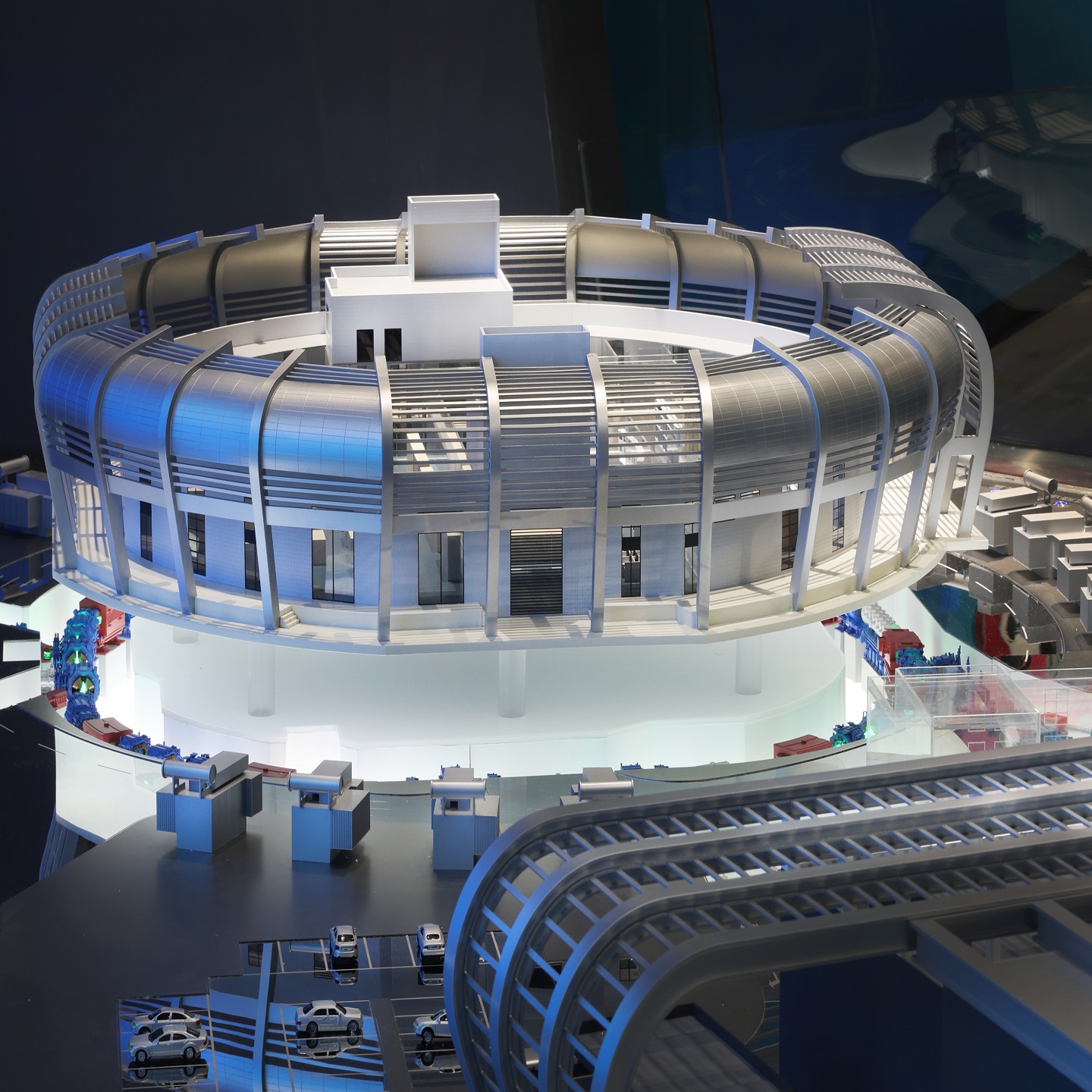
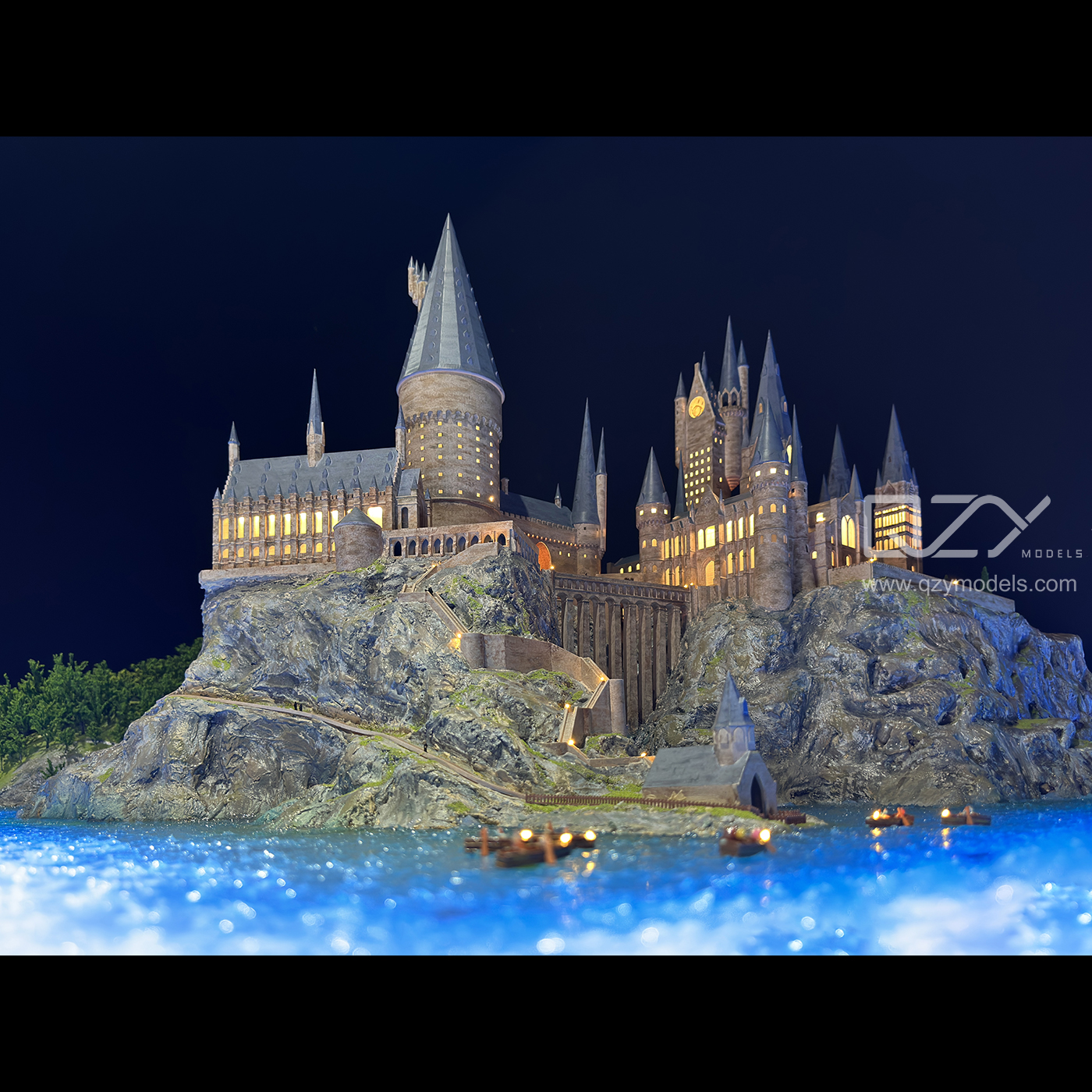
QZY Models, a leader in this field since 2013, creates models ranging from 1:50 for detailed interiors to 1:500 for urban contexts. These models are used for client presentations, planning approvals, and exhibition displays. Post-processing—sanding, painting, and assembling—adds realism, while LED lighting or acrylic glazing enhances visual impact.
| Model Type | Scale | Primary Use |
|---|---|---|
| Conceptual | 1:200+ | Early design ideation |
| Presentation | 1:100-1:200 | Client approval |
| Site Context | 1:500 | Urban planning |
| Interior | 1:50 | Detailed study |
Why Use 3D Printed Building Models in Architecture?
3D printed models accelerate design validation, improve communication, and reduce costs. They reveal design flaws early and allow interactive exploration of massing, light, and shadows. Real estate developers, urban planners, and architectural firms benefit from the tactile experience of these models.
QZY Models integrates LiDAR scans and modular printing for centimeter-accurate outputs. Compared to traditional foam or wood models, 3D printing reduces material waste, supports sustainable design practices, and allows faster iterations, often up to 30% quicker.
Benefits include:
-
Layer precision down to 0.05mm
-
Realistic textures mimicking brick, glass, or stone
-
Scalable designs from single structures to complex developments
How Are 3D Printed Building Models Made?
The production process involves design, slicing, printing, and finishing. CAD or BIM models are prepared in software like Revit or Rhino, sliced in programs such as Chitubox, and printed using SLA or FDM machines. Post-processing includes curing, sanding, painting, and assembly.
QZY Models leverages high-resolution printers like Formlabs and Elegoo Saturn, splitting large buildings into modular sections for seamless assembly. Industrial experience ensures models are ready for client presentations, exhibitions, and shipping worldwide.
| Production Phase | Tools/Software | Time Estimate |
|---|---|---|
| Design/Slicing | Rhino, PrusaSlicer | 4-12 hours |
| Printing | SLA/FDM Printers | 6-48 hours |
| Finishing | Sanding, Airbrush | 1-3 days |
What Materials Work Best for 3D Printed Building Models?
Materials are chosen based on detail, durability, and presentation purpose. Resins provide smooth surfaces for facades, PLA and ABS offer affordable options for conceptual models, and engineering resins handle repeated handling. Clear resin can simulate glass, while TPU or nylon composites are used for flexible or functional components.
QZY Models selects materials tailored to client needs, ensuring UV resistance, paint adhesion, and lightweight shipping. Bio-resins also reduce environmental impact.
| Material | Strength | Best For | Cost per Liter |
|---|---|---|---|
| Standard Resin | Medium | General models | $30-50 |
| Clear Resin | High clarity | Windows | $50-80 |
| Engineering Resin | High impact | Prototypes | $60-100 |
| PLA Filament | Affordable | Concepts | $20-30 |
Which 3D Printers Are Ideal for Building Models?
SLA printers are ideal for high-detail work under 50 microns, while large-format FDM printers suit bulkier, less-detailed models. QZY Models uses Elegoo Saturns, Prusa SL1s, and Formlabs printers for various project scales. Build volume, resolution, and material compatibility are key factors.
Entry-level options like Ender-3 support small studio projects, whereas professional SLA machines handle premium client models efficiently.
How Much Do 3D Printed Building Models Cost?
Pricing depends on size, detail, and finishing. Small single-building models (1:200) typically range from $300 to $800, while larger complexes may exceed $2,000. Cost breakdown: 20% materials, 40% printing, 40% finishing. Hollowing reduces resin usage by up to 60%, and additional features such as lighting can increase costs by 25%. Bulk orders for developers offer reduced pricing.
QZY Models offers competitive global pricing with full-service support, combining design, production, and logistics at efficient rates.
QZY Models Expert Views
3D printed building models have transformed how architects and developers communicate design intent. At QZY Models, we combine SLA precision with meticulous finishing to deliver presentation-ready models that capture every detail—from intricate façades to landscaped podiums. Collaborating with global firms like Foster + Partners demonstrates how rapid prototyping accelerates approvals, reduces costs, and enhances client engagement.”
—Richie Ren, Founder, QZY Models
Can 3D Printed Building Models Replace Traditional Ones?
Yes, they provide superior precision, speed, and complexity compared to foam, wood, or laser-cut models. For scales under 1:100, 3D printed models outperform traditional methods, although hybrid approaches are used for very large structures. QZY Models combines 3D printing with laser-cut elements to achieve both scale and detail efficiently. Emerging technologies like multi-material printing expand design possibilities further.
Key Takeaways
3D printed building models enhance architectural visualization, reduce costs, and streamline approvals. Using SLA resins, proper scaling, and expert services like QZY Models ensures professional, client-ready results. Start with accurate CAD/BIM files, plan for finishing and assembly, and leverage modular designs for complex projects. Engage QZY Models for fast, high-quality prototypes.
FAQs
What resolution is ideal for architectural 3D prints?
25–50 micron layers for detailed facades; 100 microns for conceptual massing.
How long does printing take?
Small models print overnight; detailed 1:100 models require 3–5 days.
Are 3D printed models durable for exhibitions?
Yes, using engineering resins with UV coating ensures durability and handling longevity.
What file formats work best?
STL and OBJ are standard; BIM exports from Revit or SketchUp are compatible.
Can QZY Models handle custom projects?
Absolutely. QZY Models offers full-service production, including design, printing, finishing, and global shipping.