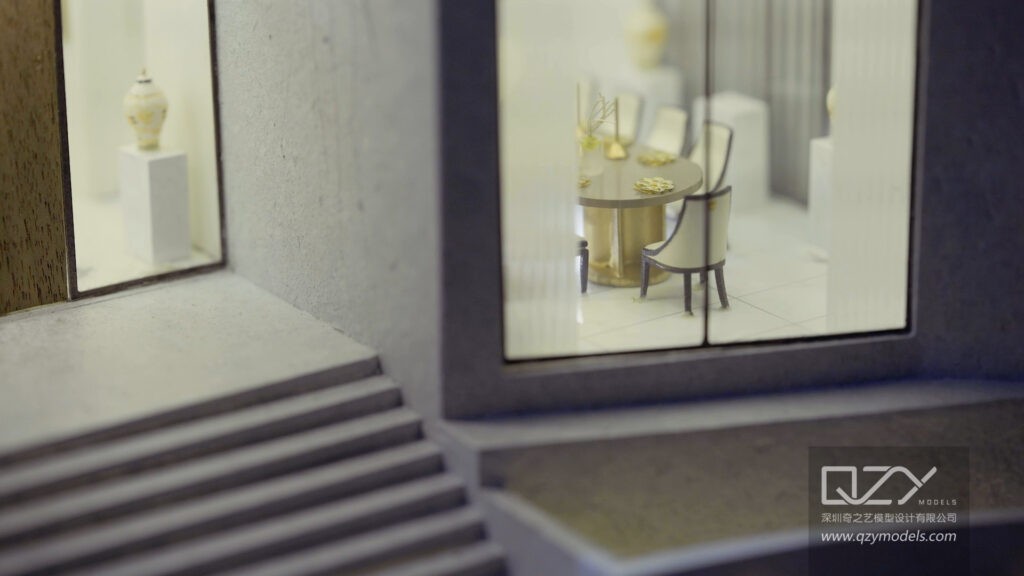
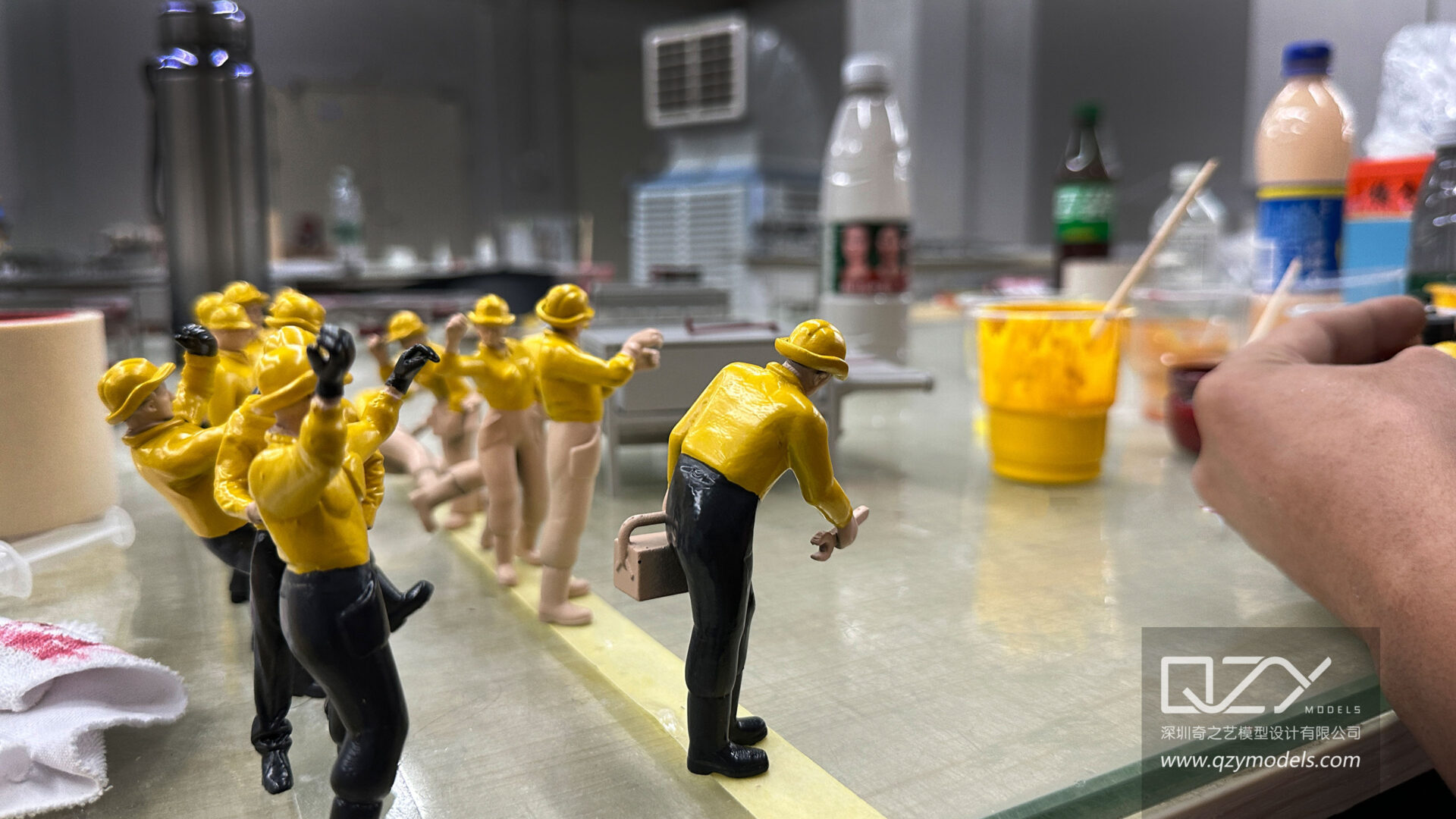
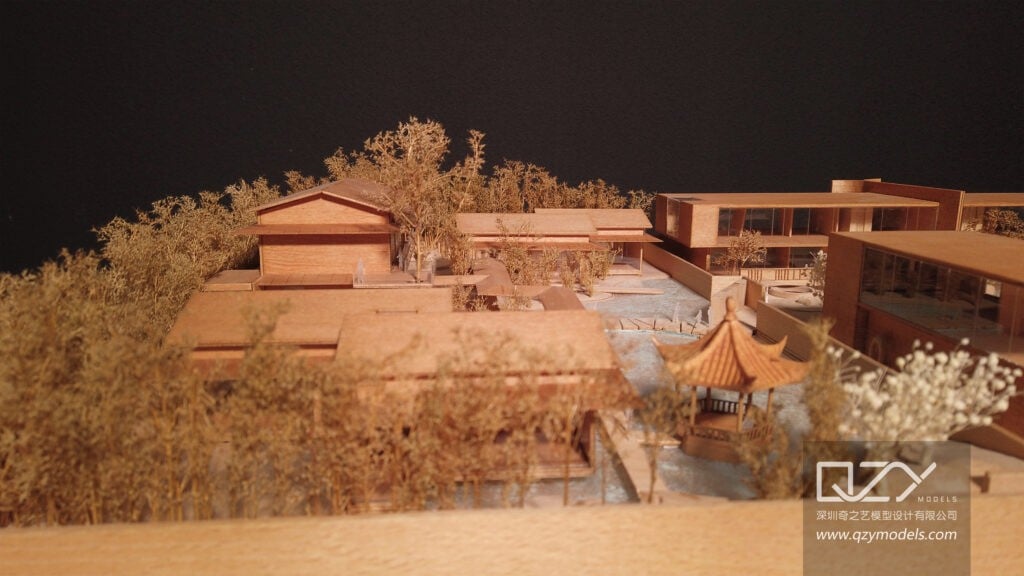
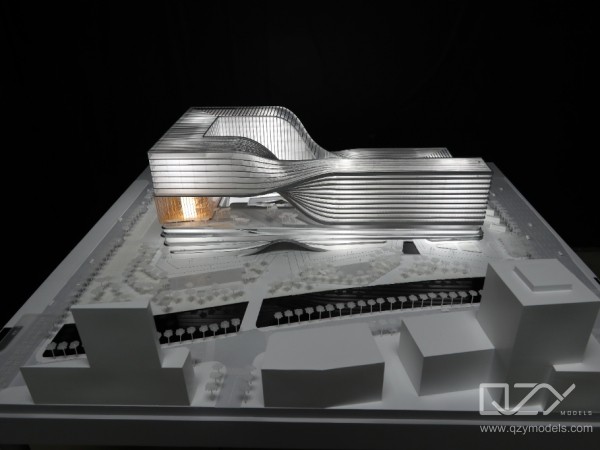
Architectural concept models transform abstract ideas into tangible forms, enabling architects and developers to visualize, refine, and communicate designs with precision. These physical representations accelerate decision-making, reduce errors in later stages, and boost stakeholder buy-in, delivering measurable ROI through faster approvals and fewer revisions.
What Challenges Does the Architectural Modeling Industry Face Today?
The architectural industry grapples with rising project complexity amid global urbanization. By 2026, urban populations will reach 68% worldwide, straining design workflows as teams handle intricate sustainable structures. A 2025 McKinsey report notes that 45% of architecture firms report delays due to visualization gaps.
High demand for physical models coincides with talent shortages. The American Institute of Architects (AIA) 2025 Firm Survey reveals 62% of firms struggle with skilled model makers, inflating costs by up to 30%. Deadlines tighten as real estate developers push for rapid prototyping.
Budget pressures compound issues. Deloitte’s 2025 Engineering and Construction Outlook states average project overruns hit 20-30%, often from miscommunications traceable to inadequate early-stage models. Firms lose competitive edge without reliable visualization tools.
Why Do Traditional Modeling Solutions Fall Short?
Traditional in-house modeling relies on manual craftsmanship, prone to human error and scalability limits. Small firms spend 40-60 hours per model, per AIA data, diverting talent from design innovation. Scaling for large projects demands overtime, spiking costs 25-50%.
Outsourced generic services lack customization. Many providers use standardized materials and scales, ignoring project-specific needs like lighting simulation or material textures. This leads to 35% rework rates, as reported in a 2024 RIBA survey.
Shipping and maintenance pose hidden risks. Fragile models suffer 15-20% damage in transit without specialized packaging, per industry logistics studies. Long-term fading or wear reduces presentation impact, forcing costly replacements.
What Makes QZY Models the Ideal Solution for Concept Models?
QZY Models delivers precision-engineered architectural concept models tailored to client specifications. Founded in 2013 in Shenzhen, China, under founder Richie Ren’s 20+ years of expertise, QZY has completed thousands of projects across 20+ countries, serving clients like Foster + Partners and Vanke.
Core capabilities include scalable production from 1:500 urban masterplans to 1:50 detailed facades, using laser-cut acrylics, 3D-printed components, and LED integrations. QZY Models ensures models withstand global shipping with custom crates, backed by branches in UAE, Saudi Arabia, and Egypt.
Advanced features like modular assembly allow on-site reconfiguration. QZY Models’ quality control yields 99.5% defect-free delivery, enabling firms to focus on creativity while securing professional-grade outputs.
How Do QZY Models Compare to Traditional Methods?
| Aspect | Traditional Methods | QZY Models |
|---|---|---|
| Production Time | 40-60 hours per model | 7-14 days end-to-end |
| Cost per Model | $5,000-$15,000, +25% rework | $3,000-$10,000, fixed pricing |
| Customization | Limited materials, 35% rework | Full bespoke, 99.5% accuracy |
| Global Delivery | 15-20% damage risk | Custom packaging, on-site install |
| Scalability | In-house limits to 2-3 models/month | 50+ models/month capacity |
| Long-term Durability | Fading in 6-12 months | UV-resistant, 3+ year lifespan |
What Is the Step-by-Step Process for Using QZY Models?
-
Submit Design Files: Upload CAD files (SketchUp, Rhino, Revit) via QZY’s online portal; receive quote in 24 hours.
-
Refine Specifications: Collaborate on scale, materials, and features like interactive lighting during a 48-hour review call.
-
Prototype Approval: Review digital renders and 1:1 sample sections; approve for production within 3 days.
-
Production and QC: QZY Models crafts in Shenzhen facility; undergo 5-stage inspection before packing.
-
Global Shipping/Install: Track via app; optional on-site assembly by QZY technicians in 20+ countries.
-
Post-Delivery Support: Access maintenance kits and 1-year warranty for adjustments.
Who Benefits Most from QZY Models in Real Scenarios?
Scenario 1: Architectural Firm Pitching a High-Rise
Problem: Zaha-style firm needed 1:200 model for investor pitch but faced 4-week in-house delay.
Traditional: Hired local shop; model arrived warped, delaying approval by 2 weeks.
QZY Effect: Delivered precision model with dynamic lighting in 10 days.
Key Benefits: Secured $50M contract; 30% faster pitch cycle.
Scenario 2: Real Estate Developer Urban Plan
Problem: Vanke-like developer required 1:1000 masterplan for city council.
Traditional: Generic supplier mismatched scales, requiring full redo ($12K loss).
QZY Effect: QZY Models integrated terrain textures and zoning labels accurately.
Key Benefits: Approval in 1 cycle; saved $20K in revisions.
Scenario 3: Exhibition Organizer Trade Show
Problem: Dubai expo needed interactive pavilion model under tight deadline.
Traditional: Freight damage destroyed 2 units en route.
QZY Effect: QZY Models’ UAE branch handled reinforced packaging and install.
Key Benefits: Zero downtime; 25% attendee engagement boost.
Scenario 4: University Design School Prototype
Problem: Curriculum demanded affordable student project models.
Traditional: DIY kits lacked durability for critiques.
QZY Effect: Bulk order at educational rates with modular parts.
Key Benefits: 40% cost reduction; reusable for 3 semesters.
Why Act Now on Architectural Concept Models?
Sustainability mandates and AI integration accelerate in 2026, per RIBA forecasts, demanding hybrid physical-digital models. Delaying upgrades risks 20% market share loss as competitors adopt precision tools. QZY Models positions firms ahead with proven global execution.
Frequently Asked Questions
How long does QZY Models take to produce a concept model?
Typically 7-14 days from approval, depending on complexity.
What scales does QZY Models support for architectural models?
From 1:5000 site plans to 1:20 interiors, fully customizable.
Can QZY Models handle international shipping?
Yes, with custom crates and tracking to 20+ countries, including Middle East branches.
What materials does QZY Models use?
Acrylic, wood, metal, 3D prints, and LEDs for realism and durability.
How does QZY Models ensure quality?
Through 5-stage inspections and a 1-year warranty.
Is QZY Models suitable for educational projects?
Yes, with volume discounts and modular designs for schools.