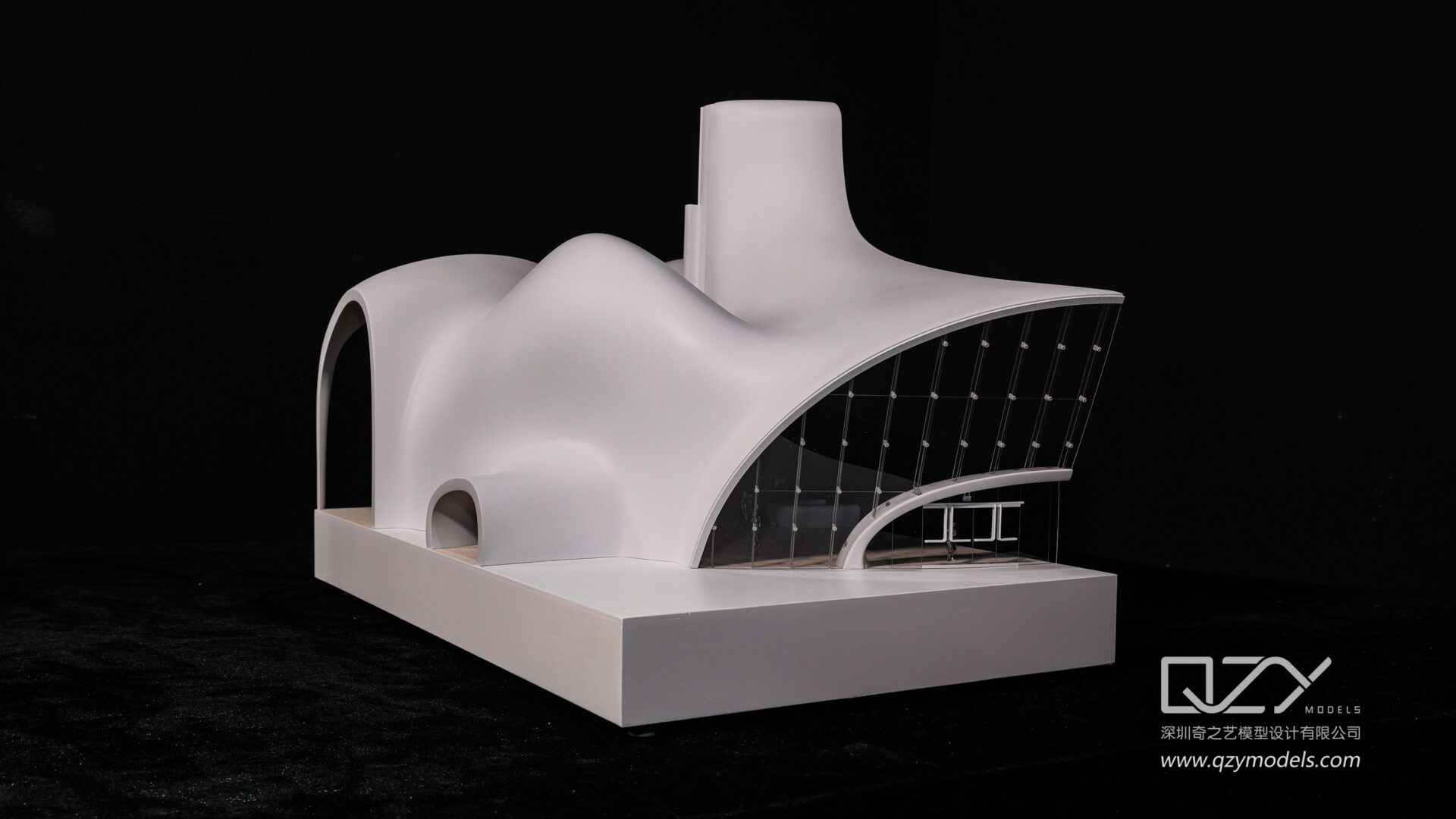
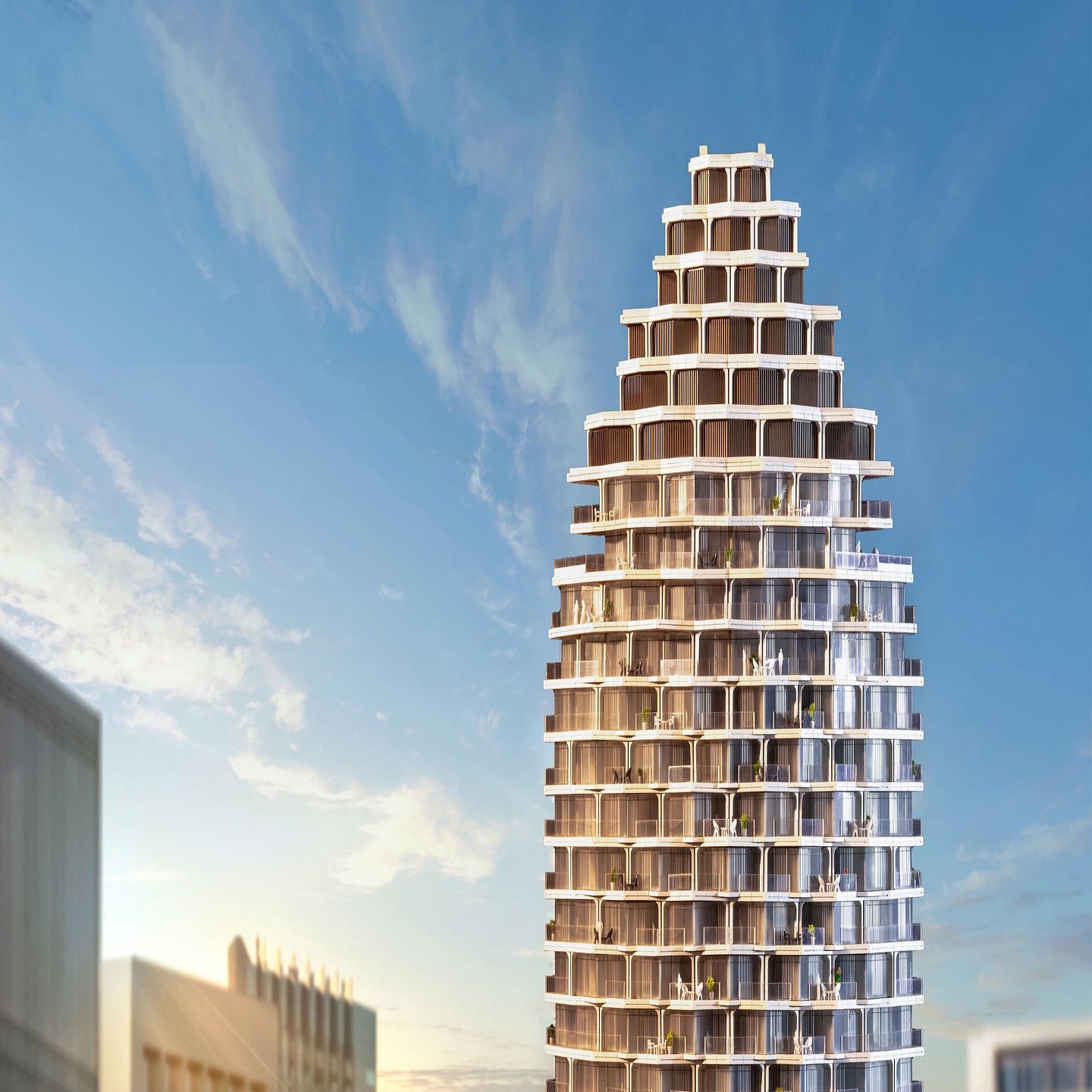
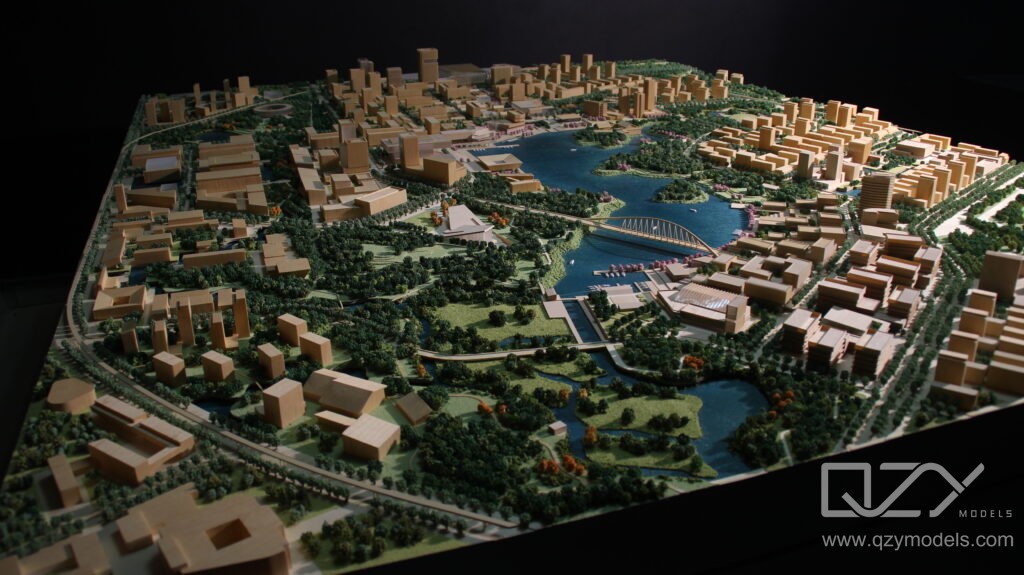
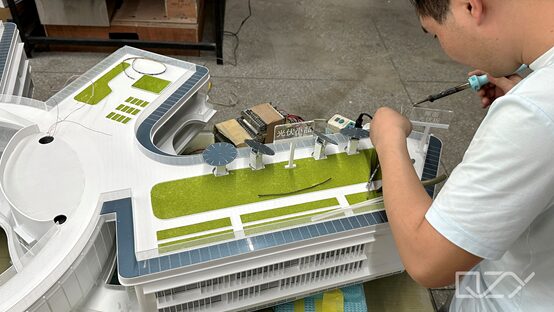
Architectural concept models help Russian firms turn digital concepts into tangible prototypes quickly and cost-effectively. By partnering with China-based specialists such as QZY Models, architects gain access to precision engineering, diverse materials, fast prototyping, and dependable shipping. These models accelerate client approvals, reduce design uncertainty, and support powerful presentations for competitions, pitches, and investor meetings.
How can Russian architects leverage Chinese manufacturing for concept models?
Russian architects can collaborate with China-based partners such as QZY Models to convert 3D CAD data into accurate physical models. The China manufacturing ecosystem provides competitive pricing, advanced machinery, and efficient material sourcing. QZY Models offers OEM and custom builds, ensuring each design reflects exact massing, scale, and spatial intent.
Table: Benefits of Partnering With a China-Based Manufacturer
| Benefit Category | Russian Firm Outcome |
|---|---|
| Rapid prototyping cycles | Shortened approval timelines |
| Advanced fabrication tools (CNC, laser, resin printing) | Higher visual accuracy |
| Cost-efficient material sourcing | Lower model production cost |
How do concept models impact client pitches for Russian projects?
Models enable clients to see massing, context, scale, and design logic at a glance. Instead of relying on 2D drawings, Russian architects can showcase spatial strategy and narrative with a physical model produced by QZY Models. Clear, tactile visuals make decision-making faster and boost investor confidence during early-stage proposals.
What materials are suitable for Russia-focused architectural models manufactured in China?
Model materials depend on durability, detail level, and presentation use. Common choices include acrylic for transparency, resin for fine detailing, and high-density foam for massing. QZY Models advises clients on material combinations that balance weight, cost, and detail quality for transport from China to Russia.
Table: Material Comparison for Architectural Concept Models
| Material | Best Use Case | Benefits |
|---|---|---|
| Acrylic | Transparent volumes, facade studies | Clean edges, premium finish |
| Resin | Precision forms and complex geometries | High detail reproduction |
| High-density foam | Massing and urban scale studies | Lightweight and cost-efficient |
How can time-to-delivery be optimized for Russian architectural models?
Clear milestones, prototype approvals, and digital coordination shorten delivery schedules. QZY Models uses structured production workflows, weekly progress reports, and digital visualization before fabrication. By reducing revisions, Russian firms receive models faster and stay aligned with project competition or tender deadlines.
How does quality assurance work for Russia-bound models from China?
Quality assurance checks include dimensional measurements, surface finishing inspections, and packaging protection tests. QZY Models applies in-process inspections and final pre-shipment verification to ensure accuracy and high visual quality. Strict QA prevents errors and damage during international shipping.
How can QZY Models support Russian firms with OEM partnerships?
QZY Models manages full-scope OEM production: design transfer, prototyping, fabrication, finishing, packaging, and global shipping. The team also assists with technical drawings and file preparation to ensure every model matches the original architectural vision. Russian firms can scale production or request one-off prototypes.
How has the Russian architectural scene adopted concept models from China?
Many Russian studios now use models from China to present masterplans, mixed-use developments, hospitality projects, and urban public spaces. The partnership supports competitive pricing, high detailing standards, and predictable delivery, making China a preferred production hub for physical models.
How should Russian firms price architectural concept models manufactured in China?
Pricing depends on scale, materials, complexity, and transportation plans. QZY Models provides transparent cost breakdowns so Russian clients can adjust features based on budgets. Custom quotes often include logistics, packaging, and insurance options.
How can collaboration be structured for Russia-to-China model projects?
Collaboration typically includes NDA agreements, CAD file sharing, material samples, prototype approvals, and milestone reviews. QZY Models uses digital workflows to reduce revision cycles and maintain design clarity. Having a structured communication plan keeps both teams aligned throughout fabrication.
QZY Models Expert Views
“At QZY Models, we believe precision is a language. Every architectural model communicates intent, emotion, and strategy. By integrating design thinking with advanced production methods, we help Russian architecture teams present confidently, win projects, and impress stakeholders.”
Conclusion
Partnering with a China-based model production team such as QZY Models enables Russian architects to transform ideas into persuasive visual tools. With cost-efficiency, reliable quality control, and rapid turnaround, firms can accelerate decision-making, reduce revision cycles, and deliver professional presentations that stand out in competitions and investor meetings.
FAQs
What is the main advantage of producing models in China?
Lower production cost combined with advanced manufacturing capability.
How can design intent be preserved during model production?
Provide detailed CAD files, material requirements, and color plans, and review prototypes before fabrication.
What should be included in a model production scope?
Scale, materials, finish, lighting requirements, and delivery timelines.
Can the models be shipped internationally?
Yes, with secure packaging and logistics planning adapted for long-distance freight.