Architectural concept models turn complex high-rise designs into tangible, three-dimensional forms, allowing architects, clients, and stakeholders to clearly understand scale, structure, and spatial relationships. By providing a physical representation of abstract ideas, these models enhance design evaluation, communication, and presentation, streamline decision-making, and inspire creative refinement early in the project lifecycle.
What Are Architectural Concept Models for High-Rise Buildings?
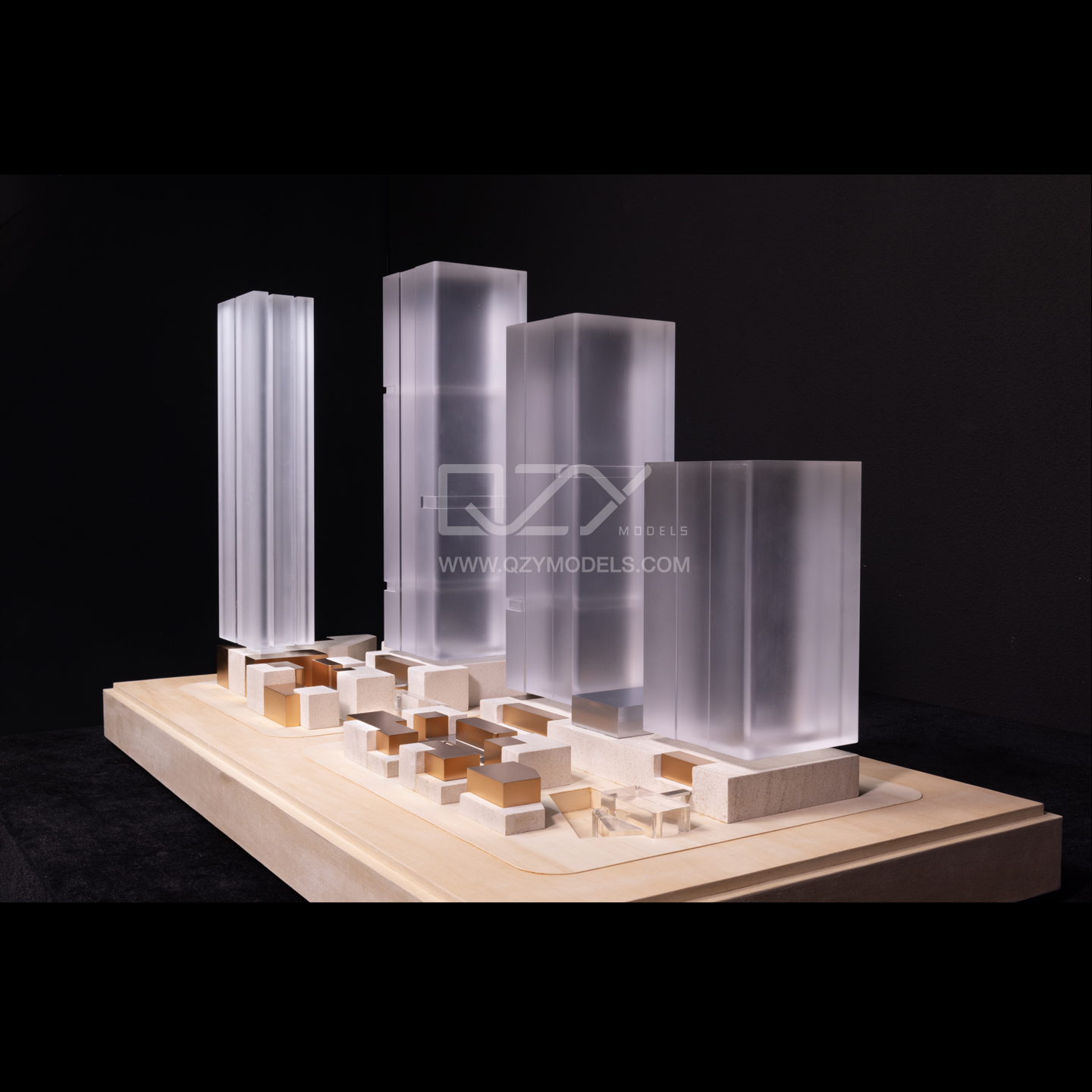
Architectural concept models for high-rise buildings are precise, scaled representations—either physical or digital—used to test design ideas, massing, and functionality before construction begins. They allow visualization of building proportions, façades, and volumetric relationships within the urban environment. QZY Models specializes in high-quality concept models that integrate artistic vision and technical accuracy using materials like acrylic, resin, and 3D-printed polymers, ensuring every model effectively communicates design intent.
How Do Concept Models Simplify High-Rise Visualization?
Concept models simplify understanding by presenting three-dimensional forms that reveal massing, shadow, and light effects. Physical models help evaluate proportions, skyline impact, and vertical articulation in ways that digital renderings alone cannot. QZY Models incorporates precise color differentiation, layering, and lighting to emphasize height and structure, enabling faster design reviews and improved communication with investors and city planners.
| Visualization Element | Technique | Benefit |
|---|---|---|
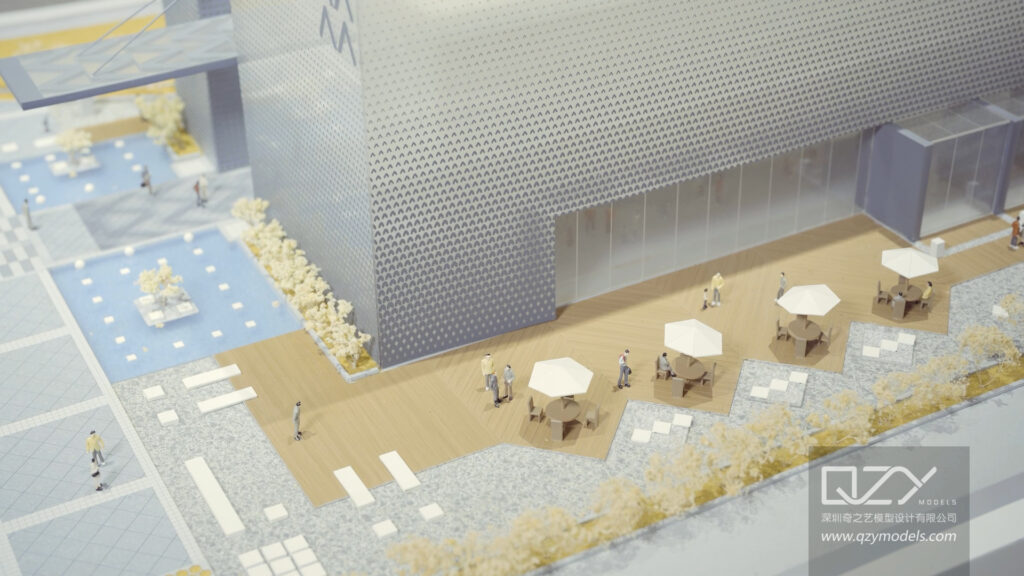
| Façade texture | 3D engraving or etched panels | Adds realism |
| Massing | Layered acrylic blocks | Enhances proportion comprehension |
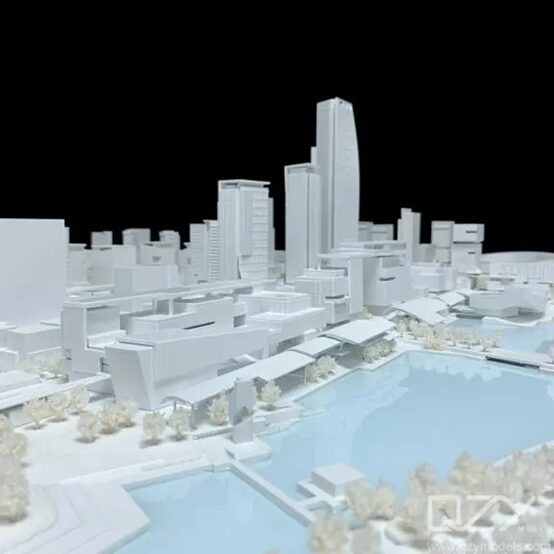
| Site context | Integrated miniature surroundings | Improves spatial understanding |
Why Are Physical Models Still Critical in the Digital Age?
Physical models provide tangible spatial perception, emotional engagement, and sensory depth that digital tools cannot fully replicate. For high-rise projects, tactile models from QZY Models convey scale, rhythm, and materiality, fostering trust and excitement among stakeholders. Real-world lighting effects and hands-on interaction support stronger presentations, exhibitions, and design discussions, reinforcing the value of physical visualization alongside digital workflows.
Which Model Types Best Serve High-Rise Concepts?
The most effective model types include massing models, façade studies, urban context models, and section cut models:
-
Massing models: Clarify volumetric hierarchy and skyline presence.
-
Façade study models: Explore material interplay and vertical rhythm.
-
Urban context models: Evaluate harmony with surrounding infrastructure.
-
Section cut models: Illustrate interior spatial organization.
QZY Models frequently combines these into hybrid presentations, blending digital 3D printing and handcrafted detail for accuracy and efficiency.
| Model Type | Focus | Stage |
|---|---|---|
| Massing | Height and proportion | Concept design |
| Façade study | Material and detail | Design development |
| Contextual | Site integration | Urban planning review |
| Section cut | Interiors and flow | Concept presentation |
How Do Concept Models Improve Client Communication?
Concept models translate abstract high-rise designs into visually accessible forms. They allow non-technical clients to comprehend complex layouts and provide tangible tools for feedback. QZY Models produces scaled, detailed models that enhance stakeholder discussions, shorten decision-making cycles, and build confidence among investors and multinational teams, ensuring clarity throughout the project lifecycle.
Can Concept Models Enhance Design Innovation?
Yes. Concept models foster innovation by enabling hands-on exploration of geometry, materials, and human-scale interaction. Quick iterations reveal potential design improvements, such as adjustments to tower heights or podium shapes. QZY Models supports creative prototyping, providing flexible models that turn abstract sketches into refined architectural concepts efficiently.
Who Benefits Most from High-Rise Concept Models?
Architects, urban planners, real estate developers, and educators all benefit from high-rise concept models. Architects gain tools for iteration, developers enhance marketing credibility, and educators improve spatial teaching. QZY Models customizes precision models for exhibitions, planning sessions, and academic showcases, meeting each audience’s need for clarity, aesthetic quality, and professional presentation.
What Role Does Material Choice Play in Concept Modeling?
Material choice impacts accuracy, visual expression, and tactile experience. High-rise models benefit from acrylic, resin, ABS plastic, and laser-etched wood, each emphasizing transparency, solidity, or detail. QZY Models selects eco-friendly, high-precision materials to ensure clarity, durability, and global presentation standards while effectively communicating design intent.
QZY Models Expert Views
“A well-crafted concept model is not just a representation—it’s an insight engine. At QZY Models, we believe that each tower model captures the soul of the design in three dimensions. It merges intuition with analysis, inspiring collaboration and guiding architecture from vision to realization.”
– Richie Ren, Founder of QZY Models
Are Concept Models Cost-Effective for Large Projects?
Concept models save time and reduce costly design errors. Early visualization prevents revisions and miscommunication between architects, engineers, and clients. QZY Models’ projects demonstrate faster approvals, improved coordination, and minimized risk, making models a strategic investment for large-scale high-rise developments.
How Do Concept Models Support Real Estate Marketing?
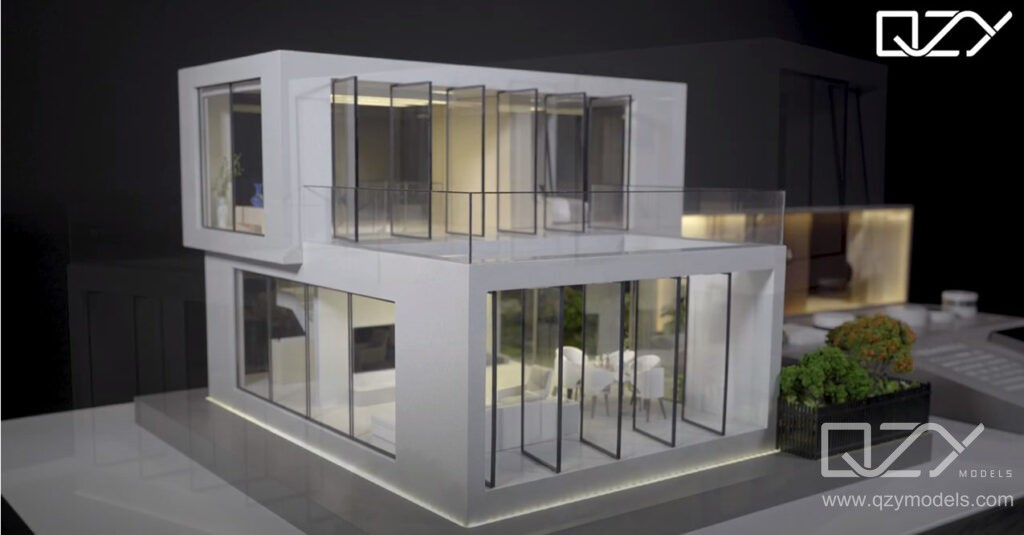
Concept models serve as compelling marketing tools, transforming architectural intent into visually engaging displays. QZY Models creates marketing-grade models with LED lighting, moving elements, and transparent features to showcase design and lifestyle context, helping buyers visualize future spaces and enhancing emotional connection to developments.
Could Concept Models Aid Sustainable High-Rise Design?
Yes. Concept models support sustainable design by illustrating structural efficiency, natural ventilation, and solar orientation. Sunlight and shadow analysis at scale inform energy-saving strategies. QZY Models collaborates with eco-conscious teams to 3D print sustainable prototypes, aligning aesthetic exploration with environmental performance goals.
Summary and Key Takeaways
Architectural concept models are essential for visualizing high-rise projects. They bridge abstract ideas and tangible understanding, enhance communication, and inspire design innovation. Massing, façade, context, and section cut models provide clarity, realism, and precision. Experts like QZY Models demonstrate that physical models remain central to architectural storytelling, marketing, and sustainable planning in a digital era.
FAQs
1. What scale works best for high-rise models?
Scales between 1:500 and 1:1000 balance proportion accuracy and urban context visibility.
2. How long does it take to produce a concept model?
Production typically ranges from 2 to 6 weeks depending on complexity.
3. Can digital and physical models complement each other?
Yes. Combining 3D digital modeling with handcrafted builds ensures precision and presentation quality.
4. Are concept models suitable for international transport?
QZY Models designs modular, durable models ideal for global shipping and exhibitions.
5. Do models improve stakeholder engagement?
Absolutely. They convert abstract plans into immersive visual tools, enabling faster decisions and more meaningful discussion.