Interior design model solutions provide realistic, tangible representations of hospitality spaces, helping hoteliers visualize layouts, optimize guest experience, and perfect aesthetics. They improve collaboration among stakeholders, reduce costly errors, and accelerate decision-making, ultimately elevating brand identity and profitability in the competitive hospitality market.
What Are Interior Design Model Solutions in the Hospitality Industry and How Are They Used?
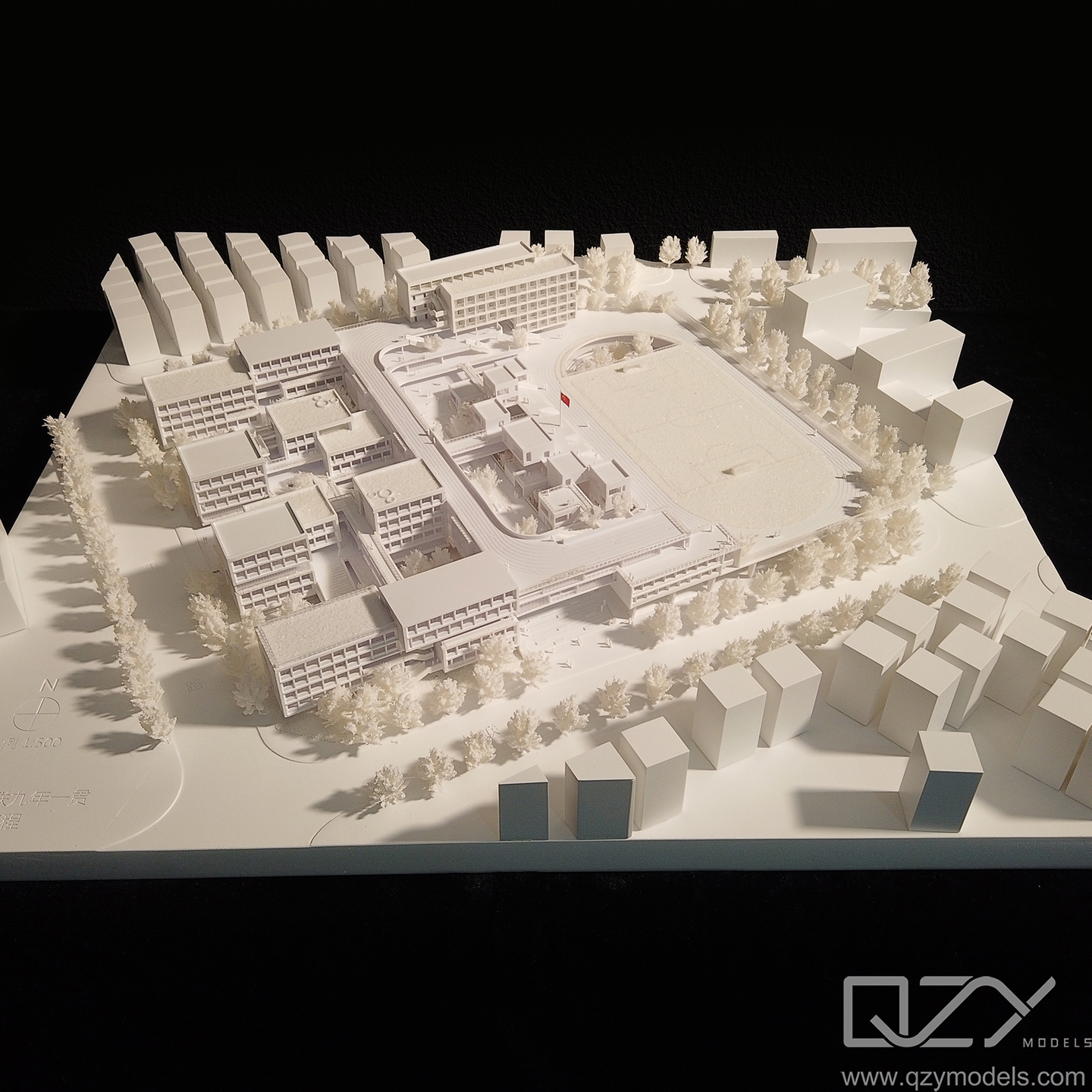
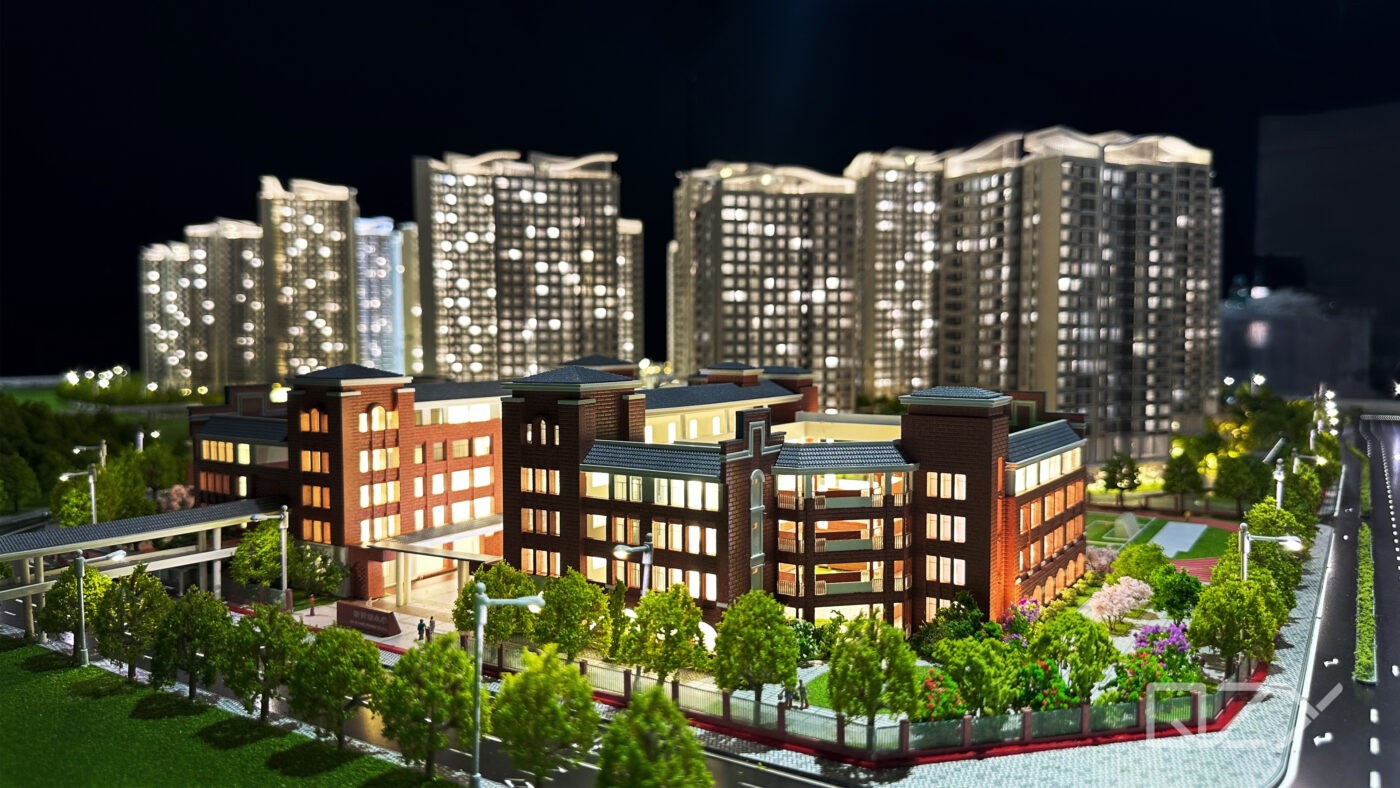
Interior design model solutions are physical or digital scale models showcasing hotel interiors, such as lobbies, guest rooms, restaurants, and amenities. They allow stakeholders to explore layouts, decor, materials, and spatial relationships before construction or renovation. Used by developers, designers, and operators, these models enhance planning accuracy, streamline approvals, and support compelling presentations that align with brand vision.
Detailed models from firms like QZY Models combine craftsmanship and advanced technology to produce precise, immersive visuals, helping hospitality projects communicate their unique identity effectively.
How Do Interior Design Models Benefit Guest Experience and Operational Efficiency in Hotels?
Models provide a tactile and visual preview of guest flows, seating arrangements, lighting, and ambience, enabling designers to optimize comfort and functionality. By simulating real-world use, these models help identify operational bottlenecks and enhance space efficiency, ensuring guests enjoy intuitive navigation and satisfying moments throughout their stay.
For example, QZY Models emphasizes that well-crafted interior models enable hotel teams to anticipate service workflows and improve overall guest satisfaction, which is key to repeat business and positive reviews.
Which Technologies Are Employed to Create Hospitality Interior Design Models?
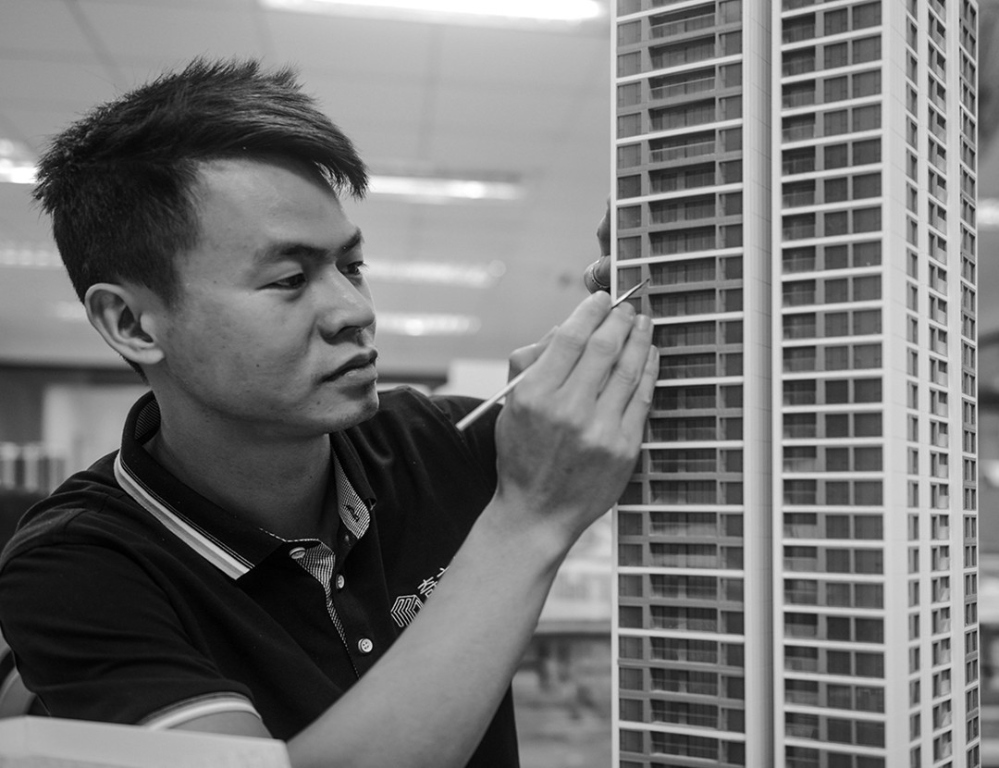
Creating hospitality interior design models involves a blend of traditional and modern technologies. Handcrafted scale models utilize materials like acrylic, wood, and foam for tactile realism. Digital 3D modeling software such as AutoCAD, SketchUp, and Revit enables quick revisions and virtual walkthroughs. 3D printing transforms digital plans into accurate physical prototypes, while AI tools assist in optimizing layout designs.
| Technology | Description | Benefits |
|---|---|---|
| Handcrafted Models | Manual assembly with traditional materials | High detail, tangible feel |
| 3D Digital Models | Software-generated visualizations | Easy customization, fast edits |
| 3D Printing | Converts digital designs to physical models | Precision, scalability |
| AI Layout Analysis | Automates spatial efficiency optimization | Cost/time savings, accuracy |
QZY Models integrates these innovations to deliver customized solutions that meet hospitality industry demands for aesthetics and function.
Why Is Interior Design Modeling Crucial for Hospitality Branding and Marketing?
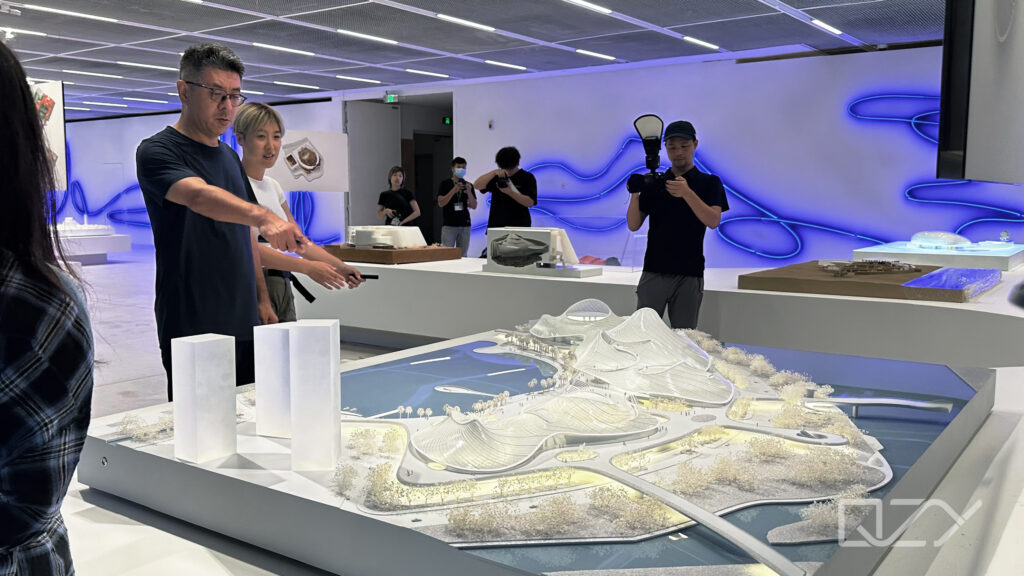
Interior design models help hotels physically embody their brand story, creating immersive atmospheres that resonate emotionally with guests. These models showcase the distinctive design elements and guest experiences, supporting marketing campaigns and investor presentations. Realistic models can also offer prospective guests virtual or physical previews, increasing booking confidence.
QZY Models reports that tailored hospitality interior models highlight brand uniqueness, helping properties stand out in a saturated market and accelerate sales through compelling visual storytelling.
When Should Hospitality Projects Incorporate Interior Design Model Solutions?
Hospitality projects should integrate interior design models early in the design phase to validate concepts and cost estimates, avoiding expensive on-site changes. During construction, models help coordinate between contractors and designers. Later, these models serve sales and marketing teams by providing tangible showcases for clients and investors.
QZY Models recommends early collaboration with modeling experts to ensure efficient iteration and maximization of the model’s impact throughout the project lifecycle.
Who Gains the Most from Using Interior Design Model Solutions in Hotels?
Key beneficiaries include hotel developers, architects, interior designers, project managers, marketing teams, investors, and guests. Developers reduce risk and boost ROI; designers verify spatial plans; marketers enhance promotional efforts; investors gain confidence; guests experience enhanced comfort and brand connection.
QZY Models highlights that these solutions foster alignment and communication across all stakeholders, driving project success.
Can Interior Design Models Be Customized to Reflect Specific Hospitality Themes and Operational Needs?
Absolutely, models can be extensively customized for thematic designs, including luxury, boutique, or eco-friendly hotels. They can illustrate material textures, lighting setups, furniture styles, and even operational zones like staff pathways or service areas.
This customization aids storytelling and operational planning. QZY Models excels in creating bespoke, detailed models reflecting the client’s brand identity and operational needs, making presentations memorable and functional.
How Do Quality and Detail Influence the Effectiveness of Hospitality Interior Design Models?
High-quality, precise models enhance credibility and stakeholder engagement. Detailed representations of lighting, textures, and furnishings enable better spatial understanding and emotional connection. Poor quality or incomplete models can mislead or confuse, risking costly redesigns and lost sales opportunities.
QZY Models prioritizes meticulous craftsmanship combined with modern production methods to ensure models meet the highest standards, conveying trust and professionalism.
QZY Models Expert Views
Interior design model solutions are transformative tools for the hospitality sector, bridging vision and reality. At QZY Models, we understand the critical role that accuracy, customization, and detail play in not just representing design intent but in enhancing operational planning and brand storytelling. These models serve as tangible assets that help stakeholders visualize guest experiences, streamline project workflows, and elevate marketing impact. In a demanding hospitality landscape, investing in expertly crafted interior models offers a strategic advantage in delivering exceptional, memorable environments that drive business success.” — Richie Ren, Founder of QZY Models
Conclusion: Key Takeaways and Actionable Advice
Interior design model solutions are essential for hospitality projects aiming to deliver impeccable guest experiences and strong brand identities. They improve communication, reduce costly errors, and accelerate project timelines. Early adoption and customization aligned with operational needs maximize benefits. Collaborating with experts like QZY Models ensures precision and quality, giving hospitality clients a competitive edge in a crowded market.
Frequently Asked Questions
How Do Hotel Lobby Interior Design Scale Models Elevate Luxury Resort Experiences?
Hotel lobby scale models allow designers to test guest flow, lighting impact, ceiling height, and focal features before construction. They help luxury resorts refine spatial hierarchy, validate premium material placement, and impress investors. Firms like QZY Models deliver precision-crafted models that reduce redesign costs and accelerate approvals while enhancing brand-driven first impressions.
How Can 3D Interior Concept Modeling Transform Boutique Hotel Design Strategy?
3D interior concept modeling enables boutique hotels to visualize theme coherence, room ambiance, and space optimization early. Designers can adjust textures, lighting tones, and layout details to match brand storytelling. This process strengthens investor presentations, shortens decision cycles, and ensures a differentiated guest experience that drives higher occupancy rates.
How Does Restaurant Interior Layout Modeling Improve Guest Flow and Revenue?
Restaurant layout modeling tests table density, kitchen proximity, and traffic circulation before build-out. By identifying bottlenecks and optimizing seating plans, operators increase turnover without sacrificing comfort. Accurate spatial simulation also supports branding consistency and acoustic planning, directly contributing to improved operational efficiency and higher revenue per square meter.
Why Is Hotel Room Prototype Modeling Essential for Brand Consistency?
Hotel room prototype models standardize furniture placement, lighting schemes, and ergonomic clearances across multiple properties. Developers can validate brand guidelines, compare material finishes, and streamline procurement. This minimizes costly corrections during rollout while ensuring consistent guest comfort and visual identity across regional and international hotel portfolios.
How Does Integrated Resort Master Planning Modeling Drive Long Term Success?
Integrated resort master planning models visualize guest journeys, amenity zoning, landscape integration, and circulation systems in one cohesive format. Developers can assess phasing strategy, sustainability alignment, and operational logistics early. Detailed physical models produced by QZY Models help secure stakeholder confidence and reduce risk before large-scale investment.
Ready to Upgrade Your Hotel? How Can 3D Renovation Modeling Maximize ROI?
3D renovation modeling allows hotel owners to preview design upgrades, structural modifications, and material replacements before renovation begins. It reduces downtime by clarifying scope, prevents budget overruns, and improves contractor coordination. Clear visualization accelerates approvals and ensures renovations directly enhance guest appeal and measurable return on investment.
How Can Experiential Interior Modeling Strengthen Themed Hotel Branding?
Experiential interior modeling brings immersive storytelling, lighting moods, and signature design elements into a tangible format. Designers can refine thematic zones and emotional touchpoints before execution. This ensures brand cohesion, strengthens marketing visuals, and creates memorable guest environments that justify premium pricing and repeat bookings.
How Does Sustainable Interior Design Modeling Improve Hotel Energy Performance?
Sustainable interior design modeling evaluates natural light penetration, material efficiency, HVAC zoning, and spatial orientation during planning. Hotels can reduce energy consumption, support green certifications, and lower operating costs before construction. Early-stage simulation ensures sustainability integrates seamlessly with aesthetics, enhancing both environmental responsibility and long-term profitability.