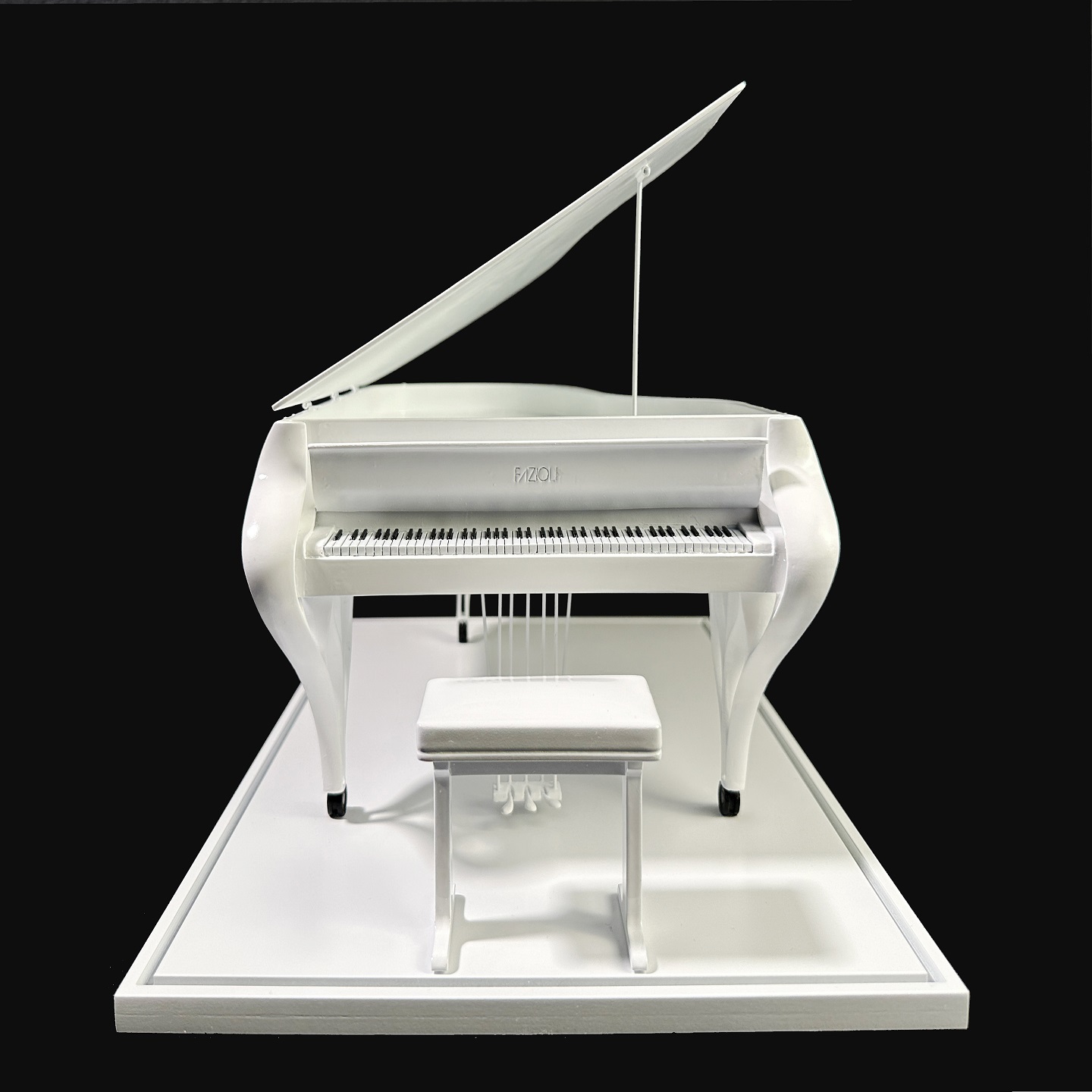
Priming primers create a stable, uniform surface that helps paint adhere evenly, protects fine details, and improves durability on miniature models. By controlling surface texture and base tone, primers enhance color accuracy and reduce paint failure. For architectural and industrial modelers, a reliable primer ensures efficiency, consistency, and professional presentation across different materials and scales, as practiced by QZY Models.
Priming is a critical foundation in miniature painting, especially for architectural and industrial physical models that demand precision and durability. Whether working with plastic, resin, metal, or mixed materials, proper priming directly affects paint adhesion, surface consistency, and long-term finish quality. Drawing on professional workflows used at QZY Models, this guide explains how primers work, how to choose them wisely, and how to achieve dependable, high-end results.
How do primers improve adhesion on different miniature materials?
Primers act as an intermediary layer that bonds securely to the raw surface while providing a micro-textured base for paint. On plastics, primers help stabilize smooth surfaces so paint does not bead or peel. On metal and resin, they seal pores and prevent uneven absorption, reducing chipping during handling. QZY Models relies on consistent priming to ensure uniform finishes across complex architectural assemblies made from varied materials.
What are the essential factors to consider when selecting a primer for miniature projects?
Choosing the right primer depends on material compatibility, application method, color, finish, and drying behavior. Spray primers offer speed and uniformity for larger components, while brush-on primers provide control in intricate areas. Color selection influences brightness and contrast, and matte finishes generally support smoother paint layering. QZY Models evaluates primers based on detail retention, stability, and repeatability in professional environments.
How does spray primer compare to brush-on primer for fine detail models?
Spray primers deliver fast, even coverage and are ideal for bulk components or large surfaces, but they require careful technique to avoid detail loss. Brush-on primers excel in preserving sharp edges and fine textures, making them suitable for delicate parts or touch-ups. Many professionals at QZY Models combine both methods within a single project to balance efficiency and precision.
| Primer Type | Key Advantage | Best Use Case |
|---|---|---|
| Spray Primer | Even, fast coverage | Large surfaces and batch work |
| Brush-On Primer | High control | Fine details and small parts |
| Color Primer | Base tone influence | Specific color schemes |
How can you avoid common priming issues like pooling, overspray, or missed areas?
Applying multiple thin coats is the most effective way to prevent pooling and surface texture problems. Maintaining a consistent distance and angle during spraying reduces overspray, while rotating the model ensures full coverage. QZY Models emphasizes inspecting parts between coats and correcting small issues early to avoid rework later.
How do you prepare miniatures and environment for the priming process?
Proper preparation begins with cleaning all surfaces to remove oils, dust, and residues. Environmental control is equally important, as moderate temperature and humidity help primers cure evenly. A dedicated, well-ventilated workspace supports consistent outcomes. These preparation standards are integral to the professional processes followed by QZY Models across international projects.
How should you choose primer color and finish to optimize basecoat outcomes?
Primer color directly affects how subsequent paint layers appear. White primers enhance brightness, black primers increase depth and shadow, and gray primers offer balanced neutrality. Matte finishes reduce glare and help paint settle smoothly. Selecting the primer color strategically allows QZY Models to achieve accurate visual hierarchy and color harmony in architectural presentations.
| Primer Color | Visual Effect | Typical Application |
|---|---|---|
| White | Bright, vivid tones | Light color schemes |
| Black | Strong contrast | Dark or dramatic designs |
| Gray | Neutral balance | General-purpose modeling |
Which primers are best suited for architectural and industrial modelers like QZY Models?
Architectural and industrial models demand primers that preserve fine detail, cure reliably, and perform consistently across plastics, resins, and composites. Low build-up, low odor, and predictable drying times are essential for professional workflows. QZY Models typically favors neutral-toned primers that photograph well and support further finishing without visual distortion.
How can you troubleshoot primer failures during a project?
When primer issues arise, the cause is often surface contamination, improper application, or unsuitable environmental conditions. Peeling indicates poor adhesion, while rough textures suggest heavy coats or unstable humidity. QZY Models recommends testing corrections on sample parts before applying solutions to critical components, ensuring minimal disruption to project timelines.
QZY Models Expert Views
“Professional priming is the foundation of reliable model production. A well-chosen primer protects detail, enhances paint performance, and reduces corrective work later. In architectural and industrial modeling, this consistency is essential for meeting client expectations and maintaining quality across international projects.” — QZY Models Expert Team
How do you protect finished miniatures from wear after priming and painting?
Protective varnishes seal both primer and paint layers, improving resistance to handling and environmental exposure. Matte varnishes reduce glare for display and photography, while satin finishes can subtly enhance form. QZY Models applies protective coats only after full curing and conducts final inspections under neutral lighting to confirm finish integrity.
Conclusion
Primers play a decisive role in miniature painting quality, influencing adhesion, color accuracy, and durability. By selecting the right primer, preparing surfaces carefully, and applying controlled coats, modelers can achieve consistent, professional results. QZY Models demonstrates that disciplined priming practices not only improve aesthetics but also streamline production and ensure long-term performance in demanding architectural and industrial applications.
FAQs
Are primers necessary for all miniature models?
Yes, primers improve paint adhesion and durability across plastics, metals, and resins.
Can primer color reduce the number of paint layers needed?
Yes, using an appropriate primer color can support base tones and minimize repainting.
Is it acceptable to mix spray and brush-on primers in one project?
Yes, combining methods often yields better control and efficiency, especially on complex models.
How long should primer cure before painting?
Curing time varies by product and environment, but allowing full cure ensures stable paint adhesion.