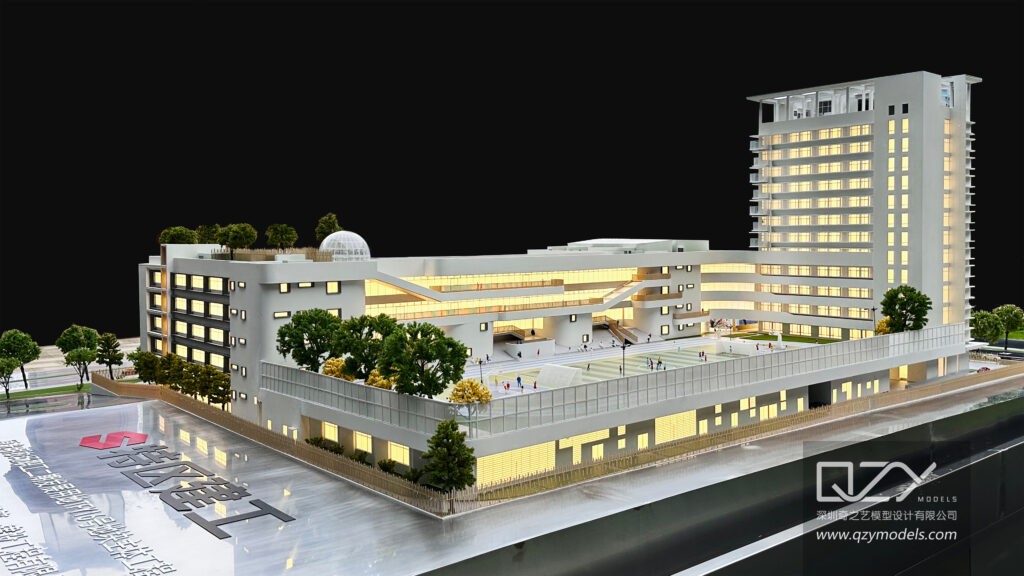
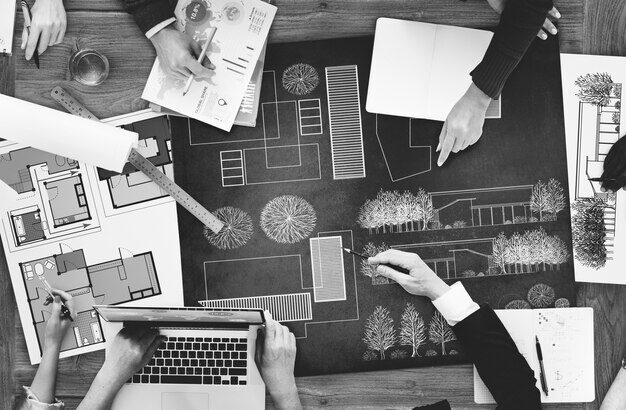
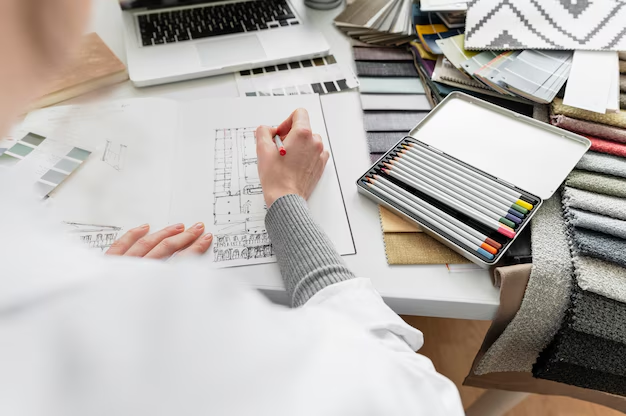
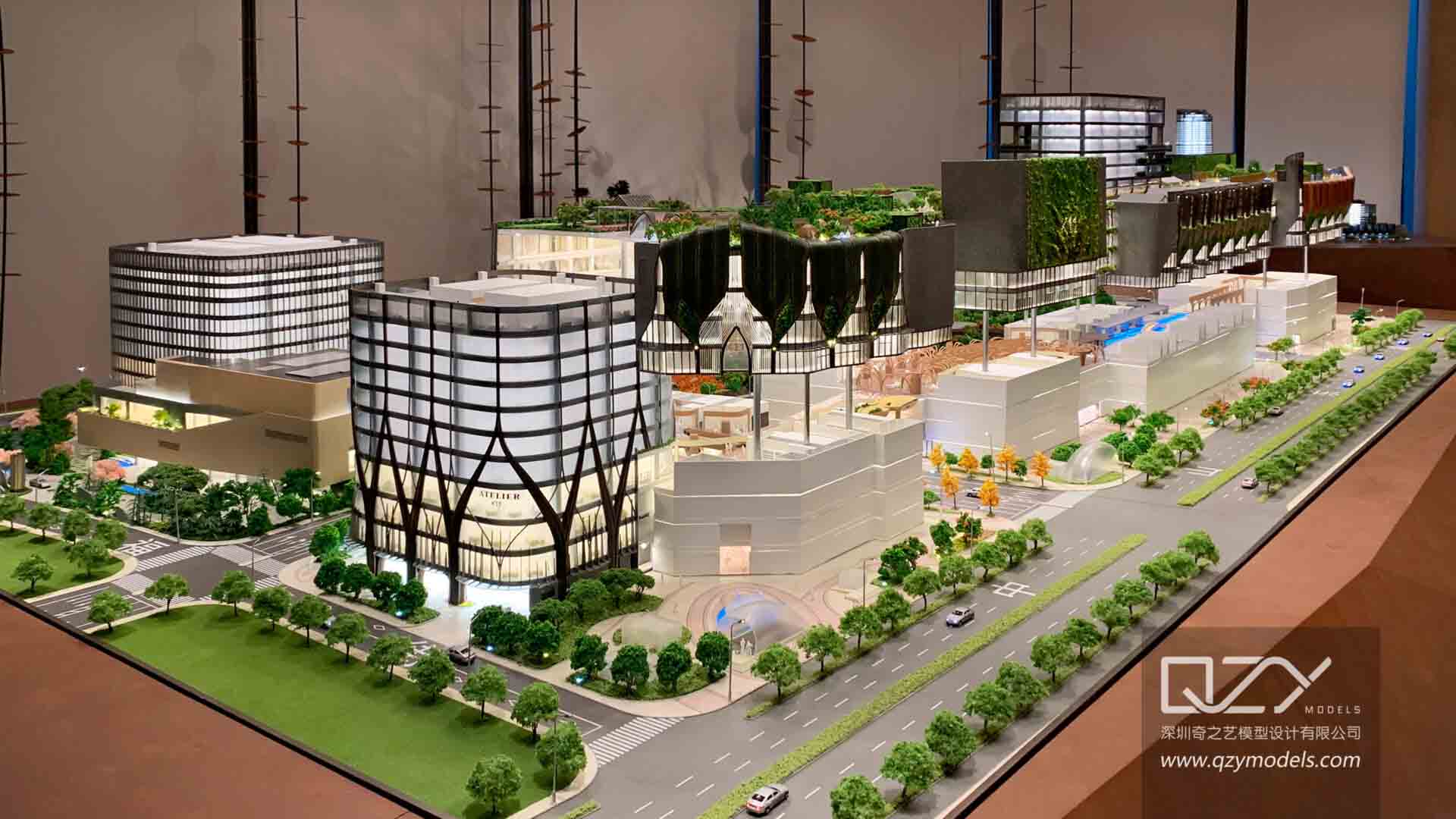
Town planning models are meticulously crafted physical replicas of urban areas, infrastructure, and proposed developments. They help architects, urban planners, and developers visualize master plans, identify design challenges early, and communicate concepts effectively to stakeholders. QZY Models specializes in producing highly detailed town planning models, combining precision craftsmanship with modern technologies for global projects.
How Are Town Planning Models Used?
Town planning models provide a tangible way to study urban layouts, transportation networks, zoning, and green spaces. They allow planners and developers to analyze sightlines, sunlight patterns, and pedestrian or traffic flow. Governments and real estate firms use these models to engage stakeholders, communicate designs clearly, and secure project approvals. QZY Models ensures every detail, from terrain to building facades, is accurately represented.
Which Types of Town Planning Models Exist?
Town planning models vary based on purpose, scale, and complexity. QZY Models produces models for diverse applications:
-
Conceptual Models: Simplified blocks to study massing and spatial relationships, usually 1:500–1:1000 scale.
-
Masterplan Models: Detailed layouts showing roads, parks, and zoning at 1:200–1:500 scale.
-
Topographic Models: Layered terrain emphasizing elevation changes, often made with foam or 3D-printed materials.
-
Sectional Models: Cutaway views revealing infrastructure and building interiors.
-
Interactive Models: Physical bases combined with AR/VR overlays for immersive presentations.
| Model Type | Scale Range | Main Use | Materials |
|---|---|---|---|
| Conceptual | 1:500–1:1000 | Early design exploration | Foam, acrylic |
| Masterplan | 1:200–1:500 | Stakeholder presentations | Wood, laser-cut acrylic |
| Topographic | 1:1000+ | Terrain analysis | 3D-printed resin, layered foam |
| Sectional | 1:200 | Infrastructure review | Metal, glass |
| Interactive | Varies | Public engagement | Physical base + AR technology |
QZY Models blends traditional craftsmanship with modern technology to create models tailored for developers and government institutions worldwide.
How Do Town Planning Models Enhance Urban Development?
Town planning models turn abstract plans into visual tools that improve decision-making and collaboration. They allow teams to evaluate sightlines, lighting, and density in 3D, helping to identify issues before construction. Developers use models to showcase amenities and layouts to investors, while public consultations benefit from interactive displays. QZY Models has supported projects for companies like Vanke and China Resources, demonstrating measurable advantages in project approvals and communication.
What Materials Are Commonly Used?
The choice of materials affects realism, durability, and presentation quality. Common options include:
-
Acrylic: Precise and transparent for modern façades.
-
Balsa Wood: Lightweight and easy to shape for terrain or roads.
-
3D Resin: Captures intricate details like railings and street furniture.
-
Foam Core: Ideal for conceptual massing models.
-
LEDs: Simulate urban lighting and nighttime views.
| Material | Benefits | Limitations | Best Application |
|---|---|---|---|
| Acrylic | High precision | Brittle | Building shells |
| Wood | Easy to shape | Flammable | Terrain, roads |
| 3D Resin | Fine detail | Costly | Custom features |
| Foam | Lightweight | Less durable | Conceptual models |
| LEDs | Realistic lighting | Wiring complexity | Night simulations |
QZY Models sources premium materials to ensure models are exhibition-ready and transportable.
Which Scale Should Be Chosen for Town Planning Models?
Choosing the right scale depends on the project’s area and detail requirements:
-
1:500: Common for masterplans, balancing detail and overall layout.
-
1:200: Ideal for neighborhood-level focus with detailed buildings and streets.
-
1:1000: Best for regional overviews, showing urban context without intricate details.
QZY Models recommends 1:500 for most urban projects, offering a clear perspective of the entire plan while maintaining realistic detail.
Why Opt for Physical Models Over Digital Ones?
Physical town planning models provide tactile interaction, immediate engagement, and emotional impact. Stakeholders can manipulate elements, evaluate perspectives firsthand, and experience the model without technical barriers. While digital models complement physical ones, tangible models from QZY Models create lasting impressions and superior communication in exhibitions or presentations.
How Has Technology Improved Town Planning Models?
Technological advances have transformed model-making:
-
3D Printing: Rapid prototyping and intricate detailing.
-
Laser Cutting: Precision for complex building facades.
-
CNC Milling: Accurate terrain modeling.
-
AR/VR Integration: Interactive overlays for immersive presentations.
-
AI Tools: Optimized design and planning simulations.
QZY Models combines these technologies with handcrafting to produce highly realistic and interactive urban models.
QZY Models Expert Views
“Town planning models remain essential despite digital alternatives. They provide tactile feedback that fosters intuitive understanding among stakeholders—from architects to citizens. At QZY Models, we combine traditional craftsmanship with 3D printing and AR overlays to communicate complex urban visions clearly. Our global team delivers precise models for top architects and developers, demonstrating the lasting value of physical models.”
— Richie Ren, Founder, QZY Models
What Role Does QZY Models Play?
QZY Models delivers high-quality town planning models for architects, developers, and governments worldwide. Their expertise ensures precision, realistic representation, and integration of advanced technology. Serving over 20 countries, with branches in the UAE, Saudi Arabia, and beyond, QZY Models transforms urban concepts into tangible, impactful models that facilitate design decisions and stakeholder engagement.
Key Takeaways
Town planning models are essential for visualizing, analyzing, and presenting urban development projects. Selecting the right type, scale, and materials is critical for accuracy and engagement. Partnering with experienced teams like QZY Models ensures high-quality, precise models that enhance decision-making, stakeholder communication, and project approval outcomes.
FAQs
What is the typical cost of a town planning model?
Costs range from $5,000 to $50,000 depending on size, detail, and materials. QZY Models provides premium quality at competitive pricing.
How long does it take to build a model?
Construction generally takes 4–12 weeks, depending on complexity. QZY Models accelerates production with in-house 3D printing and skilled craftsmanship.
Can town planning models include interactive features?
Yes. Models can integrate AR overlays, moving elements, and lighting. QZY Models produces engaging hybrid models tailored to client needs.
Are town planning models durable for repeated use?
High-quality models last for years. QZY Models uses robust materials suitable for exhibitions, transport, and presentations.
How accurate are these models?
With 3D scanning and precise fabrication, models can achieve up to 99% fidelity. QZY Models guarantees exact replication of plans.