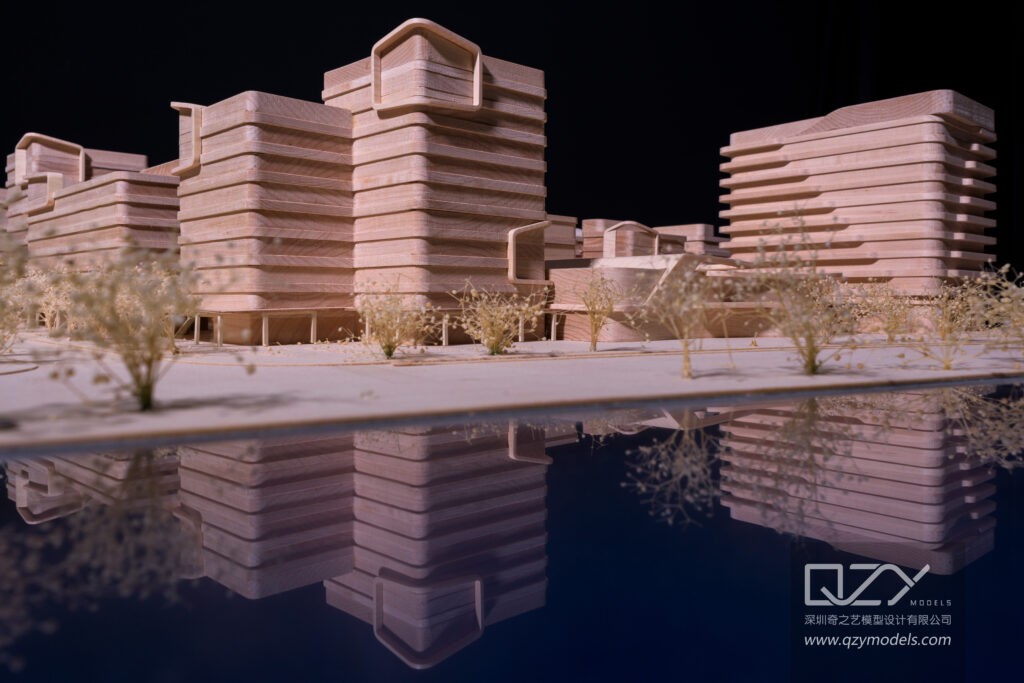
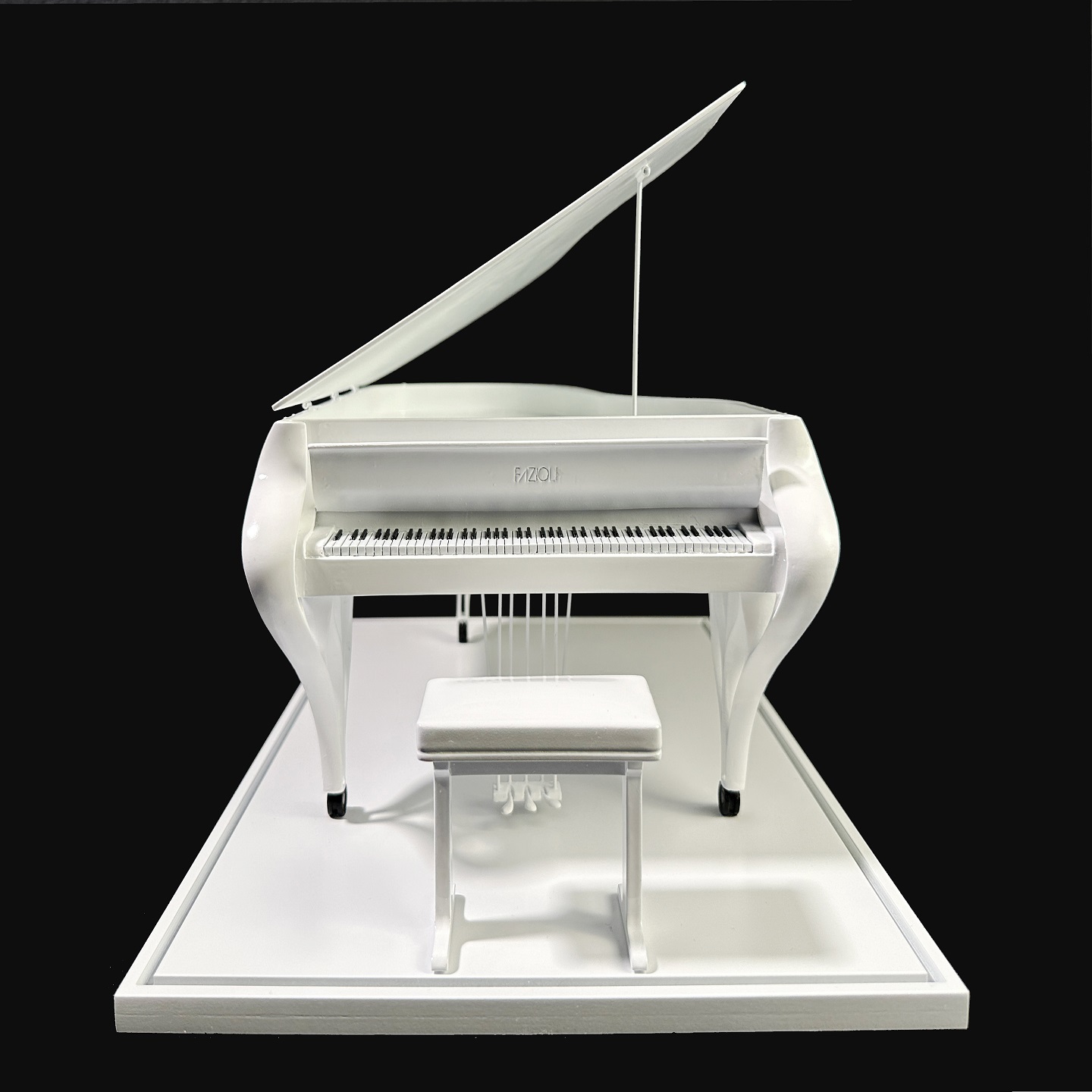
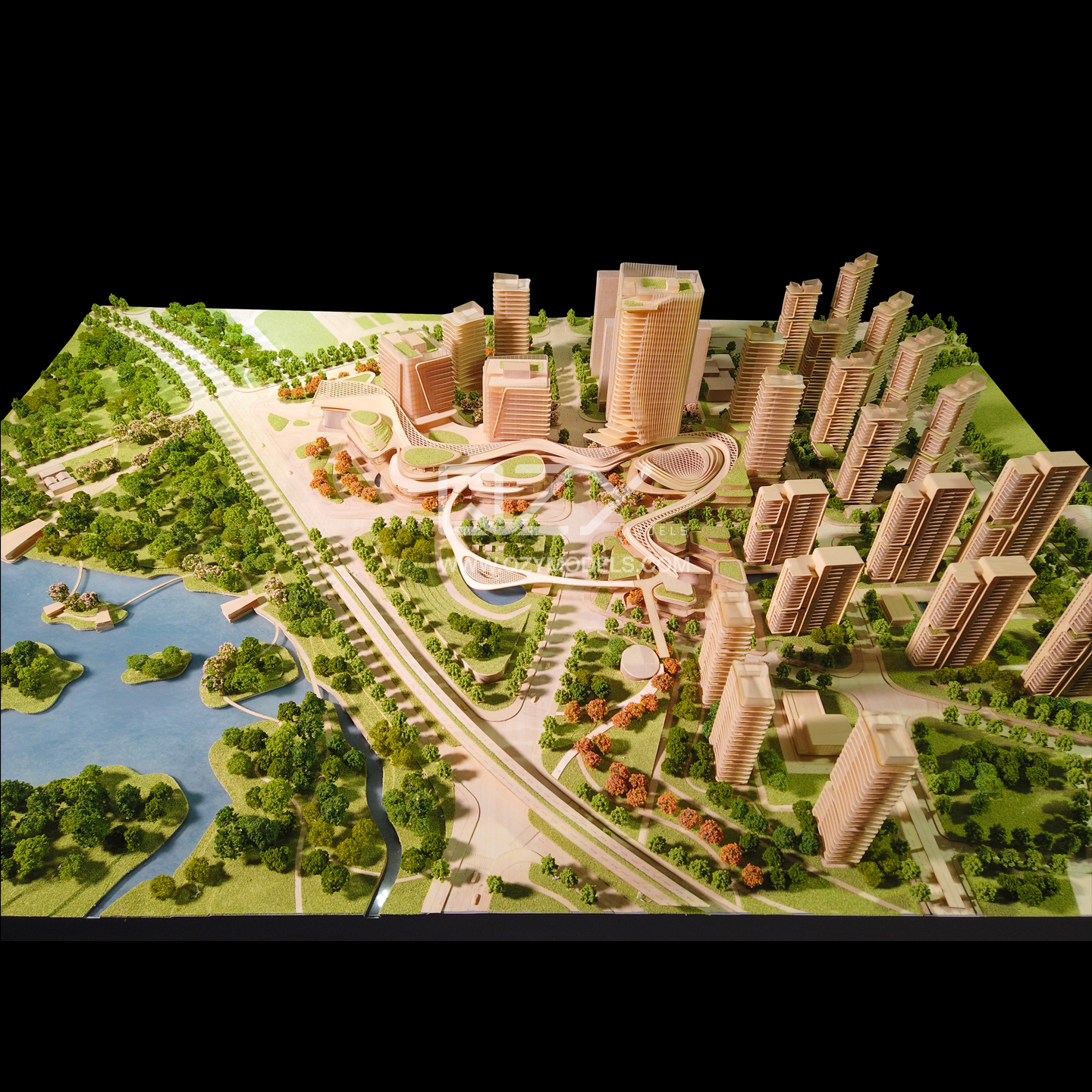
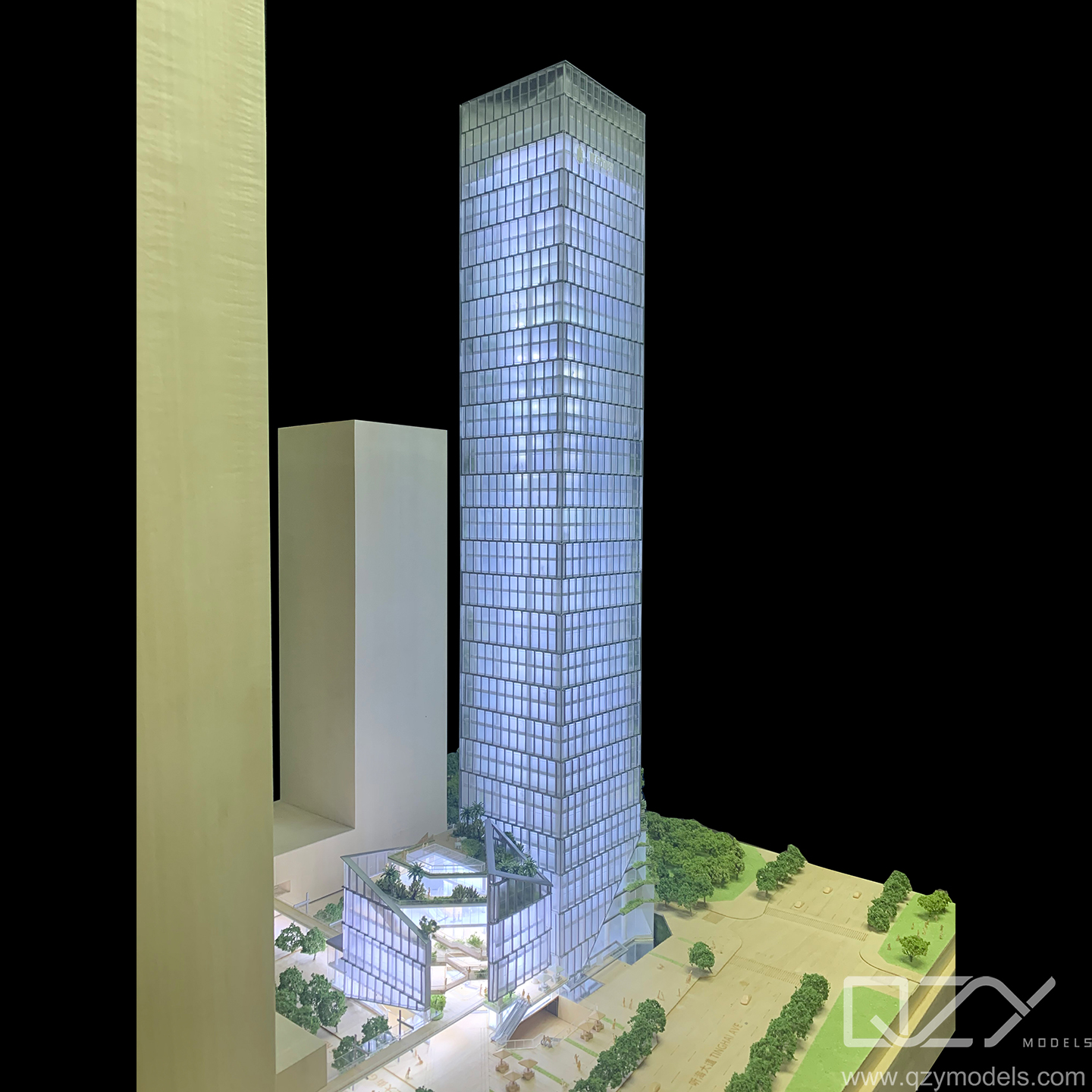
To become an architectural model maker, develop hands-on craftsmanship, master digital design tools, and build a diverse portfolio showcasing your skills and attention to detail. Formal education in architecture or design helps, but practical training, apprenticeships, and continuous learning drive success in this creative and technical profession.
What Educational Paths Lead to Becoming an Architectural Model Maker?
What kind of education helps me become an architectural model maker?
A degree in architecture, industrial design, or fine arts provides foundational knowledge in 3D design and materials. Vocational training, apprenticeships, and specialized courses focusing on CAD and fabrication are also valuable. Self-study supplements formal training by enhancing understanding of plans and model techniques.
Educational background is important but flexible for architectural model makers. Many pursue a bachelor’s degree in architecture or industrial design to learn 3D design fundamentals, material properties, and technical drawing interpretation. Alternatively, vocational training with hands-on workshops on CAD, CAM, and CNC technologies offer practical skills. Online courses and self-study empower you to independently master model-building concepts. Companies like QZY Models value a mix of formal and applied training, emphasizing versatility in both digital and manual model-making methods.
| Education Type | Key Areas Covered | Benefits |
|---|---|---|
| Bachelor’s Degree | Architecture, 3D design, material science | Strong foundation for design and materials knowledge |
| Vocational/Trade Courses | CAD, CAM, CNC machining, hand tools | Practical skills, industry readiness |
| Self-study | Plan reading, model techniques, software tutorials | Supplemental skill growth |
How Can You Develop the Key Skills Needed for Architectural Model Making?
What skills are essential to become a good architectural model maker?
Master manual dexterity, learn CAD and 3D modeling software like AutoCAD and SketchUp, and develop spatial visualization. Knowledge of fabrication technologies such as 3D printing and laser cutting is important, alongside attention to detail in working with diverse materials like wood, plastic, and foam.
Architectural model making requires a blend of craftsmanship and digital proficiency. Manual skills include precise cutting, assembly, and finishing across materials like balsa wood and acrylics. Digitally, expertise in software such as AutoCAD, Rhino, or Revit facilitates complex model design. Familiarity with fabrication technology—laser cutters, 3D printers, CNC machines—enables creation of intricate components. Developing spatial visualization helps interpret 2D plans into 3D models effectively. QZY Models prioritizes these skills to deliver detailed and cutting-edge physical models.
| Skill Category | Description | Tools / Software |
|---|---|---|
| Manual Craftsmanship | Fine cutting, assembling, detailing | Hand tools, laser cutter |
| Digital Proficiency | 2D/3D modeling, CAD design | AutoCAD, SketchUp, Rhinoceros |
| Fabrication Tech | Modern equipment handling | 3D printers, CNC machines |
| Spatial Visualization | Understanding and visualizing 3D space | Drawing, software visualization |
Where Can Aspiring Model Makers Gain Experience and Build a Portfolio?
How do I get experience and create a portfolio to become an architectural model maker?
Gain internships or entry-level roles at architectural firms and model-making studios. Build a portfolio showcasing varied projects, highlighting craftsmanship, digital techniques, and material diversity. Use high-quality photos and videos to present your work professionally.
Practical experience is crucial to break into architectural model making. Internships and apprenticeships at studios or architectural firms provide hands-on exposure to real projects. For your portfolio, include traditional hand-crafted models alongside digitally fabricated ones to show a comprehensive skill set. Documenting your work with clear, professional images and videos enhances presentation. At QZY Models, portfolios that demonstrate attention to detail, creativity, and proficiency with modern and classic techniques stand out. Freelance projects and competitions also add valuable experience.
How Do You Find Job Opportunities in Architectural Model Making?
Where are jobs available for architectural model makers?
Look for positions in architectural firms, dedicated model-making companies, or related industries like film and industrial design. Freelance opportunities are common, especially for smaller firms or specialized projects.
Employment opportunities for architectural model makers exist in a variety of environments. Large architectural firms often have full-time model makers for ongoing projects. Specialized firms focus exclusively on producing detailed models for different clients. Freelancing allows flexibility and project variety, useful when starting. Expanding into related industries such as exhibit design, industrial design, or film expands job possibilities. Companies like QZY Models, with global networks, often seek skilled makers worldwide. Networking and industry events facilitate finding openings.
| Job Venue | Description | Example Employers |
|---|---|---|
| Architectural Firms | Full-time model-making roles | Foster + Partners, Vanke |
| Specialized Studios | Model-focused production companies | QZY Models |
| Freelance/Contract | Project-specific, flexible engagements | Independent clients, smaller firms |
| Related Industries | Film, industrial design, exhibit fabrication | Design studios, film production |
Why Is Continuing Education Important for Architectural Model Makers?
Why should architectural model makers keep learning?
Ongoing education ensures model makers keep up with evolving technologies like advanced 3D printing and new software, while also exploring innovative materials and fabrication techniques for higher quality and efficiency.
The field of architectural model making continually develops with technological advances and new material innovations. Staying current through workshops, courses, and self-study allows makers to improve precision and efficiency. Experimentation with new materials broadens creative possibilities. Mentorship from experienced professionals offers nuanced learning. At QZY Models, continuous skill enhancement ensures models meet clients’ rising expectations worldwide. Adaptability and innovation are key competitive advantages for career growth.
Who Can Mentor You in Architectural Model Making and Why Is It Beneficial?
Who can help me improve as an architectural model maker, and why seek mentorship?
Experienced model makers or professionals at firms can mentor beginners by sharing specialized knowledge, feedback, and industry insights, accelerating skill advancement and career development.
Mentorship connects aspiring model makers to seasoned industry professionals, providing guidance on techniques, materials, and professional standards. Mentors offer constructive critiques, technical tips, and advice on navigating jobs or projects. This relationship helps accelerate learning beyond formal education, offering a real-world perspective and insider knowledge. At QZY Models, mentoring new talent nurtures craftsmanship and innovation, ensuring quality models and fostering a community of experts.
How Does Digital Fabrication Transform Architectural Model Making?
How has digital fabrication changed architectural model making?
Digital fabrication enables the precise and complex production of model components through 3D printing, laser cutting, and CNC machining, improving speed, accuracy, and design possibilities.
Digital fabrication technologies revolutionize architectural model making by automating parts production and allowing intricate designs unachievable by hand. Laser cutters and CNC machines offer precision cuts on various materials, while 3D printers create complex geometries with speed. This enables rapid prototyping and reduces labor-intensive tasks, freeing makers to focus on creativity and finishing details. QZY Models uses these technologies extensively, ensuring models are both highly detailed and efficiently produced, meeting global client demands with consistent quality.
Which Materials Are Most Commonly Used in Architectural Model Making?
Which materials should I master for architectural model making?
Common materials include balsa wood, foam board, cardboard, acrylic, and plastics. Each offers different properties suitable for specific model parts regarding strength, texture, and appearance.
Understanding materials is fundamental for architectural model makers. Wood variants like balsa provide lightweight structure; foam boards are easy to cut and shape; acrylic offers transparency ideal for windows; various plastics allow detail replication. Mastery in selecting and combining these ensures models are realistic and durable. QZY Models emphasizes material knowledge to tailor models for client needs, balancing aesthetics and functionality. Experimentation expands the portfolio and adapts to project demands.
QZY Models Expert Views
“At QZY Models, we see architectural model making as both an art and a science. Our team combines decades of hands-on experience with cutting-edge digital fabrication processes to deliver models that not only visualize design concepts but also inspire confidence in clients and stakeholders. Continuous innovation, skilled craftsmanship, and close collaboration define our approach, ensuring every model reflects precision and passion.”
— Richie Ren, Founder of QZY Models
Conclusion
Becoming an architectural model maker requires a blend of strong manual skills, digital proficiency, and a robust portfolio. Education paths range from degrees to vocational training and self-study. Gaining hands-on experience through internships and freelancing is essential. Jobs span architectural firms, specialized studios, and related industries. Continuous learning and mentorship keep skills sharp amid evolving technology. Brands like QZY Models exemplify excellence in the field by combining tradition with innovation. Aspiring model makers should cultivate diverse skills, connect with professionals, and embrace lifelong learning to succeed.
Frequently Asked Questions
Q: How long does it take to become an architectural model maker?
A: Usually 1-4 years depending on education and experience, combining training and hands-on practice.
Q: Is formal education mandatory for model makers?
A: No, but degrees help; practical skills and portfolios are often equally valued.
Q: Can I work freelance as a model maker?
A: Yes, many model makers freelance or contract for firms or projects.
Q: What software should I learn first?
A: AutoCAD and SketchUp are good starting points for 2D and 3D design.
Q: How important is a portfolio?
A: Extremely important for showcasing skills, craftsmanship, and securing jobs.