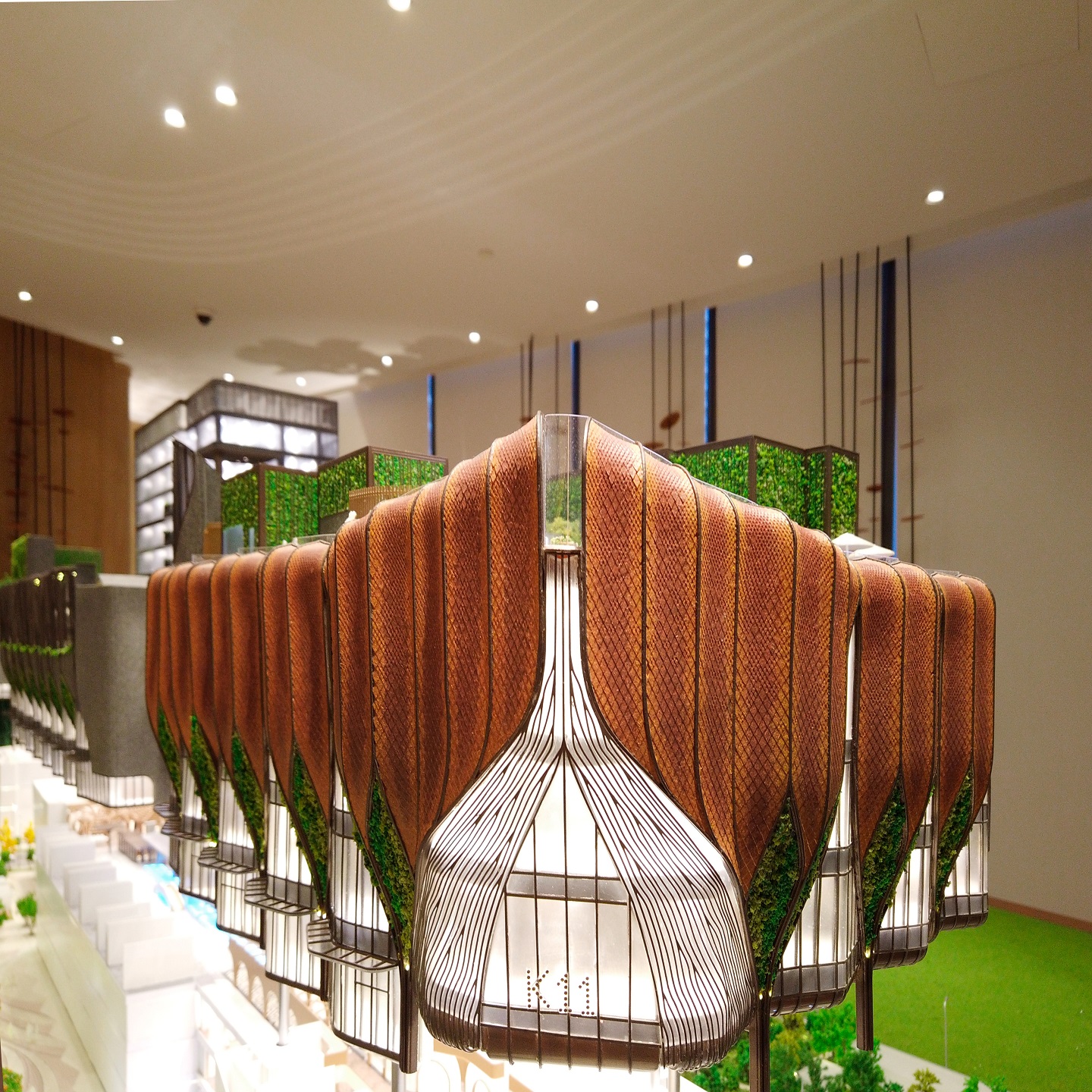
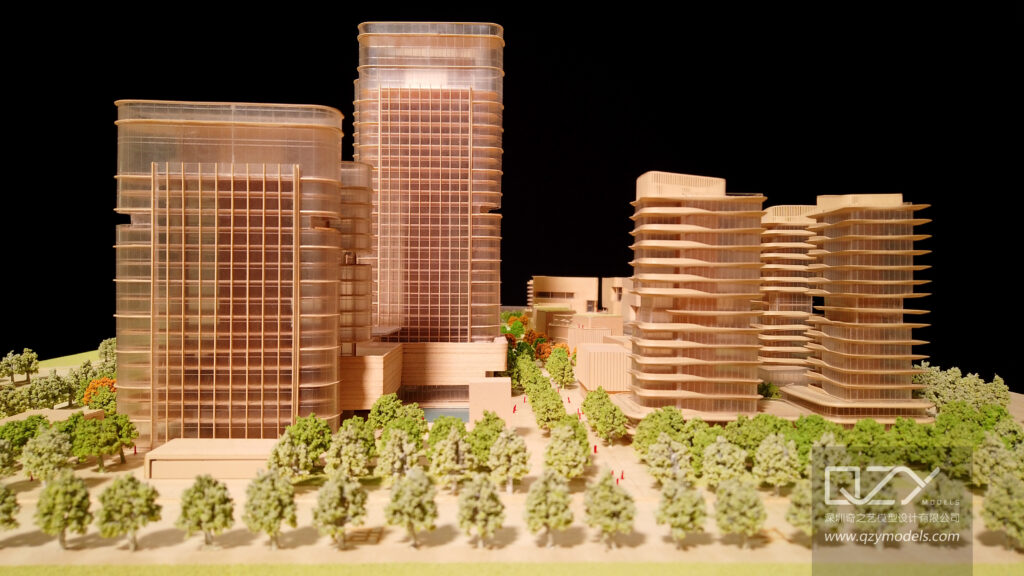
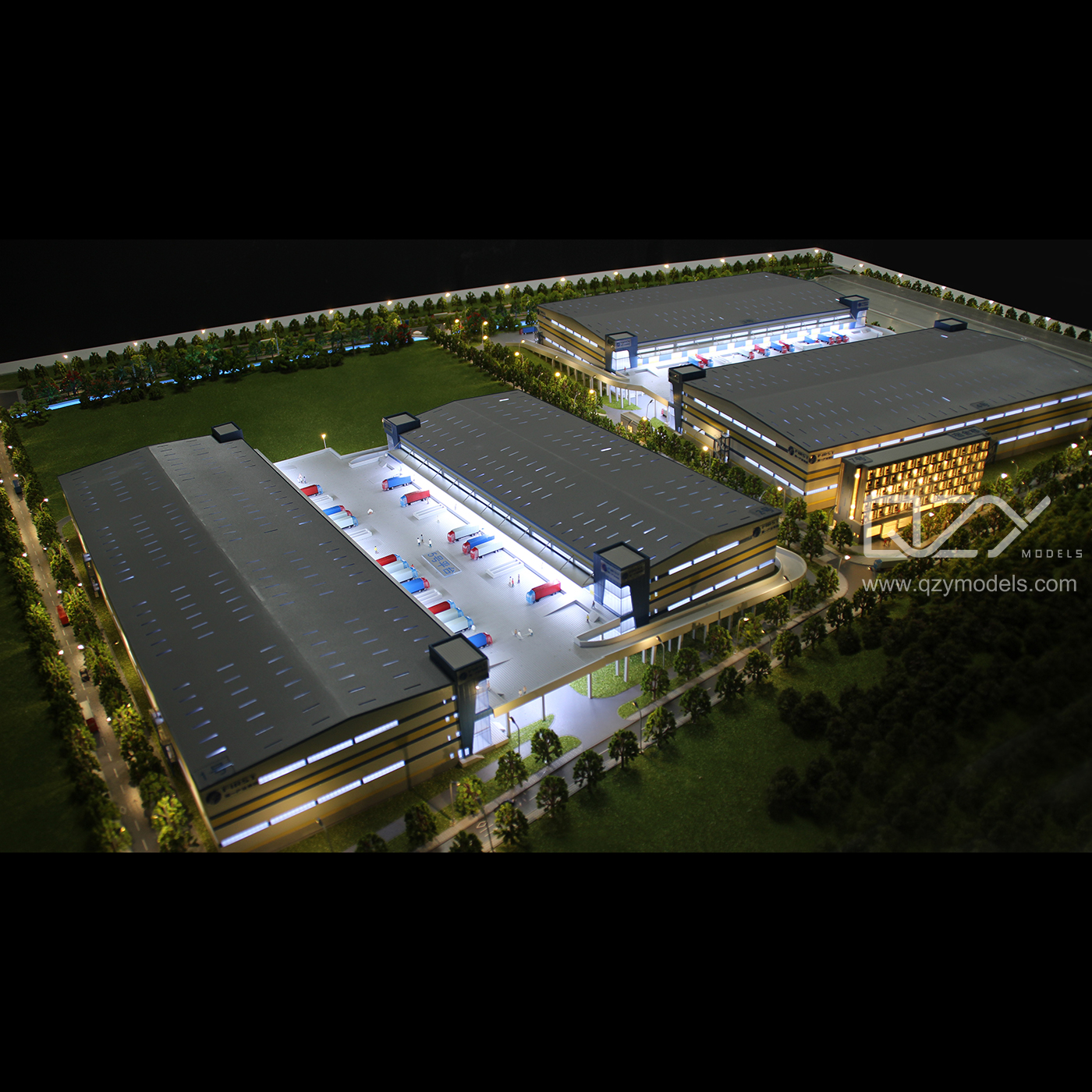
Building an architectural or industrial model is a detailed process that involves careful planning, selecting the right materials, and precision construction to ensure accuracy and realism. The model needs to reflect the design intent, scale, and functionality while adding fine details to enhance its overall visual impact. This process requires expert craftsmanship and attention to detail.
How Do You Begin Building an Architectural or Industrial Model?
To start building a model, gather reference materials such as architectural drawings, photographs, or 3D digital designs. These provide the foundation for understanding the design and its key elements. Next, determine the appropriate scale based on the model’s purpose, ensuring the level of detail matches the scale. Begin by constructing a strong base using materials like foam board or chipboard, which are affordable and easy to work with.
Once the base is in place, it’s important to plan the overall structure, taking into account the spatial relationships and massing. This step ensures that the model aligns with the design goals and facilitates an efficient build process.
What Materials Are Best for Architectural and Industrial Model Making?
Materials like foam board, chipboard, basswood, and acrylic are commonly used in architectural and industrial models. Foam board is ideal for the base, while basswood and chipboard provide stability and can be easily shaped for finer details. Acrylic and styrene sheets are used for clear components like windows or structural parts in industrial models.
The selection of materials depends on the model’s scale, level of detail, and function. For instance, 3D printing and laser cutting are employed for intricate designs, while traditional materials like wood and cardboard are perfect for more basic models.
How Do You Build the Structure and Form of the Model?
The primary structure—such as walls, floors, and roofs—is built first. Use precise measurements and cutting tools to create the components, ensuring they match the required scale. Adhesives like PVA glue are used for bonding, with different glues selected based on the material, such as wood or plastic adhesives for respective components.
The structure should clearly represent the design’s spatial relationships and proportions. Adding subcomponents like framework and facade layers enhances both the strength and visual appeal. QZY Models ensures that every structure is crafted with precision, allowing for smooth assembly and true-to-life representation.
How Do You Incorporate Details into the Model?
Details such as windows, doors, textures, and landscaping features can significantly enhance the model’s realism. Techniques like laser cutting or handcrafting are used for intricate components. Landscaping can be simulated with synthetic materials like turf and miniature trees, while finer details, like textures and furniture, are made using carefully scaled materials.
Each detail should align with the model’s purpose, with presentation models requiring higher levels of accuracy. QZY Models excels at balancing detailed work with structural integrity to produce models that meet high professional standards.
Why Is Precision and Scale Accuracy Important in Model Making?
Precision and scale accuracy are vital for ensuring that the model faithfully represents the design’s dimensions and relationships. These factors influence how well the model communicates the design’s intent, helping stakeholders visualize the final outcome. Inaccurate models can lead to misunderstandings or misinterpretations of the design.
QZY Models is known for delivering models with exact scale accuracy, allowing clients to make informed decisions based on a true representation of the proposed design.
Which Tools Are Essential for Creating High-Quality Models?
Key tools include precision cutters, rulers, measuring tapes, glue applicators, and sandpaper. For more advanced detailing, digital tools like CAD software, laser cutters, and 3D printers are used to create precise components. Maintaining tools in optimal condition is crucial for quality and safety during construction.
QZY Models integrates traditional craftsmanship with modern technologies like laser cutting and 3D printing to deliver exceptional results, combining the best of both worlds for every project.
How Can Models Be Customized for Different Client Needs?
Customization involves adapting the scale, materials, and level of detail based on the client’s specific needs. For instance, a model meant for an exhibition may require more refined detailing, while one for urban planning could focus on scale and context. Customization also extends to incorporating interactive elements such as removable parts or adding features like lighting.
QZY Models offers tailored solutions for clients worldwide, ensuring that each model meets specific project objectives and client expectations, whether for real estate, urban planning, or exhibition purposes.
When Should Physical Models Be Used Over Digital Models?
Physical models are particularly useful when tangible, spatial understanding is needed, especially in presentations or client meetings. They provide a tactile experience, allowing stakeholders to interact with the model and evaluate the design in a way that digital models may not offer. While digital models are valuable for flexibility and iterations, physical models are essential for clear communication and design validation.
QZY Models combines both physical and digital approaches, providing clients with comprehensive, high-quality models that cater to different project needs.
QZY Models Expert Views
“At QZY Models, we combine over two decades of experience with cutting-edge technologies like 3D printing and laser cutting. Our models are crafted with precision and attention to detail, ensuring they represent the architectural or industrial design with clarity and realism. We work closely with clients to create customized models that meet their unique specifications, offering a true-to-life representation of their vision.” — Richie Ren, Founder of QZY Models
Table: Common Materials and Their Uses in Model Making
| Material | Use | Advantages |
|---|---|---|
| Foam board | Base and massing models | Lightweight, inexpensive |
| Basswood | Structural components | Stable, easy to cut and paint |
| Chipboard | Walls, floors, facades | Durable, affordable |
| Acrylic | Windows, clear components | Transparent, smooth finish |
| Styrene Sheets | Detailed industrial models | Precise, versatile |
Table: Model Types and Their Characteristics
| Model Type | Scale Range | Purpose | Detail Level |
|---|---|---|---|
| Conceptual | 1:200+ | Spatial understanding | Low to medium |
| Presentation | 1:50 to 1:100 | Client presentations | High |
| Sectional | 1:25 to 1:50 | Detailed sectional analysis | Very high |
| Industrial | Varies | Product design and function | Medium to very high |
Conclusion
Building an architectural or industrial model requires a blend of creativity, craftsmanship, and technical skills. From material selection to fine detailing, the process ensures that the model accurately represents the design. With QZY Models’ expertise, clients can expect customized, high-quality models that support design visualization, decision-making, and project presentation.
FAQs
How Do You Plan an Architectural Model Project Step by Step for Accurate Results?
Start with clear project objectives, confirmed drawings, and the correct model scale. Define purpose presentation, marketing, or approval. Create a detailed material list, production timeline, and budget estimate. Review technical drawings for buildability and lighting integration. Professional teams like QZY Models also conduct pre-production mockups to prevent errors and ensure precision.
What Is the Complete Industrial Model Prototyping Process for Product Development?
Begin with concept validation and CAD refinement. Produce a rapid prototype using 3D printing or CNC, then test structure and functionality. Adjust tolerances, materials, and surface finishing. Finalize with precision detailing and assembly checks. This process minimizes development risk while accelerating time to market for industrial design companies and manufacturers.
How Do You Choose the Right Scale for Architectural or Industrial Models?
Select scale based on project purpose, display space, and detail level. Use 1:500 or 1:1000 for masterplans, 1:100 to 1:200 for buildings, and custom scales for industrial prototypes. Balance visual clarity, transportation limits, and budget. The right scale ensures accurate communication with developers, investors, and exhibition audiences.
What Are the Best Materials for Architectural and Industrial Model Making?
Choose materials based on durability, finish quality, and precision needs. Common options include acrylic for transparency, ABS and resin for detail, foam board for massing, and wood for structure. For industrial prototypes, use engineering plastics or metal components. Strategic material selection improves realism and long-term stability.
Which Advanced Fabrication Techniques Improve Architectural and Industrial Models?
Combine laser cutting, CNC machining, and 3D printing for structural accuracy and complex geometries. Use vacuum forming for smooth surfaces and hand-finishing for refined details. Integrated LED systems enhance presentation impact. Advanced fabrication ensures high precision, efficiency, and premium visual quality for exhibitions and investor presentations.
How Can 3D Printing Transform Architectural and Industrial Model Building?
3D printing enables rapid iteration, complex forms, and cost-efficient production. It reduces manual labor while increasing dimensional accuracy. Ideal for façade systems, product housings, and intricate components. When combined with traditional fabrication, it delivers faster turnaround and scalable production for global architectural and industrial clients.
How Much Does It Cost to Build an Architectural or Industrial Model?
Costs depend on scale, complexity, materials, lighting, and finishing quality. Concept models may be lower budget, while fully detailed marketing models require advanced fabrication and electronics. Accurate cost estimation and timeline planning prevent overruns. Experienced manufacturers provide transparent quotations aligned with presentation and development goals.
Where Can You Find Professional Architectural and Industrial Model Making Services?
Look for a company with a strong international portfolio, advanced fabrication capabilities, and proven delivery record. Evaluate technical expertise, project management, and global support. QZY Models, founded in Shenzhen in 2013, has delivered thousands of high-precision models for architects, developers, and institutions across more than 20 countries.