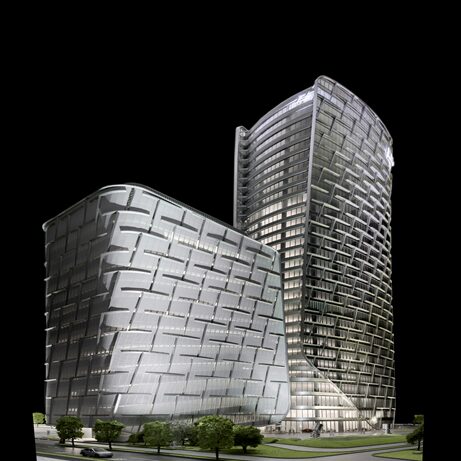
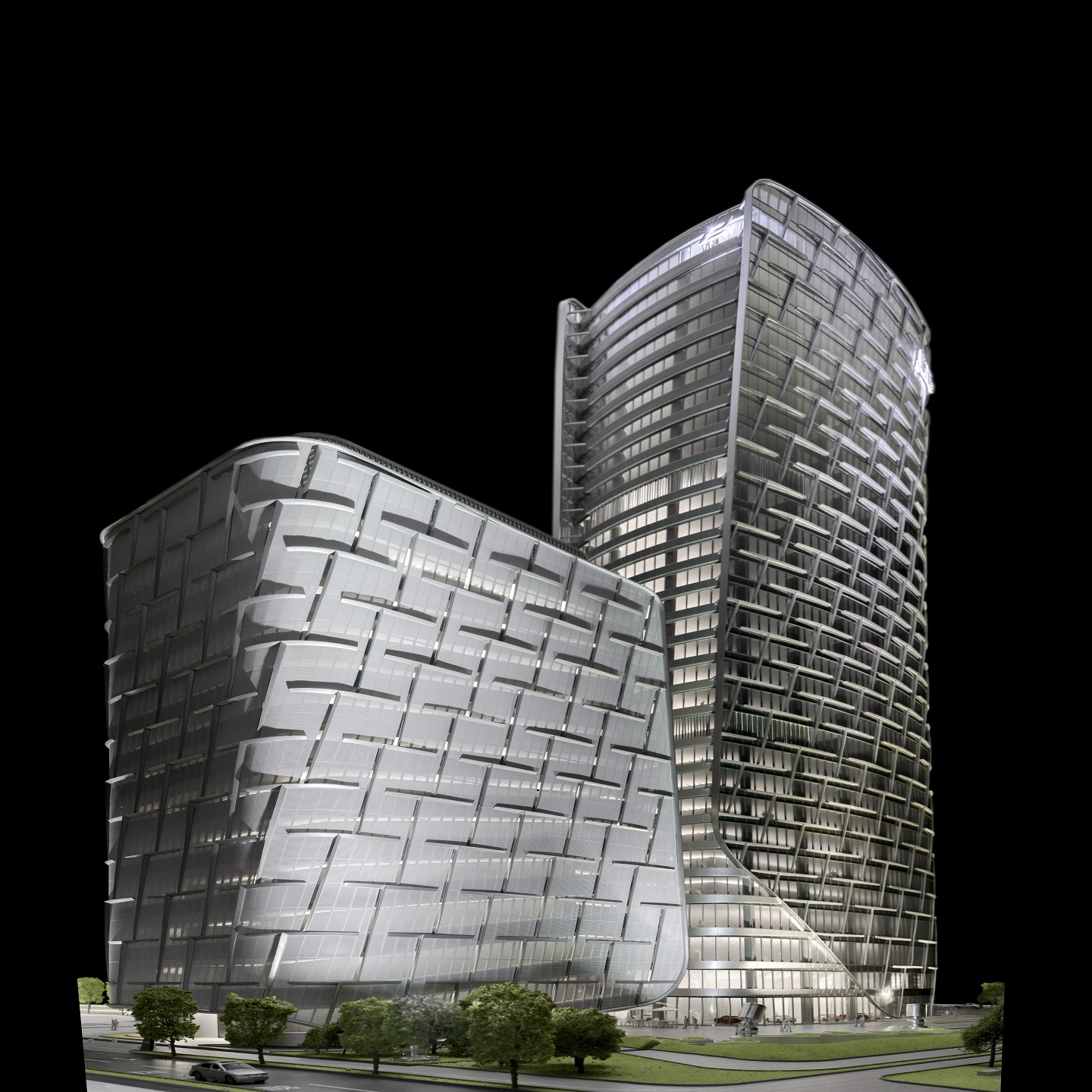
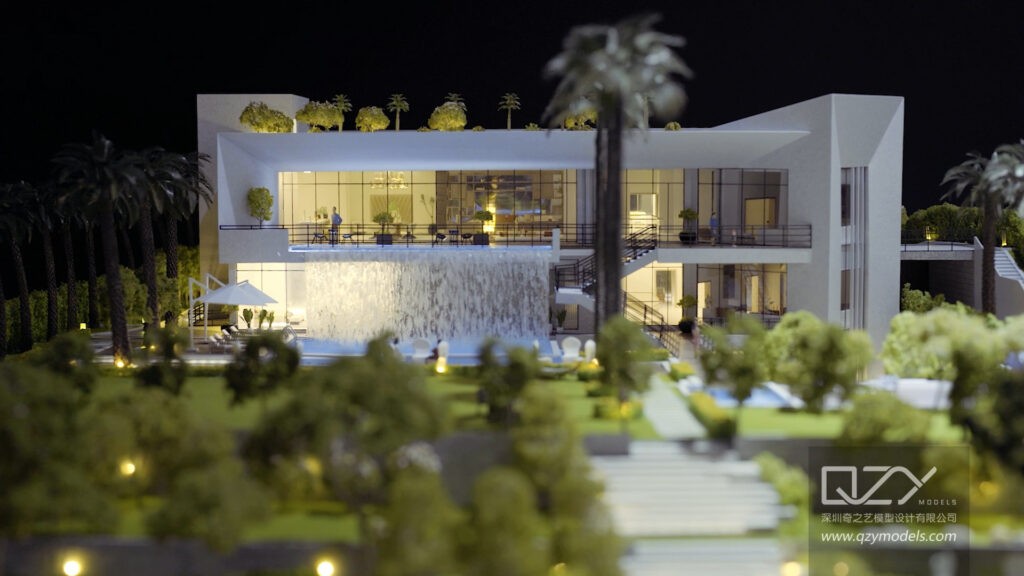
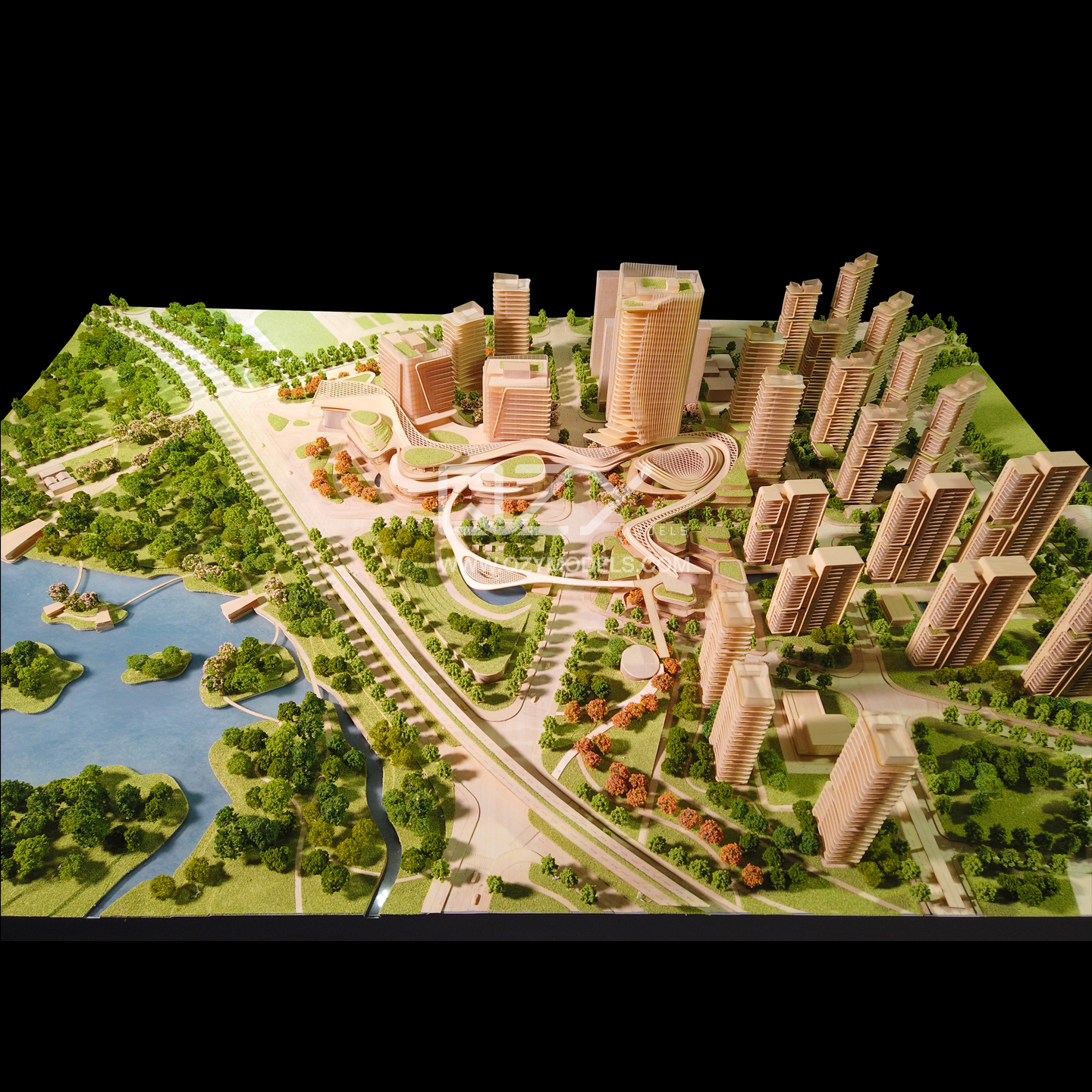
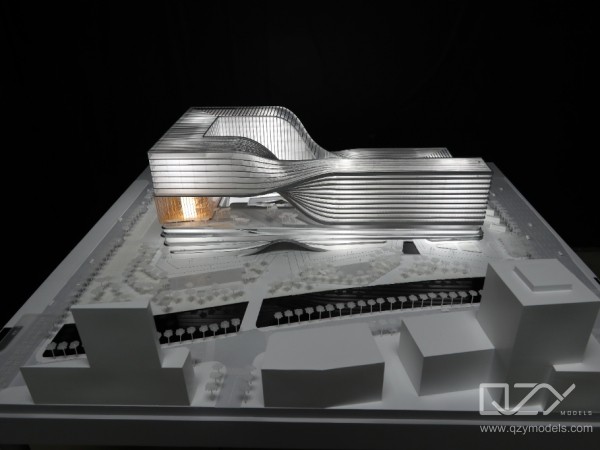
Architectural design increasingly relies on 3D printing to deliver precise, scalable models that accelerate project timelines and reduce costs by up to 60%. QZY Models leads this shift with industrial-grade printers and hybrid techniques, enabling architects worldwide to visualize complex structures with 0.05mm accuracy in days rather than weeks.
What Challenges Does the Architectural Modeling Industry Face Today?
The architectural modeling sector grapples with rising demands for rapid prototyping amid global urbanization. Over 70% of architects report delays in physical model production as a key bottleneck, with traditional methods consuming 40% more time on average.
High material waste exacerbates costs, as manual fabrication often discards 30-50% of resources per project. Tight deadlines for client presentations amplify these issues, leaving firms struggling to balance detail and speed.
Why Do Traditional Solutions Fall Short in Modern Architectural Design?
Traditional handcrafting and CNC milling dominate legacy workflows but limit scalability for intricate designs. These methods require 4-6 weeks for a 1:200 scale building model, versus 3-5 days with advanced alternatives, leading to missed opportunities in fast-paced bids.
Labor-intensive post-processing in conventional approaches yields inconsistent finishes, with error rates up to 15% in complex geometries. QZY Models addresses this by integrating 3D printing, cutting revision cycles by 50% through precise digital-to-physical translation.
Moreover, traditional techniques struggle with large-scale urban models, often capping at 1m due to assembly challenges and material fragility.
What Makes QZY Models’ 3D Printing Solution Effective for Architectural Models?
QZY Models, founded in 2013 in Shenzhen, combines SLA and FDM printers with artisanal finishing for models up to 2m+ in scale. Core functions include file optimization for 99% print success, multi-material support like durable nylons and photorealistic resins, and modular assembly for seamless integration.
Their global branches in UAE, Saudi Arabia, and Egypt ensure 40% faster delivery to international clients, handling thousands of projects annually with 0.1mm tolerances. LED integrations and real-material inserts elevate models for exhibitions and approvals.
This end-to-end service supports scales from 1:500 site plans to 1:50 interiors, serving firms like Foster + Partners.
How Do QZY Models’ Solutions Compare to Traditional Methods?
| Aspect | Traditional Methods (Handcraft/CNC) | QZY Models 3D Printing Solution |
|---|---|---|
| Production Time | 4-6 weeks | 3-5 days |
| Accuracy Tolerance | 0.5-1mm | 0.05-0.1mm |
| Material Waste | 30-50% | <5% |
| Cost per Model (1:200 scale) | $5,000-$10,000 | $2,000-$4,000 |
| Scalability for Large Models | Limited to 1m | Up to 2m+ modular |
| Revision Cycles | 2-3 iterations | 1 iteration (99% first-pass) |
What Is the Step-by-Step Process for Using QZY Models’ 3D Printing Service?
-
Submit Design Files: Upload STL or OBJ files via QZY Models’ portal; their team optimizes for printability within 24 hours.
-
Select Materials and Scale: Choose resins for detail or nylons for strength; specify scales like 1:200 with LED options.
-
Print Execution: Industrial SLA/FDM printers produce parts at 0.05mm layers; modular design enables parallel printing.
-
Post-Processing: Automated curing, hand-sanding, acrylic painting, and inserts like glass for realism.
-
Assembly and Quality Check: Glue modules, verify with calipers (0.1mm tolerance), and ship globally with tracking.
-
Delivery and Feedback: Receive exhibition-ready model; iterate if needed with 48-hour turnaround.
Who Benefits Most from QZY Models’ Architectural 3D Printing?
Scenario 1: Architectural Firm Pitch
Problem: Design firm needed a 1:100 skyscraper model for a bid in 7 days.
Traditional: CNC took 3 weeks, exceeded budget by 40%.
QZY Effect: Hybrid 3D print with facade details and LEDs.
Key Benefit: Won $10M contract on first review, 60% faster cycle.
Scenario 2: Real Estate Developer Presentation
Problem: Developer required 1:500 site model for investor meeting.
Traditional: Manual balsa wood warped, 20% scale errors.
QZY Effect: Durable nylon print with terrain textures.
Key Benefit: Secured $50M funding, reduced costs by 45%.
Scenario 3: Urban Planning Exhibition
Problem: Agency needed 2m city model for trade show in 5 days.
Traditional: CNC waste hit 50%, assembly failed.
QZY Effect: Modular SLA panels with real roads and lighting.
Key Benefit: Attracted 10K visitors, increased public approval by 30%.
Scenario 4: Design School Prototype
Problem: University class wanted batch of 1:50 interior models.
Traditional: Handcraft inconsistent, high per-unit cost.
QZY Effect: Batch resin printing with custom finishes.
Key Benefit: Cut prototyping time 70%, enabled 20 student projects under $1K total.
Why Should Architects Adopt 3D Printing Solutions Like QZY Models Now?
Global construction output will hit $15 trillion by 2030, demanding faster visualizations amid labor shortages projected at 20% in skilled modeling. QZY Models positions firms ahead with scalable, precise outputs that integrate into BIM workflows.
As regulations push sustainable practices, 3D printing’s minimal waste aligns perfectly, future-proofing operations for AI-driven designs and mega-projects.
Frequently Asked Questions
How accurate are QZY Models’ 3D printed architectural models?
They achieve 0.05-0.1mm tolerances using SLA printers, verified with calipers for every project.
What materials does QZY Models use for durable models?
Options include high-strength nylons, photorealistic resins, and hybrids with glass/metal inserts.
Can QZY Models handle international shipping for urgent projects?
Yes, branches in UAE, Saudi Arabia, and Egypt enable DHL delivery in 3-7 days worldwide.
Is QZY Models suitable for educational or batch prototyping?
Absolutely, they produce cost-effective batches for schools, reducing per-model costs by 50%.
When should architects choose QZY Models over in-house printing?
For complex scales over 1:100 or exhibition needs, their industrial setup ensures 99% reliability.