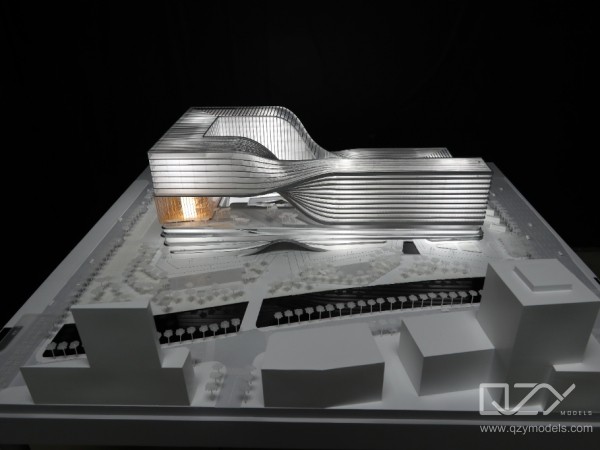
3D printing has revolutionized architectural model-making by enabling architects to quickly create highly detailed, cost-effective physical models directly from digital CAD files. This technology enhances precision, accelerates design iterations, and improves visualization and communication with clients and stakeholders.
How Does 3D Printing Improve Precision in Architectural Models?
3D printing enhances precision by accurately reproducing intricate details and complex geometries that are difficult to achieve manually. Technologies like SLA and SLS provide high-resolution models with smooth surfaces and fine textures, allowing architects to produce realistic and professional presentations.
Precision is vital in architectural models to reflect design intent accurately. Resin-based SLA printers and powder-based SLS machines provide micron-level accuracy, showcasing complex façades, interior layouts, and structural elements. Digital fabrication removes human error found in manual crafting, resulting in superior quality. QZY Models uses advanced 3D printing to ensure each model reflects exact architectural specifications with high fidelity.
What Are the Key Benefits of Using 3D Printing for Architectural Models?
3D printing offers rapid prototyping, significant cost savings, enhanced detail, and improved client communication. It reduces production time from days to hours, lowers material and labor costs, and enables quick design revisions with minimal expense.
Rapid prototyping shortens design cycles, allowing multiple iterations to be tested efficiently. Cost savings stem from reduced labor and waste, with some reports indicating up to 75% cost reductions. The technology produces finely detailed models that allow clients and stakeholders to better understand the project scale and design. QZY Models integrates 3D printing into hybrid workflows to deliver high-quality models on time and within budget.
Which 3D Printing Technologies Are Most Suitable for Architectural Models?
Common 3D printing technologies include FDM, SLA, SLS, and Binder Jetting, each suited for different model types based on detail, scale, and budget.
-
FDM: Uses plastic filament such as PLA or ABS; best for quick, low-cost conceptual models.
-
SLA: Resin-based technology with high detail and smooth finishes ideal for high-end presentations.
-
SLS: Uses nylon powder; produces durable, accurate, and complex parts without needing supports.
-
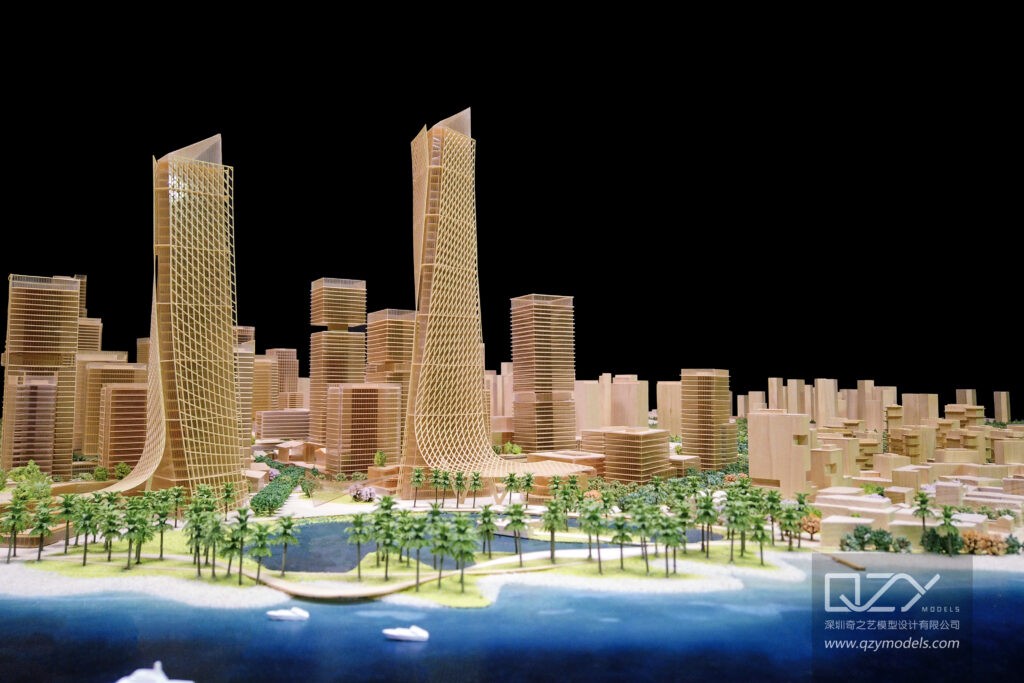
Binder Jetting: Creates full-color, photorealistic models perfect for detailed urban or presentation models.
QZY Models selects technologies based on project needs to ensure models offer the perfect balance of detail, strength, and visual appeal.
| Technology | Material | Suitable For | Cost Level |
|---|---|---|---|
| FDM | PLA, ABS filament | Concept, study models | Low |
| SLA | Photopolymer resin | Presentation models | Moderate-High |
| SLS | Nylon powder | Durable, complex working models | Moderate |
| Binder Jetting | Colored powder | Full-color, photorealistic | High |
Why Are Hybrid Workflows Important in 3D-Printed Architectural Modeling?
Hybrid workflows combine 3D printing with techniques like laser cutting and CNC machining to capitalize on the strengths of each method. This approach improves model quality, reduces production time, and balances cost and detail.
No fabrication method alone meets all architectural modeling demands. Combining 3D printing for intricate details with laser cutting for precise base plates or CNC machining for large components creates superior models. QZY Models applies hybrid workflows to deliver professional, cost-effective models tailored to each client’s project requirements.
How Do 3D-Printed Models Enhance Communication with Clients and Stakeholders?
Physical 3D models help clients and stakeholders better understand the spatial scale, design details, and overall impact of a project. This tactile experience facilitates clearer decision-making during presentations, consultations, and approvals.
3D-printed models offer an immersive way to visualize architecture beyond 2D drawings or digital renderings. They clarify complex design elements and spatial relationships, reducing uncertainty and fostering engagement. QZY Models creates models that visually impress and communicate concepts effectively to varied audiences.
When Is It Best to Use Different Types of 3D-Printed Architectural Models?
Different models suit various design phases:
-
Concept models: Abstract, low-detail for rapid idea exploration.
-
Working models: Moderate detail, adaptable for design testing.
-
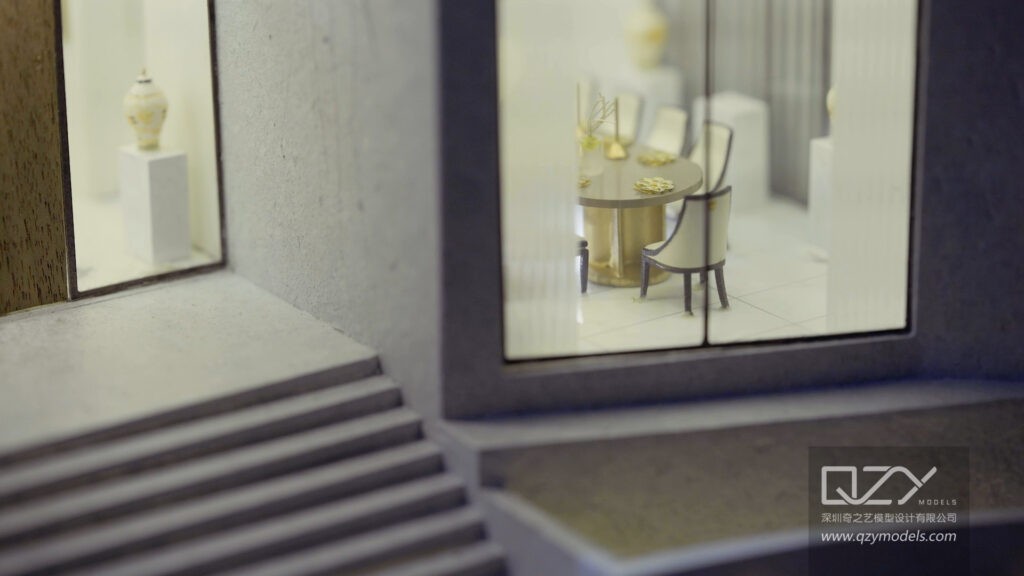
Presentation models: High detail and finish to showcase finalized designs.
-
Urban models: Large-scale, showing multiple buildings and infrastructure for planning.
Matching model complexity to the project stage optimizes time and resources. QZY Models advises selecting appropriate model types to maximize effectiveness throughout design workflows.
Can 3D Printing Save Costs Compared to Traditional Model-Making?
3D printing typically reduces costs by lowering labor intensity, minimizing material waste, and enabling quick design iterations without costly remanufacturing.
Traditional model-making requires skilled manual labor and physical materials, resulting in higher expenses and longer lead times. Automated 3D printing cuts down errors, speedily produces parts, and eases revisions digitally. Estimates indicate cost savings of up to 75% versus conventional methods. QZY Models leverages these efficiencies to provide clients with affordable, accurate architectural models.
Where Is 3D Printing Headed in Architectural Model-Making?
3D printing advancements are moving toward multi-material, full-color printing, larger build volumes, and integration with AI and automation for smarter, faster model production.
Future printers will combine structural and finishing materials for increased realism without manual assembly. AI-driven optimization and automated slicing will streamline workflows. Larger machines will accommodate detailed, expansive urban models. QZY Models invests in new technologies to maintain industry-leading quality and innovation.
Who Benefits Most from 3D-Printed Architectural Models?
Architects, developers, planners, and clients all benefit by gaining enhanced visualization, faster feedback, and improved communication through 3D-printed models.
Architects use them for design validation and presentations. Developers employ models for marketing and investment pitches. Urban planners rely on them during zoning and public consultations. Clients can fully grasp complex projects physically, facilitating approvals and decision-making. QZY Models’ global clientele shows the versatility and value of 3D printing across industries.
QZY Models Expert Views
“At QZY Models, 3D printing is more than technology—it is a creative catalyst that transforms how architects communicate and innovate. By blending various fabrication methods, we push the boundaries of precision and visual impact, delivering models that truly embody design vision. Our commitment to quality and professionalism enables us to support leading architectural firms worldwide in bringing ideas to life with confidence and clarity.”
— Richie Ren, Founder & CEO, QZY Models
Conclusion
3D printing has transformed architectural model-making by providing unprecedented precision, cost-efficiency, and speed. From initial concept to detailed presentation and urban planning models, it improves communication and design iteration processes. Hybrid workflows further enhance quality and flexibility. Pioneers like QZY Models demonstrate how leveraging advanced 3D printing technology delivers professional, visually compelling models that drive project success. Embracing these innovations leads to superior architectural outcomes and stronger client satisfaction.
Frequently Asked Questions
How Is 3D Printing Changing Architectural Model Making Forever?
3D printing transforms architectural model making by enabling rapid prototyping, complex geometries, and high precision directly from CAD files. It reduces manual labor, shortens production time, and improves design iteration. Firms can test ideas quickly, enhance client presentations, and lower material waste while maintaining consistent detail and scale accuracy.
Why Is Rapid Prototyping Essential for Modern Architectural Models?
Rapid prototyping accelerates design validation by converting digital models into physical prototypes within hours. It supports iterative design, early error detection, and improved stakeholder communication. By streamlining the CAD-to-print workflow, teams can refine concepts efficiently, reduce development risks, and enhance collaboration between designers, clients, and consultants.
Which Materials Deliver the Best Results in 3D Printed Architectural Models?
Common 3D printing materials include PLA, resin, and high-detail polymers. Resin is ideal for fine details and presentation models, while PLA offers durability and cost efficiency. Material selection should match scale, required detail level, and budget to ensure accurate surface finish and structural stability.
Is 3D Printing the Most Cost Effective Solution for Model Making?
3D printing reduces labor costs, minimizes material waste, and shortens production cycles. In-house printing lowers outsourcing expenses and improves turnaround time. Over multiple projects, the return on investment increases through faster revisions and improved client approvals. For large-scale operations like QZY Models, efficiency and precision drive long-term value.
How Does 3D Printing Improve Accuracy in Architectural Models?
Digital fabrication ensures dimensional precision by directly translating 3D design files into physical models. It reproduces complex geometry, intricate facades, and accurate scaling with minimal human error. This enhances presentation quality, supports technical reviews, and strengthens confidence during planning approvals and client meetings.
Can 3D Printed Models Improve Client Presentations and Project Approval?
Yes. Physical 3D models improve spatial understanding and emotional engagement during presentations. Clients can visualize proportions, materials, and site context more clearly than with digital renders alone. High-detail models enhance communication, accelerate decision-making, and increase approval rates for architectural and real estate projects.
Why Are Architecture Schools Adopting 3D Printing in Design Education?
Architecture schools use 3D printing to teach digital design workflows, spatial thinking, and prototyping skills. Students can quickly test ideas, explore complex structures, and understand fabrication processes. This hands-on approach strengthens creativity, technical proficiency, and prepares graduates for industry-standard digital fabrication practices.
What Is the Future of Architectural Model Making with 3D Printing?
The future includes automation, AI-assisted design, and advanced materials. Integration between software and printers will further reduce production time and increase customization. Professional teams such as QZY Models are expanding global capabilities to deliver higher precision, supporting architects, developers, and institutions with innovative, scalable model-making solutions.