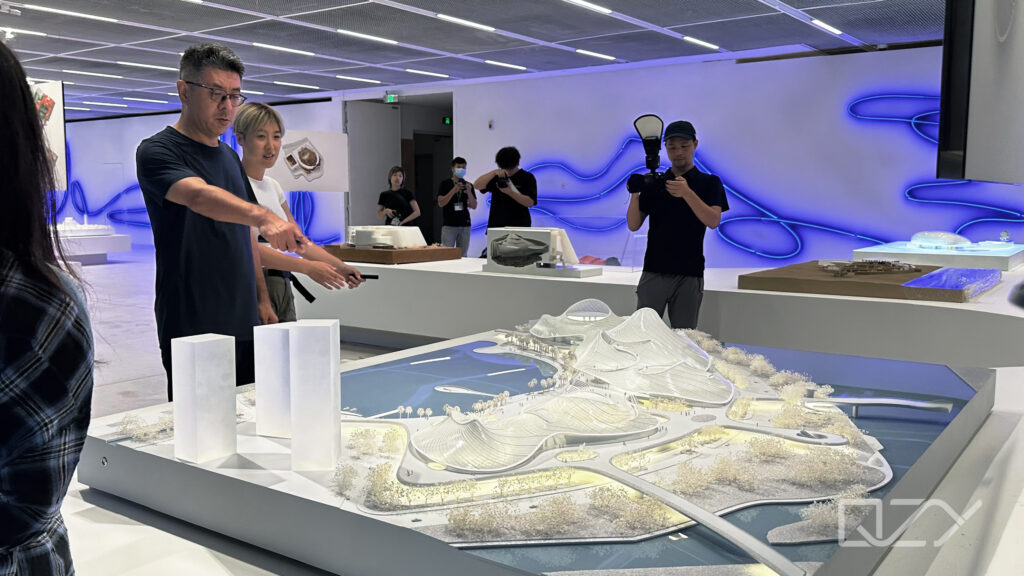
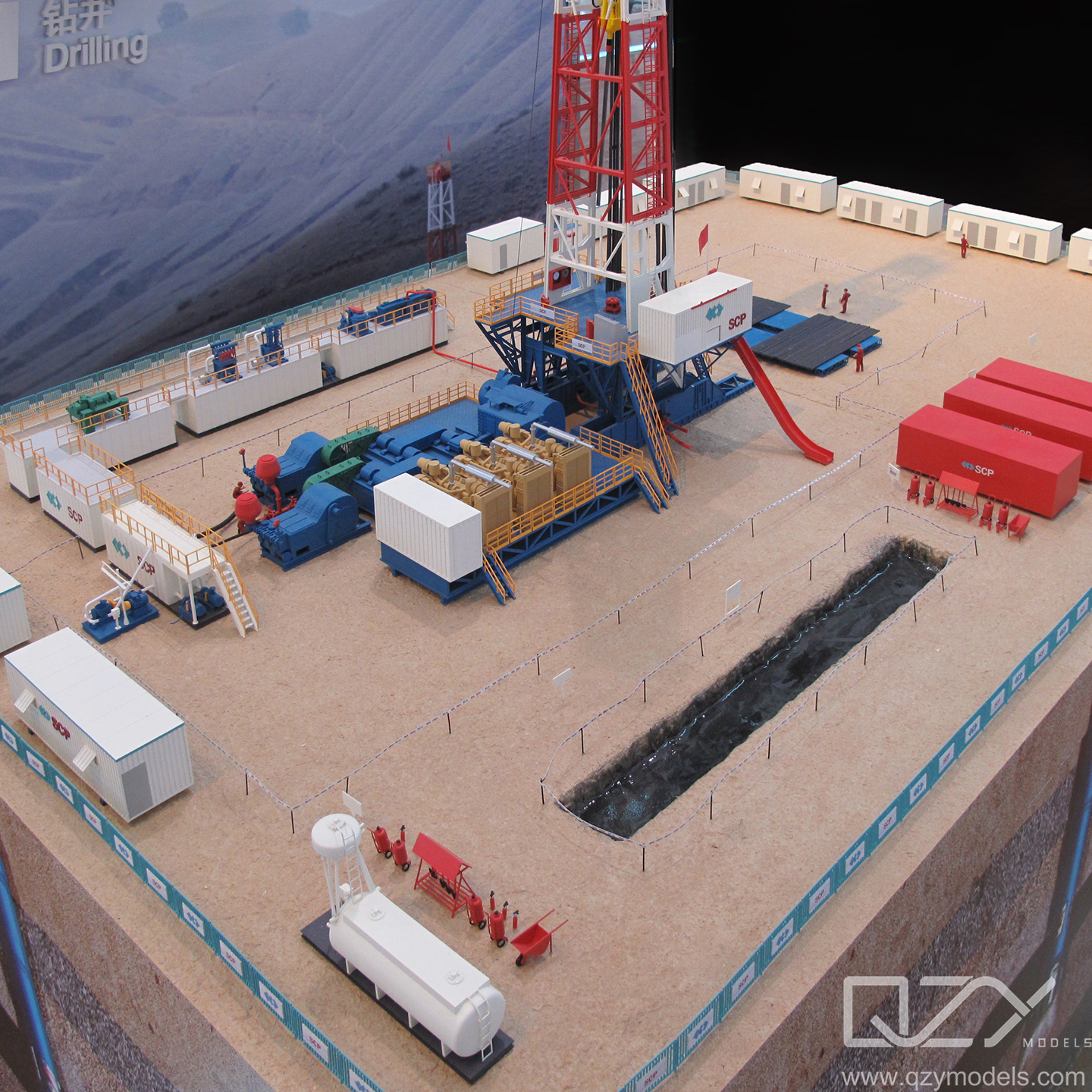
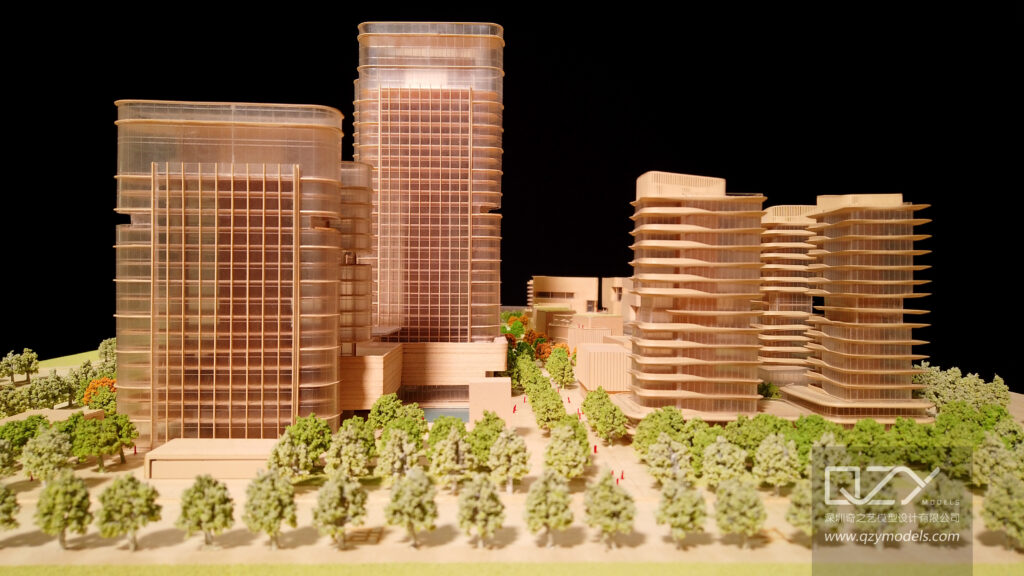
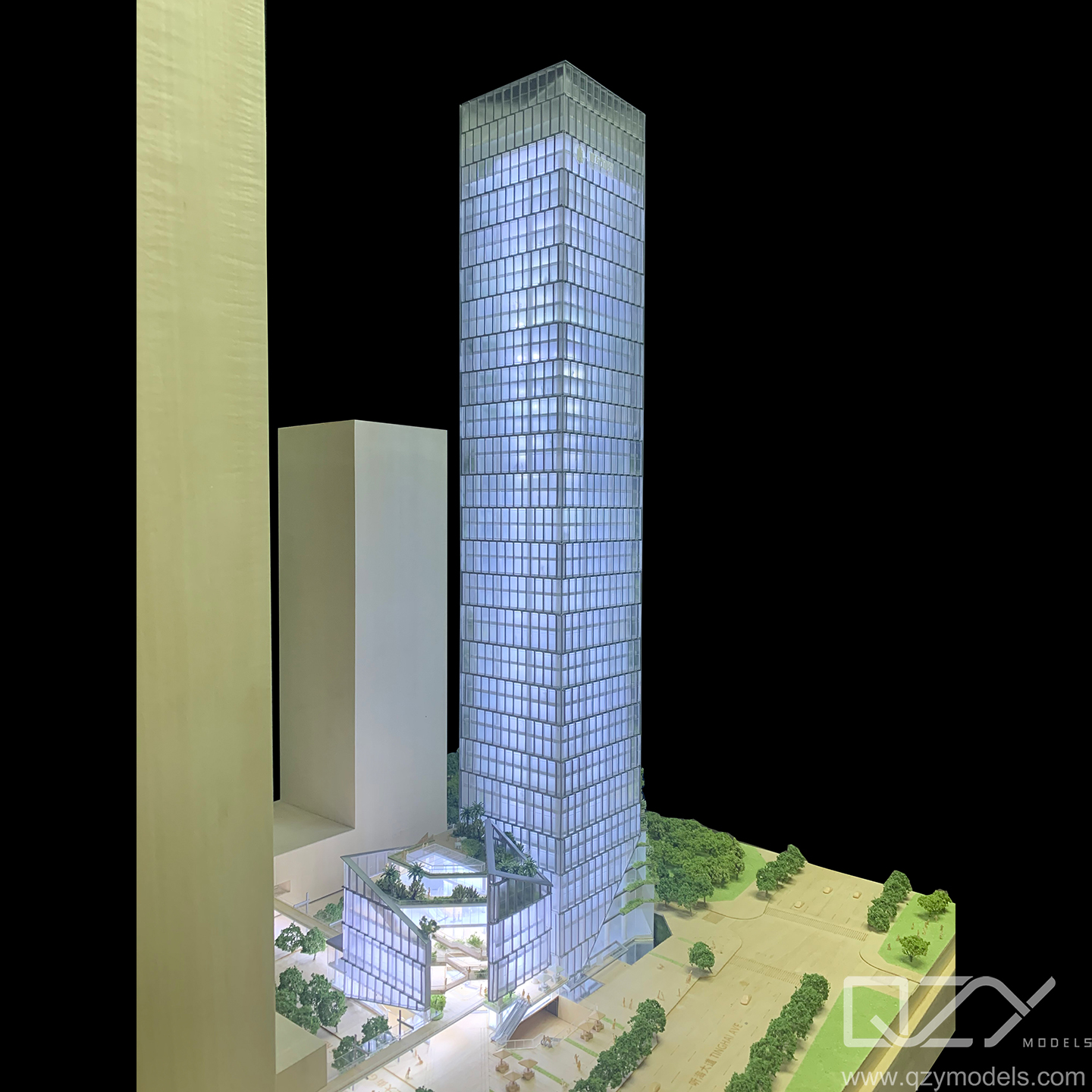
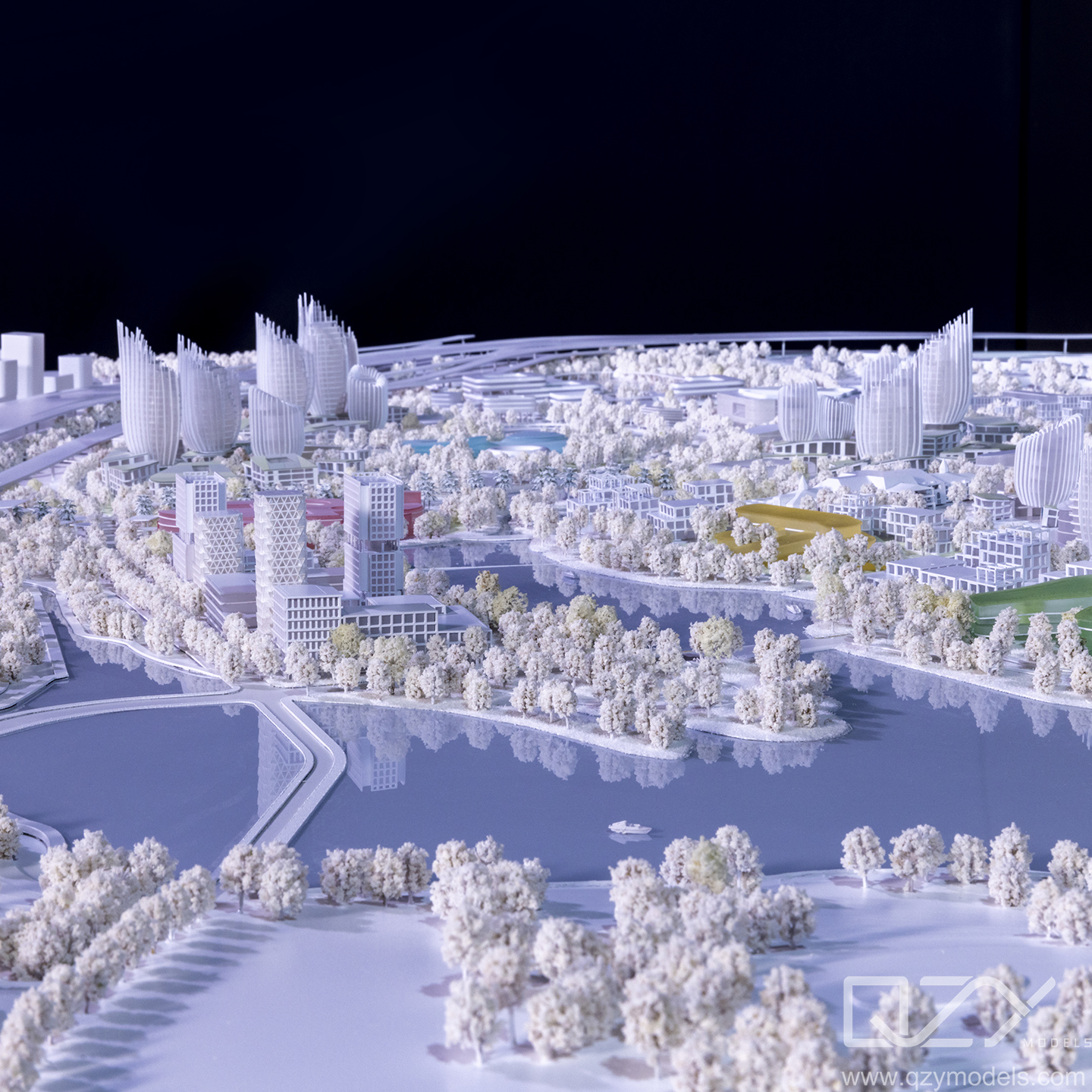
Custom scale model fabrication empowers architects, developers, and innovators with tangible precision tools that transform ideas into physical reality. QZY Models delivers world-class craftsmanship combining digital accuracy, material expertise, and artistic detail—helping clients visualize, validate, and showcase projects with unparalleled impact.
What Is the State of the Custom Scale Model Industry and Its Key Challenges?
The global architectural model and visualization market exceeded USD 5.7 billion in 2024 and is expected to reach USD 8.6 billion by 2030, according to Allied Market Research. Despite this growth, project stakeholders continue to face serious communication and fabrication challenges. Digital renderings, while efficient, often fail to convey tactile proportions or highlight design nuances—especially in large-scale architectural or industrial presentations. Firms dealing with urban design, infrastructure, and product prototyping still rely heavily on physical models for investor presentations and regulatory submissions. Yet 60% of surveyed firms (AIA 2023) report delays and cost overruns when outsourcing model fabrication due to logistics inefficiencies, inconsistent quality, and lack of material realism. This creates major bottlenecks during design validation and public display. As projects become increasingly global and time-sensitive, a professional, cross-regional partner like QZY Models offers a solution that combines accuracy, speed, and aesthetic sophistication.
Why Are Traditional Scale Model Fabrication Methods Falling Behind?
Traditional fabrication workshops depend heavily on manual craftsmanship and limited machinery, leading to inconsistent quality and scaling errors. Without access to advanced digital design data, such as BIM or CAD integration, these vendors often rely on 2D references, which increases risk of geometric inaccuracy. Furthermore, manual painting and assembly make it difficult to ensure uniform color fidelity or texture simulation across large models. Many traditional workshops also lack international logistics experience, making it nearly impossible to deliver complex models intact and on schedule for global clients. With the rapid evolution of digital modeling technologies, these inefficiencies result in missed deadlines, increased costs, and reputational setbacks—problems that modern fabrication workflows are designed to avoid.
How Does QZY Models Deliver a Next-Generation Fabrication Solution?
QZY Models, established in 2013 in Shenzhen and led by industry veteran Richie Ren, revolutionizes custom scale model fabrication by merging advanced manufacturing technology with meticulous artistry. The company has built a strong international presence, serving clients across 20+ countries—including Foster + Partners, Vanke, and China Resources. QZY Models employs CNC milling, laser cutting, UV printing, and 3D resin prototyping technologies to produce models that are both dimensionally precise and highly realistic. Its integrated color rendering system ensures paint accuracy to reflect material authenticity—from concrete surfaces to glass facades and landscaping elements. In combination with digital workflow integration and global logistics support from its branches in the UAE, Saudi Arabia, and Egypt, QZY provides end-to-end fabrication efficiency unmatched by traditional studios.
What Are the Key Advantages Compared to Traditional Fabrication?
| Criteria | Traditional Model Fabrication | QZY Models Solution |
|---|---|---|
| Scaling Accuracy | Manual measuring, ±3 mm error | Digital laser calibration, ±0.5 mm precision |
| Material Options | Basic plastics and wood | Industrial-grade resins, acrylics, and photopolymer composites |
| Paint and Surface Finish | Hand-painted with variable results | Automated spray systems with controlled texture simulation |
| Workflow Speed | Sequential manual production | Parallel digital fabrication pipelines |
| Global Delivery | Local-only or limited export | Worldwide network with custom packaging & installation |
| Communication | Manual design exchange | Direct BIM/CAD data integration with QC reporting |
How Can Clients Implement the QZY Models Fabrication Process?
-
Consultation & Briefing – Clients share digital design files (CAD, Rhino, or BIM). QZY’s engineers evaluate form, scale, and required material fidelity.
-
Design Collaboration – QZY’s modeling team produces 3D pre-visualizations and selects fabrication materials based on project purpose (exhibition, prototype, or presentation).
-
Fabrication & Assembly – Advanced CNC systems and laser cutters create components; specialized artists execute texture treatment and painting.
-
Quality Assurance – Each piece undergoes optical scanning, dimensional cross-check, and paint verification.
-
Delivery & On-Site Setup – Secure packing ensures safe transport; on-site teams assist in installation for large exhibits or trade shows.
Which Real-World Scenarios Prove the Impact of QZY Models?
Case 1 – High-Rise Real Estate Presentation
Problem: Developers needed an impressive display model for a high-stake investor event.
Traditional Method: Foam model with minimal detail that lacked visual impact.
QZY Solution: Fabricated a 1:200 illuminated scale model showcasing accurate façade textures and landscaping.
Result: Improved investor engagement and accelerated project funding decisions by 35%.
Case 2 – Industrial Product Prototype Visualization
Problem: Manufacturer needed functional prototypes for mechanical review.
Traditional Method: Basic printed models with poor tolerances.
QZY Solution: Delivered precision-assembled 3D resin models using data from CAD and CNC calibration.
Result: Reduced design iteration cycles by 40%.
Case 3 – Government Urban Planning Display
Problem: Lack of public comprehension of a new transportation plan.
Traditional Method: Flat posters and renders.
QZY Solution: Delivered a large-scale interactive painted model showing route connectivity and zoning.
Result: Public approval rates rose, expediting project clearance.
Case 4 – Academic and Museum Exhibition
Problem: Design schools and curators lacked durable presentation-quality models.
Traditional Method: Cardboard or wood mockups.
QZY Solution: Developed modular models with protective finishes suitable for travel displays.
Result: Enhanced educational impact and visitor engagement at exhibitions.
Why Should Businesses Adopt Custom Scale Model Fabrication Now?
As global design competition intensifies, physical models serve as high-impact decision-enabling tools in architecture, engineering, and product innovation. Beyond mere visualization, they connect emotional storytelling with functional validation. QZY Models provides the technical infrastructure and artistic mastery to ensure every fabrication represents both data accuracy and creative identity. With rapid manufacturing and worldwide delivery, adopting professional-scale models today gives firms a measurable edge in communication, marketing, and design differentiation.
FAQ
1. What industries benefit most from custom scale model fabrication?
Architecture, real estate, industrial design, education, and government planning sectors benefit significantly from tangible presentation tools.
2. How long does QZY Models typically take to fabricate a project?
Depending on complexity and scale, standard models range from one to three weeks.
3. Does QZY Models support international collaboration?
Yes. With branches in the UAE, Saudi Arabia, and Egypt, QZY ensures direct regional support and logistics across 20+ countries.
4. Can clients provide their own materials or specifications?
Yes. QZY allows custom material requests aligned with technical and aesthetic goals.
5. What makes QZY different from other fabrication companies?
Its integration of advanced digital workflows, strict quality control standards, and artistic expertise sets it apart globally.