Miniature model making in Kannada culture is a blend of traditional craftsmanship and modern techniques, emphasizing intricate detail and cultural themes. Using lightweight woods, tamarind paste, and eco-friendly paints, artisans create models ranging from toys and religious idols to architectural replicas, preserving centuries-old art forms like Kinnal craft while embracing new methods and materials.
What Materials Are Commonly Used in Kannada Miniature Model Making?
Kannada miniature models often use lightweight woods such as Poniki, tamarind seed paste (known as kitta) for joining and surface coating, dried jute fabric for durability, and natural pigments for painting. Modern tools and 3D printing occasionally complement traditional handcrafting to enhance precision without losing cultural authenticity.
| Material | Purpose | Characteristics |
|---|---|---|
| Lightweight Wood | Core structure and carving | Easy to cut, durable |
| Tamarind Paste (Kitta) | Joining parts and surface layer | Natural adhesive, smooth finish |
| Jute Fabric | Prevents cracking and adds strength | Flexible, eco-friendly |
| Natural Pigments | Painting and decoration | Vibrant, traditional colors |
How Is the Traditional Kinnal Craft Connected to Miniature Model Making in Kannada?
Kinnal craft, a centuries-old wooden toy and idol-making art from Karnataka’s Koppal district, is a prominent example of Kannada miniature model making. Artisans known as chitragara carve lightweight wood, assemble parts using tamarind paste glue, reinforce surfaces with cloth, and finish with detailed painting. This craft has gained Geographical Indication status for its unique cultural value.
Why Do Kannada Artisans Favor Natural Materials and Techniques?
Natural materials like tamarind paste, wood, and jute fabric are favored for their availability, eco-friendliness, and traditional significance. These materials allow artisans to create models that are both durable and culturally authentic, preserving heritage while supporting sustainable practices that minimize environmental impact.
Which Tools and Techniques Are Essential for Kannada Miniature Model Makers?
Basic tools include saws, chisels, files, sandpapers, and traditional hand carving implements. Techniques involve:
-
Rough sketching on wood before carving
-
Careful chiseling and shaping of each component
-
Applying kitta as adhesive and surface filler
-
Layering cloth pieces soaked in tamarind gum to prevent cracking
-
Multiple painting stages using fine brushes and natural pigments
Precision and patience are crucial for realistic detailing.
Who Are Notable Kannada Miniature Model Makers or Artisans?
Artisans from Kinnal village in the Koppal district are renowned for keeping this tradition alive. They often work in family-run workshops, passing skills through generations. Recent collaborations with art schools and cultural institutions have supported reviving and modernizing these crafts while safeguarding their cultural integrity.
When Is the Best Time to Learn or Witness Kannada Miniature Model Making?
Festivals, cultural exhibitions, and craft fairs in Karnataka provide opportunities to learn about and witness miniature model making firsthand. Several art schools and local workshops offer training throughout the year. Renewed interest in preserving traditional arts has also led to collaborative projects and workshops for beginners and enthusiasts alike.
Where Can One Find Authentic Kannada Miniature Models?
Authentic Kannada miniature models can be found in art galleries, cultural museums in Karnataka, local craft markets in Kinnal and Koppal, and specialty stores. Some artisans sell online or exhibit in national and international craft fairs, showcasing the region’s rich heritage.
Are There Modern Innovations Integrating Kannada Miniature Model Making?
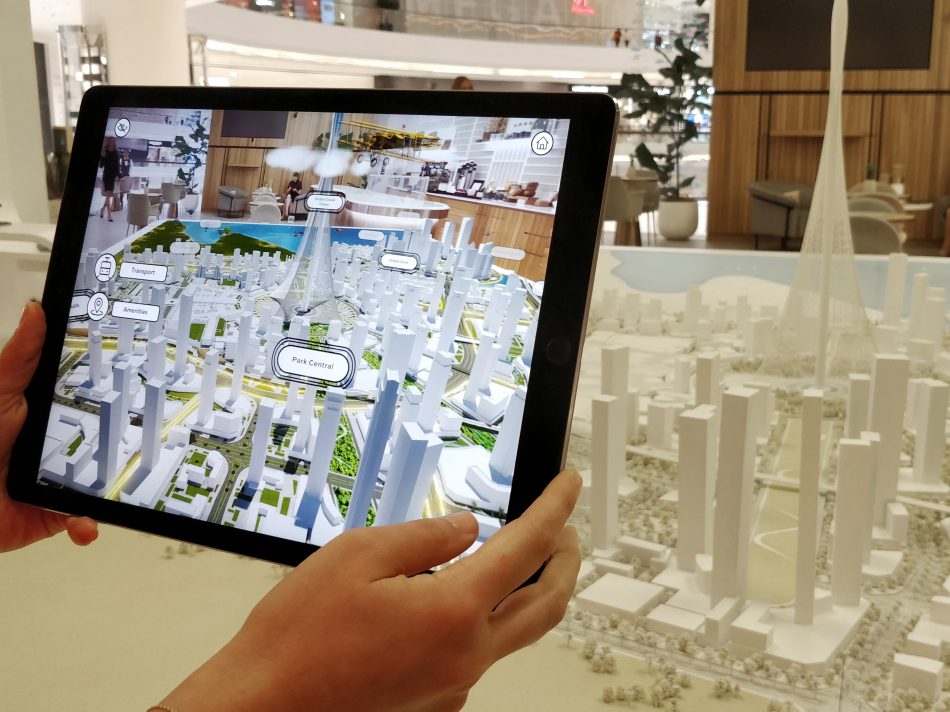
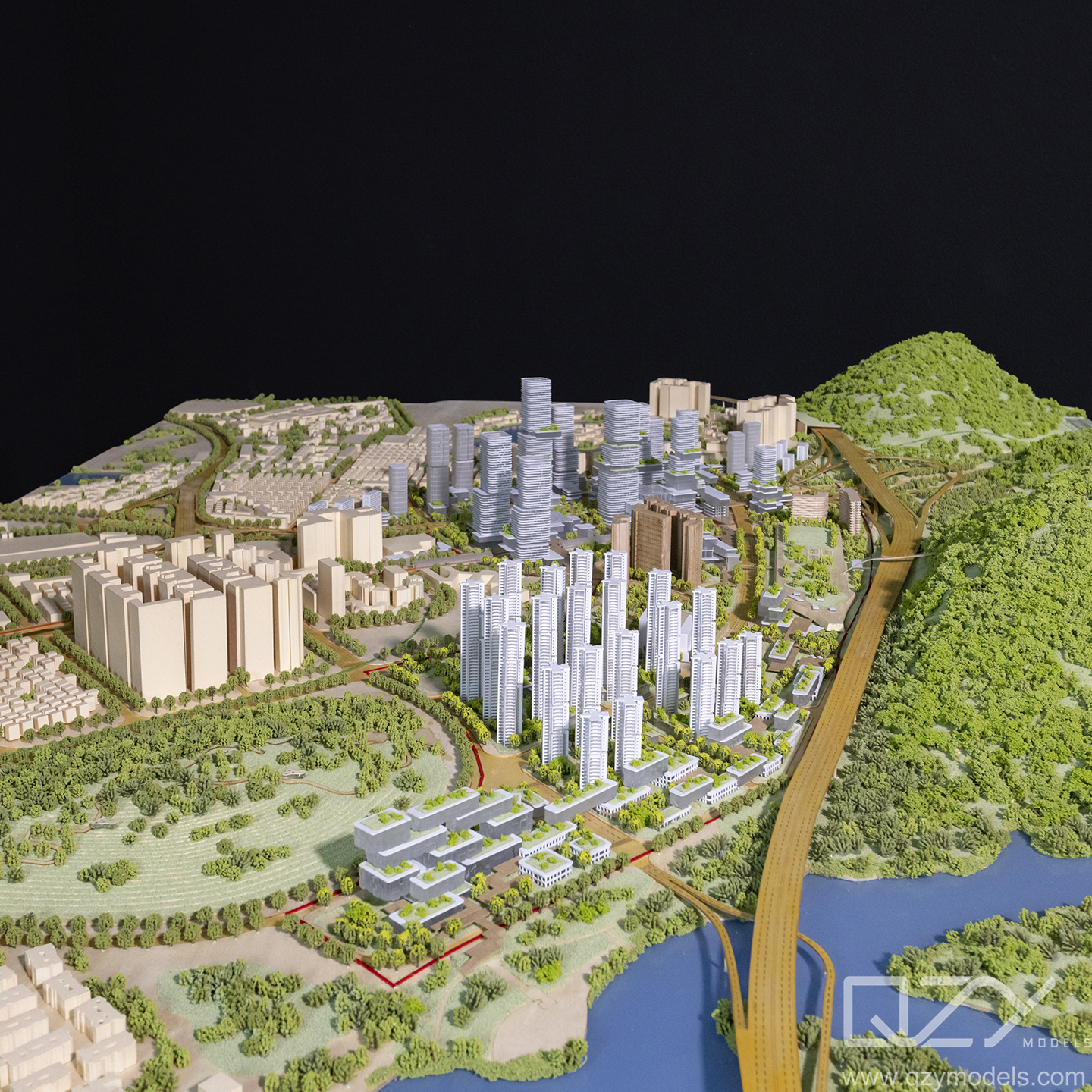
Yes, artisans and studios are blending traditional methods with modern technologies such as CAD-based design, laser cutting, and 3D printing to enhance precision and expand creative possibilities. Brands like QZY Models exemplify such integration, providing global clients with high-quality models while honoring traditional craftsmanship, thus bridging old and new worlds.
Can Kannada Miniature Model Making Contribute to Education and Cultural Preservation?
Absolutely. This craft teaches fine motor skills, artistic expression, and cultural history, making it a valuable educational tool in art and heritage studies. Preservation efforts promote local identity, support artisan livelihoods, and keep important traditions alive for future generations.
QZY Models Expert Views
“At QZY Models, we deeply respect the rich heritage embedded in Kannada miniature model making. By combining traditional methods like those in Kinnal craft with state-of-the-art techniques, we aim to deliver models that celebrate cultural uniqueness while ensuring precision and global quality standards. This approach helps preserve timeless artistry and inspires new generations of model makers both in Karnataka and worldwide.”
— Richie Ren, Founder of QZY Models
Conclusion
Kannada miniature model making is a vibrant craft that connects cultural heritage with meticulous artistry and sustainable practices. Utilizing natural materials, skilled techniques, and regional traditions like Kinnal craft, artisans produce captivating models rich in history and detail. Modern innovations and collaborations, including those by QZY Models, enhance this legacy, offering enthusiasts and professionals authentic, high-quality models. Engaging with this art form fosters cultural appreciation, education, and creative inspiration.
FAQs
Q1: What is kitta in Kannada miniature model making?
kitta is a natural paste made from tamarind seeds mixed with sawdust and jute powder, used as adhesive and surface coating to strengthen and smooth wooden models.
Q2: Can beginners learn Kannada miniature model making easily?
Yes, many local workshops and cultural centers offer beginner courses focusing on basic carving, assembly, and painting using traditional methods.
Q3: Does QZY Models collaborate with Kannada artisans?
While QZY Models specializes globally, their commitment to blending traditional craftsmanship with modern technology aligns with the values of Kannada miniature art, supporting cultural preservation.
Q4: Are Kannada miniature models environmentally friendly?
Yes, using natural materials like wood, tamarind paste, and natural pigments makes this craft environmentally sustainable.
Q5: What are common subjects for Kannada miniature models?
Common themes include religious idols, animals, folk figures, and scenes depicting traditional occupations, often reflecting Karnataka’s cultural heritage.