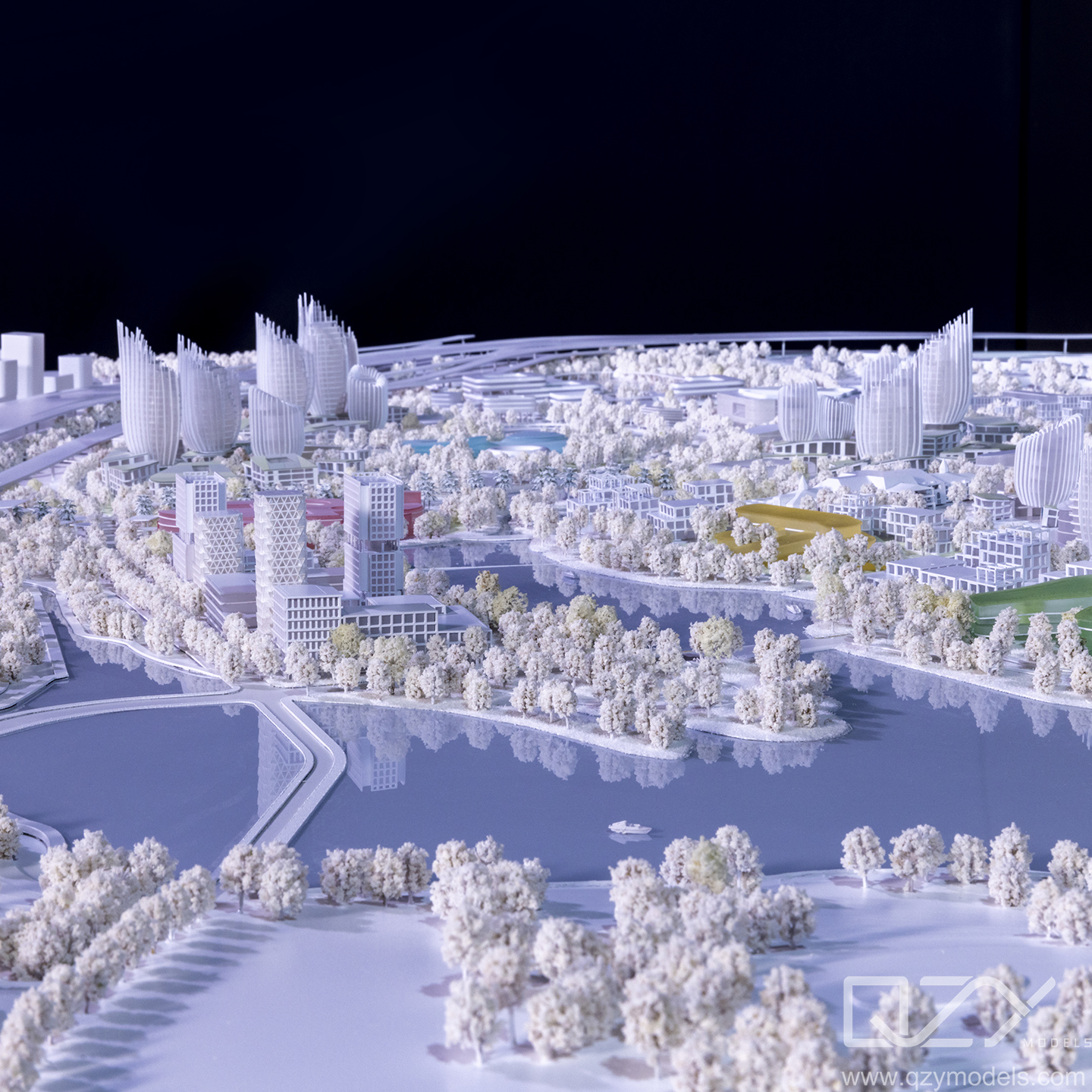
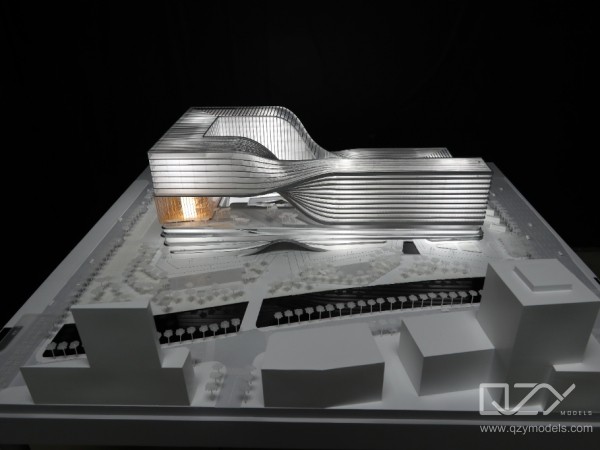
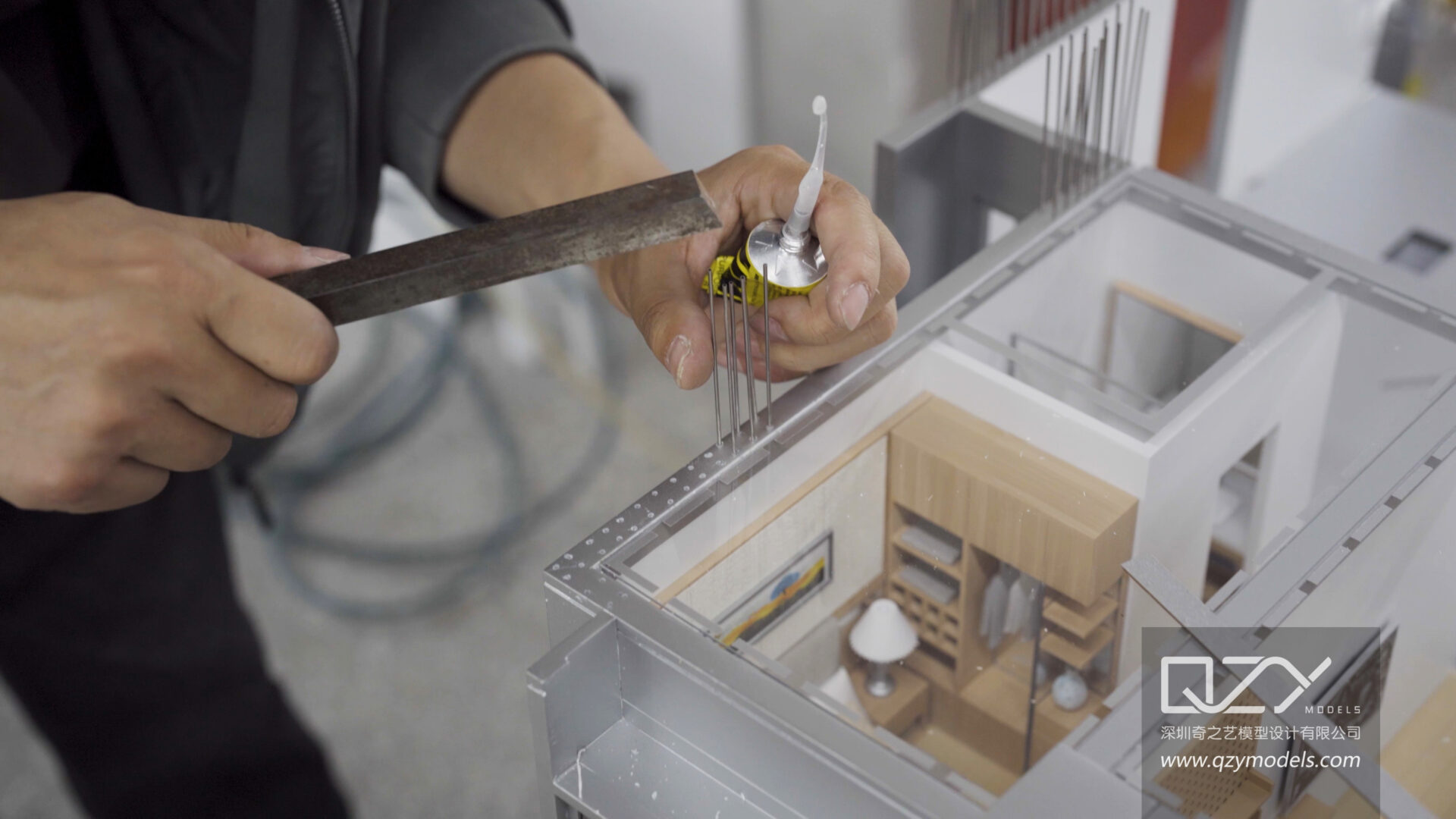
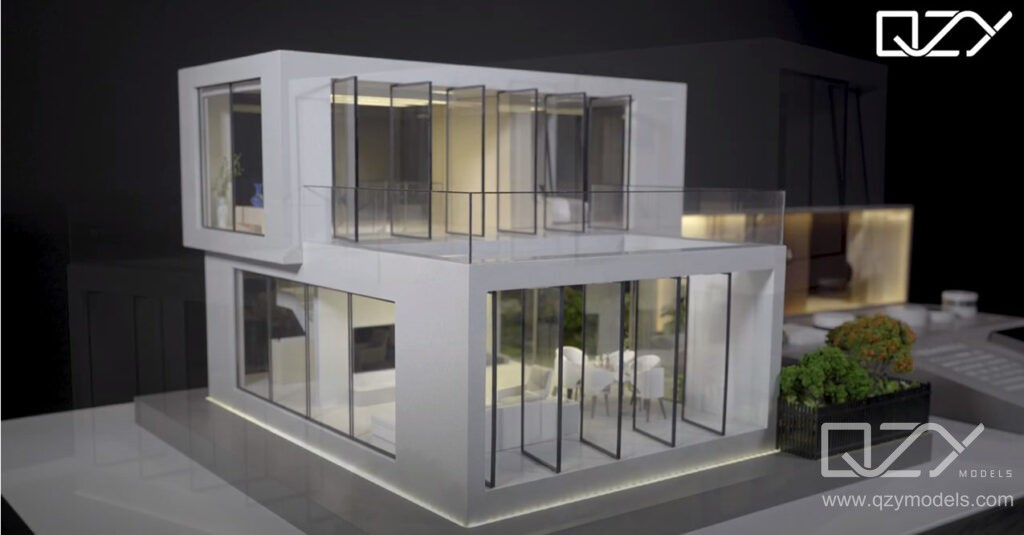
There are ten primary interior design styles that define modern interiors, each influencing product development and manufacturing strategies. Manufacturers, wholesalers, and OEM partners in China need to understand these styles to align product offerings with market demand. QZY Models is a key player in turning these styles into high-quality architectural models that help clients in their presentations, exhibitions, and sales efforts.
How can you categorize interior design styles for manufacturing and wholesale in China?
Interior design styles in China can be categorized into ten main types: classic, modern, minimal, industrial, Scandinavian, mid-century, eclectic, bohemian, coastal, and maximalist. For manufacturers like QZY Models, this categorization drives the selection of materials, finishes, and production techniques. Understanding each style’s specific requirements allows for more accurate and efficient manufacturing of architectural models, especially for OEM clients. The categorization also helps in aligning production with international trends, making it easier to meet the needs of both domestic and overseas clients.
What are the top 10 interior design styles, and how do they influence product development?
-
Classic: This style is marked by rich moldings and symmetry, requiring premium finishes and detailed textures.
-
Modern: Defined by clean lines and neutral palettes, it favors modular components and quick prototyping.
-
Minimal: Focuses on sparse decor, requiring high-precision geometry and refined textures.
-
Industrial: Features exposed materials and utilitarian forms, leading to rugged textures and metal finishes.
-
Scandinavian: Emphasizes light woods and bright interiors, pushing for pale tones and soft curves.
-
Mid-century: This style is known for organic shapes and warm woods, often influencing retro furniture and curved geometries.
-
Eclectic: A mix of textures and eras, requiring versatile joinery and adaptable components.
-
Bohemian: Rich in layered textiles and global motifs, it benefits from customizable surface patterns.
-
Coastal: Features light blues and whites, often with weathered finishes and beach-themed motifs.
-
Maximalist: Bold prints and dense layers, requiring intricate detailing and varied textures.
These styles guide the development of products like furniture models and interior mock-ups, and their influence extends to material selection and surface treatments. For manufacturers such as QZY Models, understanding these styles is essential for creating accurate and market-ready models for a variety of buyers and clients.
Which materials and finishes are typical for each style in a B2B China factory context?
Materials and finishes for each style differ widely, and understanding these distinctions helps streamline production:
-
Classic and Mid-century: Wood veneers, brass accents, and satin finishes are common.
-
Modern and Minimal: High-density resin, matte finishes, and CNC-cut acrylics are preferred.
-
Industrial: Metal textures, powder-coated surfaces, and distressed finishes.
-
Scandinavian: Light wood, matte whites, and soft textile simulations.
-
Eclectic and Bohemian: Mixed textures, layered surfaces, and a wide range of colors.
-
Coastal: Bleached wood, pale blues, and weathered textures.
-
Maximalist: Layered textures, bold prints, and metallic highlights.
At QZY Models, a standardized material kit is used across multiple styles, complemented by style-specific finishes to maintain efficiency while ensuring quality.
Why do global buyers seek these styles from Chinese manufacturers and suppliers?
Global buyers are drawn to Chinese manufacturers like QZY Models for their cost-effective production, reliable quality, and ability to scale production quickly. The competitive pricing, combined with robust supply chains and the ability to customize models to specific design requirements, makes Chinese suppliers a go-to source for OEM projects. Moreover, Chinese manufacturers can produce intricate designs with great detail, enabling quicker decision-making for global buyers, especially in architectural firms and development projects.
Who benefits most from OEM capabilities when delivering interior design models?
OEM capabilities provide significant advantages for:
-
Architectural firms: Accurate, project-scale models are essential for client presentations and approvals.
-
Real estate developers: Offering tangible representations of design concepts for potential investors.
-
Interior design studios: Presenting concept explorations with precision and clarity.
-
Exhibition organizers: Delivering themed displays that showcase diverse interior styles.
-
Educational institutions: Using models for teaching and demonstrations.
OEM manufacturers like QZY Models provide the flexibility to produce customized, high-quality models that meet the specific needs of these clients while maintaining consistency across production batches.
When should a supplier diversify into multiple styles to meet market demands?
Suppliers should consider diversifying when their customer base grows beyond one sector, or when project briefs begin to combine multiple design styles. Expanding into 3–5 broad categories allows suppliers to serve a wider range of clients and reduce production risks. At QZY Models, we assess demand from both domestic and international markets to ensure we are well-positioned to offer diverse interior design styles that meet evolving market trends.
Where do design trends converge with regulatory or space constraints in China?
Design trends often need to accommodate local building codes, space constraints, and transport limitations in China. In urban areas with limited space, lightweight and compact models that can be easily assembled or disassembled are preferred. At QZY Models, we ensure that our models meet these practical needs while adhering to aesthetic trends, ensuring they can be transported, stored, and set up efficiently.
Does a modular approach help Chinese suppliers scale production for interior models?
Yes, modular design is essential for scaling production efficiently. It allows for quicker adjustments in product offerings, reduces tooling costs, and enables faster lead times. By using modular components, suppliers can rapidly customize models based on specific client needs. QZY Models incorporates modular designs for core elements like panels and stands, allowing us to meet a broad range of customer requirements while maintaining production efficiency.
Has AI and digital twin technology changed how manufacturers present interior design styles?
AI and digital twin technology have revolutionized how manufacturers present design styles by enabling quicker material sourcing, color matching, and finish prediction. Digital twins allow for interactive previews that reduce the need for revisions. At QZY Models, these technologies are integrated into our workflow, ensuring that we provide accurate previews to clients and improve the overall speed of approval for architectural models.
Are traditional and contemporary styles converging in wholesale catalogs?
Yes, traditional and contemporary styles are increasingly blending, creating hybrid designs that appeal to a broad range of buyers. Traditional motifs are being reinterpreted with modern lines, offering a fresh take on classic aesthetics. At QZY Models, we blend classic detailing with modern design elements to cater to a diverse client base, both in China and internationally.
Is a value-focused strategy delivered by QZY Models aligned with these styles?
Absolutely. By offering competitive pricing, precise craftsmanship, and scalable production capabilities across a range of interior design styles, QZY Models ensures that our products deliver long-term value for OEM partners. This strategy enables us to build strong relationships with global distributors, architectural firms, and developers, positioning us as a trusted partner in the industry.
Can you leverage these styles to win export contracts?
Yes, leveraging popular interior design styles is a key strategy for winning export contracts. By tailoring offerings to meet the specific aesthetic preferences of target markets like Europe, the Middle East, and Southeast Asia, manufacturers like QZY Models can position themselves as preferred suppliers. With an emphasis on quality and speed, QZY Models helps clients navigate international markets with ease.
QZY Models Expert Views
“From Shenzhen to global studios, QZY Models combines precision with adaptability. Our team translates design intent into scalable physical models that win bids and close deals, while maintaining cost discipline for OEM partners.” — Richie Ren, Founder
With 2 Tables to support
Table 1. Style–Finish Pairings for OEM Production
| Style | Typical Finish | Key Materials |
|---|---|---|
| Classic | Satin wood, brass accents | Wood veneers, metal trims |
| Modern | Matte resin, acrylics | Resin, acrylic, aluminum |
Table 2. Modular Model Components for Speed
| Component | Benefit | Use Case |
|---|---|---|
| Panels | Fast assembly, reuse across styles | Exhibition booths, client presentations |
| Bases | Stable, lightweight transport | Trade shows, site visits |
Conclusion
Manufacturers like QZY Models can effectively meet the needs of global buyers by offering high-quality, customizable models across a range of interior design styles. By embracing modular production techniques, AI tools, and strategic diversification, QZY Models is able to serve clients in China and abroad, helping them accelerate their project timelines and win business in competitive markets.
FAQs
-
How many interior design styles dominate modern interiors? Ten major styles drive most modern interior presentations for OEM projects.
-
What materials are common in interior design models for China factories? Wood veneers, resins, acrylics, metal finishes, and composite panels are typical.
-
Why is modular design important for Chinese suppliers? It speeds production, reduces tooling, and enables rapid customization for multiple clients.
-
Who benefits most from OEM model production in China? Architectural firms, real estate developers, interior studios, and distributors.
-
Can AI improve model previews for buyers? Yes, AI and digital twins enhance previews, speeding approvals and export readiness.