Discover how architectural scale models are used in airport terminals, railway stations, ports, and infrastructure projects. Learn why governments, engineers, and developers trust physical models to communicate complex projects.
How Scale Models Are Used in Airport and Infrastructure Projects
Large infrastructure developments are among the most challenging projects ever built.
Whether it is an international airport, a high-speed railway station, a metro system, a seaport, or an urban transport hub, these projects involve billions of dollars in investment, years of planning, and hundreds of consultants working together.
Explaining these developments to governments, investors, contractors, and the public is not easy.
Engineering drawings and BIM models provide technical information, but they rarely communicate the overall vision to non-technical audiences.
This is why physical architectural scale models remain an essential communication tool throughout the lifecycle of major infrastructure projects.
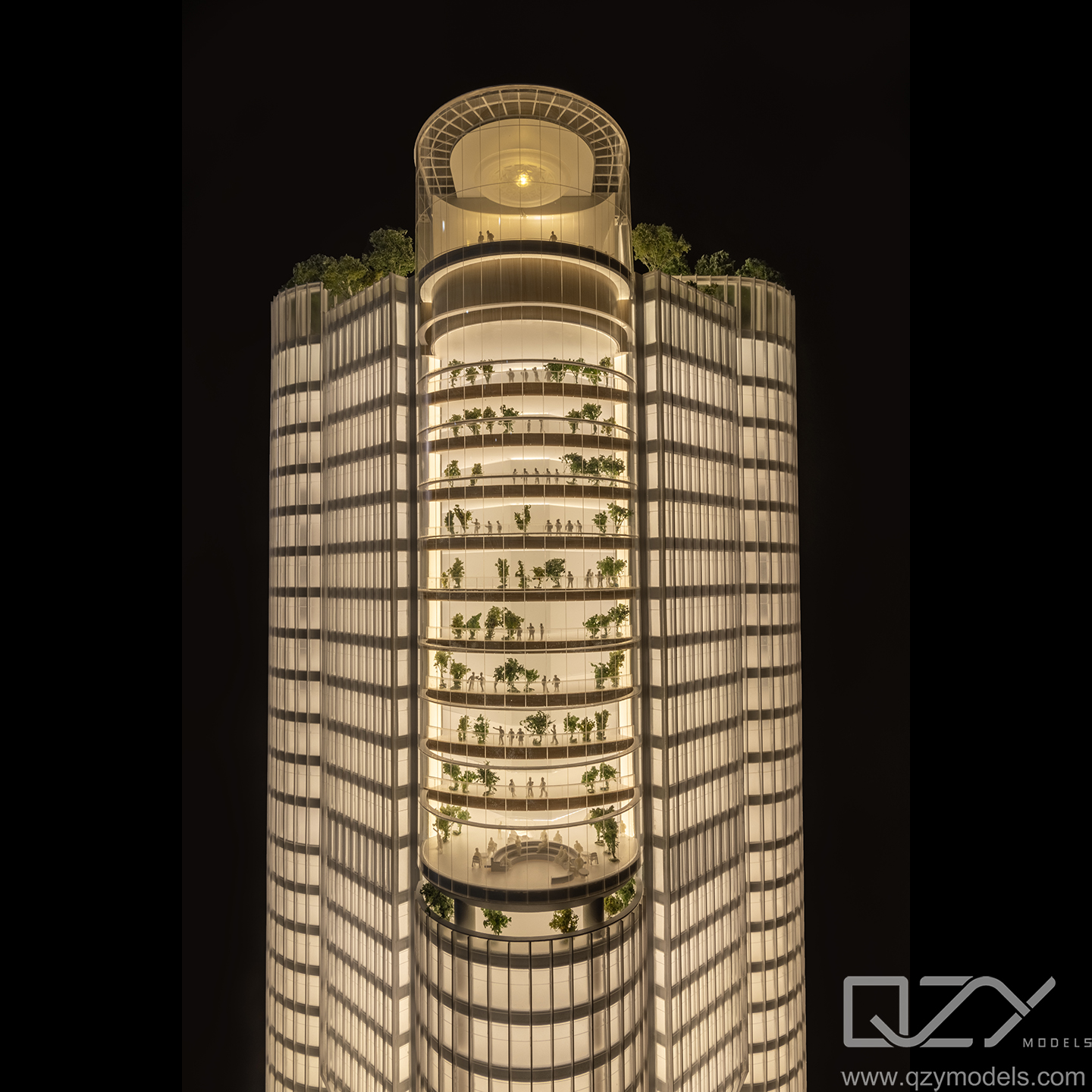
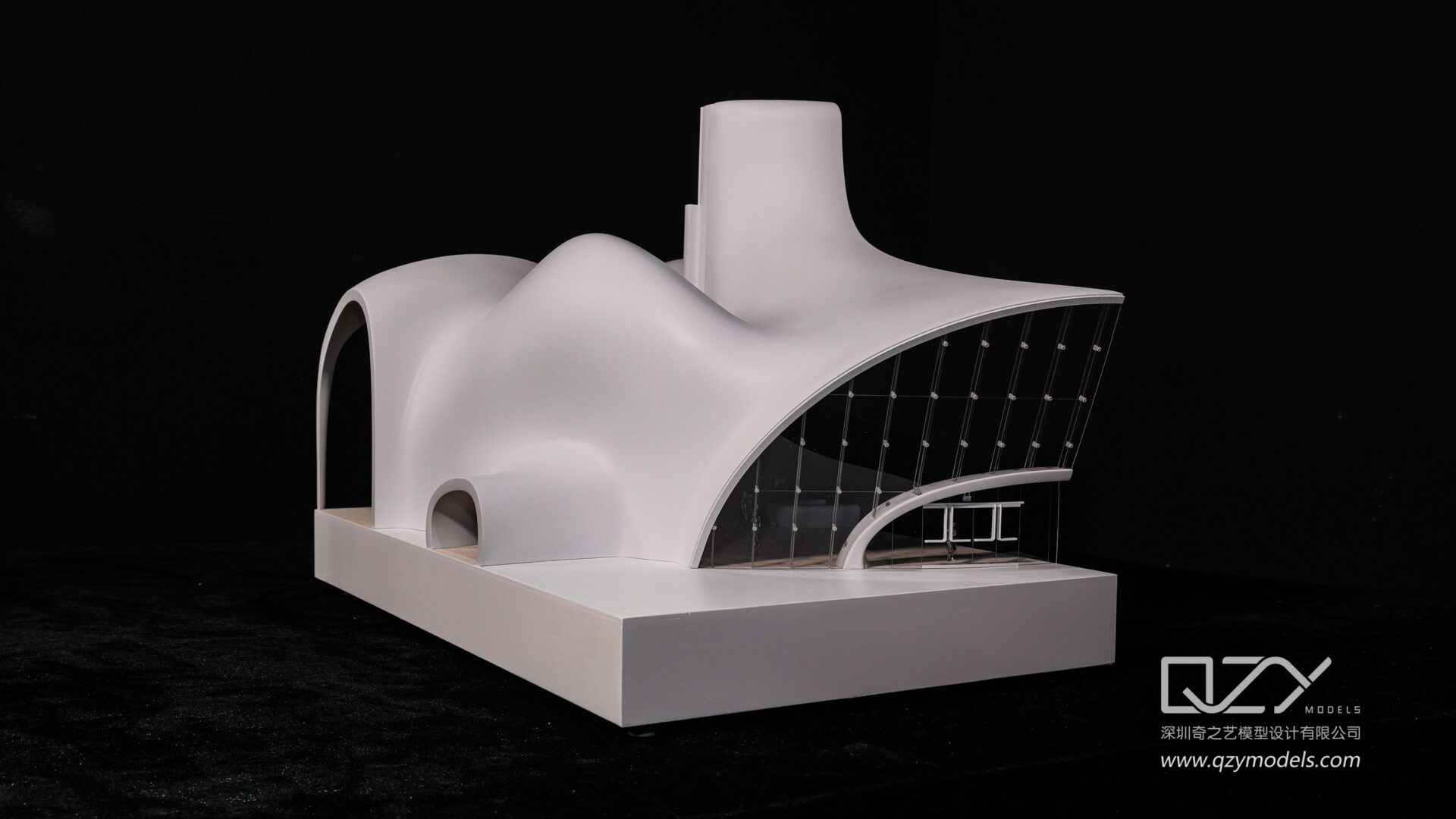
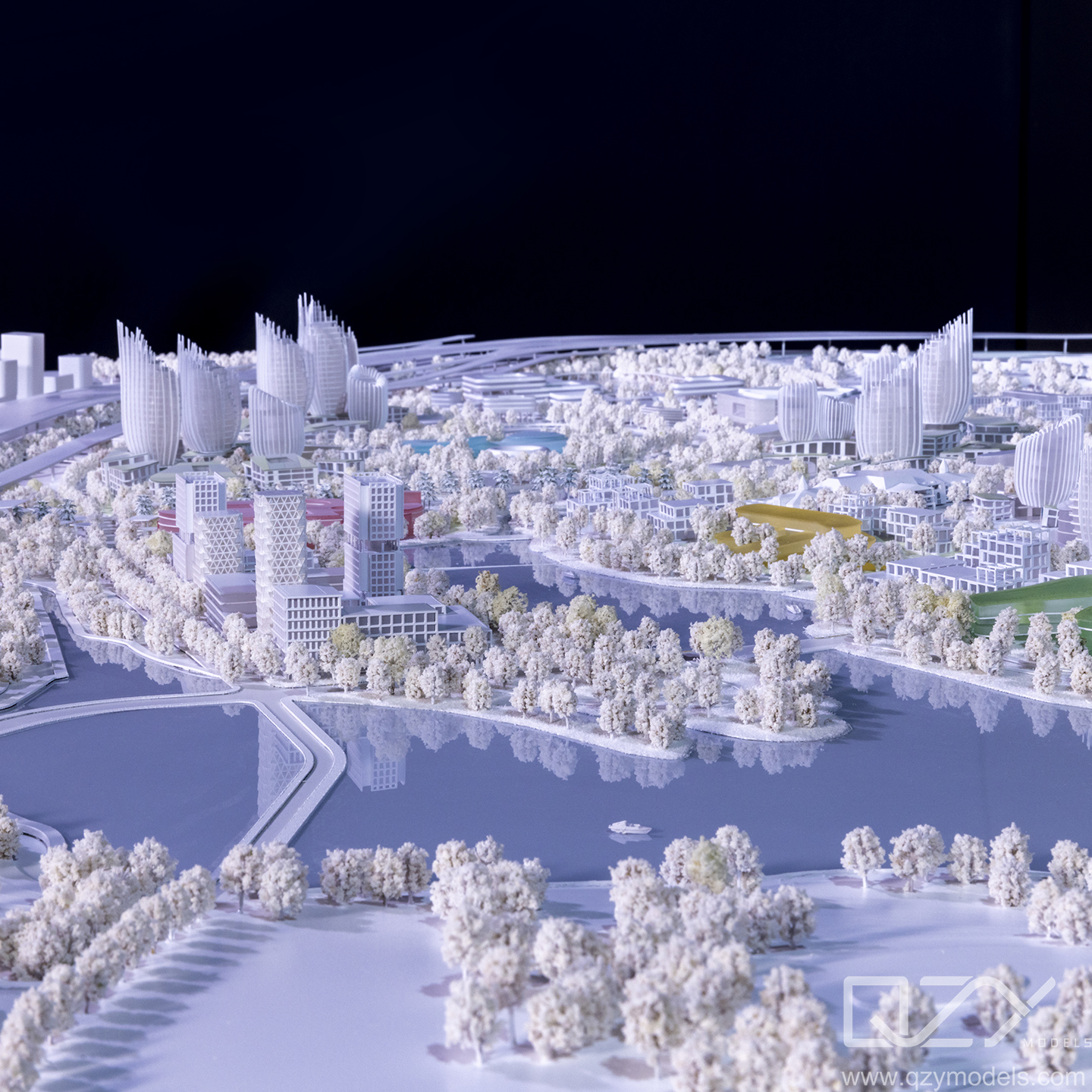
At QZY Models, we have produced architectural models for airports, transport hubs, industrial developments, and large masterplans across Europe, the Middle East, Asia, and North America. These projects demonstrate how physical models continue to bridge the gap between technical design and real-world understanding.
Why Infrastructure Projects Need Physical Scale Models
Infrastructure projects are different from conventional buildings.
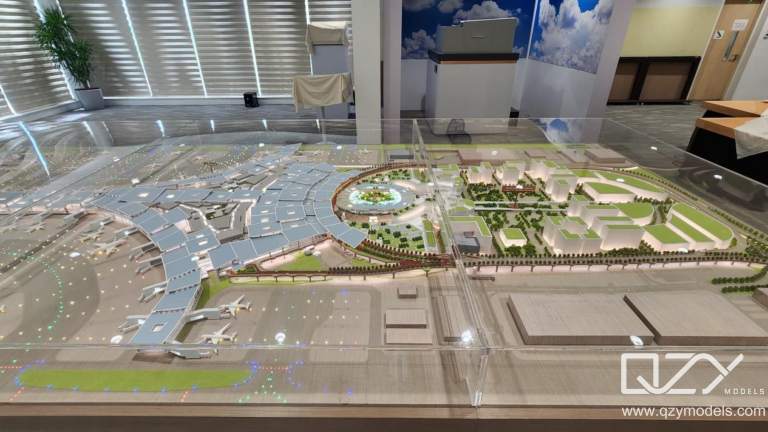
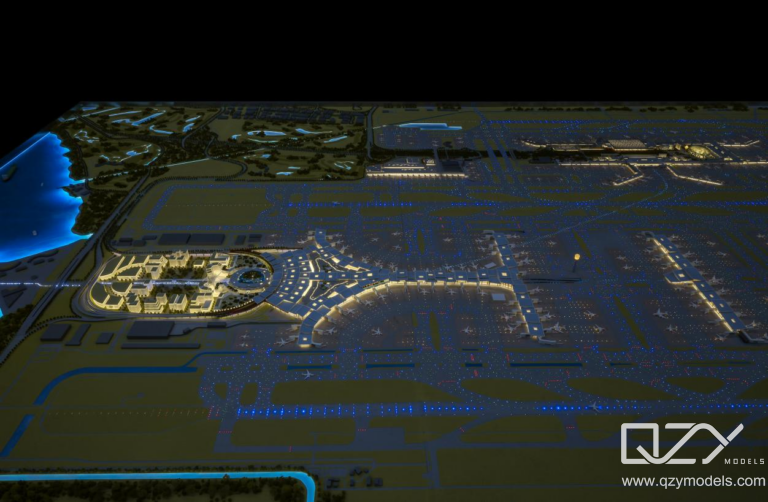
An airport is not simply one building.
It is a complete transportation ecosystem consisting of:
- Terminal buildings
- Runways
- Taxiways
- Aircraft parking aprons
- Rail stations
- Highway connections
- Parking structures
- Hotels
- Commercial developments
- Utility infrastructure
Trying to explain all these elements using only drawings or computer screens is extremely difficult.
A physical model immediately simplifies the conversation.
Everyone—from government officials and investors to local communities—can understand the project at a glance.
Instead of interpreting technical drawings, stakeholders can simply walk around the model and appreciate how every element works together.
Stage One: Supporting Design Development
Physical models are valuable long before construction begins.
During the design phase, architects, structural engineers, transport planners, landscape architects and MEP consultants all need to coordinate their work.
A massing model gives the entire project team a shared understanding of the design.
Instead of viewing individual drawings from different disciplines, everyone can examine one physical representation of the project.
This often helps identify:
- circulation issues
- spatial conflicts
- access routes
- building relationships
- passenger movement
- landscape integration
Many coordination issues become obvious when viewed in three dimensions.
Resolving these challenges early can save considerable time and cost later during construction.
Supporting Public Consultation
Large infrastructure projects almost always require public consultation.
Communities naturally want to understand how a new airport, railway station, or transport hub will affect their neighbourhood.
Unfortunately, technical drawings rarely engage the public.
Physical models do.
People naturally gather around a scale model.
They ask questions.
They point at roads.
They identify landmarks.
They understand distances.
This creates far more productive discussions than presentation boards alone.
For governments and developers, this often results in better community engagement and more constructive feedback.
Helping Secure Government Approvals
Infrastructure projects often require approvals from multiple authorities.
These may include:
- Planning departments
- Transport authorities
- Aviation regulators
- Environmental agencies
- Heritage organisations
- Local councils
- Government ministries
Each organisation views the project differently.
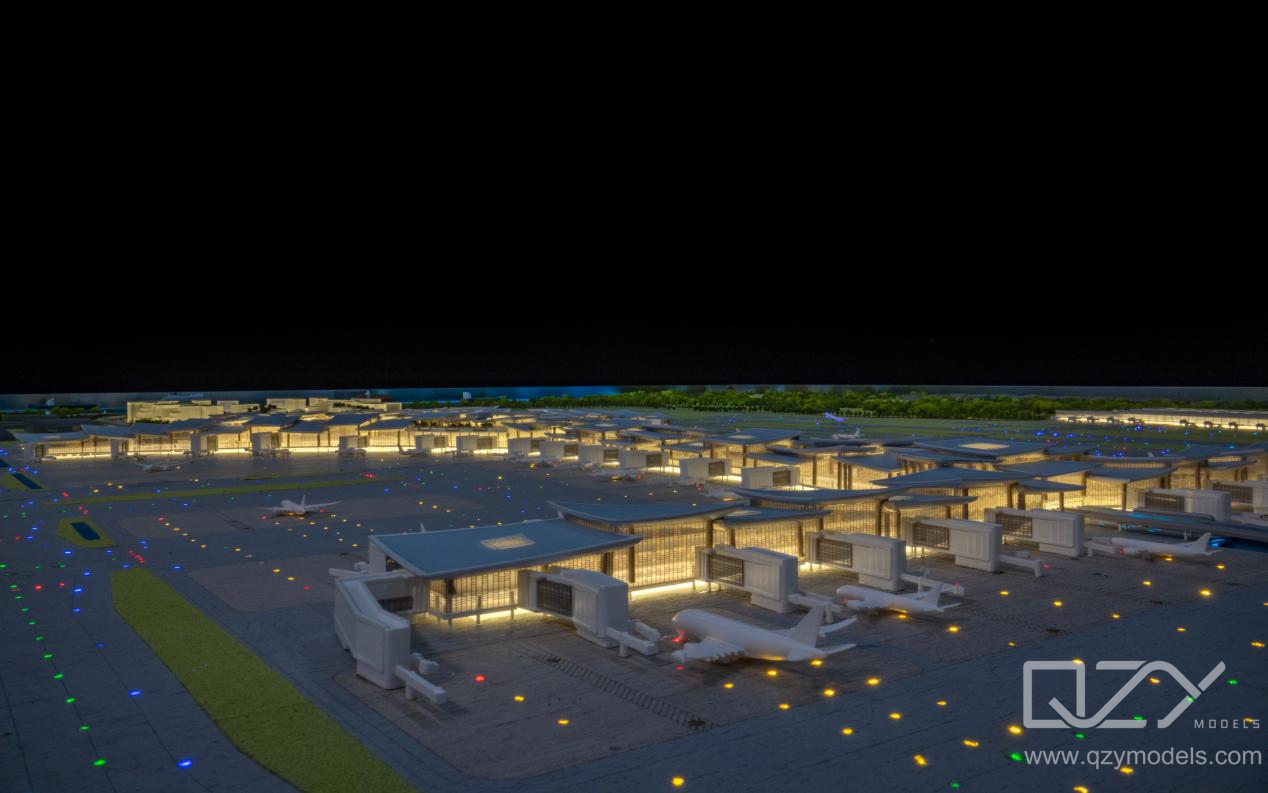
A physical scale model provides one common reference point that everyone can understand.
Instead of debating drawings, stakeholders can discuss the project while looking at exactly the same three-dimensional representation.
This improves communication and often makes approval meetings more productive.
Winning Investor Confidence
Infrastructure developments require enormous financial investment.
Governments frequently work alongside institutional investors, private developers and sovereign wealth funds.
Investor presentations therefore need to inspire confidence.
A premium architectural model immediately elevates the quality of any presentation.
Rather than looking at another PowerPoint presentation, investors experience the development in physical form.
They can understand:
- project scale
- surrounding context
- transport connections
- development phases
- future expansion opportunities
A well-crafted model demonstrates professionalism and reinforces confidence in the project team.
Construction Phase Communication
The value of a scale model does not end once construction starts.
Many airport and infrastructure projects take five to ten years—or even longer—to complete.
Throughout construction, the model becomes a valuable communication tool.
It can be displayed in:
- project offices
- visitor centres
- construction headquarters
- stakeholder meeting rooms
- government exhibitions
Many clients also update models to show completed phases, helping everyone understand project progress throughout construction.
Permanent Visitor Centres and Legacy Displays
Some infrastructure models become permanent exhibition pieces.
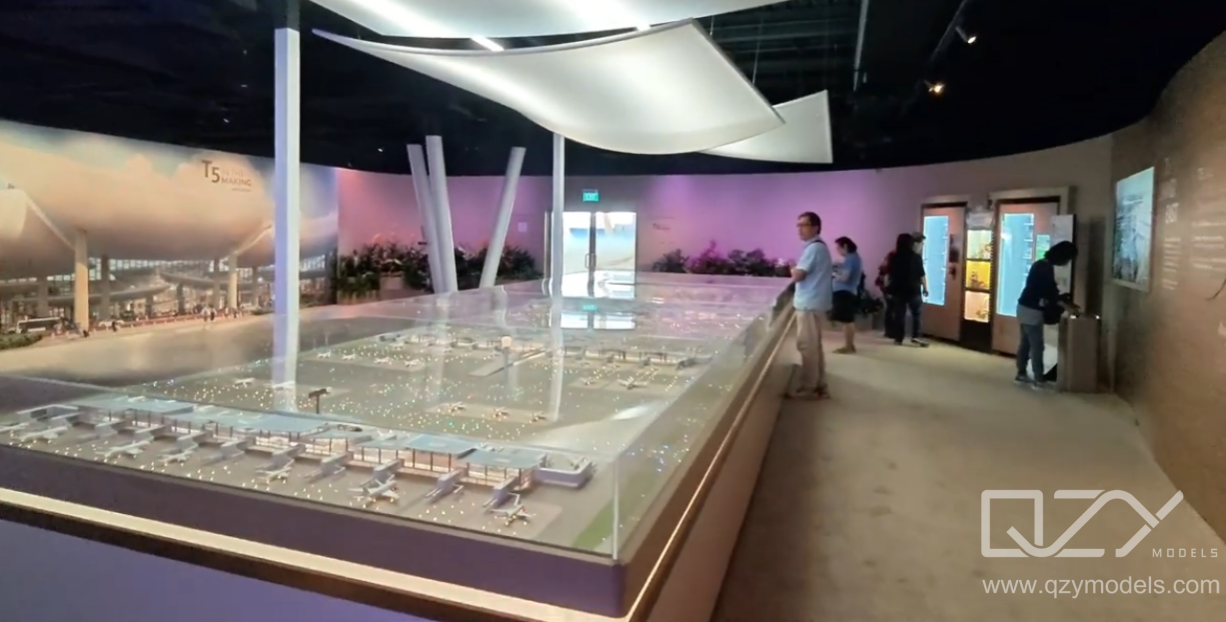
Many airports proudly display their original development models inside terminal buildings or corporate headquarters.
These models preserve the history of the project while showcasing the engineering achievement behind it.
Visitors, government officials and future project partners continue to engage with these models years after construction has finished.
For developers and airport authorities, the model becomes both a communication tool and a lasting part of the project’s legacy.
Why Experience Matters
Infrastructure models require specialist knowledge.
Unlike residential or commercial models, they often cover enormous areas and include multiple transportation systems.
A successful infrastructure model requires careful planning of:
- model scale
- viewing angles
- transport networks
- topography
- lighting
- phasing
- durability
- transportation and installation
At QZY Models, our team combines traditional craftsmanship with advanced CNC machining, laser cutting and 3D printing to deliver highly accurate infrastructure models for clients worldwide.
From airport terminals and railway stations to industrial developments and large urban masterplans, every model is built to communicate complex ideas with clarity and precision.
Why Choose QZY Models for Infrastructure Scale Models?
With more than a decade of experience, QZY Models has delivered architectural models for some of the world’s most demanding developments.
Our capabilities include:
- Airport terminal models
- Railway station models
- Metro and transport hub models
- Port and logistics facility models
- Industrial developments
- Smart city masterplans
- Urban regeneration projects
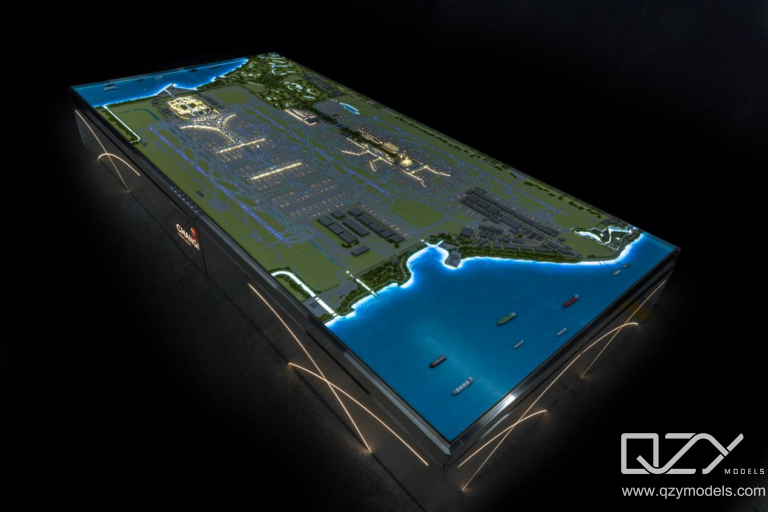
- Large illuminated presentation models
Every model is designed to support planning, stakeholder engagement, investment presentations and public exhibitions.
Our international clients rely on us for exceptional craftsmanship, reliable delivery schedules and attention to detail.
Conclusion
Modern infrastructure projects demand clear communication at every stage—from concept design to public consultation, investor presentations, construction and long-term exhibitions.
While digital technology continues to evolve, physical architectural scale models remain one of the most effective ways to explain complex infrastructure developments.
They help governments make informed decisions, investors understand opportunities, engineers coordinate design, and communities engage with projects that will shape their cities for decades.
Whether you’re developing an airport terminal, railway station, transport hub or large infrastructure masterplan, a professionally crafted architectural model transforms technical information into a powerful visual story.
About QZY Models
QZY MODELS is a professional model-making company specializing in architectural scale models, industrial models, and urban planning models for global clients.
With more than 20 years of experience, the team provides complete services including:
architectural model design
model fabrication
international packaging and shipping
on-site installation support
These integrated services ensure that every model can be safely transported and efficiently presented anywhere in the world.
Looking for a trusted architectural model maker for your next project in Saudi Arabia, UAE, Qatar, Bahrain, Kuwait, or Oman?
Visit QZY Models to discuss your requirements and receive expert guidance on the most effective scale model solution for your development.
🌐 www.qzymodels.com
📧 [email protected]