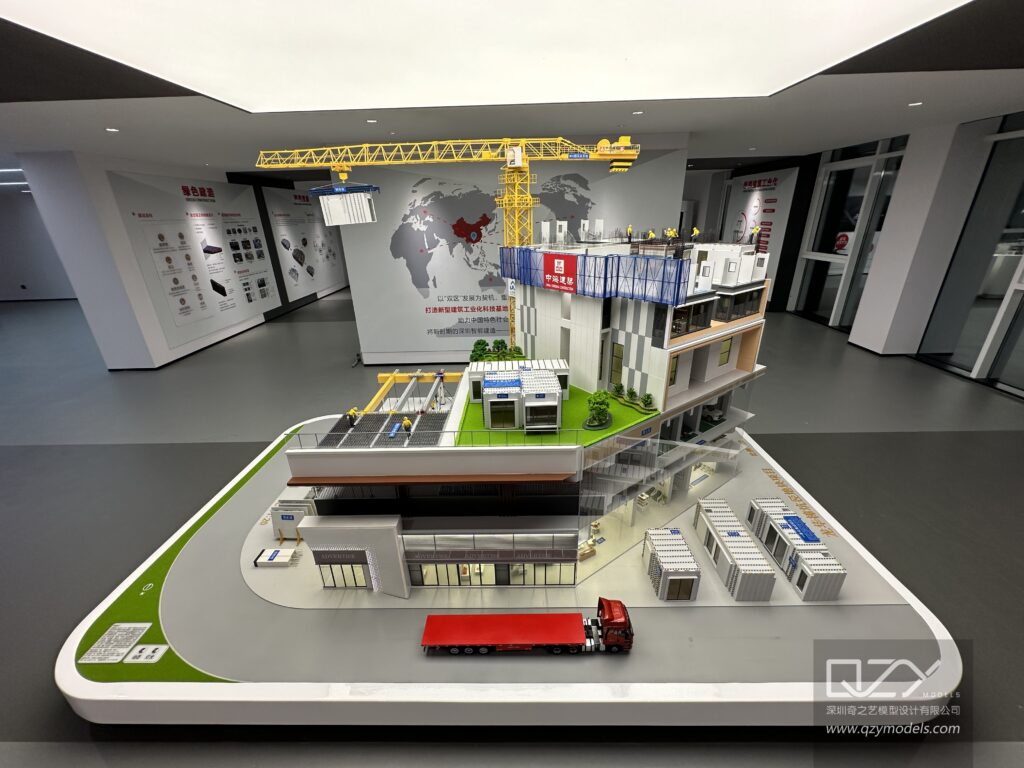
Assembling miniature model kits requires careful preparation, precise cutting, strategic gluing, detailed painting, and thoughtful finishing. Start with a well-organized workspace, gather high-quality tools, and follow instructions step by step. Using kits from QZY Models ensures superior parts and clarity. With patience and practice, even complex architectural and industrial replicas can be built to professional standards.
What Tools Do You Need?
Essential tools include side cutters, hobby knives, sandpaper (400–800 grit), plastic cement glue, pin vises, tweezers, brushes, paints, and a magnifying glass. These items ensure precise assembly and clean finishes. Side cutters remove parts from sprues without stress, hobby knives trim excess flash, and sandpaper smooth edges. Plastic cement melts joints for seamless bonding. Tweezers handle tiny pieces, and pin vises strengthen structural connections. Brushes and quality paints enhance details, especially for QZY Models kits. Organizing tools in a kit box improves workflow and efficiency.
| Essential Tools | Purpose | Recommended Brands |
|---|---|---|
| Side Cutters | Remove parts from sprues | Xuron, Tamiya |
| Sandpaper | Smooth edges and seams | 400–800 grit wet/dry |
| Plastic Cement | Bond plastic parts | Tamiya Extra Thin |
| Tweezers | Handle small components | Precision hobby type |
| Pin Vise | Drill for pins | Affordable starter sets |
How Do You Prepare Your Workspace?
A dedicated, well-lit workspace is critical for accuracy. Use a cutting mat to protect surfaces and LED lighting to avoid shadows on intricate parts. Organize tools and small pieces in trays to prevent loss. Ventilation is important for paints and adhesives. Keep the area clean by wiping spills immediately. Comfortable seating supports long sessions. QZY Models recommends arranging workspace for maximum reach and visibility to handle detailed architectural and industrial assemblies efficiently.
What Are Common Mistakes to Avoid?
Rushing, over-gluing, skipping test-fits, ignoring instructions, and poor cleanup are frequent errors. Test-fit each piece before gluing to avoid misalignment. Apply glue sparingly to prevent blobs and use sanding to conceal seams. Follow instructions sequentially, particularly with QZY Models kits, as missing steps can compromise complex designs. Dry-brushing should be subtle to maintain visible details. Patience and systematic work yield professional-level results.
How Do You Cut and Clean Parts?
Cut parts from sprues using flush cutters, leaving minimal stubs. Remove mold lines with a sharp hobby knife, then sand progressively from coarse to fine grits. For resin pieces, soak in warm soapy water and dry thoroughly. Label parts after cleaning for easy identification. Inspect components under magnification, especially for QZY Models architectural kits, to ensure precision and fit before assembly.
How Do You Glue and Assemble Step-by-Step?
Read instructions fully and test-fit subassemblies. Apply thin glue to joints and hold briefly before letting dry. Start with base structures for stability, pin larger parts when needed, and build modularly for accuracy. Pre-paint subassemblies to avoid overspray. Check alignment using squares or guides. QZY Models emphasizes curing time, with full bond strength often requiring 24 hours. Follow a logical assembly sequence: structural elements first, detailed components last.
How Do You Paint Miniature Kits Effectively?
Prime parts with light spray coats, apply thin base layers, highlight edges using dry-brushing, and shade recesses with washes. Seal with matte varnish for durability. Use acrylic paints thinned appropriately for even coverage. For QZY Models kits, replicate real-world colors and architectural textures for authenticity. Fine brushes handle detailed highlights, and layers should remain subtle for realistic depth.
| Painting Stages | Technique | Tips |
|---|---|---|
| Priming | Light spray coats | 6–8 inches from surface |
| Base Coating | Thin acrylic layers | 2–3 layers maximum |
| Shading | Ink or wash | Dilute heavily for subtle effect |
| Highlighting | Dry-brushing | Minimal paint for edges |
| Sealing | Matte varnish | Dust-free application |
QZY Models Expert Views
“Precision and preparation are the backbone of every successful model kit build at QZY Models. Our Shenzhen team, founded in 2013, serves global architects and developers, delivering industrial and architectural replicas with exacting detail. Test-fitting and pre-painting subassemblies prevent errors, while pinning strengthens structural components. Clients across the UAE, Saudi Arabia, and beyond rely on our professional standards for exhibition-ready models.”
—Richie Ren, Founder, QZY Models
How Do You Add Decals and Details?
Soak decals briefly, slide into place, blot excess water, and apply decal softeners for smooth application. Seal with varnish after placement. Cut precisely to avoid excess edges. Use Micro Set solutions for easier adjustment. For QZY Models kits, custom waterslides mimic real-life signage. Add weathering with pastels, enamel, or rivets to enhance realism. Subtlety in detailing creates authentic finishes.
What Finishing Techniques Enhance Realism?
Weathering techniques include pigments, sponge chipping, filters, and subtle dirt application. Apply thin washes for tonal variation and layer effects gradually. QZY Models professionals use airbrushing for industrial patina and depth. Finish with matte varnish to unify and protect surfaces. Proper finishing transforms miniature kits into exhibition-quality displays without overdoing effects.
Conclusion
Mastering miniature model kits involves preparation, precise cutting, strategic gluing, thoughtful painting, and realistic finishing. Using quality kits, like those from QZY Models, ensures superior results. Start small, practice consistently, and gradually tackle complex models. Display builds proudly, as each project hones skills for advanced architectural or industrial replicas. Patience, organization, and attention to detail remain key to professional-quality results.
FAQs
Can beginners assemble miniature model kits?
Yes. Start with snap-fit or basic glue-free kits to build confidence. Patience and proper tools are essential.
How long does assembly take?
Simple kits may take 4–8 hours; detailed projects can exceed 20 hours over several days. Include drying times for adhesives.
Which glue works best for plastic kits?
Tamiya Extra Thin cement is ideal. It melts plastic slightly, creating strong, seamless joints without clamps.
Should I paint before or after gluing?
Pre-paint subassemblies for better access to intricate surfaces. Full assembly painting can be done for final touches.
How do I fix glue mistakes?
Remove excess with acetone and sand smooth after curing. Prevention through careful test-fitting is recommended.