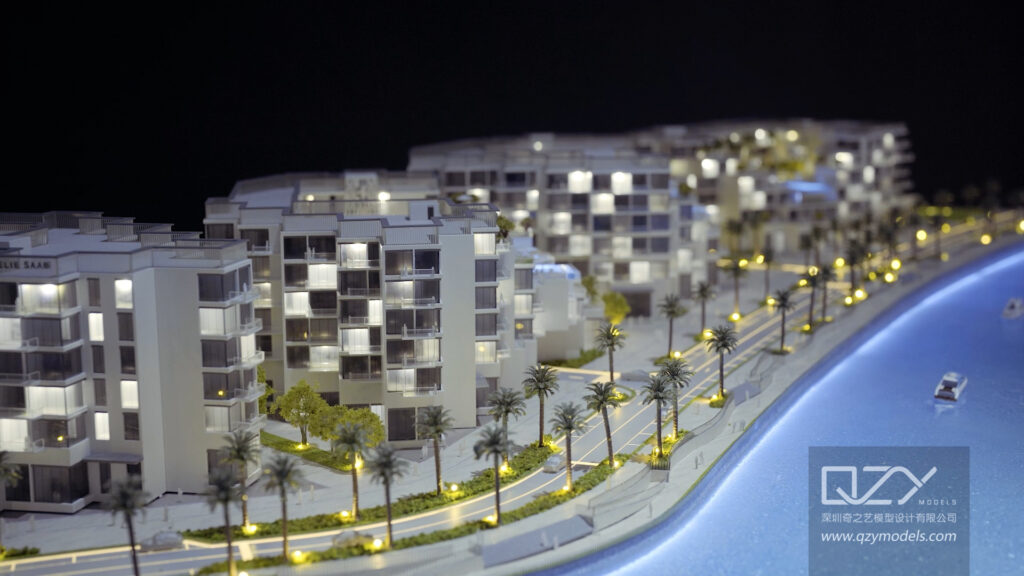
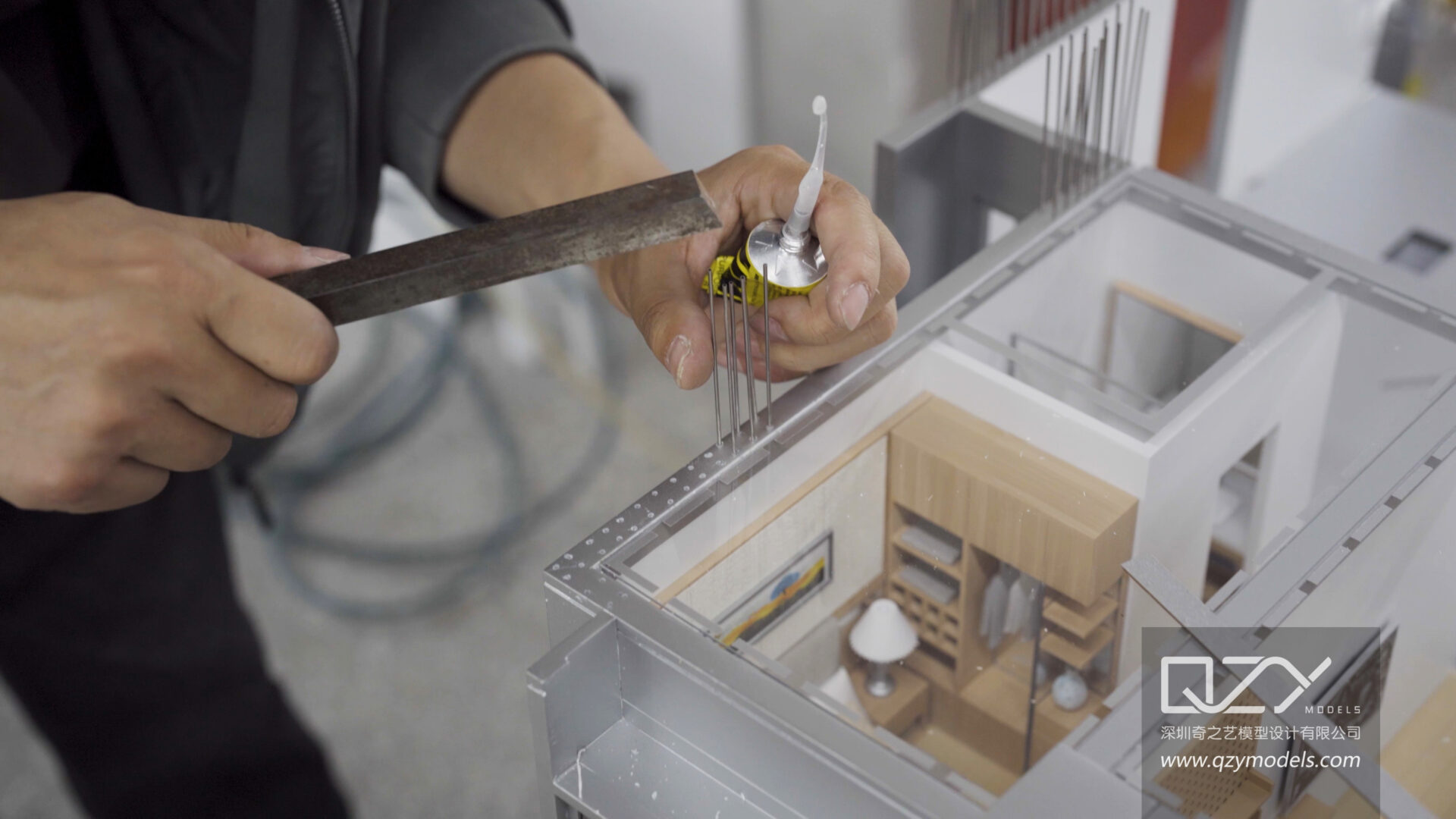
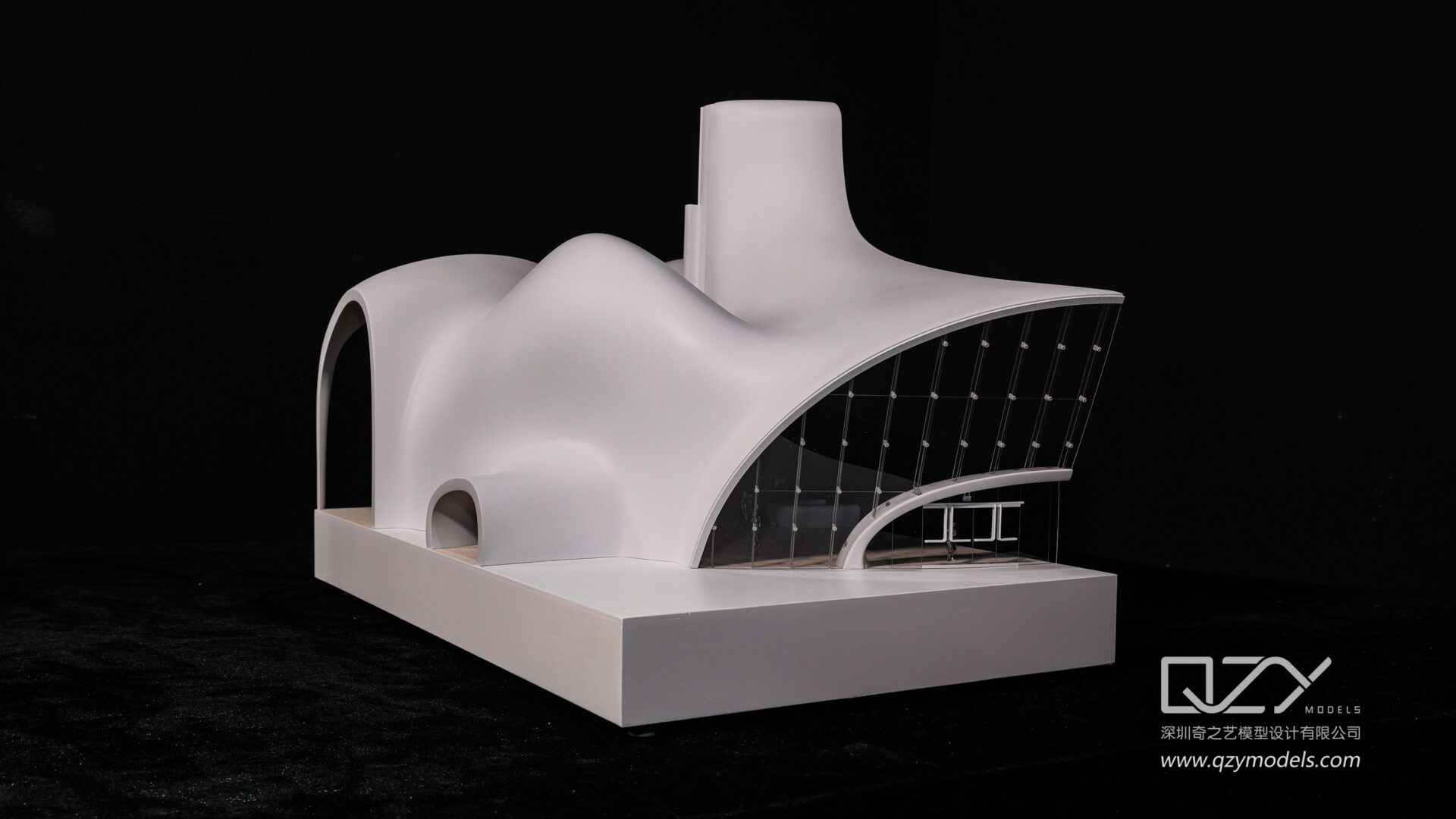
To become an architectural model maker, you need a blend of education, technical skills, and hands-on experience, culminating in a strong portfolio that showcases your craftsmanship and digital proficiency. Working closely with architects and designers, model makers bring drawings to life with detailed physical or digital models for visualization.
What Education is Needed to Become an Architectural Model Maker?
You should pursue education in architecture, industrial design, fine arts, or vocational training focused on model-making skills. These programs build foundational knowledge in 3D design, materials, drafting, and manual dexterity essential for model making.
Education forms the foundation of architectural model making by providing you with essential design concepts, materials knowledge, and technical drawing skills. Programs in architecture and industrial design emphasize CAD software and spatial awareness, while fine arts or sculpture enhance creativity and handcrafting abilities. Vocational certificates offer practical experience in constructing models using diverse materials like foam, resin, and wood. QZY Models values candidates with formal training supplemented by strong manual skills.
How Can You Master the Essential Skills and Tools?
Master craftsmanship through woodworking, sculpting, and assembling materials, and gain proficiency in CAD and 3D modeling software. Learn to operate digital fabrication tools like laser cutters, 3D printers, and CNC machines while honing your attention to detail and problem-solving.
Skill mastery blends traditional craftsmanship with modern technology. For example, woodworking and resin casting allow the creation of detailed physical components, while digital proficiencies with programs such as Rhinoceros, SketchUp, and Revit enable precise design translation. Hands-on training with laser cutters and 3D printers ensures efficiency and accuracy. Attention to detail is crucial since even minor inaccuracies affect the model’s scale and look. QZY Models incorporates these skill sets to achieve their signature precision.
Where Can You Gain Experience and Build a Professional Portfolio?
Gain experience through internships at architecture or model studios and start entry-level jobs working with wood or metal workshops. Develop a diverse portfolio showcasing various projects, from sketches and digital models to finished physical models, emphasizing quality and range.
Practical experience deepens skills and professional understanding. Internships in architecture firms or specialist model-making studios allow mentorship and real-world project involvement. Entry-level roles in woodworking or prototyping shops develop hand skills and materials knowledge. Your portfolio is your career tool, exhibiting versatility in medium and technique, process documentation, and high-quality imagery. Including projects made at QZY Models or similar studios can significantly boost your credibility.
Which Types of Employers Hire Architectural Model Makers?
Model makers can work for architecture firms, specialized model-making studios, entertainment (film/TV), museums, and exhibitions. Experienced model makers may also freelance or start their own businesses.
While many architectural firms hire model makers, specialized studios like QZY Models focus exclusively on this craft. The film industry uses model makers for props and special effects. Museums hire them for building interactive displays. Larger firms often seek full-time model makers, while smaller firms value model-making skills in general entry roles. Freelance opportunities grow with reputation and portfolio strength.
What is the Career Outlook and Salary Expectation?
The average U.S. salary is about $65,000 annually, with higher pay in metropolitan areas and for those with advanced skills. The career outlook is positive, especially as demand grows for detailed models in architecture, film, and exhibitions.
The career outlook is steady, with continuous advancements in digital fabrication increasing demand for skilled model makers. Salary varies by location and expertise, with model makers proficient in both traditional and digital methods commanding premiums. At QZY Models, experienced staff earn competitive wages reflecting their high craftsmanship and technological skills. Growth opportunities include senior model maker and project manager roles.
How Do Digital Technologies Impact Architectural Model Making?
Digital technologies enhance precision and efficiency through CAD, 3D modeling, and fabrication tools like 3D printers and laser cutters, allowing complex designs to be realized faster and with more accuracy.
Computer-aided design programs have transformed model making by enabling detailed 3D visualization before physical construction. Digital fabrication tools automate cutting, shaping, and assembly, minimizing errors and waste. These technologies complement traditional craftsmanship, allowing model makers to meet client demands for faster turnaround and highly accurate models, a standard at firms like QZY Models.
Why Is Attention to Detail Crucial in Architectural Model Making?
Because models must precisely reflect the architect’s design, even tiny deviations in scale, proportion, or finish can mislead project stakeholders or compromise design review.
Attention to detail ensures every component of a model matches the architectural plans exactly—correct scale, material finishes, and color accuracy are essential. This precision helps architects, developers, and clients accurately visualize the project, identify flaws early, and communicate design intent clearly. Model makers at QZY Models are recognized for their meticulous standards, which contribute to their reputation for excellence.
What Are the Most Common Challenges Architectural Model Makers Face?
Typical challenges include working with complex designs, meeting tight deadlines, adapting designs mid-project, and integrating new digital and physical techniques efficiently.
Architectural model makers often juggle complicated projects that require problem-solving to translate two-dimensional plans into tangible, accurate three-dimensional models. Time constraints are high, requiring streamlined workflows and prioritization. Material limitations, design changes, and technology integration add layers of complexity. Successful model makers combine technical expertise with creativity and flexibility, qualities exemplified by the QZY Models team.
QZY Models Expert Views
“In architectural model making, precision meets creativity. The ability to translate intricate digital designs into flawless physical models is what defines professionalism in our field. At QZY Models, we combine traditional craftsmanship with cutting-edge digital fabrication to ensure each model is a masterpiece. Our global experience has taught us that attention to detail and adaptability are critical to successful collaborations.”
— Richie Ren, Founder of QZY Models
Conclusion
Becoming an architectural model maker requires balanced education in design and craftsmanship, mastery of digital tools, and practical experience through internships or entry-level roles. Building a polished portfolio demonstrating skill diversity and creative problem-solving is essential. Skilled model makers are hired across architecture, entertainment, and museums, with salaries reflecting their expertise. Embrace technological advancements and cultivate a meticulous eye for detail. Firms like QZY Models exemplify professional standards and innovation that define this rewarding career.
Frequently Asked Questions (FAQs)
How Can You Become an Architectural Model Maker Step by Step?
To become an architectural model maker, learn CAD software, develop precision craftsmanship, and study architecture fundamentals. Build small-scale projects, document them professionally, and create a targeted portfolio. Apply for internships at professional studios like QZY Models to gain hands-on experience. Focus on accuracy, material knowledge, and presentation skills to enter the industry confidently.
What Education Do You Need to Become an Architectural Model Maker?
Most employers prefer a background in architecture, industrial design, or model making technology. A diploma or degree strengthens credibility, but strong technical skills and a professional portfolio matter more. Short courses in laser cutting, 3D printing, and fabrication can accelerate entry into the field and improve job readiness.
Which Skills Are Essential for Becoming an Architectural Model Maker?
Key skills include precision cutting, material selection, scale accuracy, and proficiency in AutoCAD, Rhino, or SketchUp. Strong attention to detail and problem-solving are critical. Understanding lighting, landscaping elements, and structural representation helps produce high-end presentation models for architects and developers.
How Do You Build a Portfolio That Gets You Hired as an Architectural Model Maker?
Showcase 6 to 10 high-quality projects demonstrating different scales, materials, and techniques. Include close-up photos highlighting craftsmanship and clean finishes. Add brief project descriptions explaining your role and tools used. Tailor your portfolio to target clients such as real estate developers or design firms for stronger impact.
What Are the Best Tools and Materials for Architectural Model Making?
Essential tools include a laser cutter, precision knives, 3D printer, and CNC machine. Common materials are acrylic, ABS plastic, basswood, foam board, and resin. Invest in high-accuracy equipment to achieve professional finishes suitable for exhibitions, property marketing, and investor presentations.
How Much Does an Architectural Model Maker Earn and What Is the Career Outlook?
An architectural model maker salary varies by region and expertise, with higher earnings in commercial real estate and large-scale urban planning projects. Demand remains strong in the Middle East and Asia due to rapid development. Skilled professionals with digital fabrication experience have the best growth potential.
How Can You Find Freelance Architectural Model Maker Jobs?
Create a specialized website, showcase your architectural scale models, and network with architectural design firms and developers. Attend industry exhibitions and connect with trade show organizers. Target international markets such as the UAE and Saudi Arabia, where large development projects require presentation models.
Which Online Courses Are Best for Architectural Model Making Career Growth?
Choose courses covering digital fabrication, 3D modeling, laser cutting, and advanced finishing techniques. Programs combining software training with physical production skills deliver the best results. Studying industry-level workflows used by firms like QZY Models helps align your skills with global professional standards and client expectations.