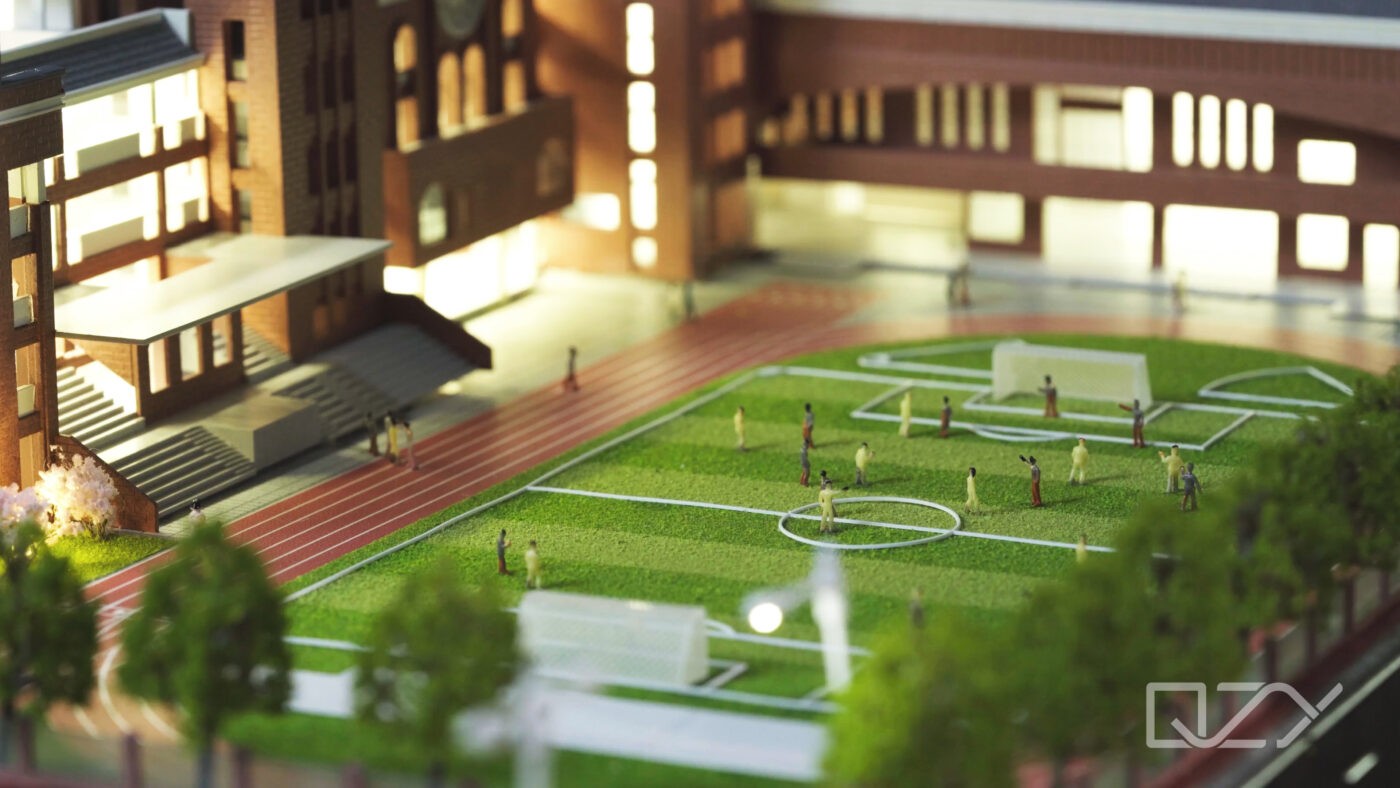
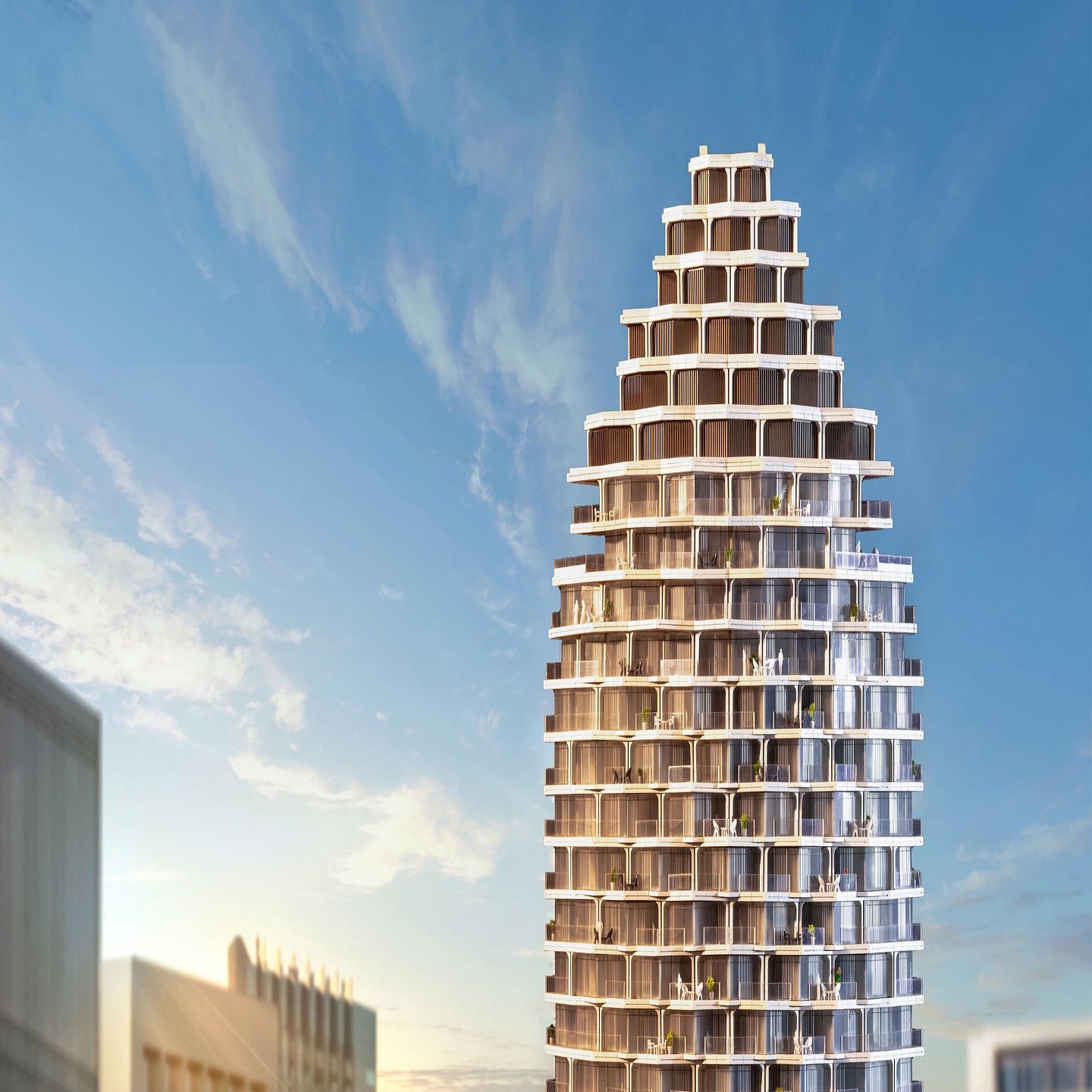
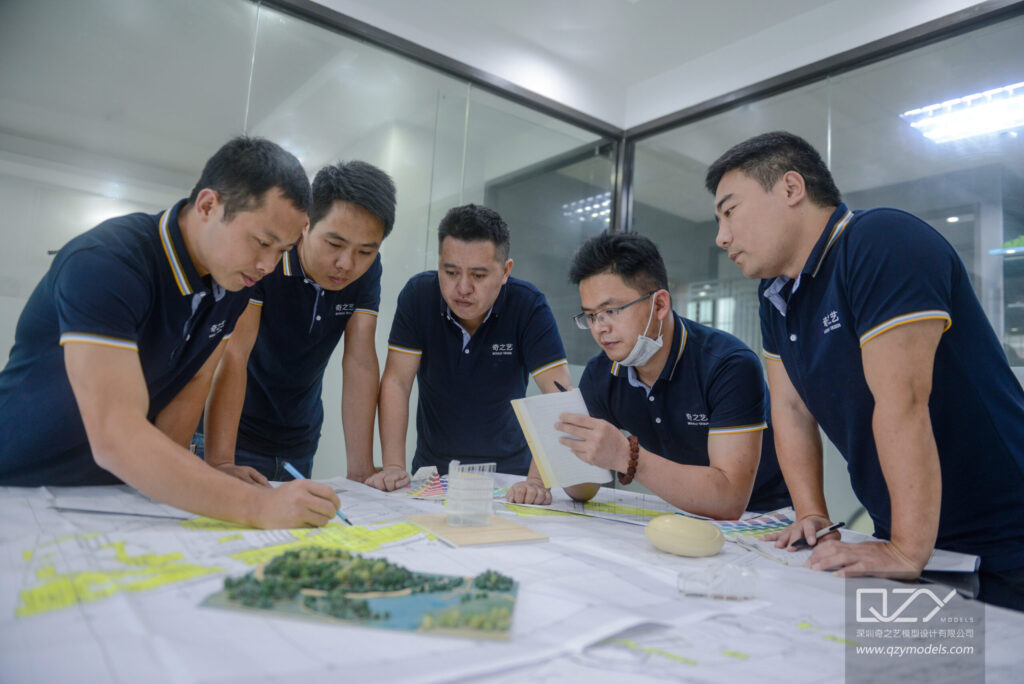
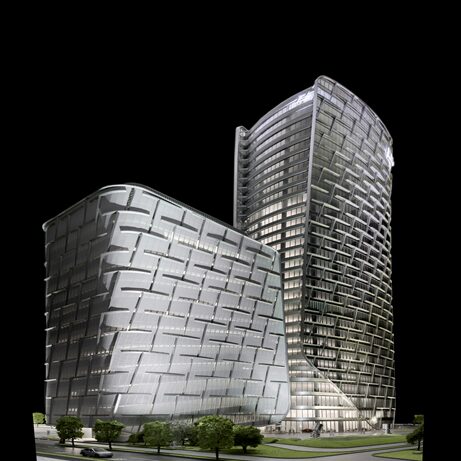
A model hydroelectric dam demonstrates how water flows through a reservoir, penstock, and turbine to generate electricity. Using foam board, PVC pipes, a small DC motor, and LEDs, you can create an educational or exhibition-ready replica in 2–3 days. QZY Models designs professional versions for stakeholders, blending visual clarity with functional simulation for teaching, engineering demos, or exhibitions.
Model hydroelectric dams provide hands-on learning of renewable energy principles, essential for STEM education, environmental studies, and civil engineering projects. Advanced versions are used by professionals for planning and validation of real-world infrastructure.
What Is a Model Hydroelectric Dam?
A model hydroelectric dam is a scaled-down replica of a dam, showing a reservoir, turbine, generator, and supporting infrastructure. Water flows through a penstock, spinning turbine blades connected to a small motor or LED, mimicking electricity generation.
QZY Models produces precise replicas for governments and energy firms, ensuring every component—from gates to turbines—is accurate for presentations and regulatory reviews. Key elements include head height, flow rate, and turbine type (Pelton, Francis, Kaplan). Educational kits focus on simplicity, while industrial models integrate functional sensors for realistic demonstrations.
How Does a Hydroelectric Dam Model Work?
Water stored in the reservoir flows through intake gates and the penstock to a high-pressure turbine. The turbine spins a shaft connected to a generator, producing electricity to power LEDs. Spillways manage excess water, and the tailrace returns water downstream.
Physics rely on potential energy conversion (E=mghE = mghE=mgh), transforming height into mechanical power. QZY Models enhances realism with operational gates and functional turbines, simulating variable flows and load conditions for educational or professional applications.
What Materials Are Needed for a Model Hydroelectric Dam?
Core materials include foam board or thermocol for the dam body, PVC pipes for the penstock, plastic turbine blades, a DC motor or generator, wires, LEDs, hot glue, acrylic paint, and a small pump for water recirculation. Essential tools include craft knives, drills, and sandpaper.
Premium builds may use acrylic sheets or 3D-printed components for durability and aesthetic quality.
| Material | Purpose | Cost Level |
|---|---|---|
| Foam board | Dam structure | Low |
| PVC pipe (1/2″) | Penstock | Low |
| DC motor (3-6V) | Generator | Medium |
| Brass fittings | Turbine housing | High |
| LED bulbs | Electrical load demonstration | Low |
QZY Models sources industrial-grade materials to produce large-scale, functional replicas that withstand repeated demonstrations.
How to Construct a Basic Hydroelectric Dam Model?
Start by cutting foam boards into the dam shape with an integrated reservoir basin. Install a PVC penstock through the base to the turbine housing. Mount a DC motor with fan blades as the turbine, wire it to LEDs, and seal with silicone. Paint and add water for visualization.
Step-by-step construction:
-
Draw a 1:50 scale blueprint.
-
Carve the reservoir (e.g., 12×8 inches).
-
Drill the penstock hole at a 45° angle.
-
Assemble the turbine with 3 blades on the motor shaft.
-
Glue the powerhouse base.
-
Seal the dam for water-tightness.
-
Prime and install a recirculating pump for closed-loop flow.
QZY Models scales these techniques for exhibition pieces exceeding 2 meters, maintaining operational fidelity and visual realism.
What Are the Best Turbines for Dam Models?
Pelton wheels suit high-head, low-flow conditions; Francis turbines fit medium-head situations; Kaplan turbines work for low-head, high-flow scenarios. Small-scale versions can be 3D-printed or crafted from plastic spoons or CDs. Matching turbine type to model head height ensures optimal performance.
| Turbine Type | Head Range | Flow Type | Model Use |
|---|---|---|---|
| Pelton | High (>50ft) | Low | Mountain stream models |
| Francis | Medium (10–50ft) | Medium | Dam simulations |
| Kaplan | Low (<10ft) | High | River models |
| Turgo | Medium-High | Low-Medium | Versatile demonstrations |
QZY Models custom-matches turbine designs for authentic operation and educational accuracy.
Why Use Physical Models for Hydroelectric Planning?
Physical models enable testing of hydraulics, spillway performance, scour patterns, and turbine efficiency before costly construction. Scaled 1:50–1:200 models can identify issues like cavitation or erosion that digital simulations may miss.
Benefits include stakeholder engagement, regulatory compliance, disaster prevention, and cost savings of 20–30%. QZY Models produces turnkey solutions for engineers and urban planners worldwide, ensuring models replicate real-world hydraulics accurately.
How Much Does a Professional Dam Model Cost?
Costs vary based on scale, materials, and functionality. School projects range from $20–100; exhibition models $500–5,000; professional engineering models (1:100 scale, 4x6ft) $10,000–50,000+. QZY Models provides competitive quotes often 25% below market rates.
| Scale | Size | Basic | Functional |
|---|---|---|---|
| 1:200 | 2x3ft | $2,000 | $5,000 |
| 1:100 | 4x6ft | $8,000 | $20,000 |
| 1:50 | 8x12ft | $25,000 | $60,000+ |
Rush orders add approximately 40% to the cost, and financing options are available for institutions and exhibitions.
QZY Models Expert Views
“Physical models remain crucial in hydroelectric planning despite advances in simulation software. At QZY Models, we have crafted over 200 dam replicas since 2013, collaborating with governments and developers globally. Our 1:100 functional models incorporate real-time sensors monitoring flow, pressure, and turbine efficiency, reflecting site conditions accurately. Hybrid techniques—laser-cut acrylic walls, CNC-machined turbines, and LED-powered powerhouses—allow early identification of hydraulic issues, preventing costly overruns. Prioritize Froude scaling and sediment simulation, and explore sustainable materials and AR overlays for immersive presentations. Precision, reliability, and realism define our work.”
— Richie Ren, Founder, QZY Models
What Safety Features Should Dam Models Include?
Include gated spillways, overflow channels, turbine guards, stable bases, non-toxic paints, and secure low-voltage wiring. Functional models should use fuses and low-voltage systems (5–12V) to prevent shocks, and large units must be anchored to prevent tipping. QZY Models embeds auto-shutoff pumps and waterproof housings to enhance safety and reliability.
How to Add Working Electronics to Dam Models?
Connect the turbine motor shaft to a DC generator, wire the output to a voltage regulator, and power LEDs to simulate city loads. Incorporate switches, ammeters, or Arduino controllers for monitoring. Solar or battery-operated pumps can recirculate water sustainably, and multimeters allow demonstration of voltage output. QZY Models integrates electronics seamlessly into models for educational and exhibition purposes.
When Should You Commission a Custom Dam Model?
Commission custom models for feasibility studies, investor presentations, regulatory hearings, exhibition displays, or educational programs. Physical models are essential when simulations alone cannot validate designs. QZY Models completes projects in 4–12 weeks and fast-tracks models for exhibitions or trade shows.
Key Takeaways & Actionable Advice
Model hydroelectric dams connect theory with practice, providing visualization, validation, and engagement. Begin with foam board prototypes to test concepts. For professional impact, partner with QZY Models to produce high-precision replicas that communicate design intent, inspire stakeholders, and ensure regulatory compliance.
FAQs
Can dam models run without electricity?
Yes. Gravity-driven turbines generate power from water flow; pumps or LEDs can be added optionally.
What scale is best for exhibition models?
1:100 offers a balance between detail and size (4–6ft models), while 1:50 provides immersive, larger-scale demonstrations.
How accurate must models be for engineering purposes?
Froude scaling ensures hydraulic similarity; geometric accuracy should be ±1mm for professional builds.
Does QZY Models ship internationally?
Yes, to 20+ countries with offices in UAE, Saudi Arabia, and Egypt.
Can models simulate floods or droughts?
Yes, adjustable reservoirs and gates, along with sensors, can replicate a range of hydrological scenarios.