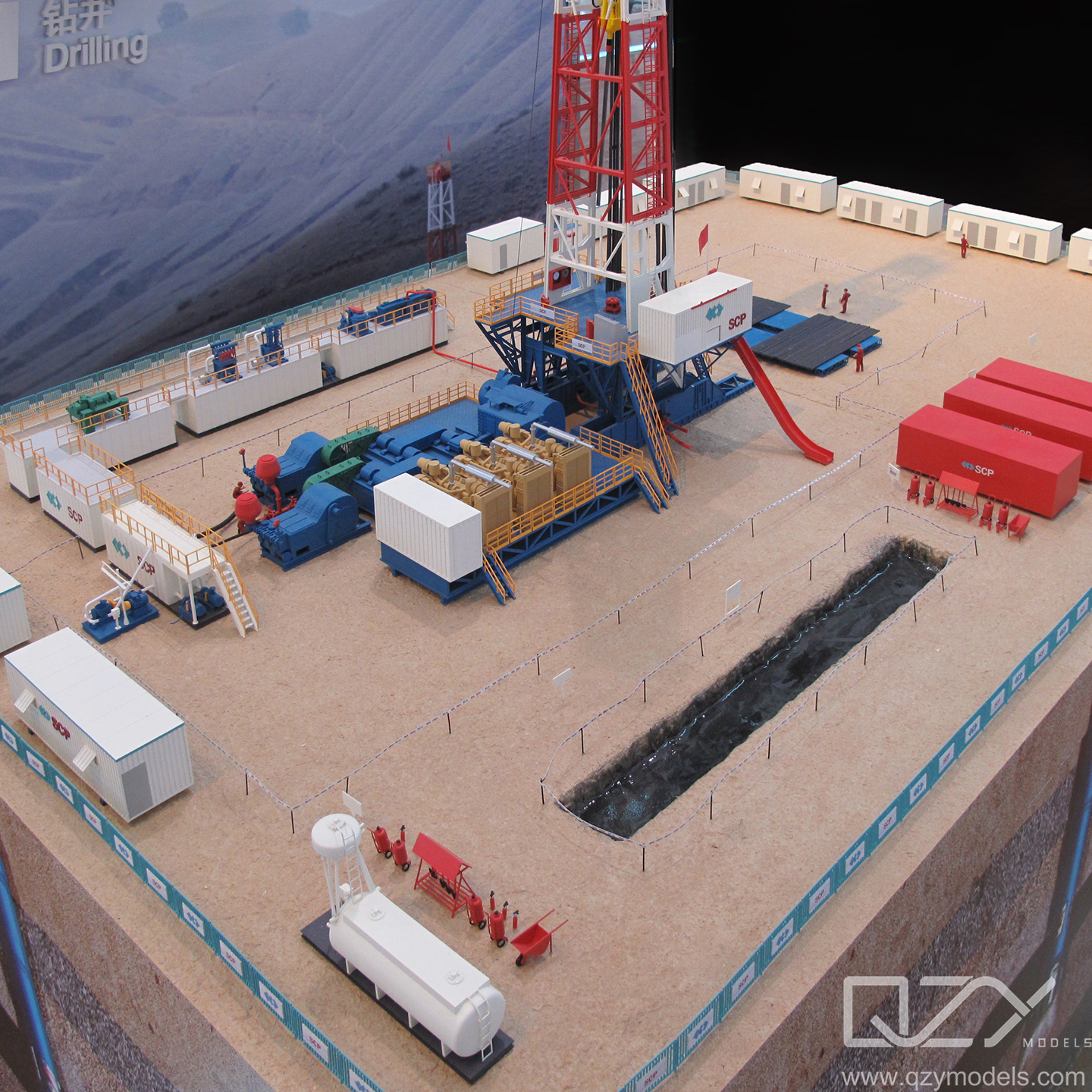
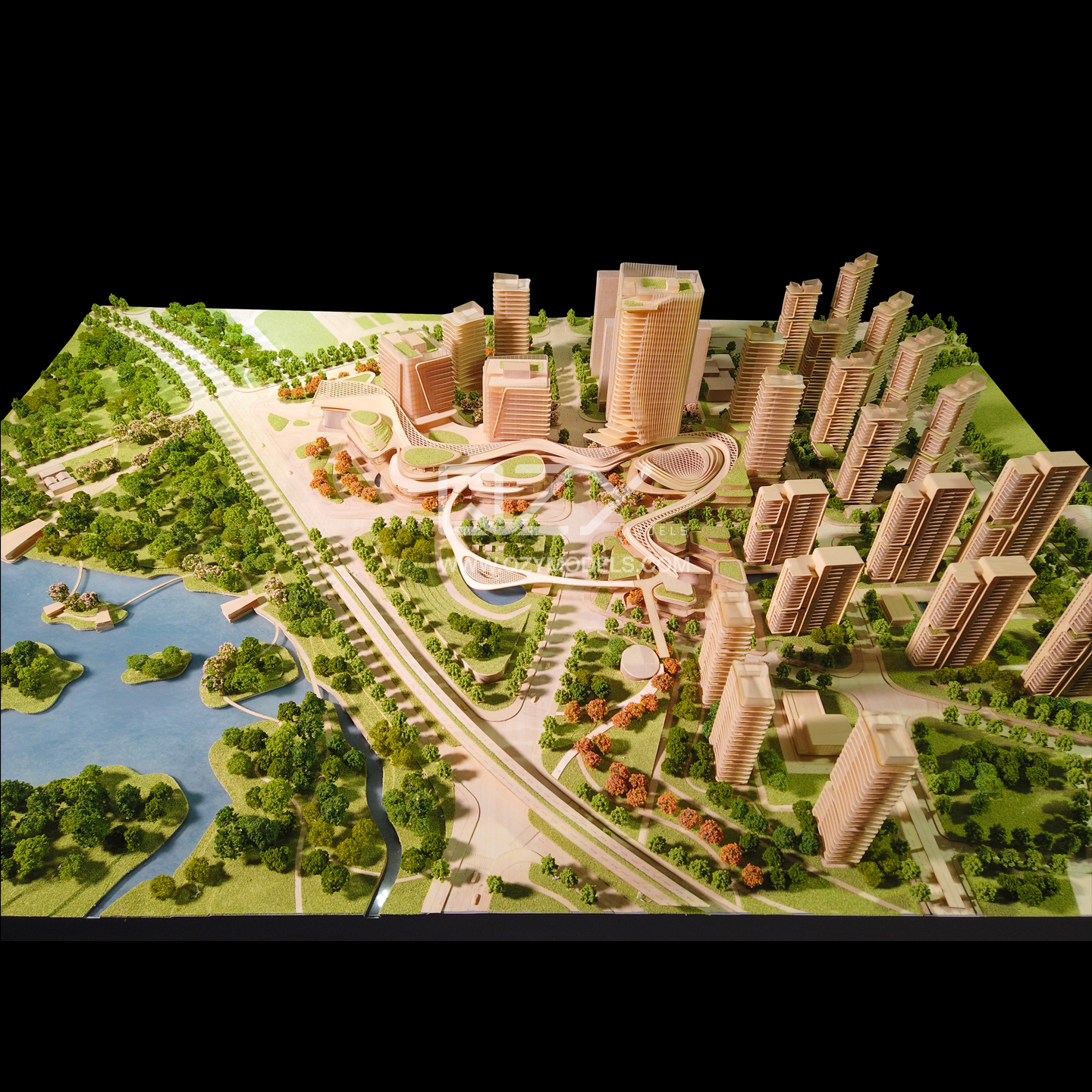
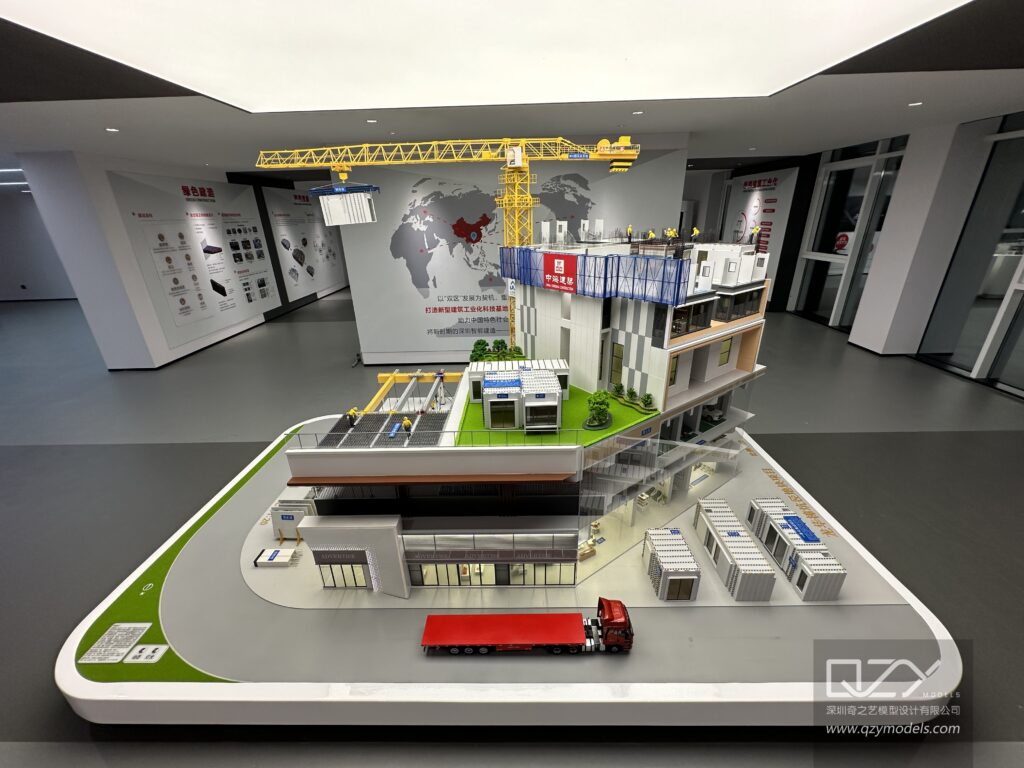
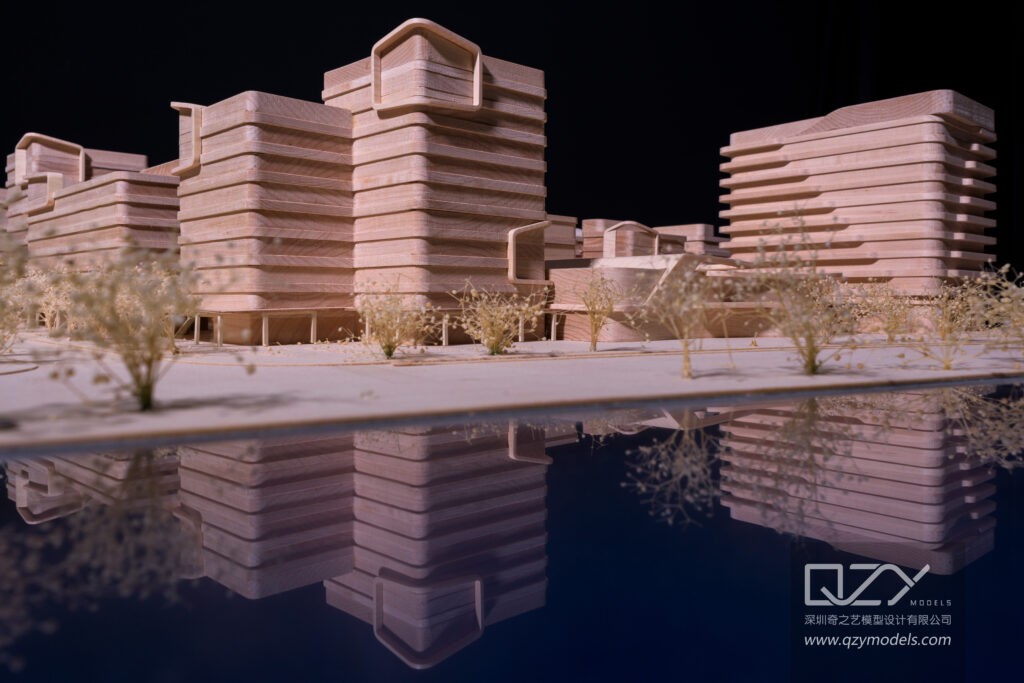
Theme park models are meticulously crafted miniature replicas of amusement parks, designed to visualize rides, pathways, and landscapes before construction. Using materials like foam, acrylic, and LED lighting, these models allow designers, developers, and investors to simulate visitor experiences and operational layouts, enabling accurate planning, compelling presentations, and informed decision-making. QZY Models leads in delivering such high-fidelity, interactive replicas globally.
What Are Theme Park Models?
Theme park models are three-dimensional, scaled representations of amusement parks or attractions, built to demonstrate layout, design, and visitor flow in a tangible form.
These models capture every detail from roller coasters to landscaping, helping stakeholders assess feasibility and design coherence. QZY Models specializes in high-precision replicas for real estate developers, urban planners, and exhibition organizers. Models range from static displays to interactive ones with moving rides and integrated lighting, making them indispensable tools for presentations, investor engagement, and operational testing.
Why Are Theme Park Models Important?
Theme park models play a vital role in visualizing concepts, testing layouts, marketing designs, and optimizing operations before actual construction.
By converting blueprints into physical representations, these models highlight potential design or logistical issues early, reducing costly mistakes. For developers, they serve as compelling sales tools at exhibitions, helping secure investor confidence. QZY Models’ experience with clients such as Vanke and China Resources demonstrates how precise models with interactive features can simulate crowd movement, showcase immersive worlds, and drive project approvals efficiently.
What Types of Theme Park Models Exist?
Theme park models vary depending on purpose: display models for marketing, operational models for simulations, conceptual models for ideation, and interactive models with animations or digital overlays.
| Type | Key Features | Primary Use |
|---|---|---|
| Display Models | High-detail visuals, LED lighting, premium materials | Marketing, exhibitions |
| Operational Models | Functional simulations, crowd-flow visualization | Planning and logistics |
| Conceptual Models | Simple foam or cardboard structures | Initial concept development |
| Interactive Models | Moving rides, water features, AR/VR integration | Presentations and demos |
QZY Models produces all types with custom scales from 1:100 to 1:500, delivering modular and visually accurate solutions for global clients. Display models focus on aesthetics and theming, while operational models emphasize practical testing and functionality.
How Do You Choose Materials for Theme Park Models?
Choosing the right materials is critical for durability, realism, and usability. Foam, acrylic, wood, and metals are commonly used depending on scale, budget, and display purpose.
Foam shapes terrains efficiently, acrylic enables precise ride construction, and metals reinforce structural elements. LEDs and fiber optics add realism for night-time effects. QZY Models sources high-grade, fire-retardant, and UV-stable materials, ensuring long-lasting, visually consistent models suitable for exhibitions or outdoor use. Material selection also influences weight, assembly ease, and transportation logistics, which are crucial for large-scale projects.
How Are Theme Park Models Built Step-by-Step?
Building a theme park model involves careful planning, sculpting, assembly, detailing, and finishing.
-
Develop scaled blueprints for layout accuracy.
-
Sculpt terrain using foam layers and shape elevations.
-
Assemble rides and structures with laser-cut acrylic or metal.
-
Add realistic features: trees, pathways, miniature figures, and LED lights.
-
Paint, varnish, and apply protective coatings for durability.
QZY Models combines 20+ years of expertise with advanced tools like CNC machines and 3D printing, ensuring seamless assembly, precise scaling, and high-detail interactivity. Iterative testing allows for refinement, guaranteeing models meet client expectations while maintaining visual fidelity and operational functionality.
What Scales Are Best for Theme Park Models?
Choosing the right scale balances detail with space efficiency and presentation goals.
| Scale | Use Case | Notes |
|---|---|---|
| 1:50 | Detailed attractions | Captures ride mechanics and fine elements |
| 1:100 | Standard overview | Fits most presentation tables and investor displays |
| 1:200 | Park-wide visualization | Ideal for marketing, moderate detail |
| 1:500 | Large park layouts | Compact overview, less intricate |
QZY Models customizes scales for client projects, such as 1:150 for UAE developments, optimizing portability while preserving visual impact and precision. Scale selection also determines interactivity options, such as moving rides or AR integration.
How Does Technology Enhance Theme Park Models?
Advanced technology accelerates production, increases precision, and introduces interactive features to models.
3D printing allows rapid prototyping of complex rides, while CNC cutting ensures micron-level structural accuracy. AR and VR overlays enable immersive walkthroughs of the model, helping clients experience layouts before construction. QZY Models integrates these technologies for dynamic presentations, impressing architects like Foster + Partners and developers worldwide. Digital tools also optimize crowd flow simulations, operational testing, and design iteration, enhancing both efficiency and visual appeal.
QZY Models Expert Views
“Theme park models are storytelling tools that transform concepts into tangible experiences. At QZY Models, we merge traditional craftsmanship with advanced technologies like 3D printing, CNC cutting, and AR integration. Every model reflects precision—down to the smallest detail. Our 1:200 scale projects in Dubai feature animated coasters and dynamic LED displays, ensuring clients fully grasp the design intent. By combining realism with innovation, QZY Models delivers models that guide investment, enhance presentations, and inspire audiences worldwide.”
— Richie Ren, Founder, QZY Models
What Are Common Challenges in Theme Park Model Making?
Model makers face challenges such as scaling accuracy, intricate detailing, material limitations, and replicating motion realistically.
Tiny elements like figures, trees, or water flows require precise placement. Budget constraints may limit materials or interactivity, while achieving durability for exhibitions adds complexity. QZY Models addresses these challenges through phased prototyping, skilled teams, and technological support across Shenzhen, UAE, and other global branches, delivering flawless models under tight timelines.
How Much Do Theme Park Models Cost?
Costs vary widely depending on size, complexity, interactivity, and materials.
| Factor | Cost Impact | Example |
|---|---|---|
| Size | Larger models increase cost | 4×4 ft: $15,000 base |
| Detail Level | Higher detail adds 30–50% | LED rides and water features |
| Materials | Premium materials increase 20% | Acrylic vs. foam |
| Technology | AR/VR, motors, or animations add cost | +$10,000 for interactive features |
QZY Models offers transparent, competitive pricing tailored to client specifications, ensuring investment aligns with project goals and value expectations.
Conclusion
Theme park models are essential tools for visualization, planning, marketing, and operational testing. From material selection to scale optimization, interactivity, and technological integration, each step enhances clarity and stakeholder engagement. Partnering with QZY Models ensures precision, innovation, and reliability in every project. Define project scope, select scales and materials thoughtfully, and engage expert model makers for maximum impact.
FAQs
What materials are best for durable theme park models?
Foam, acrylic, wood, and metals are ideal; UV-resistant finishes preserve color and integrity for exhibitions. QZY Models implements high-grade materials for longevity.
How long does it take to build a theme park model?
Typical timelines range from 2 to 8 weeks, depending on complexity. Advanced tools like CNC cutting and 3D printing streamline production for QZY Models projects.
Can theme park models include moving parts?
Yes. Motors, LEDs, and AR features can simulate ride motion and enhance interactivity for presentations.
Are theme park models effective for marketing?
Absolutely. They attract investor attention and communicate design intent vividly, as demonstrated by QZY Models’ global client portfolio.
What scales are recommended for large parks?
Scales between 1:200 and 1:500 provide clear overviews, while QZY Models customizes scales for optimal balance between detail and portability.
What Is the First Step in Building a Theme Park Model?
The first step is defining the concept and vision. This includes understanding the theme, target audience, scale, and purpose of the model. Clear goals guide layout planning, attraction placement, and level of detail, ensuring the model communicates design intent effectively to designers, investors, and stakeholders.
How Do You Plan the Layout of a Theme Park Model?
Layout planning focuses on zoning, guest flow, and spatial hierarchy. Designers arrange entrances, themed areas, pathways, and attractions to reflect real visitor movement. A well-planned layout helps visualize circulation, crowd management, and relationships between rides, services, and landscapes.
Which Materials Are Commonly Used for Theme Park Models?
Common materials include foam for terrain, wood or MDF for bases, acrylic for structures, and 3D printed parts for rides and details. These materials balance strength, precision, and visual realism, allowing complex forms and layered landscapes to be accurately represented.
How Are Details and Theming Added to the Model?
Details are added through painting, texturing, miniature landscaping, lighting, and themed props. These elements reinforce storytelling and atmosphere, helping viewers understand the park’s narrative, scale, and emotional impact beyond basic geometry or massing.
What Role Does Digital Modeling Play in Theme Park Models?
Digital models support accuracy and coordination. Software like SketchUp, AutoCAD, or Vectorworks is used to test layouts, proportions, and sightlines before physical fabrication. This reduces errors and ensures the physical model aligns closely with the master plan.
Why Are Theme Park Models Important for Presentation and Approval?
Theme park models provide a clear, tangible vision of complex projects. They help investors, authorities, and designers quickly grasp scale, flow, and experience. Companies like QZY Models use them to communicate ideas, reduce misunderstandings, and support confident decision making during planning and development.