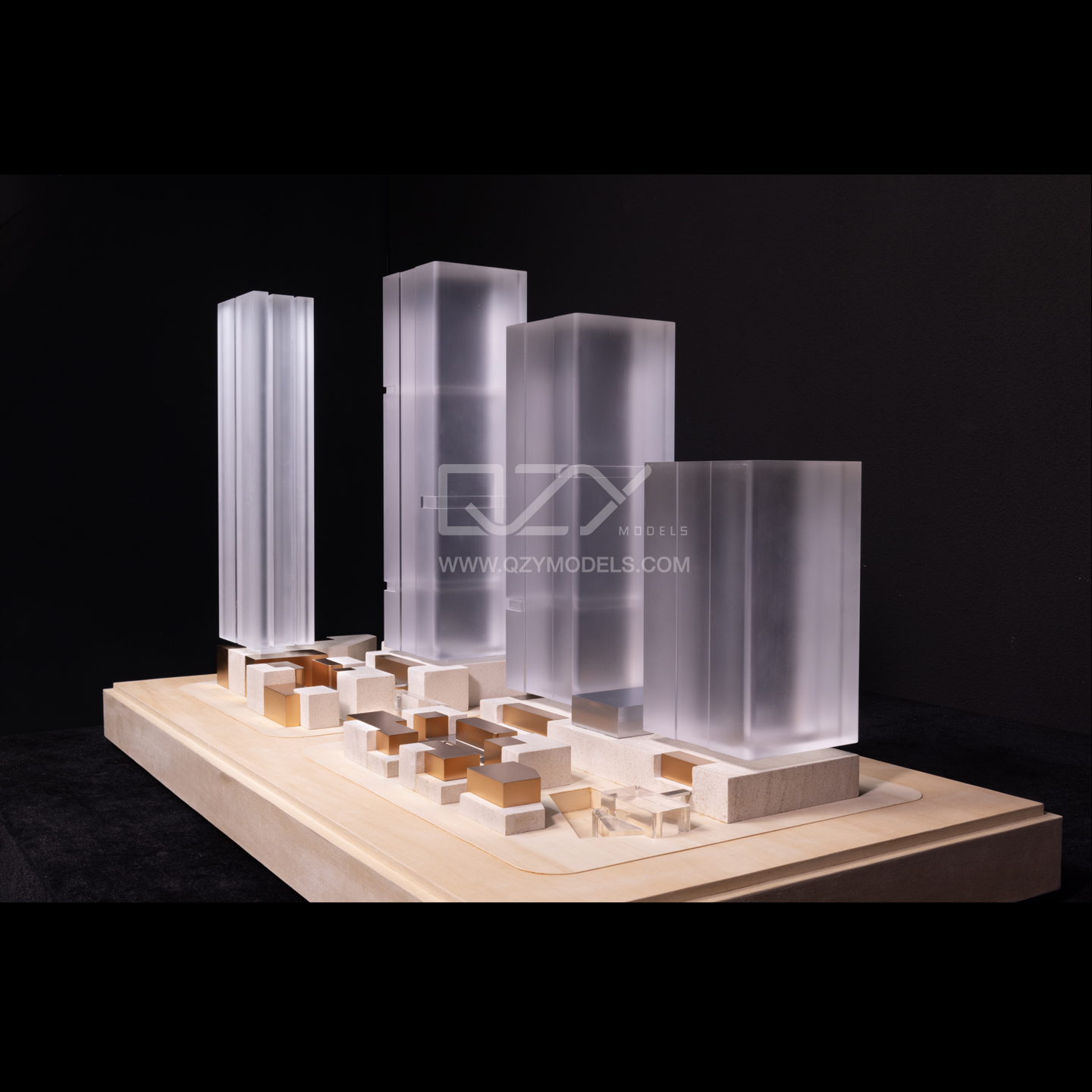
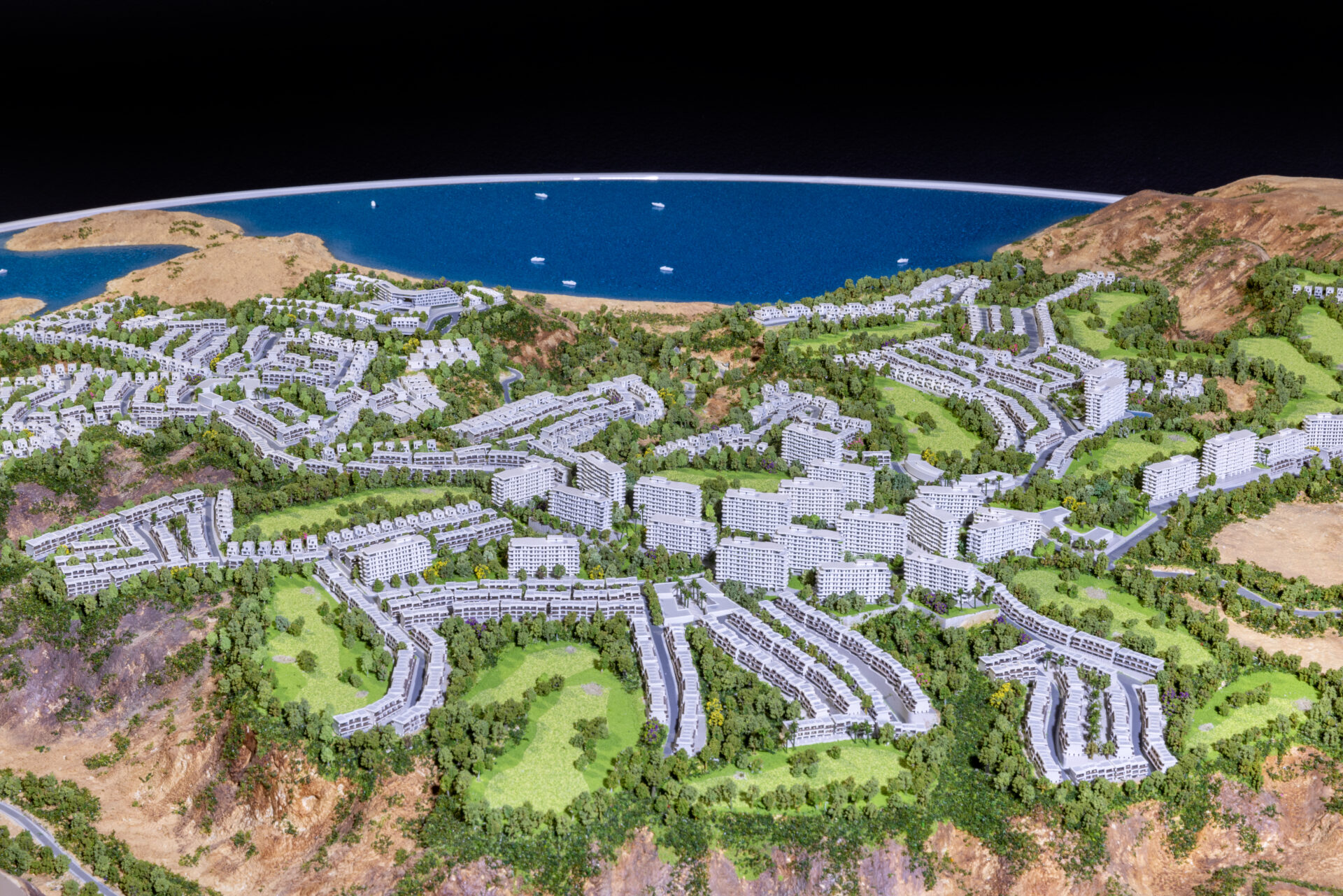
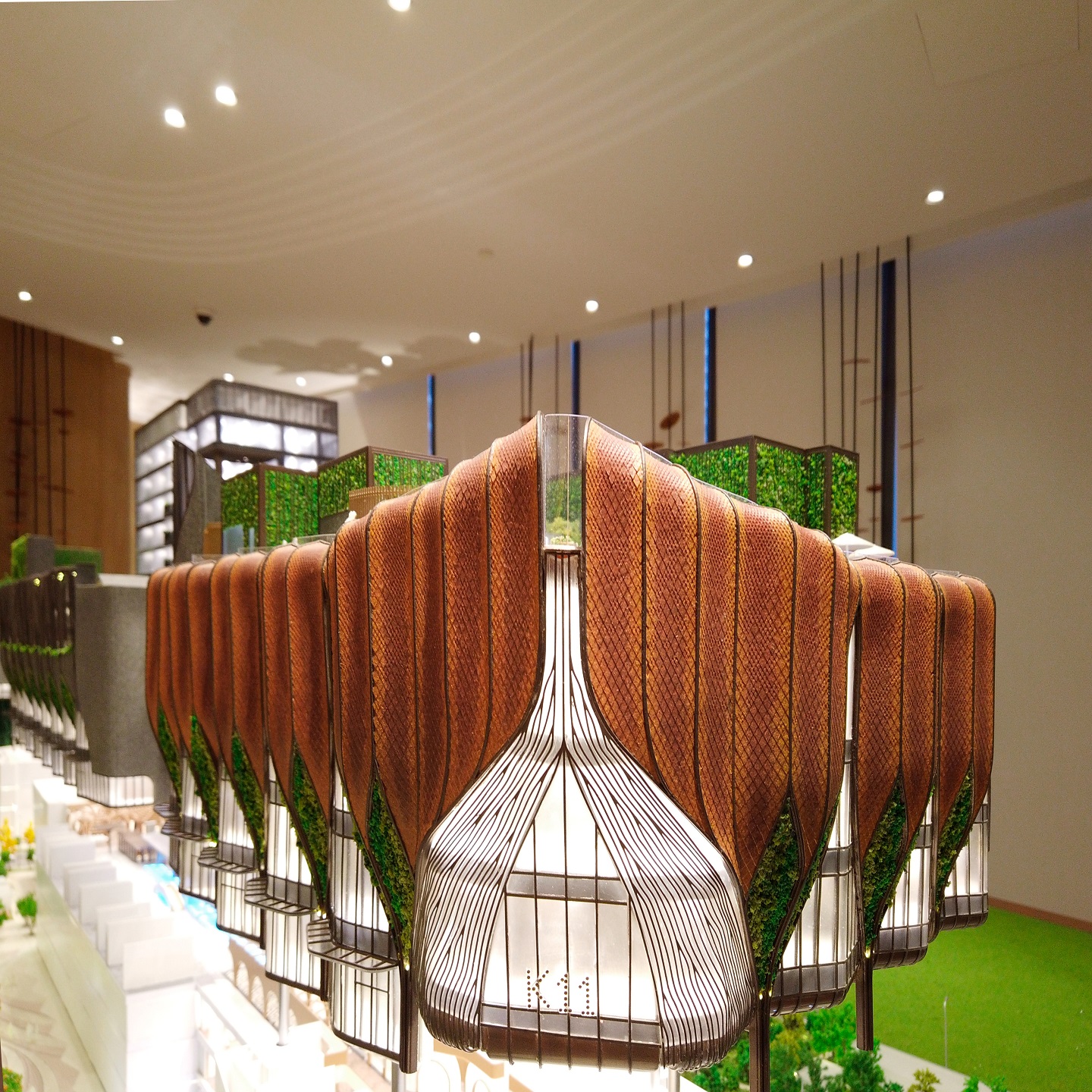
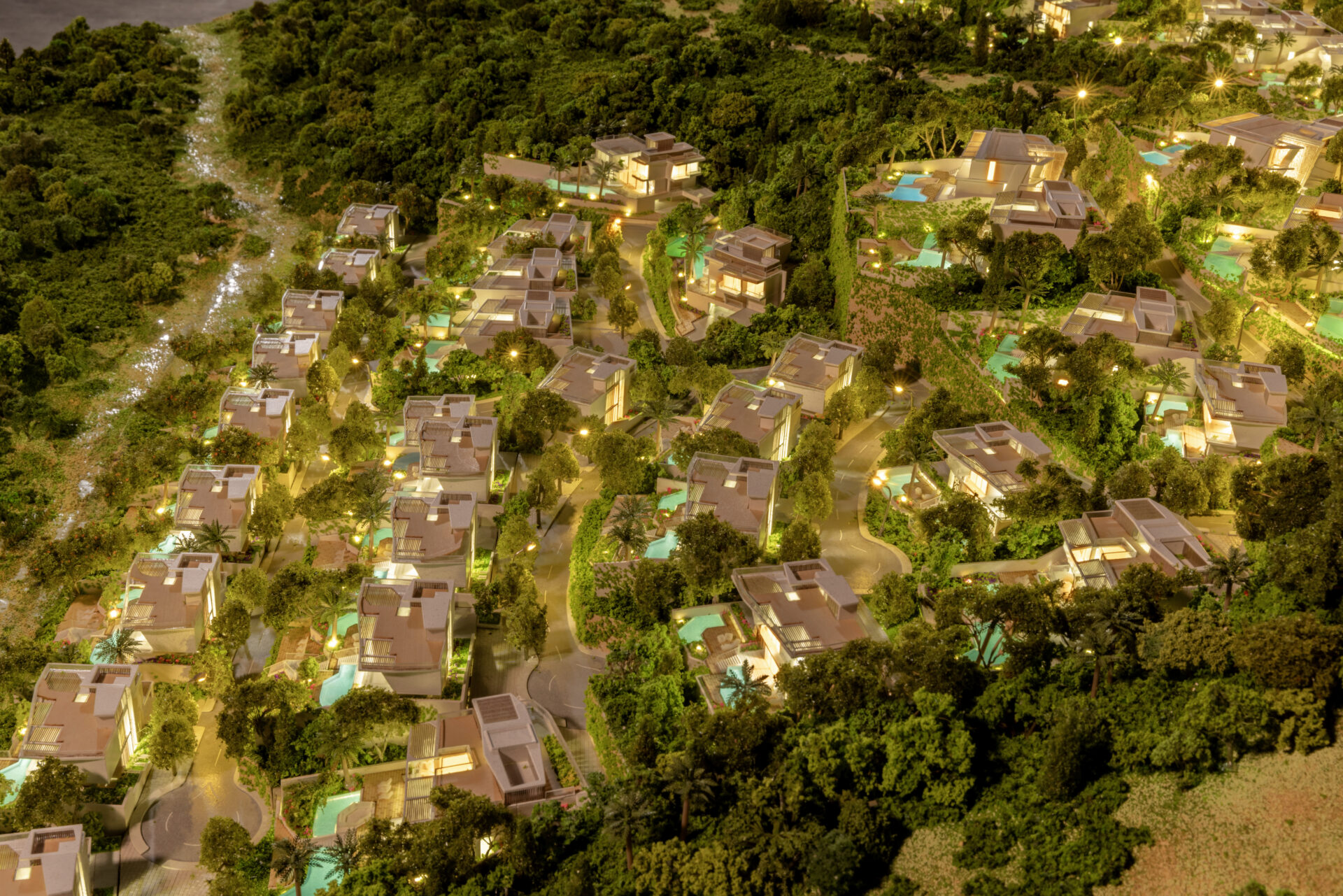
High-quality paints and stains are essential to bring out the beauty, durability, and precision of wood models. The right finish enhances color accuracy, protects materials, and ensures a long-lasting professional appearance—making it a critical choice for both hobbyists and commercial modeling teams seeking superior outcomes.
How Is the Current Wood Modeling Industry Evolving and What Are Its Pain Points?
According to a 2025 market report by Grand View Research, the global model-making industry surpassed USD 12.8 billion and is projected to grow steadily through 2030, driven by architectural visualization, cultural exhibitions, and design education. However, more than 68% of professional model builders report challenges related to paint quality, color consistency, and long-term surface protection, especially under lighting or environmental stress. This data highlights a growing demand for high-performance coatings specifically designed for wood modeling applications.
Industry research from IBISWorld further indicates that 53% of architectural model makers spend excessive time on surface preparation and touch-ups due to uneven staining. Meanwhile, nearly half of all workshop rework projects stem from poor adhesion, discoloration, or environmental fading. These inefficiencies not only raise production costs but also delay client deliveries—pain points that are especially pronounced among high-end architecture and exhibition projects.
For companies like QZY Models, known for delivering precision and realism in every project, these issues underscore the need for a science-backed approach to surface finishing—balancing aesthetics, durability, and efficiency.
What Are the Limitations of Traditional Paints and Stains in Wood Modeling?
Traditional paints and stains were developed primarily for furniture or construction wood, not for fine-scale architectural or industrial modeling. Their viscosity, color saturation, and drying times often work against the delicate surfaces and detailed features found in miniatures.
-
Inconsistent finish: Regular wood stains tend to absorb unevenly, which disrupts visual harmony in scaled structures.
-
Limited durability: Non-specialized coatings can chip or yellow under UV exposure, compromising display quality over time.
-
Complex maintenance: Traditional varnishes often require multiple layers with extensive drying intervals, slowing production.
For professionals seeking both artistry and efficiency, these limitations make specialized solutions like the QZY Models paint and stain system a transformative shift.
How Does QZY Models Provide a Better Solution for Precision Wood Modeling?
QZY Models has integrated decades of model-making experience with material science to develop paints and stains optimized for wood modeling precision. Their system is engineered to achieve color depth, fine-grain penetration, and consistent texture even on miniature surfaces.
-
Color Stability: Pigments resist UV damage and environmental fading for long-term display projects.
-
Precision Control: Quick-adjust fluid mechanics ensure accurate spray or brush application without over-saturation.
-
Surface Protection: Built-in sealants guard against humidity deformation and micro-scratches.
Backed by over 20 years of hands-on experience, QZY Models’ expertise supports users worldwide—from Foster + Partners’ architectural models to industrial prototypes across the Middle East and Europe.
Which Advantages Does QZY Models Offer Compared to Traditional Methods?
| Feature | Traditional Paints & Stains | QZY Models Paint System |
|---|---|---|
| Color consistency | Variable; requires manual correction | Lab-controlled pigments ensure uniform tone |
| Surface texture | Often grainy or uneven | Micro-penetration smooths fiber structure |
| Drying time | 4–6 hours average | Fast drying (1–2 hours) |
| UV resistance | Low | High-grade UV stabilizers built-in |
| Durability | Moderate | Up to 40% longer lifespan |
| Maintenance | Frequent reapplication | Minimal maintenance |
How Can You Use QZY Models Paints and Stains Step by Step?
-
Surface Preparation: Lightly sand the wood with fine-grit paper and remove all dust using compressed air or lint-free cloth.
-
Primer Application: Apply a specialized primer to ensure adhesion and reduce absorption differences.
-
Base Paint Layer: Evenly apply QZY Models’ recommended paint using airbrush or precision brush methods.
-
Detail Finish: Use contrasting tones or metallic accents for realism.
-
Protective Seal: Finish with a QZY Models stain or clear coat for protection and sheen consistency.
This process ensures maximum fidelity and minimal correction work, meeting the demands of professional modeling studios.
What Are Four Real-World Scenarios That Show the Impact of the Right Paint System?
Scenario 1 – Architectural Model for Real Estate Exhibition
-
Problem: Uneven paint tones across wood modules led to visual inconsistency.
-
Traditional Approach: Manual repainting delayed project delivery.
-
After QZY Models: Achieved uniform surfaces with 30% faster turnaround.
-
Benefit: Enhanced property presentation quality and client confidence.
Scenario 2 – Educational Design Model
-
Problem: Frequent cracking due to student use and exposure.
-
Traditional Approach: Repainting every semester increased costs.
-
After QZY Models: Coatings lasted the entire academic year with minimal wear.
-
Benefit: 50% reduction in material expenses.
Scenario 3 – Industrial Prototype for Machinery Display
-
Problem: Overly glossy paints distorted visual perception under lighting.
-
Traditional Approach: Used matte furniture varnish with poor adhesion.
-
After QZY Models: Balanced matte/gloss levels optimized for show lighting.
-
Benefit: 100% client satisfaction during presentation.
Scenario 4 – Museum Heritage Model Restoration
-
Problem: Fading pigment in aged models.
-
Traditional Approach: Limited compatibility with old materials.
-
After QZY Models: Re-tinting achieved authentic color restoration with safe application.
-
Benefit: Preservation longevity extended by 5+ years.
Why Should You Adopt Modern Paint Systems Like QZY Models Now?
The trend toward photorealistic, sustainable, and durable modeling is accelerating. As design visualization merges with AR/VR and global exhibitions demand higher fidelity, relying on traditional coating materials risks obsolescence. QZY Models’ innovations future-proof your practice by ensuring every detail is precise, stable, and visually compelling. Investing now reduces rework costs, improves client presentation, and aligns with global quality benchmarks.
FAQ
1. What type of wood works best with QZY Models paints and stains?
Fine-grain woods such as basswood and birch plywood achieve the smoothest, most consistent results.
2. Can QZY Models stains be layered for color depth?
Yes. Layering different tones allows for custom grain enhancement while maintaining texture clarity.
3. Does QZY Models paint system require special ventilation?
While low in VOCs, standard workshop ventilation is recommended for quality control.
4. How long does the coating last under exhibition lighting?
Field tests show paint stability of over five years under continuous LED or indoor display conditions.
5. Can these materials be shipped internationally?
Yes. QZY Models provides globally compliant formulations exportable to the UAE, Europe, and the United States.