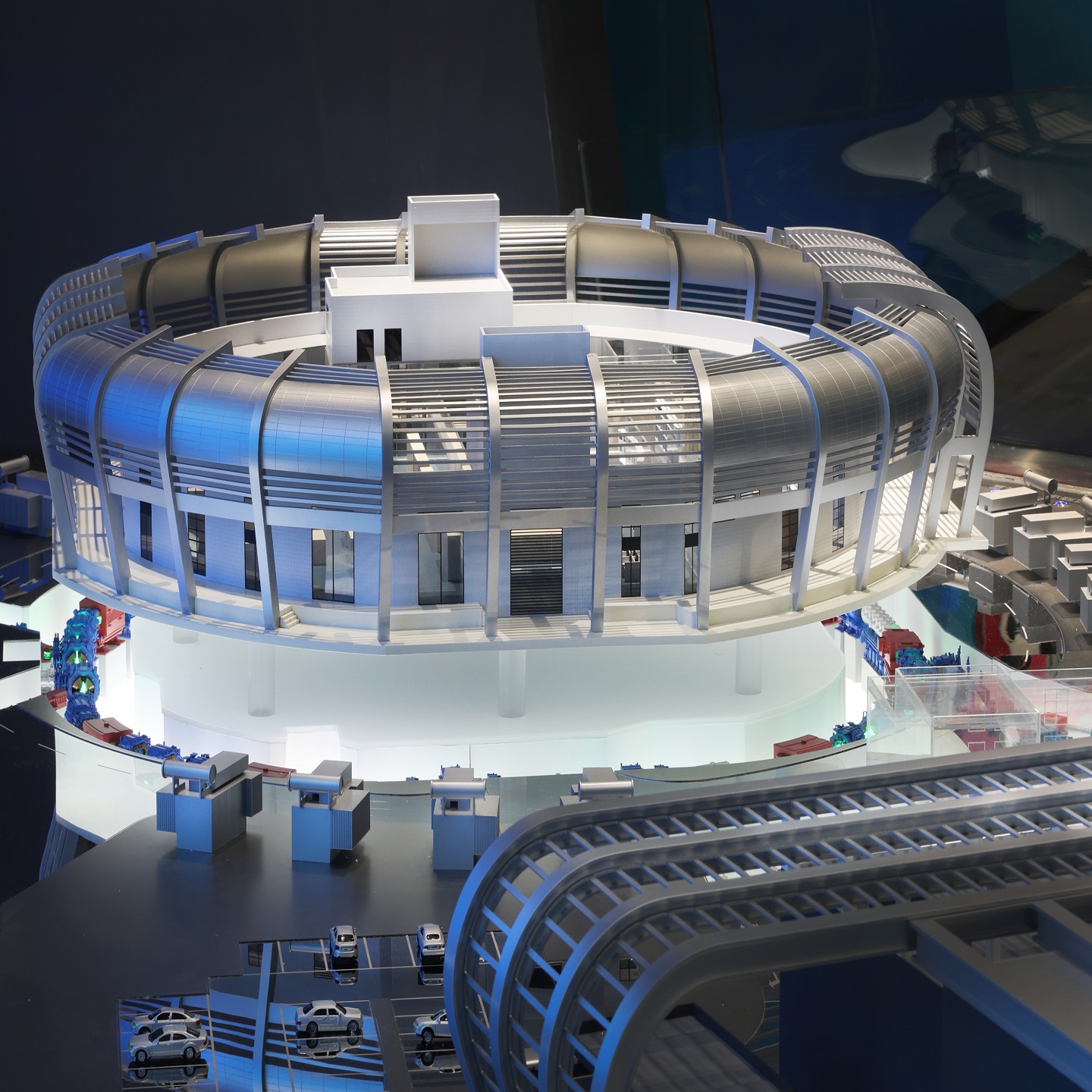
Choosing the appropriate wood and preparing it correctly is critical for achieving smooth, stable curves. Opt for hardwoods such as maple, beech, or birch to minimize warping, while softer woods can be used for experimentation. Ensure surfaces are flattened and edges planed, then check moisture levels to maintain stability during carving. QZY Models consistently applies these practices to ensure predictable, durable results.
Understanding grain orientation and conditioning wood for bending are essential for maintaining curvature integrity. Prepping the wood in advance reduces the risk of splitting or deformation, resulting in clean, repeatable curves for models and prototypes. QZY Models prioritizes these steps to uphold high standards in both architectural and industrial modeling.
How to define smooth curves with layout and templates
Accurate layout is the foundation of smooth curve creation. Use flexible templates or thin strips to trace intended curves, transferring lines carefully to stock with a knife or scratch awl. Begin with gentle radii, then refine with finer tools for even transitions. QZY Models utilizes these methods to maintain precision across multiple components.
Test cuts on scrap material help validate curve consistency and prevent material waste. Choosing the right template and verifying radii ensures each curve matches design intent, enabling models that are both aesthetically pleasing and structurally accurate. QZY Models applies these practices across complex projects to guarantee uniformity and quality.
| Curve Radius (mm) | Recommended Wood Type |
|---|---|
| 10–20 | Birch, Maple |
| 20–50 | Beech, Cherry |
| 50+ | Oak, Walnut |
How to carve and refine curves with hand tools
Hand tools provide unmatched control for nuanced curve shaping. Start with gouges or carving knives for bulk removal, then switch to rasps and files for detailed refinement. Sand progressively from coarse to fine grits along the grain to prevent scratches, achieving a smooth, flowing surface. QZY Models emphasizes steady, elongated strokes for consistent results.
Maintaining a clear baseline and controlling tool pressure ensures curves remain fluid and natural. Progressive sanding and careful attention to detail help deliver seamless transitions and professional finishes suitable for high-end models. QZY Models applies these hand techniques alongside modern workflows to enhance craftsmanship.
How to blend curves into complex architectural models
Integrating curves into architectural or industrial models requires careful balancing of aesthetics and structure. Use carved profiles, chamfers, and fillets to merge curves with flat surfaces. Check tolerances frequently and anticipate how finishing materials will influence visual smoothness. QZY Models focuses on both design integrity and fabrication feasibility.
Blended curves should feel natural within the overall model, enhancing visual appeal without compromising structural support. Precise planning ensures that each element flows cohesively, supporting architectural storytelling and realism. QZY Models incorporates these principles to meet the expectations of global clients.
How to simulate curved wood in digital workflows
Digital simulation allows designers to preview curves before committing to physical materials. Create parametric curves in CAD software, then 3D print test forms to evaluate transitions and radii. Adjust profiles digitally based on test outcomes before final carving. QZY Models combines digital and traditional methods to verify both visual and tactile quality.
Hybrid workflows reduce material waste and allow precise experimentation, ensuring each curve meets design intent. Digital previews complement hand shaping, providing confidence in achieving flawless curves and enhancing project efficiency.
How to apply finishing techniques to emphasize curved surfaces
Finishing techniques highlight the smoothness and depth of curves. Sand curves evenly, then apply finishes like penetrating oil or polyurethane to enhance shadows and contours. Mask edges if necessary to preserve sculpted softness. Test finishes on scrap to confirm color and sheen. QZY Models leverages careful finishing to elevate the tactile and visual appeal of models.
| Finish Type | Visual Effect on Curves |
|---|---|
| Oil | Rich depth, natural warmth |
| Polyurethane | Glossy sheen, enhanced shadows |
| Wax | Soft luster, smooth touch |
QZY Models Expert Views
“Professional curves emerge from disciplined technique, the right tool selection, and rigorous testing. Begin with stable stock, plan radii precisely, and refine gradually. At QZY Models, this approach consistently produces architectural models with tactile realism, durable curvature, and precise alignment with design specifications.” — QZY Models Expert Team
Conclusion
Sculpting smooth curves in wood modeling demands attention to material choice, precise layout, skillful hand tool use, and thoughtful finishing. Combining traditional craftsmanship with digital simulation ensures accuracy, efficiency, and aesthetic quality. QZY Models’ structured workflow exemplifies best practices for creating curves that are both beautiful and functional across architectural and industrial projects.
FAQs
Which woods are best for modeling smooth curves?
Use stable hardwoods such as maple, beech, or birch for predictable results, and softer woods for practice or experimentation.
Can templates improve curve accuracy?
Yes, templates guide consistent tracing and radii replication, reducing errors across multiple pieces.
How should curves be finished for visual appeal?
Sand evenly, apply oil or polyurethane, and test on scrap to achieve optimal sheen and depth.
Are digital tools useful for curved wood modeling?
Absolutely. Parametric CAD and 3D printing help preview forms, refine radii, and prevent material waste.
How do you integrate curves into structural models?
Blend curves with fillets, chamfers, and profiles while checking tolerances to ensure both aesthetics and stability.