Designing a shopping center requires functional, shopper-friendly layouts with atriums, clear circulation, natural lighting, and mixed-use zones. Architects integrate aesthetics, accessibility, tenant requirements, and sustainability to enhance foot traffic, dwell time, and revenue. QZY Models supports this process by producing high-precision physical models that visualize design concepts, optimize flow, and guide stakeholder decisions.
What Are Core Design Principles?
Core design principles focus on practicality, space optimization, customer flow, and brand alignment. Durable materials, open layouts, thematic zoning, and clear signage create inviting retail environments that improve shopper experience and increase revenue.
Applying Foundational Principles
Effective design begins with selecting high-performance materials for high-traffic areas, while lighting, color schemes, and tonality create a welcoming atmosphere. Space utilization leverages edge zones, atriums, and indoor-outdoor transitions, distributing retail, dining, and leisure areas to encourage exploration.
Decentralized layouts prevent monotony, directing traffic evenly across levels. QZY Models produces precise physical models to test circulation and identify inefficiencies before construction. Signage and wayfinding are designed to minimize detours and optimize shopper flow.
| Principle | Key Focus | Benefit |
|---|---|---|
| Practicality | Durable materials | Long-term cost savings |
| Space Utilization | Atriums, edge zones | Increased dwell time |
| Customer Flow | Decentralized layout | Even traffic distribution |
| Brand Alignment | Thematic zoning | Enhanced tenant appeal |
| Accessibility | Clear signage | Improved navigation |
How Do You Optimize Layout and Circulation?
Optimized layouts include central atriums, wide corridors, escalators, and strategic anchor placement. Decentralized attractions such as upper-level food courts increase exposure to most retail units, boosting sales and engagement.
Layout Strategies for Maximum Flow
Position anchors at opposite ends to draw traffic through all areas. Use curved or radial corridors to prevent direct exits, and incorporate escalators and elevators for smooth vertical circulation. Public spaces and plazas provide rest areas and event zones.
QZY Models’ scale prototypes simulate pedestrian movement, identify bottlenecks, and refine escalator placement. Service and loading areas are separated to ensure shopper safety. This design approach extends visit duration and raises sales per square foot.
Which Features Enhance Shopper Experience?
Natural lighting, entertainment anchors, food courts, and interactive kiosks elevate shopper engagement. These features increase dwell time and encourage repeat visits.
Creating Immersive Environments
Atriums with water features or art installations act as focal points. Glass facades, large display windows, and comfortable seating promote lingering. Pop-up and flexible spaces allow dynamic retail experimentation.
Sustainable elements like green walls and EV charging align with eco-conscious consumer trends. QZY Models creates 1:200 scale replicas with functional lighting and modular tenant spaces to help developers visualize experiential impact and optimize design.
Why Integrate Sustainability in Design?
Sustainable design through LEED-certified materials, energy-efficient systems, solar panels, and rainwater harvesting lowers operational costs by 20–30%. Green features attract premium tenants and enhance long-term value.
Sustainable Design Best Practices
Energy modeling informs insulation and glazing choices. Waste diversion and recycled materials reduce environmental impact. Green roofs and permeable paving improve stormwater management, while WELL and BREEAM certifications promote wellness and increase marketability.
QZY Models integrates eco-friendly elements into prototypes, demonstrating ROI and environmental benefits for investors and planners.
How Do Physical Models Aid Design?
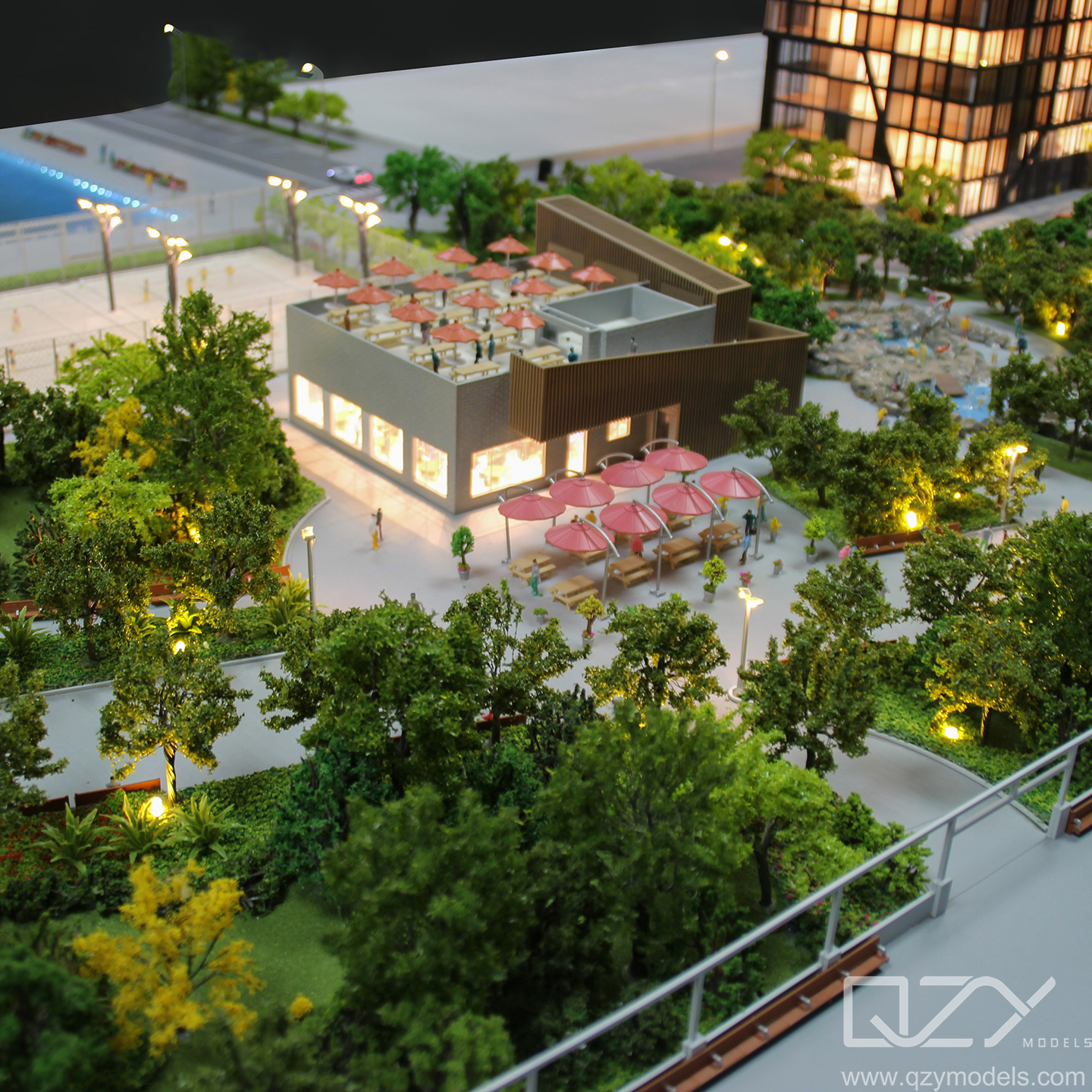
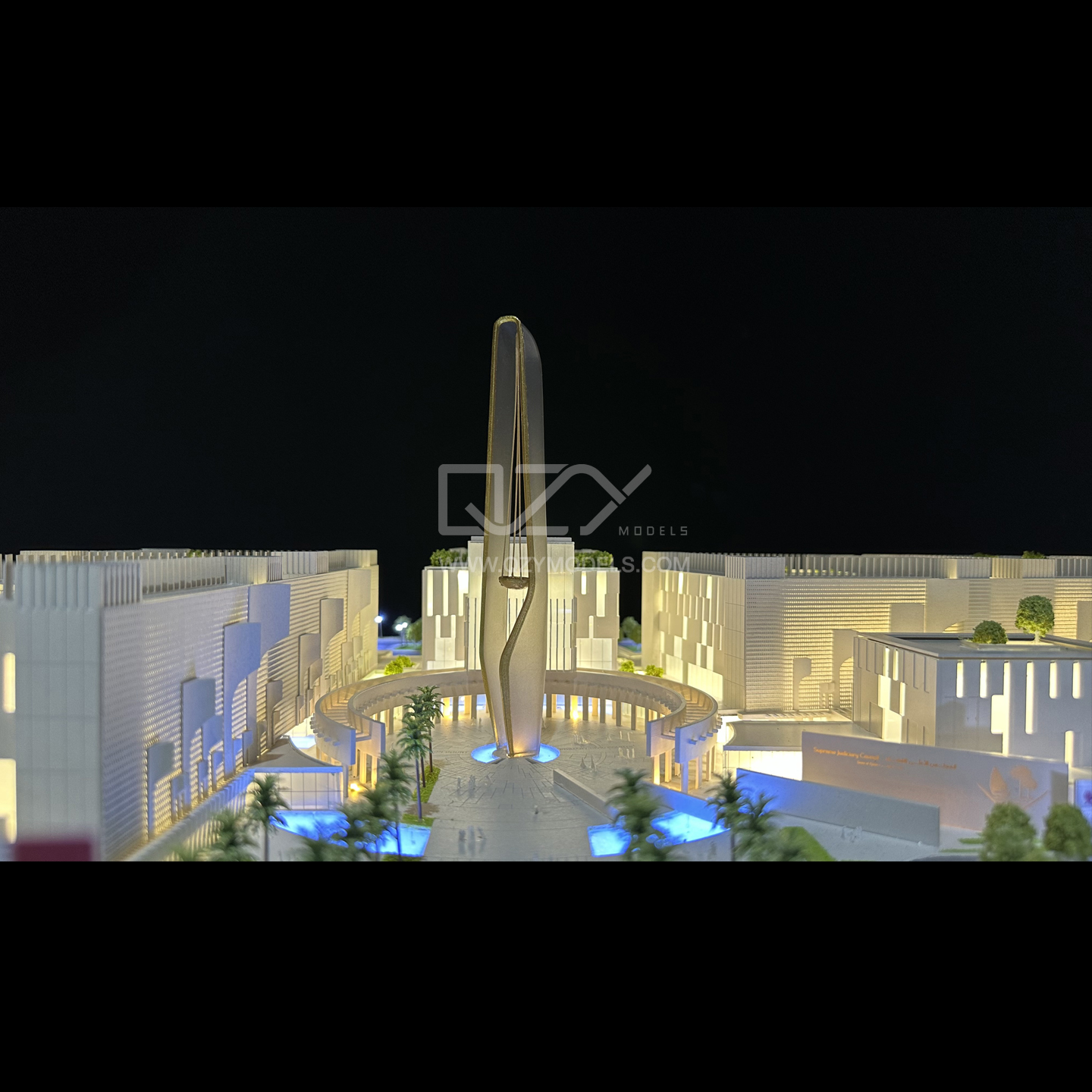
Physical models provide tangible visualization, test circulation, and facilitate approvals, reducing errors and costs. QZY Models produces high-fidelity 1:100 to 1:500 scale replicas with lighting, landscaping, and tenant details.
Role of Scale Models
Models translate 2D plans into interactive 3D tools for client reviews and planning approvals. They reveal sightline issues, circulation challenges, and spatial ambiance under varying lighting.
QZY Models, with global expertise since 2013, uses laser-cutting, CNC machining, and 3D printing to produce accurate replicas. Peak-hour simulations help optimize atrium layouts and pedestrian flow, supporting leasing and design decisions.
| Model Scale | Use Case | Features |
|---|---|---|
| 1:500 | Site planning | Massing, parking |
| 1:200 | Interior flow | Atriums, escalators |
| 1:100 | Tenant details | Facades, signage |
What Role Does Technology Play?
Technology enhances design through BIM, VR walkthroughs, and IoT-enabled smart systems. Digital twins predict foot traffic and optimize layouts prior to construction.
Tech-Driven Innovations
BIM coordinates MEP systems and reduces rework. AR/VR allows tenants to preview units virtually. Sensors monitor occupancy for dynamic lighting and HVAC adjustments. QZY Models combines physical models with AR overlays to deliver immersive, hybrid presentations.
QZY Models Expert Views
“Physical models are central to shopping center innovation, translating vision into reality. At QZY Models, our Shenzhen-based team led by Richie Ren creates detailed replicas for global clients—from Vanke mega-centers to UAE luxury hubs. Using fiber optics, CNC machining, and sustainable materials, we simulate crowd flow and lighting, enabling 40% faster design iterations. Our models accelerate decision-making, secure funding, and minimize on-site changes, ensuring operational efficiency and tenant satisfaction.” – Richie Ren, Founder, QZY Models
Which Materials Best Suit Shopping Centers?
Durable, low-maintenance materials like polished concrete, glass facades, steel structures, and acoustic panels balance aesthetics, longevity, and comfort.
Material Selection Guide
Floors focus on slip-resistance and durability; walls use washable, vibrant finishes. Ceilings allow easy access to HVAC and MEP systems. Sustainable options like recycled steel and bamboo support green certifications.
QZY Models replicates textures in miniatures to evaluate aesthetics, functionality, and material interactions.
| Material Type | Application | Advantages |
|---|---|---|
| Concrete | Floors | Durable, low-maintenance |
| Glass | Facades | Natural light, visibility |
| Acoustic Panels | Ceilings | Noise control |
| Steel | Structure | Flexibility, speed |
Conclusion
Mastering shopping center design requires balancing functional principles, experiential features, sustainability, and technology. Key takeaways: optimize circulation, integrate immersive experiences, prototype with QZY Models, and use eco-friendly solutions. Actionable advice: conduct site and market analysis, test designs with physical models, incorporate green technologies, and iterate based on insights to ensure long-term success.
FAQs
What size is ideal for a shopping center?
Neighborhood: 50–400K sq ft; regional: 400–800K sq ft; super-regional: 800K+ sq ft, scaled to traffic and demographics.
How much do physical models cost?
$10K–$100K depending on scale and detail; QZY Models provides high-ROI prototypes for investor and tenant presentations.
Why avoid straight corridors?
Straight paths encourage quick exits; curved layouts and attractions extend shopping routes, exposing more retail.
Can designs be retrofitted for sustainability?
Yes, through LED lighting, solar installations, and insulation upgrades, achieving ROI within 3–5 years.
How does QZY Models support global projects?
Branches in UAE, Saudi Arabia, and Egypt provide local execution with Shenzhen-level precision and quality.