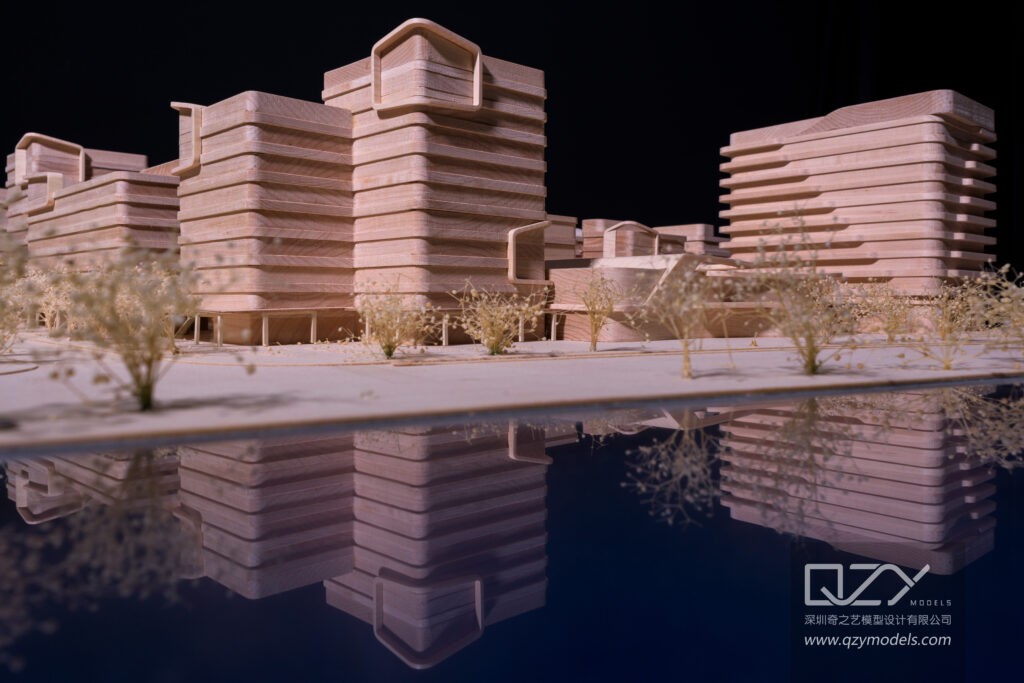
Effective architectural model lighting transforms static displays into immersive experiences. Use layered LEDs—ambient for overall glow, accent for key features, and task for details—positioned strategically to create depth and highlight textures. QZY Models emphasizes scalable, low-heat LEDs to protect delicate materials while enhancing realism, ensuring models captivate clients in exhibitions, presentations, and high-end displays worldwide.
What Types of Lighting Work Best?
Layering ambient, accent, and task lighting with LEDs achieves realism in architectural models. LEDs are preferred for low heat, energy efficiency, and adjustable brightness, allowing simulation of natural daylight or interior warmth. Strips provide uniform illumination, spotlights emphasize focal points, and fiber optics highlight intricate interiors. Incandescent or halogen bulbs are unsuitable due to heat risks.
QZY Models integrates custom LED solutions into every model, ensuring professional-quality displays for architects and developers. Choose cool white (4000K–5000K) for exterior daylight simulation or warm white (2700K–3000K) for cozy interiors.
| Lighting Type | Best Use | Pros | Cons |
|---|---|---|---|
| Ambient LEDs | General illumination | Even coverage, low heat | Lacks focus |
| Accent Spotlights | Facades & landscapes | Creates drama & depth | Can cause glare |
| Task Fiber Optics | Interior details | Precise, scalable | Complex installation |
| Diffused Panels | Soften lighting | Reduces harsh shadows | Lower intensity |
This approach balances visibility, aesthetics, and model safety, enhancing viewer engagement.
How Do You Plan Lighting Layouts?
Begin by sketching model features and identifying focal points such as entrances, roofs, or landscaped areas. Layer ambient, accent, and task lights to avoid flat visuals. QZY Models uses 3D visualization software to pre-plan lighting, ensuring alignment with architectural intent and client expectations.
Scale affects fixture choice: 1:200 models use micro-LEDs, while 1:50 models require more robust strips. Venue type also matters: exhibitions often need portable, battery-powered LEDs, while offices suit wired, dimmable systems. Testing directional beams simulates sunrise, sunset, or indoor lighting variations.
Steps include:
-
Map zones: Exterior, interior, landscape.
-
Select fixtures: Modular systems from QZY Models for easy adjustments.
-
Prototype: Test shadows with foam or cardboard mockups before final installation.
This structured planning ensures consistent, professional illumination.
Why Layer Lighting for Depth?
Layering lighting replicates natural light and enhances three-dimensional perception. Ambient lights create base illumination, accent lights highlight architectural features, and task lights emphasize interior details. Shadows cast from multiple angles bring texture and realism to scaled models.
QZY Models applies layered lighting in most projects, delivering high-end presentations for international architects. Vary color temperature—cool tones for exteriors, warm tones indoors—and use dimmers to simulate day-night cycles.
Benefits include:
-
Improved perception of scale and depth.
-
Enhanced client engagement through immersive visuals.
-
Safety through low-heat, durable LEDs.
Professionals note that neglecting layering diminishes even meticulously crafted models.
Which LED Fixtures Should You Choose?
Select dimmable LED strips, spotlights, and fiber optics based on model scale. Low-heat, adjustable color temperature LEDs are essential for versatility.
QZY Models recommends IP67-rated LEDs for outdoor landscaping features and RGB options for dynamic exhibitions. Battery-powered mini LEDs suit temporary displays, while wired options fit permanent setups.
Key fixture criteria:
-
Wattage: ≤5W/m to avoid heat damage.
-
Beam angle: 30–60° for precise highlighting.
-
CRI ≥90: Accurate color rendering.
| Fixture | Scale Suitability | Display Venue | Cost |
|---|---|---|---|
| LED Strips | 1:100+ | Exhibitions | Low |
| Mini Spotlights | 1:200–1:50 | Offices | Medium |
| Fiber Optics | 1:500+ interiors | Museums | High |
| RGB Panels | All scales | Trade Shows | Medium |
Smart controllers allow scene programming, enabling professional-grade presentations.
How to Avoid Common Lighting Mistakes?
Prevent glare, harsh shadows, and flat lighting by positioning lights obliquely and using diffusers. Avoid overhead single sources; layer multiple lights for even coverage.
QZY Models’ checklist:
-
Calibrate intensity to avoid overexposure.
-
Balance color to maintain material authenticity.
-
Conceal wiring for clean presentation.
Properly layered and diffused LEDs protect model details and maintain visual clarity over long-term displays.
When Should You Use Natural vs Artificial Light?
Artificial LEDs provide consistent control for exhibitions and client presentations, while natural light is suitable for photography or quick visual checks. Hybrid setups combine diffused window light with LEDs for a natural effect.
QZY Models emphasizes primary use of artificial lighting, supplementing with natural light only in controlled conditions. Adjust artificial setups to simulate golden hour or overcast scenarios, protecting materials from UV damage.
QZY Models Expert Views
“Lighting transforms architectural models into immersive experiences. At QZY Models, we develop integrated LED systems, from micro-fiber setups for large urban plans to RGB panels for dynamic exhibitions. Layering ambient, accent, and task lights reveals depth and highlights textures. Shadow placement tells stories and enhances realism. Our team tests multiple configurations to ensure each model meets international professional standards.”
—Richie Ren, Founder, QZY Models
How to Test and Refine Display Setups?
Prototype using adjustable stands and iteratively test shadows, intensity, and angles. Photograph each iteration to ensure even illumination. QZY Models employs spectrophotometers for precise color calibration and adapts setups for venue-specific conditions.
Refinement steps:
-
Shadow mapping: Identify and correct gaps.
-
Viewer simulation: Eye-level inspection.
-
Durability test: Continuous operation to assess fixture stability.
These practices produce reliable, high-quality presentations.
Where to Position Lights for Maximum Impact?
Position primary lights at 45° side angles, add soft fills from above, and backlight key elements for separation. Align lighting with architectural lines to accentuate form and depth.
Venue adaptations:
-
Tables: Low peripheral lights.
-
Display cases: Internal perimeter lights.
-
Stages: Elevated clusters.
QZY Models uses adjustable mounts to tailor lighting for every project, maximizing visual appeal.
Key Takeaways
Layered LED lighting—ambient, accent, task—is essential for realistic architectural models. Plan layouts, select appropriate fixtures, use diffusers, and refine through prototyping. QZY Models exemplifies precision and innovation; following these strategies elevates any model presentation to professional standards.
FAQs
What is the budget for model lighting?
Entry-level kits start around $50; professional QZY-integrated systems exceed $500, depending on scale and features.
Can lighting damage models?
LEDs are low-heat and safe; avoid halogen or incandescent bulbs and use timers for prolonged displays.
Which setups work best for exhibitions?
Portable, battery-powered RGB LEDs with dimmers provide flexibility for temporary displays.
Should I hire a professional or DIY?
DIY suits prototypes; professional solutions, like those from QZY Models, deliver client-grade quality.
How long do lighting setups last?
High-quality LEDs can operate over 50,000 hours with proper ventilation and maintenance.