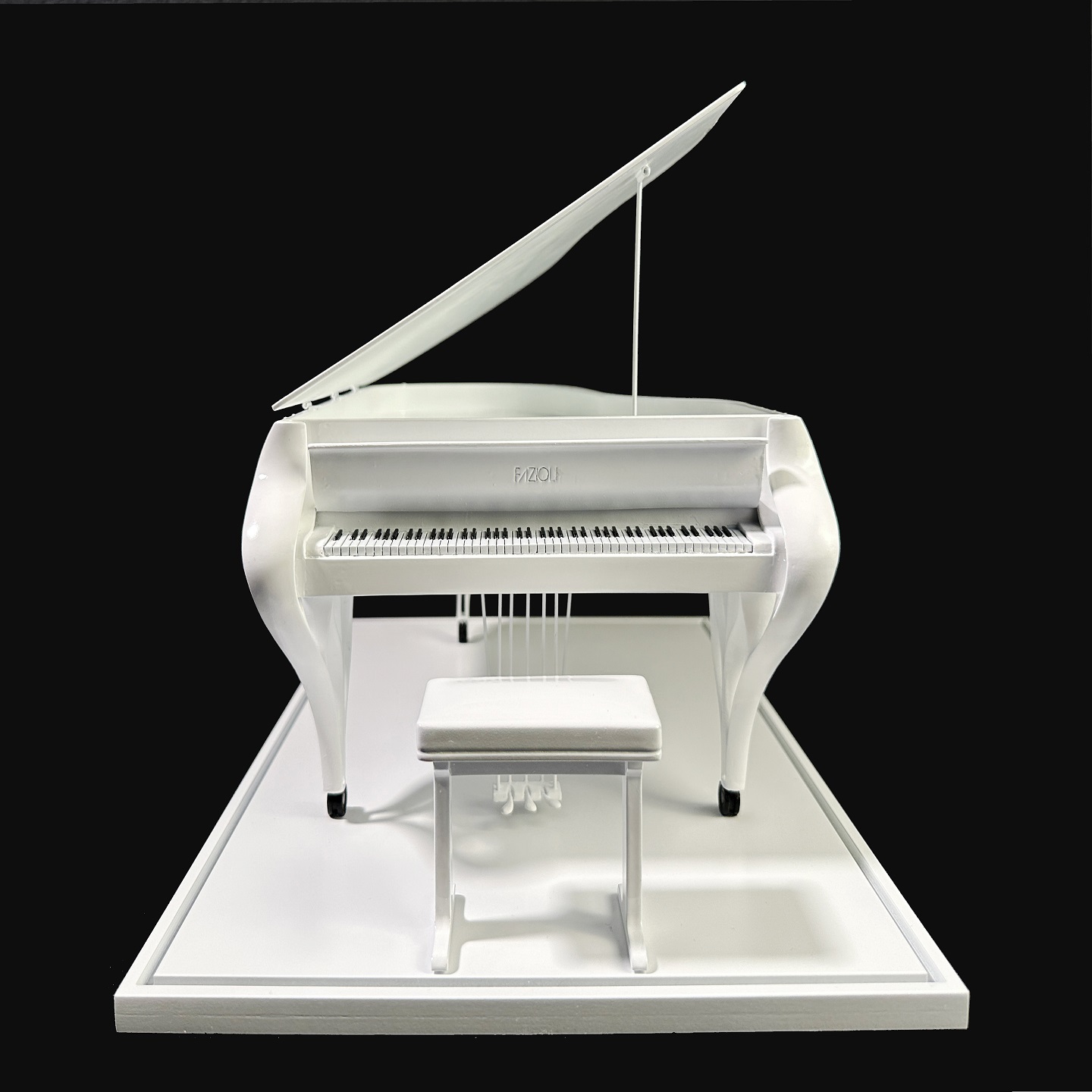
Architectural models stay accurate and visually pristine when maintained through routine cleaning, controlled humidity and temperature, gentle handling, and timely repairs. A consistent maintenance plan protects delicate structures, prevents warping or discoloration, and supports long-term display value. For manufacturers, wholesalers, and OEM partners—including QZY Models—proper care reduces repair costs, enhances client satisfaction, and extends model lifespan.
How should manufacturers approach architectural model maintenance?
Maintenance begins with material-aware handling, stable humidity, and protective storage. Use soft brushes, lint-free cloths, and acid-free tissue. Keep models in a low-dust environment with consistent temperature and minimal UV exposure. Manufacturers should document maintenance actions and provide clients with a care manual. QZY Models supplies standardized maintenance guidance to partners to ensure consistent quality across projects.
How can environmental control improve model durability?
Environmental stability prevents deformation, fading, and cracking. Maintain 18–22°C and 40–60% humidity. Avoid direct sunlight and uncontrolled climate changes. Sealed display cases or cabinets with UV-filtered panels reduce dust and protect painted details. QZY Models facilities use climate-controlled storage to ensure long-term visual and structural precision.
| Material | Temperature (°C) | Humidity (%) | UV Exposure |
|---|---|---|---|
| PMMA | 18–22 | 40–60 | Low |
| Wood | 18–22 | 45–55 | Medium |
| Resin | 18–22 | 40–60 | Low |
How to manage transport and logistics for fragile models?
Use reinforced crates with foam inserts, moisture-resistant barriers, and corner protection. Secure components inside the crate to avoid vibration damage. Label crates clearly with handling instructions and position orientation. When shipping internationally, select logistics companies experienced in handling high-precision items. QZY Models provides transport templates and packaging kits to OEM clients for seamless project delivery.
How can routine inspections and minor repairs be performed?
Inspect for loose components, surface dust, cracks, and paint chips. Use archival adhesives, micro-brushes, and original materials when possible. Maintain a repair log to record parts replaced and actions taken. QZY Models offers professional repair support for OEM customers who need model restoration consistency.
How should maintenance be coordinated with clients in OEM partnerships?
Share a maintenance brief during project kickoff. Include cleaning instructions, materials used, and correct handling methods. Offer video or on-site training when models are installed. Provide a tailored maintenance kit for each model type. Clear expectations build trust and reduce post-delivery service requests.
How to select materials and finishes that support maintenance and longevity?
Choose durable, environmentally stable materials such as PMMA, high-density foam, polyurethane resin, and treated wood. Use UV-resistant coatings and protective sealants. Large models benefit from modular structures—making transport and repairs faster and safer. QZY Models prioritizes material integrity and long-term color stability in high-value projects.
| Kit Item | Purpose |
|---|---|
| Soft brush | Dust removal |
| Lint-free cloth | Surface cleaning |
| Archival adhesive | Repairs |
| UV-protective spray | Finish protection |
How can maintenance guidance scale across multiple projects?
Create standardized SOPs, visual checklists, and care sheets. Build a shared digital knowledge base so teams and clients can access instructions. QZY Models gives partners a structured documentation system to maintain consistent quality across international operations.
QZY Models Expert Views
“A professional architectural model is not only built; it must be preserved. The most successful global OEM partnerships rely on structured procedures, precise documentation, and client training. At QZY Models, we apply strict maintenance and handling standards to every model to ensure longevity, accuracy, and lasting visual impact.”
How can manufacturers build a maintenance-ready workflow?
Design a recurring workflow: preventive cleaning → environmental control → protective storage → secure transport → post-delivery support. Assign responsibilities to specific teams and document each step. QZY Models uses this workflow to ensure predictable results for wholesalers and OEM partners.
Who benefits most from model maintenance services?
Real estate developers, architectural firms, government planning institutions, and educational facilities benefit through increased model lifespan and reduced repair costs. Maintenance also enhances resale and exhibition value. QZY Models supports these industries with efficient post-delivery care and professional support.
When should model components be replaced or refreshed?
Components should be replaced when precision or visual appearance is affected. Regular audits help determine whether repair or replacement is more efficient. High-use models, such as those displayed at exhibitions or events, may require scheduled replacements to preserve presentation quality.
Where should replacement materials be sourced?
Replacement parts should come from the original supplier to ensure consistent color and finish. Maintain a catalog of approved material suppliers. QZY Models maintains its own internal parts library and allows OEM clients to order from standard component inventories.
Does proper maintenance affect warranty and service claims?
Yes. Maintenance documentation helps verify warranty eligibility, prevents disputes, and speeds up service response times. QZY Models includes maintenance records with every model to streamline after-sales support.
Has modern technology improved maintenance practices?
Digital tracking, maintenance logs, and high-resolution imaging improve traceability. RFID or QR codes can link models to digital records, simplifying the repair process. Technology helps maintain consistency, particularly for global OEM networks.
Are there common maintenance mistakes to avoid?
Frequent issues include improper handling, unprotected storage, and lack of cleaning records. Following a documented checklist and using only approved materials prevents avoidable damage. Training staff helps eliminate handling errors.
Is there a quick-start kit for new OEM partners?
Yes. A startup kit includes model description, materials list, cleaning instructions, storage specifications, and maintenance contacts. QZY Models provides this kit to speed up onboarding and ensure consistent quality.
Conclusion
Maintaining architectural models protects precision, reduces repair costs, and reinforces brand reliability. Manufacturers and OEM partners should establish consistent workflows, climate control, routine inspection, and proper documentation. With disciplined care and expert support from QZY Models, models retain visual impact and functional value throughout their lifespan.
FAQs
What is the ideal storage environment for models?
18–22°C, 40–60% humidity, minimal UV exposure.
How often should models be inspected?
Every two weeks during active use or display.
Can OEM partners receive maintenance training?
Yes. QZY Models provides training and documentation during handover.
Is professional care necessary for high-value models?
Professional maintenance reduces risk and preserves visual fidelity.
How do I begin implementing a maintenance system?
Start with checklists, SOPs, and clear documentation, then train staff.