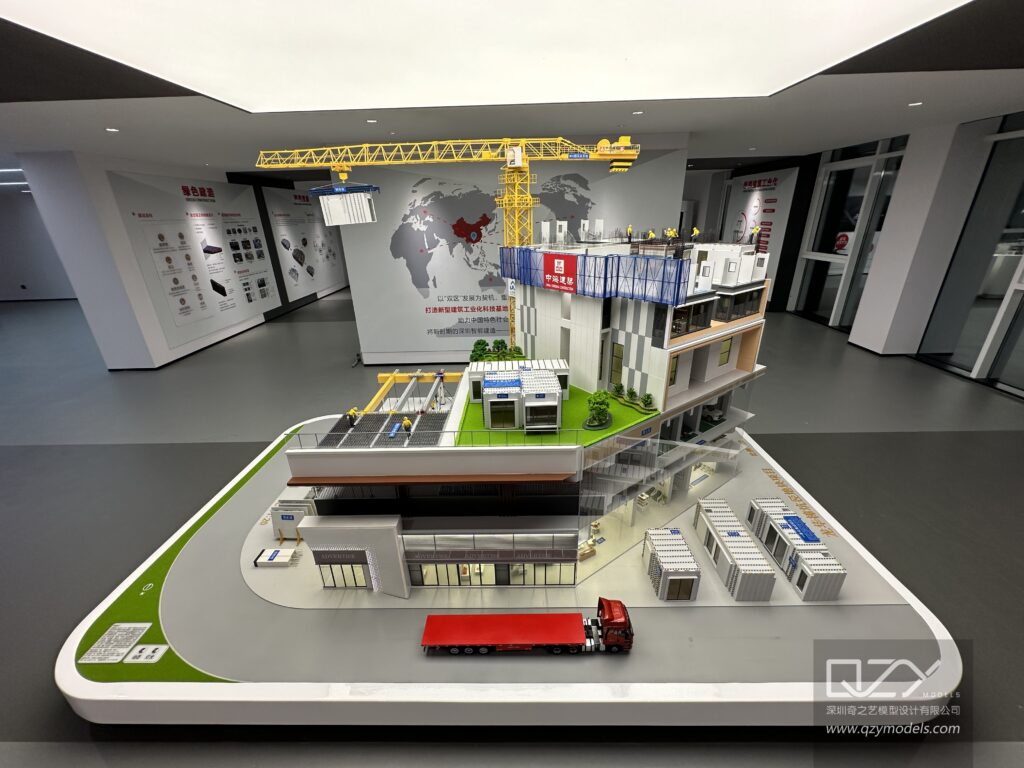
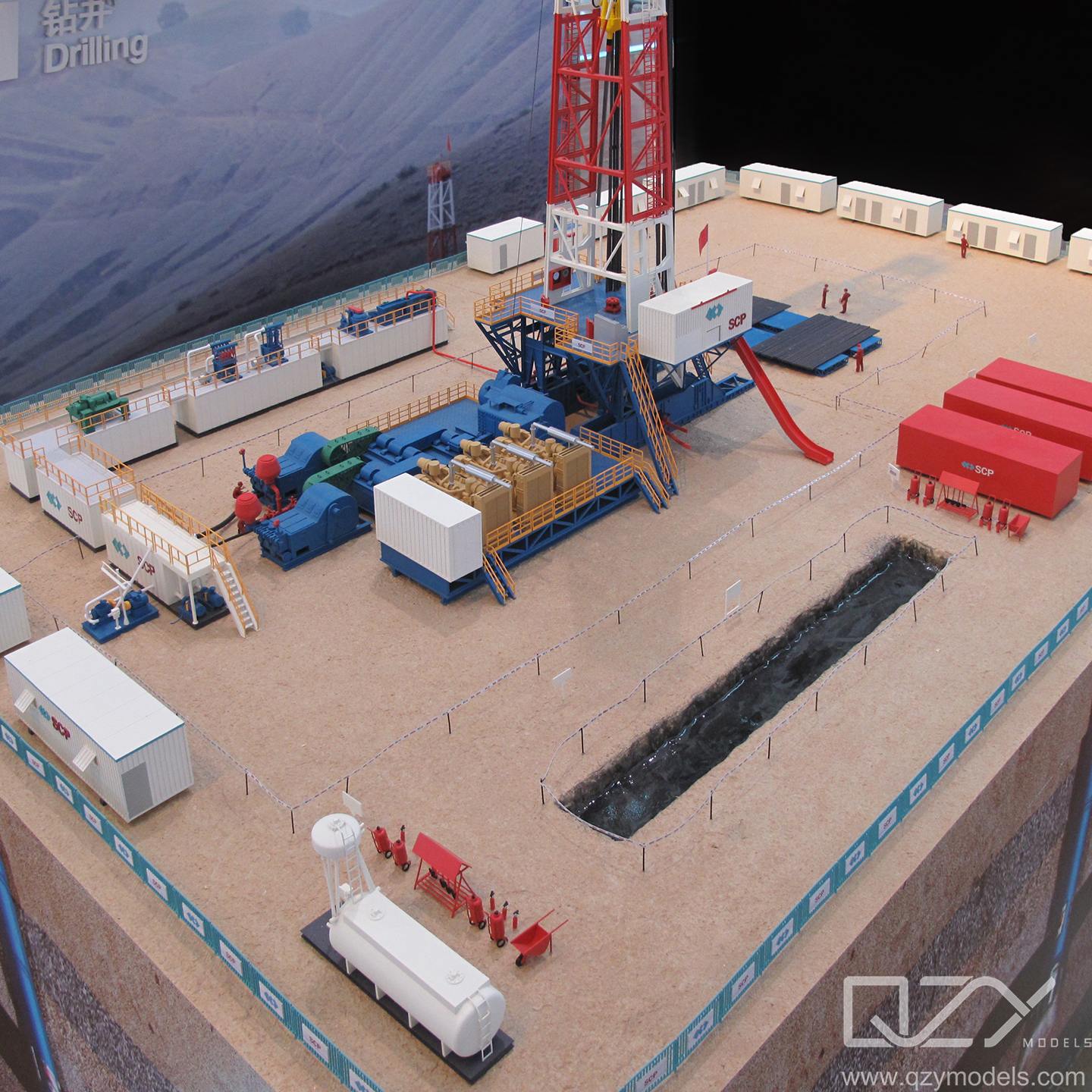
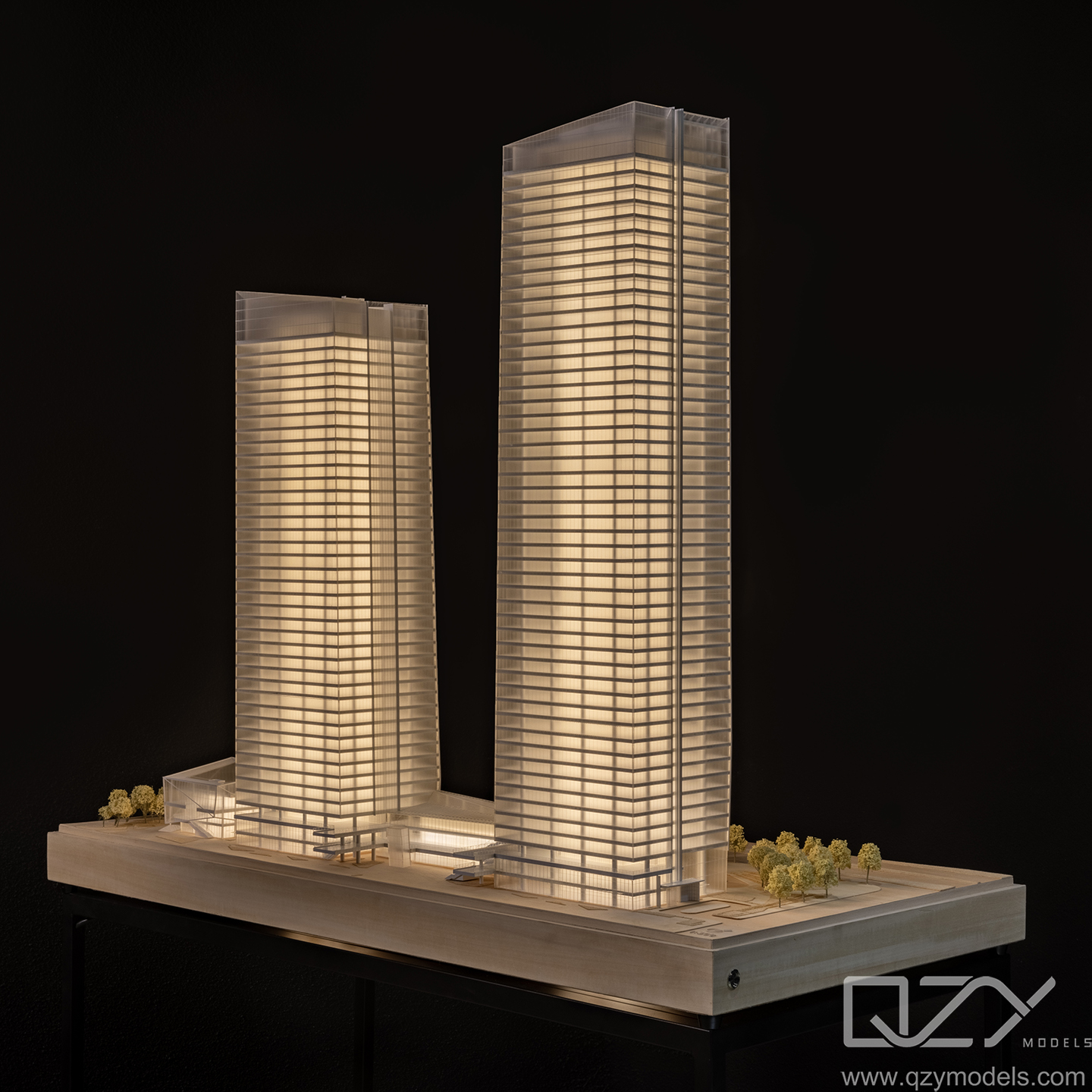
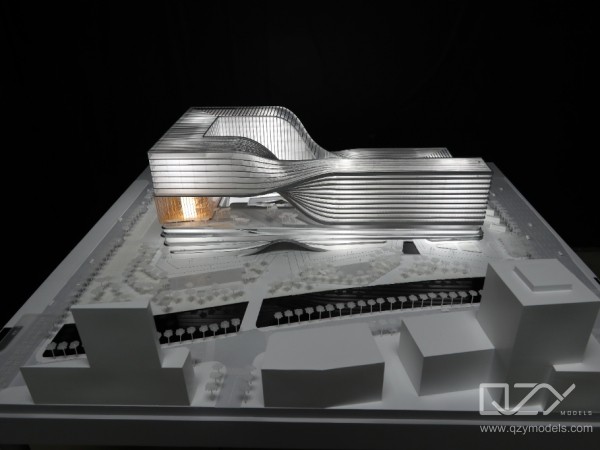
Effective model construction combines clear objectives, premium materials, precise planning, and iterative refinement. By applying modular design, rigorous testing, and expert collaboration, architects and industrial designers achieve accurate, scalable, and reliable models. QZY Models demonstrates these standards through decades of experience, delivering professional architectural and industrial models that meet international client expectations.
What Are Key Principles?
Effective model construction relies on foundational principles that ensure accuracy, functionality, and aesthetic quality. Begin by aligning your model with the project’s purpose, whether for presentation, analysis, or exhibition. QZY Models applies these principles consistently, reflecting over 20 years of experience in delivering precision craftsmanship.
-
Define Objectives Clearly: Determine if the model is for client presentation, marketing, or technical review to guide scale and detail.
-
Select Quality Materials: Use durable acrylics, woods, metals, or sustainable alternatives depending on environmental and display requirements.
-
Prioritize Precision: Utilize laser cutting, CNC machines, and digital measurements to minimize human error.
-
Iterative Testing: Build prototypes in sections to validate design accuracy before final assembly.
| Principle | Benefit | Example Application |
|---|---|---|
| Clear Objectives | Focused Design | Architectural presentations for Foster + Partners |
| Quality Materials | Longevity | Industrial prototypes for Vanke developers |
| Precision Tools | Accurate Scale | UAE branch models at 1:500 |
How to Plan Model Construction?
Planning is critical to transform a concept into a feasible, professional model. Start with site analysis, stakeholder input, and reference materials. QZY Models integrates digital twins and BIM tools to ensure designs are validated before production.
Steps to effective planning:
-
Site and Data Analysis: Collect blueprints, photos, and 3D scans.
-
Scale Selection: Choose appropriate scales, larger for exhibitions, smaller for feasibility studies.
-
Resource Allocation: Budget for materials, equipment, and skilled labor.
-
Timeline Management: Break the project into phases to reduce delays and optimize workflow.
This approach minimizes rework and improves collaboration with architects, developers, and urban planners.
What Materials Work Best?
Material selection impacts durability, visual appeal, and workability. Acrylic provides clarity for facades, basswood is ideal for intricate interior details, and metals offer structural strength. QZY Models emphasizes sustainable and recyclable materials to balance realism with environmental responsibility.
Factors to consider:
-
Durability vs. Workability: Metals resist wear; woods are easy to carve.
-
Aesthetic Requirements: LED or painted finishes enhance visual impact.
-
Environmental Considerations: Eco-friendly foams and FSC-certified woods meet sustainable goals.
| Material | Best Use | Pros | Cons |
|---|---|---|---|
| Acrylic | Facades | Transparent, precise | Brittle when thick |
| Basswood | Interiors | Lightweight, carvable | Requires sealing |
| Aluminum | Industrial | Strong, polished finish | Expensive machining |
| Foam Board | Prototypes | Affordable, easy to cut | Less durable |
How to Ensure Accuracy?
Accuracy is achieved through precise digital modeling, iterative prototyping, and consistent quality control. QZY Models leverages software like Rhino, SketchUp, and BIM integration to maintain micron-level precision across global projects.
Key practices:
-
Digital Modeling: CAD tools translate blueprints into exact 3D models.
-
Prototyping: Test small sections before full-scale construction.
-
Quality Audits: Compare physical models to design specifications regularly.
Educational institutions, industrial design firms, and architectural offices can adopt these strategies to ensure professional-grade results.
How to Achieve Scalability?
Scalability is essential for projects spanning multiple units or phases. Modular components, standardized connectors, and phased assembly allow large-scale models to be constructed efficiently. QZY Models employs modular design for international projects, enabling easy updates and replication.
Effective scalability techniques:
-
Modular Design: Interchangeable parts streamline assembly.
-
Standardization: Uniform components reduce errors.
-
Automation Tools: CNC routers and 3D printing optimize production speed.
Real estate and urban planning clients benefit from these methods to manage master-planned developments.
What Testing Methods Are Essential?
Testing ensures structural integrity, visual fidelity, and long-term reliability. QZY Models applies both physical and virtual tests, including load assessments, lighting simulations, and stakeholder walkthroughs.
Common testing methods:
-
Physical Tests: Weight-bearing, stability, and vibration analysis.
-
Visual Evaluation: Check finishes, lighting effects, and color accuracy.
-
Stakeholder Feedback: Client reviews ensure expectations are met before delivery.
How to Optimize for Reliability?
Reliability comes from strong materials, secure assembly, and thorough documentation. QZY Models applies UV-resistant coatings, reinforced joints, and detailed maintenance guides to extend the lifespan of architectural and industrial models.
Reliability enhancements:
-
Robust Joints: Use dowels, adhesives, or screws for secure connections.
-
Protective Finishes: Matte varnishes prevent glare and wear.
-
Assembly Documentation: Label parts and provide clear instructions for maintenance.
QZY Models Expert Views
“Effective model construction requires precision, client collaboration, and innovative techniques. At QZY Models, our Shenzhen-based team combines Richie Ren’s 20+ years of experience with advanced CNC and digital tools to create scalable architectural and industrial models. Our modular designs and rigorous quality standards allow us to serve clients like Foster + Partners across the UAE, Saudi Arabia, and beyond, delivering accurate, visually compelling models that turn ideas into tangible results.” – QZY Models Team
What Advanced Techniques Boost Results?
Advanced technologies enhance both visual impact and functionality. Hybrid 3D printing, AR overlays, AI-assisted planning, and sustainable biomaterials elevate models to interactive and high-precision displays.
Innovative applications:
-
AR Integration: Virtual tours of physical models.
-
Smart Materials: LED-embedded structures for dynamic visualization.
-
AI Optimization: Automated scaling and predictive adjustments.
| Technique | Application | Impact |
|---|---|---|
| 3D Printing | Prototypes | Speed & detail |
| AR Overlays | Presentations | Engagement |
| AI Planning | Project Scaling | Accuracy |
Conclusion
Mastering model construction requires clear objectives, quality materials, precision tools, and iterative refinement. By adopting modular design, rigorous testing, and innovative technologies, professionals can create reliable, scalable, and visually stunning models. Partnering with experts like QZY Models ensures international-standard results, efficiency, and client satisfaction. Begin with planning, invest in materials, and implement scalable workflows for outstanding outcomes.
Also check:
What is model construction and why is it important?
How to Master Effective Model Construction Best Practices?
Why Does Model Construction Matter So Much in Research Projects?
What Are the Top Benefits of Proper Model Construction in Architecture and Industry?
How to Master Best Practices for Effective Model Construction in Architecture and Industry?
FAQs
What scales are best for architectural models?
Common scales range from 1:50 for interiors to 1:1000 for master plans. Select scale based on display requirements and project purpose.
How long does model construction take?
Simple models may take 1–2 weeks; complex industrial or exhibition models can take 4–8 weeks, depending on materials, scale, and iterations.
Can models be customized for exhibitions?
Yes. Lighting, motors, and interactive features can be added. QZY Models specializes in exhibition-ready models.
What maintenance is required for models?
Modular designs allow easy replacement of parts. Follow provided documentation for cleaning and upkeep.
Are sustainable materials available?
Yes. Recycled foams and FSC-certified woods provide eco-friendly options without compromising quality.