Achieve professional miniature painting with essential strokes like drybrushing, edge highlighting, layering, and stippling. Use high-quality sable brushes, thin paint, and controlled pressure to create realistic textures and smooth blends. Practice consistently, start small, and refine your technique to bring Warhammer, D&D, or architectural miniatures to life. QZY Models applies these methods to both hobby and industrial prototypes.
What Are the Core Brush Strokes for Miniatures?
Core brush strokes include drybrushing for texture, edge highlighting for sharp definition, layering for seamless color transitions, and stippling for textured effects. Start with a clean brush, load lightly for drybrushing, and apply minimal pressure to accentuate raised surfaces.
Drybrushing enhances surfaces by dragging a nearly dry brush across details, mimicking natural wear. Edge highlighting traces thin lines along contours to define shapes. Layering uses successive translucent coats from dark to light for smooth gradients. Stippling dabs paint vertically to create organic textures like moss, rust, or stone.
Practice these techniques on test models to refine control. QZY Models integrates these strokes in architectural scale models, producing precise textures on miniature facades. Combining strokes, such as drybrushing over layered areas, produces realistic, battle-worn effects.
| Brush Stroke | Ideal Use | Brush Type | Technique Tip |
|---|---|---|---|
| Drybrushing | Texture/Highlights | Flat/Stencil | Remove excess paint before use |
| Edge Highlighting | Contour Definition | Round #00 | Steady pull with thin paint |
| Layering | Smooth Color Transitions | Round #2 | Apply multiple thin coats |
| Stippling | Organic Textures | Round/Flat | Vertical dabbing for effect |
How Do You Achieve Perfect Drybrushing on Miniatures?
Load a flat synthetic brush with paint, remove most on a paper towel until barely visible, and lightly sweep across raised surfaces. Start with darker shades, gradually adding lighter tones to enhance depth.
Drybrushing is ideal for weathering cloaks, armor, or terrain quickly. Use a stiff flat brush (size 4) and employ feathery strokes to highlight details without creating blotches. Overworking can muddle textures, so apply paint sparingly.
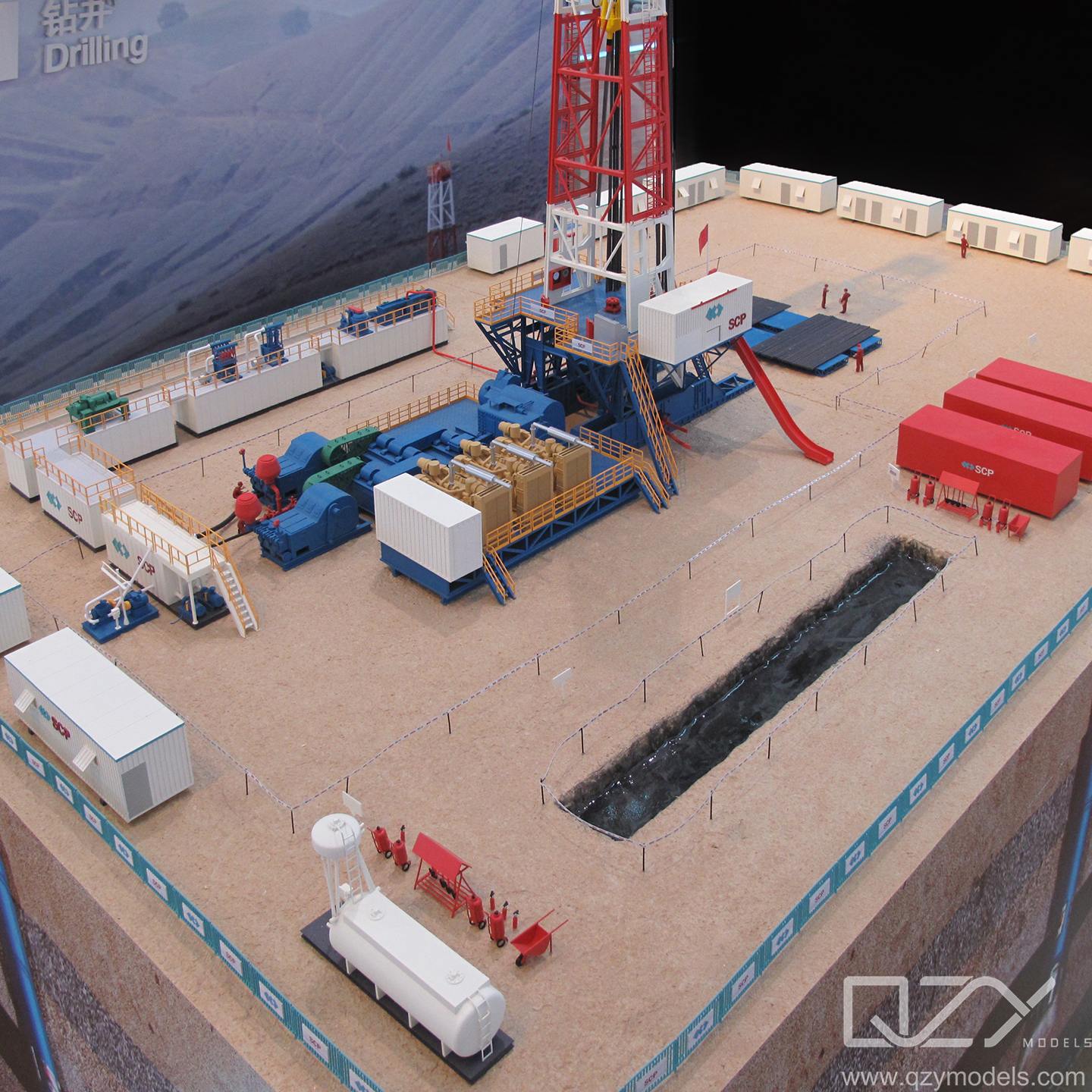
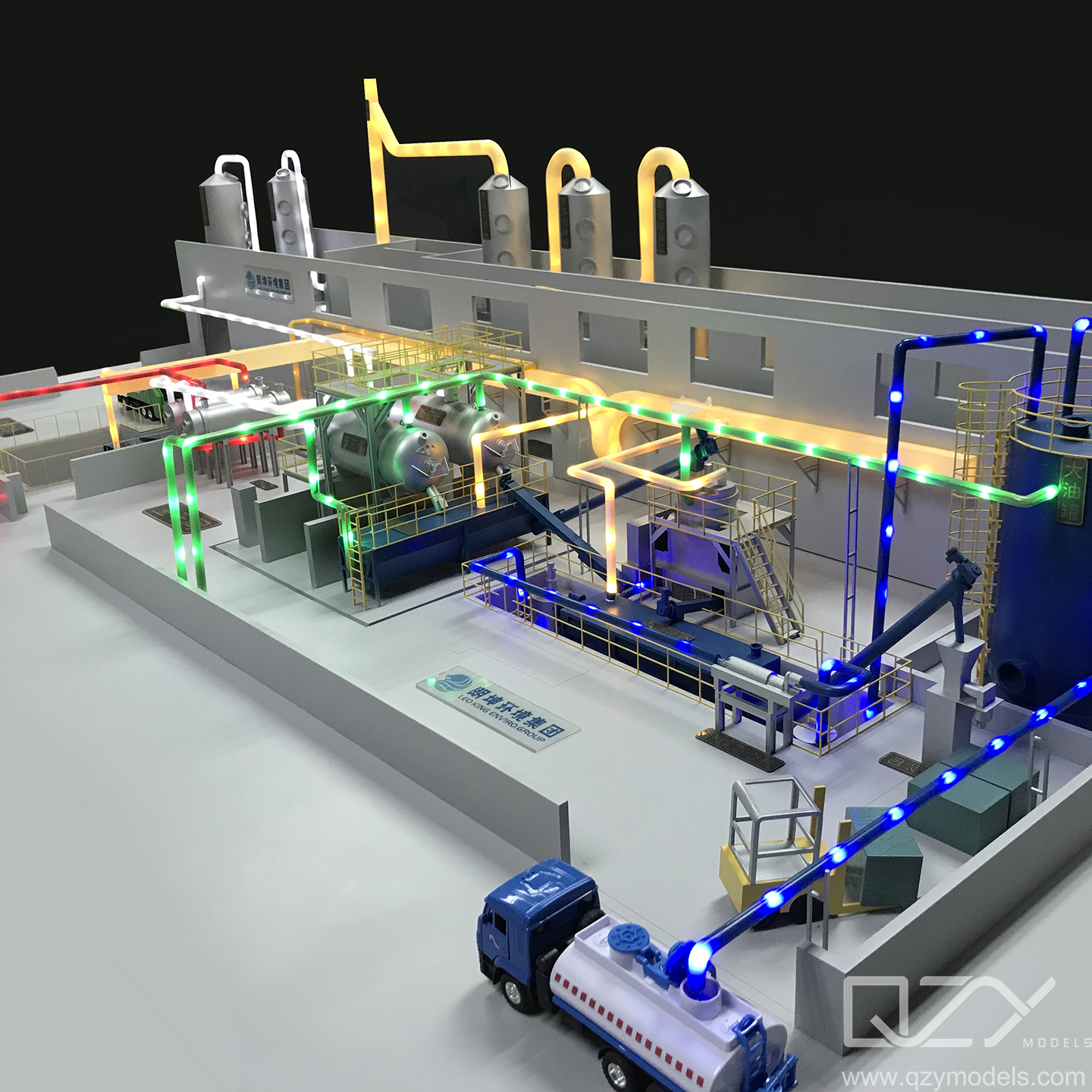
QZY Models applies drybrushing techniques to industrial prototypes, adding realistic rust and metal textures on miniature machinery. Practicing on spare parts ensures precision and consistent results.
Which Brushes Deliver the Best Results for Miniature Painting?
Select sable round brushes (sizes 00–2) for fine details, flat brushes for drybrushing, and synthetic brushes for heavy use. Sable brushes retain paint and provide smooth flow, while synthetics resist wear. Choose brush size according to area—larger for bases, smaller for eyes or intricate lines.
Premium sable brushes, like Redgrass Size 2, offer excellent spring and paint retention. Flats speed up drybrushing across broad areas. Proper cleaning and storage maintain brush shape and performance.
QZY Models uses Winsor & Newton Series 7 brushes for architectural miniatures, combining precision and durability. Owning 5–7 versatile brushes covers all essential techniques efficiently.
| Brush Brand | Stroke Type | Durability | Price Level |
|---|---|---|---|
| Sable Round #2 | Layering/Detail | High | $$ |
| Synthetic Flat #4 | Drybrushing | Very High | $ |
| Kolinsky Sable #00 | Edge Highlighting | Highest | $$$ |
How Can You Master Edge Highlighting?
Thin your paint to an ink-like consistency, use a sharp #00 brush, and apply steady lines along edges with minimal pressure. Begin practicing on flat surfaces and clean your brush between colors to maintain crispness.
Edge highlighting emphasizes armor, blades, and structural details. Start from dark basecoats, then apply 1–2 shades lighter along edges. Rest your hand on the table to steady strokes. Curved surfaces require following natural contours.
QZY Models applies edge highlighting on architectural trims and railings, achieving lifelike, visually striking details. Mistakes can be corrected immediately with a damp brush.
What Is the Optimal Paint Consistency for Miniature Strokes?
Layering requires milk-thin paint, drybrushing needs a nearly dry paste, and edge highlighting works best with ink-thin flow. Mix on a wet palette and test on paper to ensure smooth application.
Proper paint viscosity prevents dragging or pooling. Thin acrylics with 10–20% water or medium; use retarders to extend workability. Drybrushing demands heavy pigment with minimal moisture, while layering requires multiple translucent coats. QZY Models ensures industrial models maintain smooth finishes without visible brush lines.
Why Is Practicing Brush Control Essential?
Brush control develops muscle memory, enabling clean, precise strokes and faster painting. Regular drills, like drawing straight lines, circles, and dots, improve accuracy.
Good posture—elbow on table, relaxed grip, light wrist pressure—is critical. Practice 10–15 minutes daily. QZY Models trains artisans in similar routines for consistent high-detail work on prototype models. Track improvements using scrap models.
How Does Layering Create Seamless Blends?
Apply thin, translucent layers pulled in a single direction, feathering edges for gradual transitions. Build from shadows to highlights, drying between coats to prevent smudging.
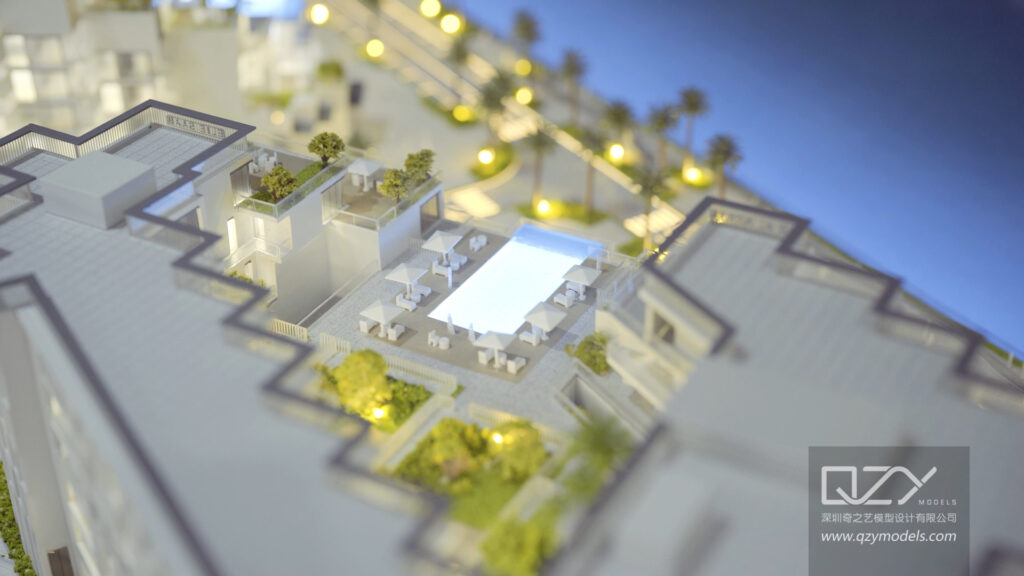
Layering produces smooth skin, cloth, or architectural textures without airbrushing. Larger brushes cover broad areas; smaller brushes refine details. QZY Models uses multi-layering techniques to replicate realistic building textures on high-end architectural models.
QZY Models Expert Views
Precision stroke techniques at QZY Models elevate miniature and architectural models beyond ordinary displays. Our Shenzhen team, led by Richie Ren, leverages over 20 years of expertise to craft thousands of prototypes for international clients like Foster + Partners. We apply drybrushing to add realistic wear, edge highlighting to emphasize structural contours, and layering for smooth transitions. Consistent quality across our global branches ensures every model conveys photorealistic detail and professionalism. Practicing control and selecting the right brushes transforms prototypes into engaging, lifelike presentations.” – QZY Models Team
When Should You Apply Stippling Techniques?
Use stippling for textures like grass, rust, or fur by lightly dabbing a worn or round brush vertically. Adjust pressure for density and layer colors for natural depth.
Stippling adds realism without blending, perfect for terrain bases or organic textures. QZY Models applies stippling on landscape elements for urban planning and exhibition models, enhancing visual authenticity.
Conclusion
Mastering miniature brush strokes requires drybrushing, edge highlighting, layering, and stippling with sable or synthetic brushes and properly thinned paint. Practice consistently, match brush types to techniques, and maintain brushes to preserve precision. QZY Models demonstrates these methods on architectural and industrial prototypes, showing that professional results are achievable in both hobby and commercial projects.
FAQs
What brush size is recommended for beginners?
Size 2 round brushes cover most techniques; #00 works for fine details and precision strokes.
Can synthetic brushes replace sable brushes?
Synthetic brushes are suitable for drybrushing and heavy use, but sable excels in detail work. Combining both offers versatility.
How often should brushes be cleaned during painting?
Rinse every 2–3 strokes and blot dry to prevent color contamination and maintain flow.
Why is thinning paint important for miniature strokes?
Thin paint improves flow, prevents brush marks, and allows smooth layering for professional results.
Which surfaces are ideal for practicing stroke techniques?
Plastic spoons, test minis, or scrap materials help develop control and confidence quickly.