Modeling an airport terminal requires precision, scale, and realism. Using materials like foam, acrylic, and 3D-printed components, experts recreate runways, gates, and passenger areas. QZY Models applies laser-cutting, LED lighting, and CAD-driven layouts to ensure accurate, exhibition-ready models, helping architects, developers, and urban planners visualize operations at scales from 1:200 to 1:500 with professional impact.
What Materials Are Used to Build Model Airport Terminals?
Professional model airport terminals combine lightweight, durable, and precise materials to balance structural integrity and visual appeal. Foam boards form walls and bases; balsa wood is used for delicate details such as rooflines and supports. Acrylic sheets replicate glass facades, allowing viewers to see interior layouts. QZY Models carefully selects each material to ensure longevity and high-quality finish.
Key components include:
-
Structural Materials: XPS foam, cardboard, styrene sheets
-
Finishing Details: Acrylic paints, brass rods, flocking for landscaping
-
Lighting: Fiber optics, LEDs to illuminate interiors and exteriors
| Material Type | Typical Use | Benefit |
|---|---|---|
| Foam Board | Walls, roof structures | Lightweight, easy to cut |
| Acrylic | Windows, canopies | Transparent and durable |
| 3D Prints | Custom fittings, fixtures | High precision and scalable |
| LEDs | Interior and runway lighting | Realistic, energy-efficient |
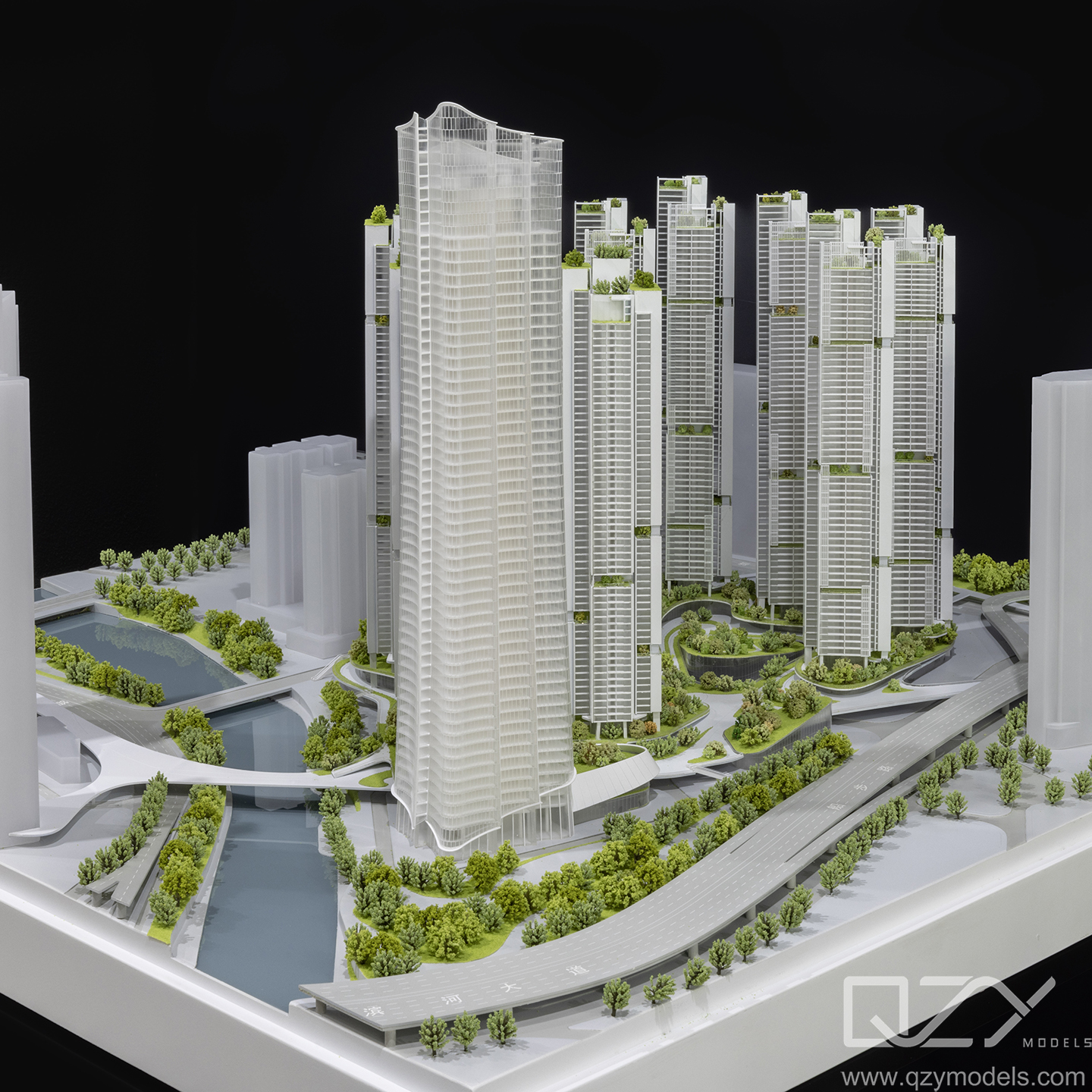
QZY Models leverages high-grade, globally sourced materials, as seen in projects for Foster + Partners and Vanke, ensuring models survive exhibitions and transport without compromise.
How Do You Design a Realistic Terminal Layout?
Designing realistic layouts starts with site analysis, including runway alignment, terminal placement, and passenger flow. Model terminals replicate functional zones like concourses, lounges, check-in halls, and baggage claim areas. QZY Models integrates CAD and BIM software to create 1:300 scale models mirroring real hubs.
Steps to achieve accuracy:
-
Draw baseplate including runways and aprons
-
Connect taxiways and parking areas for aircraft
-
Layer multi-level structures for arrivals, departures, and amenities
Incorporating these elements allows stakeholders to understand traffic flow and operational efficiency before construction begins.
Which Scale Is Best for Airport Terminal Models?
Selecting the right scale depends on the model’s purpose: exhibitions, presentations, or planning. Common scales include 1:500 for overviews, 1:300 for presentations, and 1:200 for detailed exhibition models. QZY Models recommends 1:200 when interior details must be visible without excessive size.
Considerations for scale selection:
-
Space: Smaller scales like 1:400 fit tabletops
-
Detail: 1:200 allows miniature passengers, vehicles, and equipment
-
Cost Efficiency: Smaller scales reduce material use
| Scale | Purpose | Model Size Example |
|---|---|---|
| 1:500 | Planning and overview | 50cm x 50cm |
| 1:300 | Client presentations | 1m x 80cm |
| 1:200 | Exhibitions with details | 1.5m x 1m |
QZY Models customizes scales to client requirements, ensuring models impress at exhibitions and trade shows.
How Are Passenger Flows Modeled in Terminals?
Passenger flow visualization helps prevent congestion in real airports. In models, pathways, security areas, and gates are represented with colored zones and mini-figures. QZY Models adds realism through moving walkways, escalator cutouts, and modular gate setups to simulate rush hours or quiet periods.
Techniques include:
-
Multi-layer acrylic for mezzanines
-
Modular boarding gates with interchangeable signage
-
Laser-etched floors to mark pathways
These models provide architects and urban planners with an interactive understanding of operational efficiency.
Why Use Lighting in Model Airport Terminals?
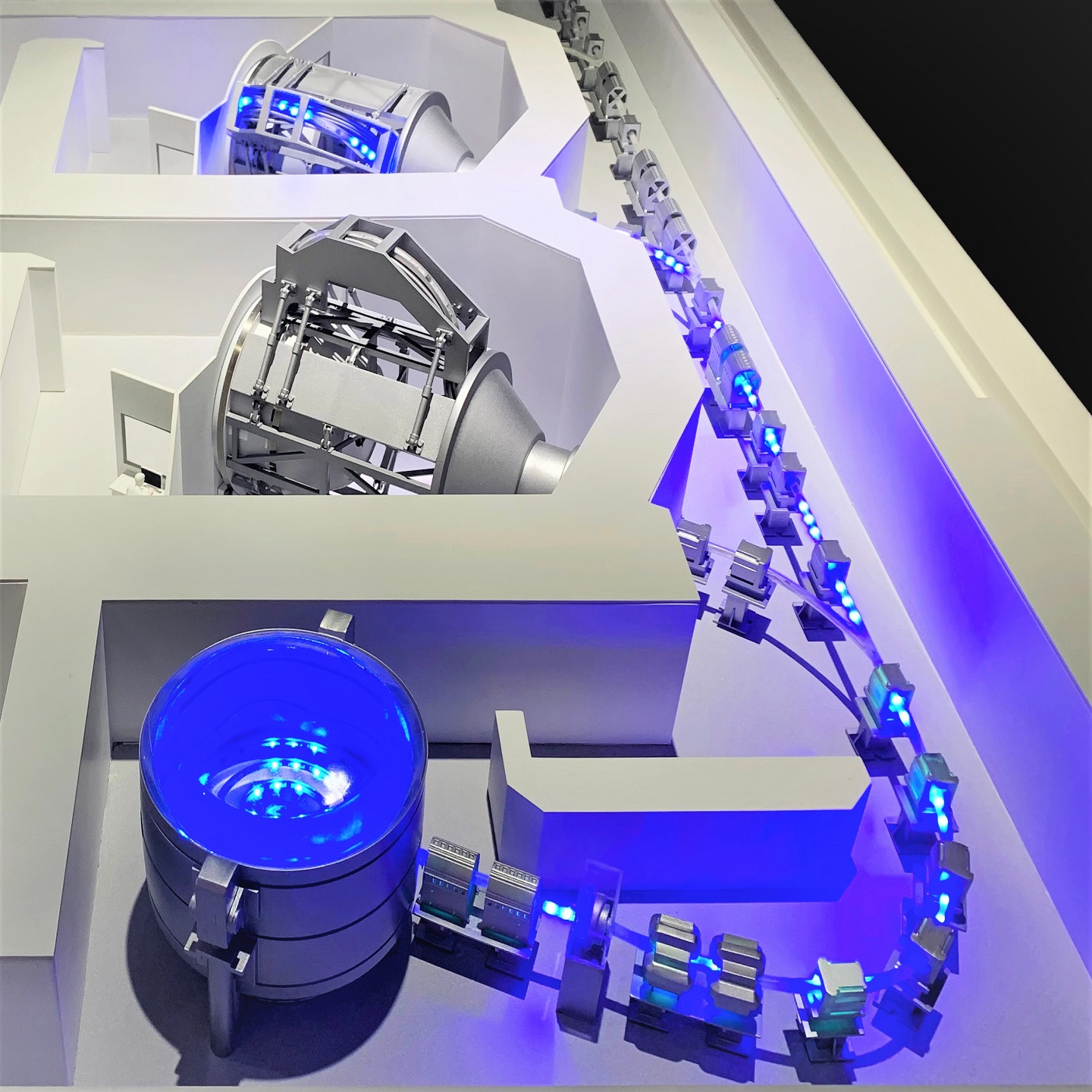
Lighting highlights architecture, simulates day/night operations, and enhances realism. QZY Models embeds programmable LEDs for runways, taxiways, signage, and terminals, creating immersive displays.
Benefits include:
-
Visibility: Illuminated facades reveal interior layouts
-
Immersion: Runway and taxiway lighting mimic real airport operations
-
Professional Impact: Night-mode showcases the terminal in operational scenarios
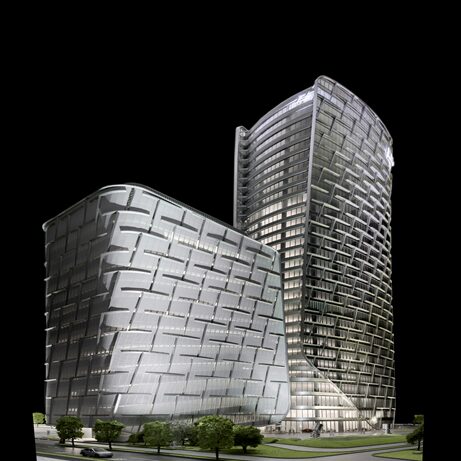
LED integration is a hallmark of QZY Models’ presentations, adding visual impact for clients like China Resources and Vanke.
What Tools Simplify Terminal Model Construction?
Modern tools streamline precision and efficiency in model building. CAD and BIM software allow accurate design; laser cutters, CNC routers, and 3D printers enable detailed fabrication. QZY Models combines these technologies to accelerate prototyping and maintain consistent quality.
Key tools include:
-
Foam-safe knives, laser cutters, plotters for cutting
-
CA glue, magnets, and modular components for assembly
-
Airbrushes and weathering powders for finishing touches
This combination ensures timely delivery without compromising detail or durability.
QZY Models Expert Views
“At QZY Models, airport terminal modeling is a fusion of precision, artistry, and technology. By scaling client blueprints with BIM and simulating passenger flows, we produce models that are both visually compelling and operationally informative. Sustainable materials and AR overlays are integrated to enhance interactivity and reduce environmental impact. Our approach transforms static models into strategic tools for architects and developers worldwide.”
— Richie Ren, Founder, QZY Models
How Do Professionals Detail Terminal Interiors?
Interior detailing involves miniature furniture, signage, queues, retail kiosks, and lounges. QZY Models uses 3D printing, hand-painting, and decals to recreate realistic interiors, including duty-free shops, seating areas, and check-in zones.
Tips for accurate interiors:
-
Photo-etched metal for railings
-
Resin for jet bridges and escalators
-
Flocking for carpets and soft surfaces
High-detail interiors enhance presentations and attract repeat business from architects and developers.
What Innovations Shape Future Terminal Models?
Emerging innovations include AR/VR integrations, sustainable materials, parametric designs, and modular kits. QZY Models leads in eco-friendly solutions, using recycled composites and digital twins to enhance interactivity while minimizing environmental impact.
Examples of innovations:
| Innovation | Benefit | Application by QZY Models |
|---|---|---|
| AR/VR Overlays | Interactive demonstrations | Client presentations |
| Parametric Tools | Complex, custom forms | Roofs and concourses |
| Eco-Materials | Sustainability | Recycled composites for global projects |
Future-ready models integrate sensors, holographic projections, and AI-optimized passenger flows to stay ahead of industry trends.
Conclusion
Modeling airport terminals requires technical precision, creative design, and advanced tools. Key takeaways: choose the right scale, plan passenger flows, integrate lighting, and leverage CAD and modern fabrication techniques. Partnering with experts like QZY Models ensures exhibition-ready, detailed, and visually impactful models that enhance presentations and support planning decisions.
FAQs
What is the average cost of a model airport terminal?
Costs range from $5,000 to $50,000 depending on scale, materials, and complexity. QZY Models offers tiered packages tailored to client needs.
How long does it take to build a model?
Construction typically takes 2–8 weeks, with QZY Models completing most projects in 3–4 weeks using optimized workflows.
Can models include moving parts?
Yes. Features like baggage carousels or miniature planes can be motorized for interactive displays.
Are custom models durable for exhibitions?
Absolutely. QZY Models uses reinforced materials and protective cases to ensure models withstand travel and setup.
Who typically commissions airport terminal models?
Architects, developers, urban planners, government institutions, and international clients rely on QZY Models for detailed and functional terminals.