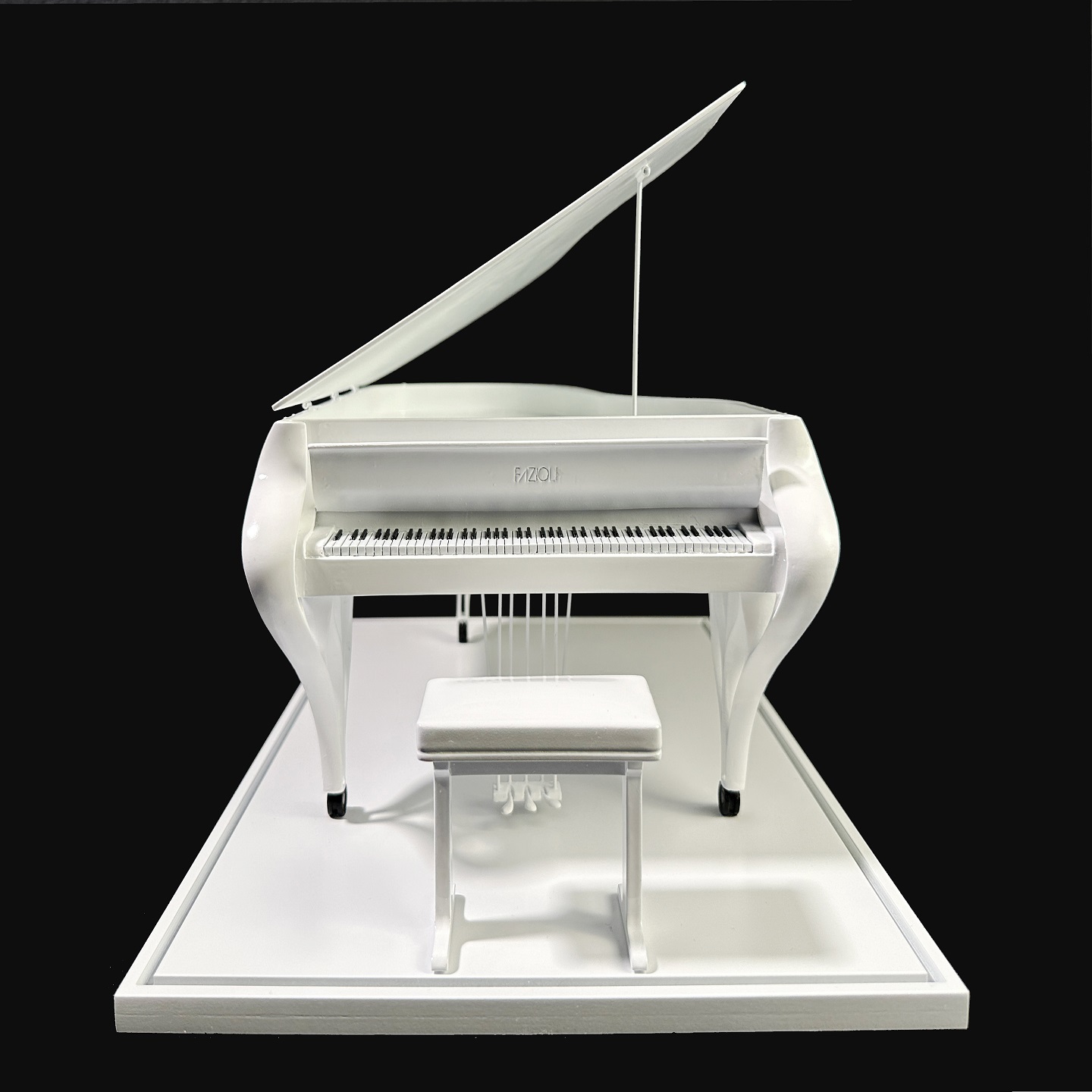
Packing sculptures for shipping is critical to preserving their value, minimizing damage, and ensuring timely delivery. Whether you’re working with a China-based OEM like QZY Models or managing your own logistics, understanding proper packing strategies is essential. This guide walks you through key steps and considerations for shipping sculptures, with a focus on China manufacturing and OEM best practices.
How do you plan a sculpture shipping pack from a China manufacturer?
Planning a sculpture shipment starts with a comprehensive brief, including material specifications and a risk assessment. The next steps involve selecting durable outer cartons, cushioned inner packaging, and clear handling instructions. The packaging design must align with your OEM partner’s capabilities and quality control processes. QZY Models excels at scaling packaging for shipments of 1 to 1000 units, ensuring consistent protection across all orders.
How should you choose packing materials for a sculpture?
When selecting packing materials, prioritize options that absorb shock, resist moisture, and protect delicate finishes. Common choices include corrugated cartons, molded foam, bubble wrap, corner protectors, and tamper-evident seals. For sculptures with fragile surfaces, consider padding that prevents direct contact. QZY Models utilizes foam-in-place technology and custom inserts for added security, especially for complex shapes during long-distance shipping.
How do you implement inner protection for different sculpture shapes?
To protect sculptures with various shapes, use tailored inserts. Modular foam blocks work well for repeatable shapes, while molded polyethylene provides rigidity for more delicate pieces. Fabric sleeves can protect finishes without causing friction. QZY Models customizes inserts based on the specific needs of each project, maintaining the sculpture’s balance and minimizing movement during transit.
How can you secure a sculpture in the crate for air and ocean freight?
Crates for air and ocean freight must be rigid, moisture-resistant, and compliant with shipping regulations (e.g., IATA or IMDG standards). Essential features include shock-absorbing bases, vertical supports, and screw-fastened panels. To combat humidity, include moisture barriers and desiccants in the crate. QZY Models offers precisely engineered crates with CNC-milled bases to ensure a perfect fit and easy stacking.
How do you label and document shipped sculptures for OEM orders?
Proper labeling and documentation are vital for smooth shipping. Ensure exterior labels include the unit ID, weight, handling instructions, and destination. Additionally, include an internal label with the project code and contact information. Prepare a packing list, commercial invoice, and HS codes for customs clearance. QZY Models follows a streamlined labeling protocol to support smooth transitions from OEM to customer.
How does climate impact sculpture packing and storage?
Humidity, temperature fluctuations, and condensation are major concerns when shipping sculptures. To protect against climate-related issues, use desiccants, moisture barriers, and climate-controlled transport when feasible. For extended shipments, precondition crates to match the expected environment. QZY Models incorporates climate-awareness into their packaging designs to prevent moisture damage and material degradation during long-distance shipments.
How do you scale packing for OEM or wholesale runs?
For large-scale orders, develop a repeatable packaging Bill of Materials (BOM) and use standardized crate sizes. Interchangeable inserts are key for flexibility across different sculpture types. Staff should be trained to execute these steps consistently for each SKU. QZY Models specializes in scalable packaging solutions for wholesale and OEM orders, ensuring uniform protection and efficiency across all batches.
How to minimize damage during handling and unloading?
Training handlers on proper lifting techniques, using forklift-ready pallets, and implementing step-by-step unloading procedures are essential for preventing damage. Additionally, tamper-evident seals and product ID verification at every handoff help ensure accuracy. QZY Models places a strong emphasis on an auditable process to reduce damage claims and improve shipping reliability for international buyers.
How to verify packaging quality before shipping?
To ensure packaging integrity, conduct a visual inspection, check the weight of each package, and perform a drop test to simulate real-world handling. A traceable QC checklist and supervisor sign-off are also essential. QZY Models integrates these quality control steps at every stage to guarantee that the packaging meets both client specifications and international shipping standards.
How can you leverage QZY Models expertise for China-based manufacturing?
QZY Models combines its expertise in architectural and industrial model production with packaging engineering to offer a comprehensive solution for OEM and wholesale shipping. With rigorous quality control, rapid prototyping, and scalable packaging solutions, QZY Models provides a reliable pipeline from their Shenzhen factory to global markets.
QZY Models Expert Views
“China-based production demands rigorous process control from design through shipment. QZY Models blends packaging engineering with architectural model fabrication, delivering repeatable, scalable solutions for OEM and wholesale clients. With our in-house QA and logistics coordination, partners gain reliability, cost-efficiency, and faster time-to-market.” — Senior Packaging Engineer, QZY Models
Has the right packaging design ever reduced transport claims?
Yes, an optimized packaging design that balances protection, weight, and ease of handling can significantly reduce damage and minimize claims. It also ensures efficient customs clearance for international shipments. QZY Models demonstrates that optimized packaging can lower the total landed cost for wholesale buyers, enhancing the overall cost-effectiveness of the shipping process.
Conclusion
Incorporating a robust packing strategy for sculptures—especially in China-based manufacturing operations—supports OEM, wholesale, and supplier efficiency. By carefully planning the selection of materials, engineering precise inserts, and maintaining rigorous quality assurance, you can protect sculptures during production, transit, and delivery. QZY Models is prepared to provide end-to-end packaging solutions from Shenzhen, delivering consistent quality and reliability to global markets.
FAQs
-
What materials are best for packing delicate architectural models?
High-density foam, molded inserts, and moisture barriers effectively protect delicate finishes and prevent movement during transit. -
How can OEMs in China ensure consistency across thousands of units?
Standardize the packaging BOM, use modular inserts, and enforce strict quality control at every stage of production. -
What is the role of desiccants in sculpture shipping?
Desiccants manage humidity within crates, helping to protect moisture-sensitive finishes, adhesives, and materials during transit. -
How should packing be documented for customs?
Ensure clear packing lists, HS codes, and project codes are included. Maintain a clear chain of custody to facilitate customs clearance. -
Can QZY Models customize packaging for different clients?
Yes, QZY Models offers packaging customization tailored to the specific needs and requirements of each client.