Choosing between an architectural model, 3D rendering, and BIM can be confusing, especially when each option seems useful in its own way. Many people pick one without fully understanding when and where it actually fits, which often leads to wasted time, budget issues, or design limitations later.
In reality, these three are not competitors — they serve different purposes at different stages of a project. If you understand how each one works and when to use it, the entire process becomes much smoother and more effective.
Quick Answer
If you’re just exploring ideas, 3D rendering is usually the best place to start because it helps you quickly visualize your design and make changes easily. When your project moves into planning and coordination, BIM becomes more useful as it helps manage structure, materials, and technical details.
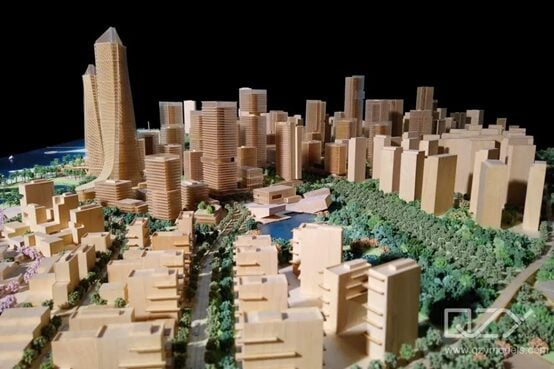
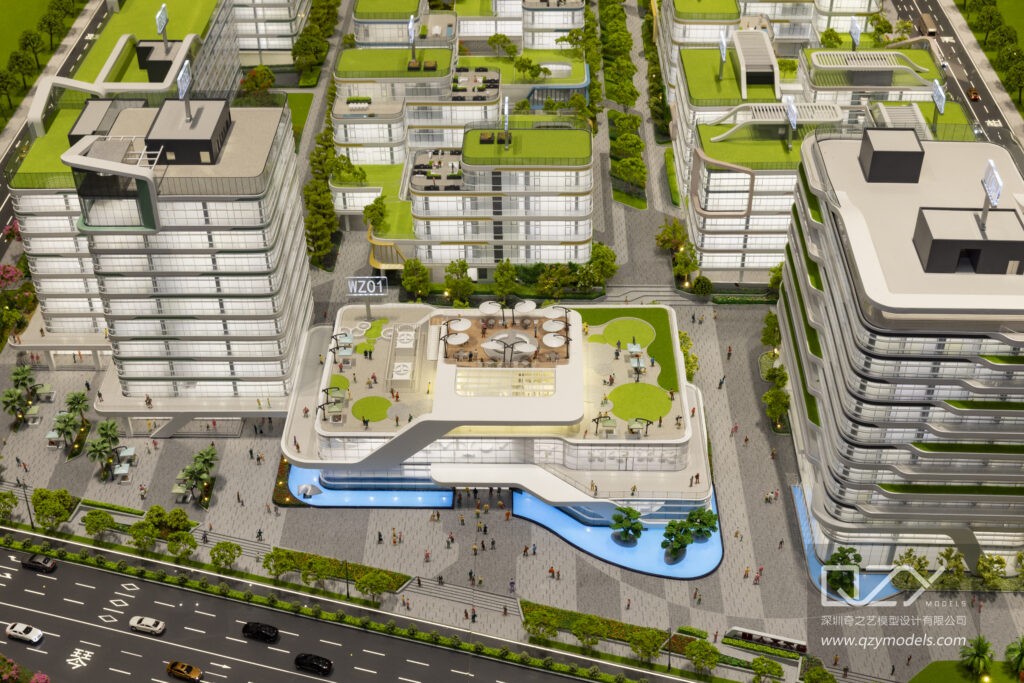
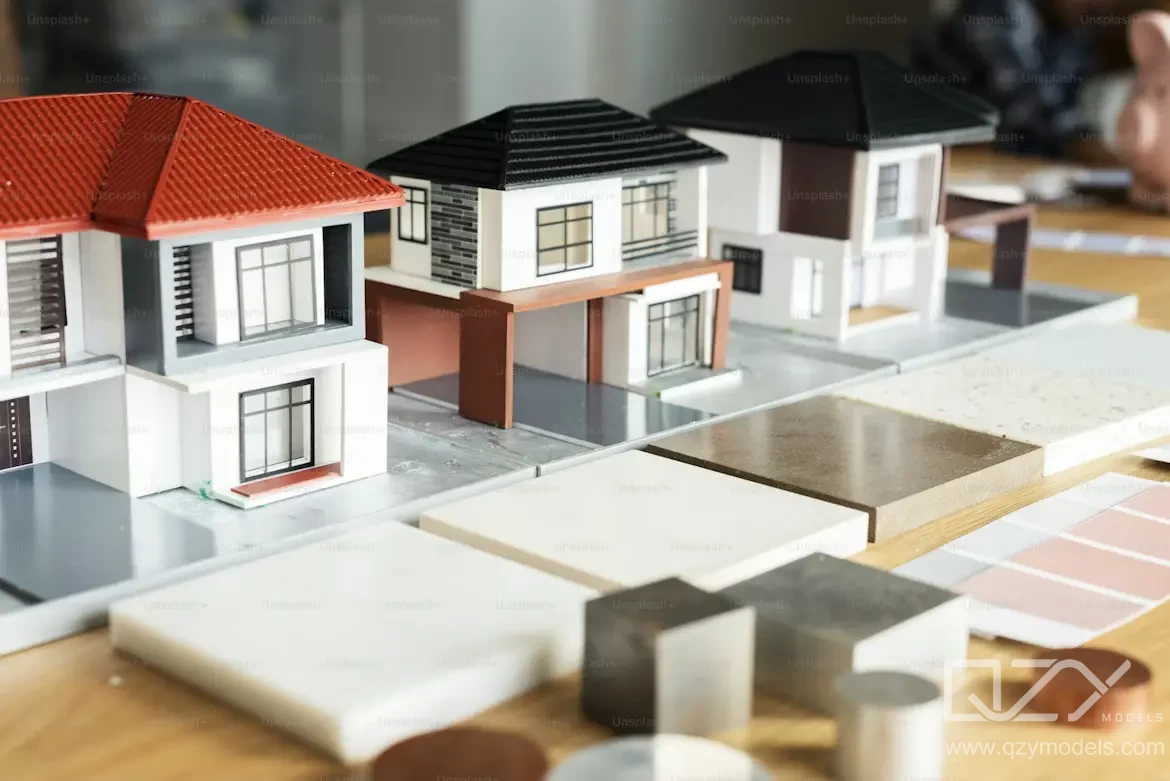
But when your goal is to present the project clearly to clients, investors, or for approvals, nothing works better than an architectural model. A physical model gives a real sense of scale and detail that digital visuals often can’t fully deliver. Nothing works better than an architectural model, especially when it is professionally developed with the right process and precision.
Why This Decision Matters in Real Projects
In real projects, this decision is not as simple as it looks. Many people start with 3D rendering and assume it will be enough, but when the project moves forward, they realize they need something more detailed or more presentable.
For example, during planning stages, teams often rely on BIM to manage structure and technical coordination. But when it comes to client presentations or investor meetings, digital visuals alone may not always create the same impact as a physical model.
That’s why most professional projects don’t rely on just one method. Instead, they use a combination of rendering, BIM, and architectural models, often supported by professional model-making services, at different stages.
Understanding Your Project Stage Before Choosing
Before deciding between an architectural model, 3D rendering, or BIM, the most important thing is to understand your project stage. Each stage has different goals, and using the wrong method at the wrong time can lead to extra cost, delays, or unnecessary revisions.
Early Stage (Concept and Idea Development)
At the early stage, the goal is not to finalize the design but to explore ideas and test different concepts. Flexibility matters the most here.
This is where 3D rendering becomes very useful. It allows you to quickly visualize your ideas, make changes easily, and experiment with different layouts without spending too much time or money.
In some cases, BIM can also be introduced early if the project is complex and requires a stronger planning base from the beginning.
Mid Stage (Design and Planning)
As the project moves forward, the focus shifts from ideas to structure and coordination. This is the stage where accuracy and planning become more important.
BIM plays a key role here because it helps manage technical details such as structure, materials, and system coordination. It also helps identify potential issues before they turn into real problems.
3D rendering continues to support design visualization, but BIM becomes the backbone of decision-making at this stage.
Final Stage (Presentation and Approval)
At the final stage, the design is already developed, and the main goal is to present the project clearly and professionally.
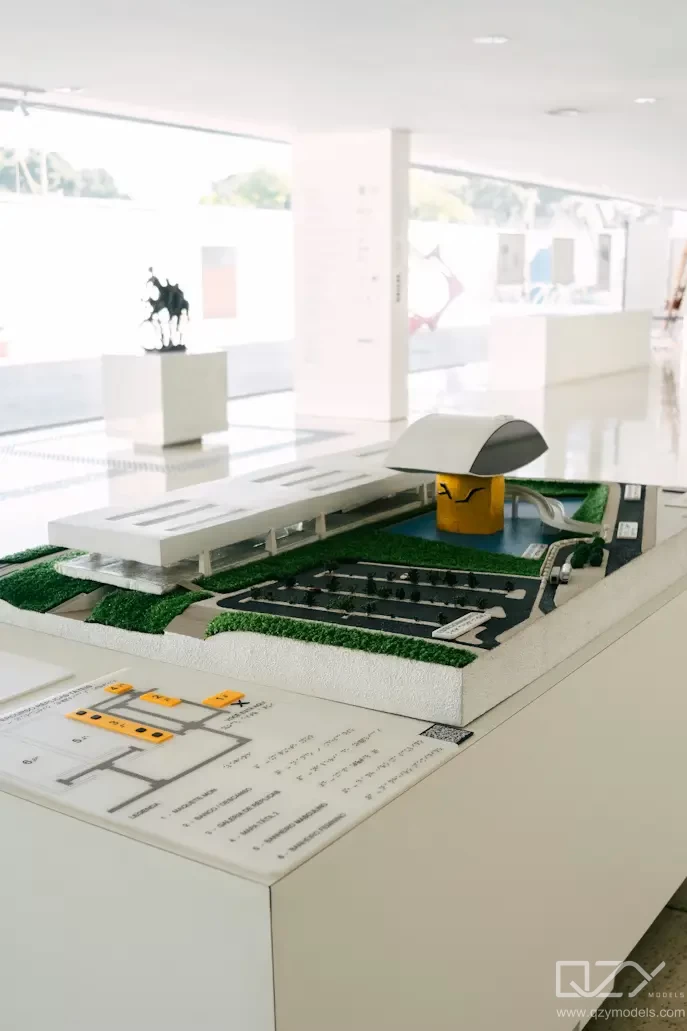
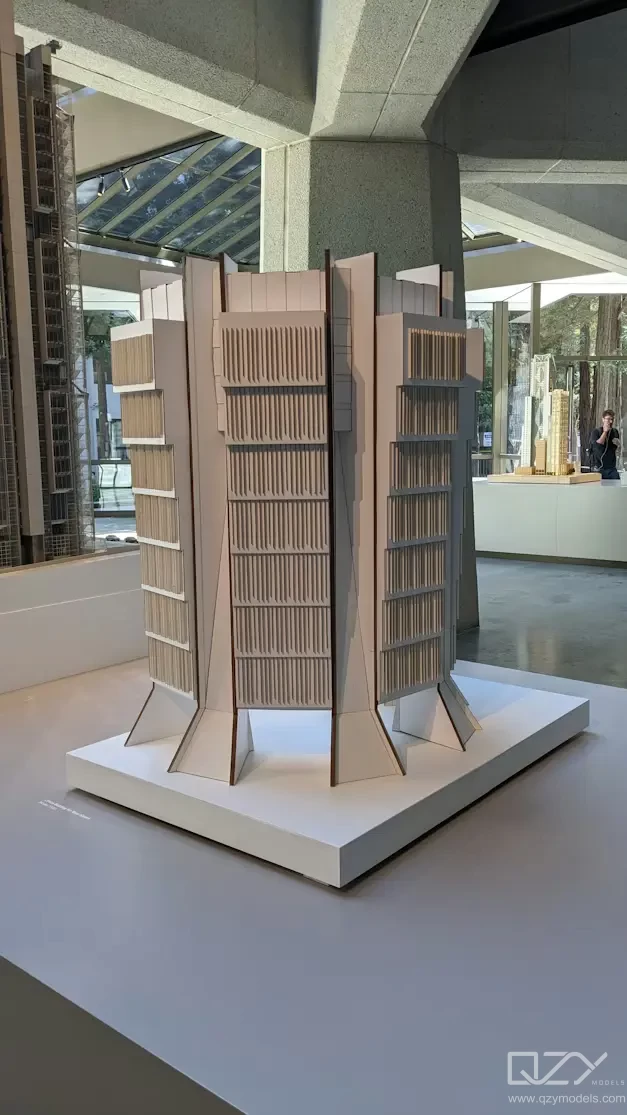
This is where an architectural model becomes the most effective option. A physical model provides a real sense of scale, depth, and detail that digital visuals often cannot fully deliver.
Modern architectural models are often created using advanced 3D printing techniques, which allow higher precision and faster production, especially for complex designs.
For different project types, these models can vary — from detailed architectural models for buildings to urban models for large-scale developments and interior models for showcasing internal spaces.
Architectural Model vs 3D Rendering vs BIM
| Feature | Architectural Model | 3D Rendering | BIM |
|---|---|---|---|
| Purpose | A physical model used to present the project in a real, tangible form. | A digital visual used to show how the design will look before it is built. | A data-based building model used for planning, coordination, and technical accuracy. |
| Best Stage | Best for the final stage when the design is ready for presentation or approval. | Best for the early stage when ideas, layouts, and design options are still changing. | Best for the mid stage when technical planning, structure, and systems need coordination. |
| Flexibility | Low flexibility because physical changes take more time and cost. | High flexibility because visuals can be updated quickly. | Medium flexibility because changes affect connected project data and systems. |
| Cost | Usually higher because it involves materials, production, detailing, and finishing. | Usually medium cost depending on image quality, views, and revisions. | Can be higher for complex projects because it requires detailed technical modeling. |
| Realism | Very strong physical impact because people can see scale, depth, and details in real life. | Strong visual realism, especially for lighting, materials, and atmosphere. | More technical than visual, focused on accuracy rather than presentation beauty. |
| Best Use | Client meetings, investor presentations, exhibitions, sales centers, and approval discussions. | Concept presentation, design reviews, marketing visuals, and early client feedback. | Planning, clash detection, cost estimation, construction coordination, and project management. |
The best option is not about choosing one over the other. It is about understanding which method fits your current project stage. In many real projects, 3D rendering, BIM, and architectural models are used together at different stages for better results.
Common Mistakes to Avoid
Many people choose between architectural models, 3D rendering, and BIM without fully understanding their purpose. This often leads to confusion, extra costs, and unnecessary revisions later in the project.
Here are some common mistakes to avoid:
- Choosing based only on price instead of project needs
- Using 3D rendering as a final solution instead of a planning tool
- Ignoring BIM in complex projects where coordination is important
- Skipping architectural models for final presentations
- Not understanding which option fits each project stage
Avoiding these mistakes can save time, reduce cost, and improve the overall outcome of your project, especially when the right model-making approach is used.
Which Option Is Right for Your Project?
The right choice depends on your project stage and what you actually need at that moment.
If you are still exploring ideas and want flexibility, 3D rendering is usually the best starting point. It allows you to test concepts and make quick changes without much cost.
If your project is moving into technical planning and requires coordination, BIM becomes more useful because it helps manage structure, systems, and detailed project data.
But if your goal is to present your project clearly to clients, investors, or stakeholders, for more creative or customized presentations, gift models are also used, especially for corporate events, exhibitions, or unique project showcases where a more personalized touch is needed.
. It gives a real sense of scale and detail that digital visuals cannot fully match.
In many professional projects, the best results come from combining all three methods at different stages instead of relying on just one.
Conclusion
At the end of the day, choosing between an architectural model, 3D rendering, and BIM is not about picking the “best” option — it’s about using the right method at the right stage of your project.
Many projects run into problems not because the idea was wrong, but because the wrong approach was used at the wrong time. When you understand how each method fits into the process, everything becomes clearer, smoother, and more efficient.
In real-world projects, the strongest results usually come from combining these methods instead of relying on just one. From early visualization to final presentation, each step plays a role in shaping the outcome.
If you want your project to be presented clearly, professionally, and without unnecessary revisions, working with a team that understands this process can make a real difference. At QZY Models, the focus is always on delivering precise, well-crafted models that align with your project needs and presentation goals.
FAQS
Which is better: architectural model, 3D rendering, or BIM?
It depends on your stage. Rendering for ideas, BIM for planning, and a model for final presentation.
Is 3D rendering enough for a project?
No. It shows the design, but it doesn’t help with planning or execution.
Do I need BIM for small projects?
Not always. But it can still help you plan better and avoid mistakes.
When should I create an architectural model?
When your design is final and ready to present or get approval.
Which option is the most cost-effective?
3D rendering is cheaper early. BIM saves money later by reducing errors.
🌐 www.qzymodels.com
📧 [email protected]