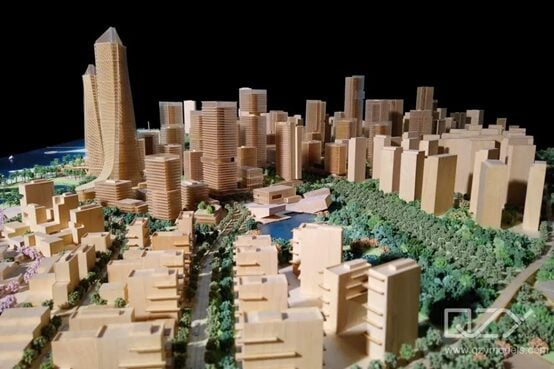
One project, three quotes — and the prices are completely different.
That’s where most clients get confused.
The truth is, architectural model pricing isn’t random. It follows a logic.
If you don’t understand that logic, you either overpay… or end up choosing the wrong model.
Quick Answer
Architectural model cost depends on size, detail, materials, and purpose.
Most clients overpay not because prices are high, but because they don’t understand what they actually need.
The smartest approach is simple:
match the model type to your project stage and always compare detailed quotes before deciding.
Why Prices Are So Different
Architectural model cost changes based on a few key things:
- size and scale
- level of detail
- materials used
- project purpose
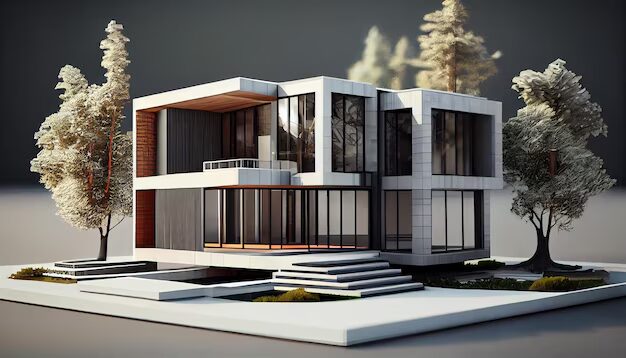
A simple concept model is affordable.
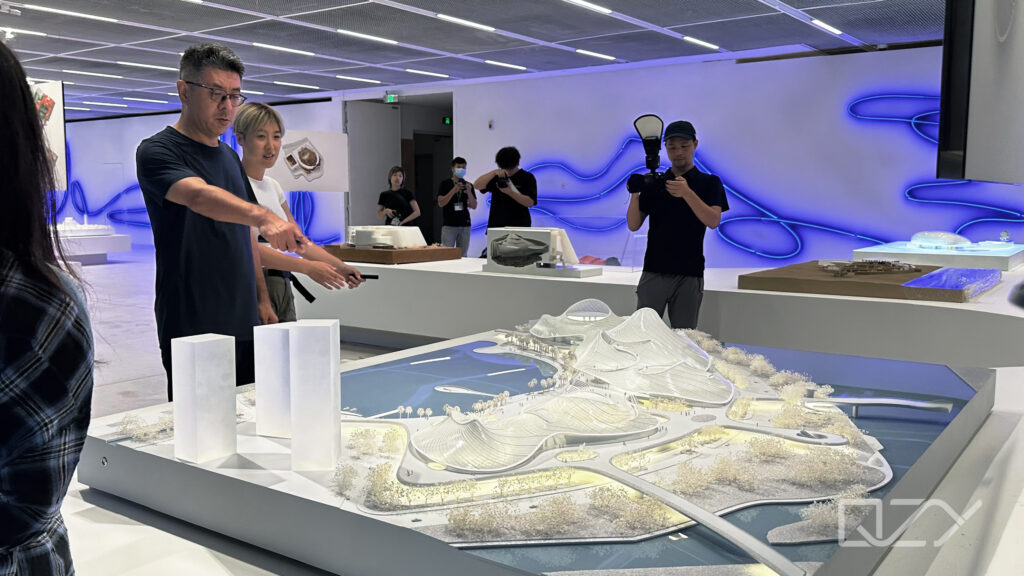
A high-end presentation model can cost significantly more. To see how planning affects cost, check it
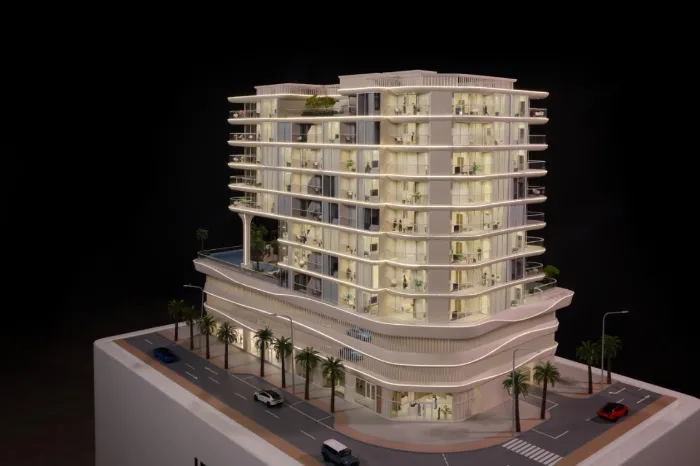
What Really Drives Cost
Not all costs are visible upfront.
Here’s what actually affects pricing:
- Detail level → more precision = more time = higher cost
- Materials → acrylic, wood, resin all differ in price
- Lighting & electronics → adds complexity
- Timeline → urgent projects cost more
Material choice alone can change the budget a lot.
Where Clients Overpay
This is the real problem.
Wrong Model Type
Ordering a final presentation model too early
No Quote Comparison
Accepting the first price without checking alternatives
Over-detailing
Paying for details that are not needed for the project stage
Ignoring Logistics
Shipping, handling, and installation costs add up
For large or international projects
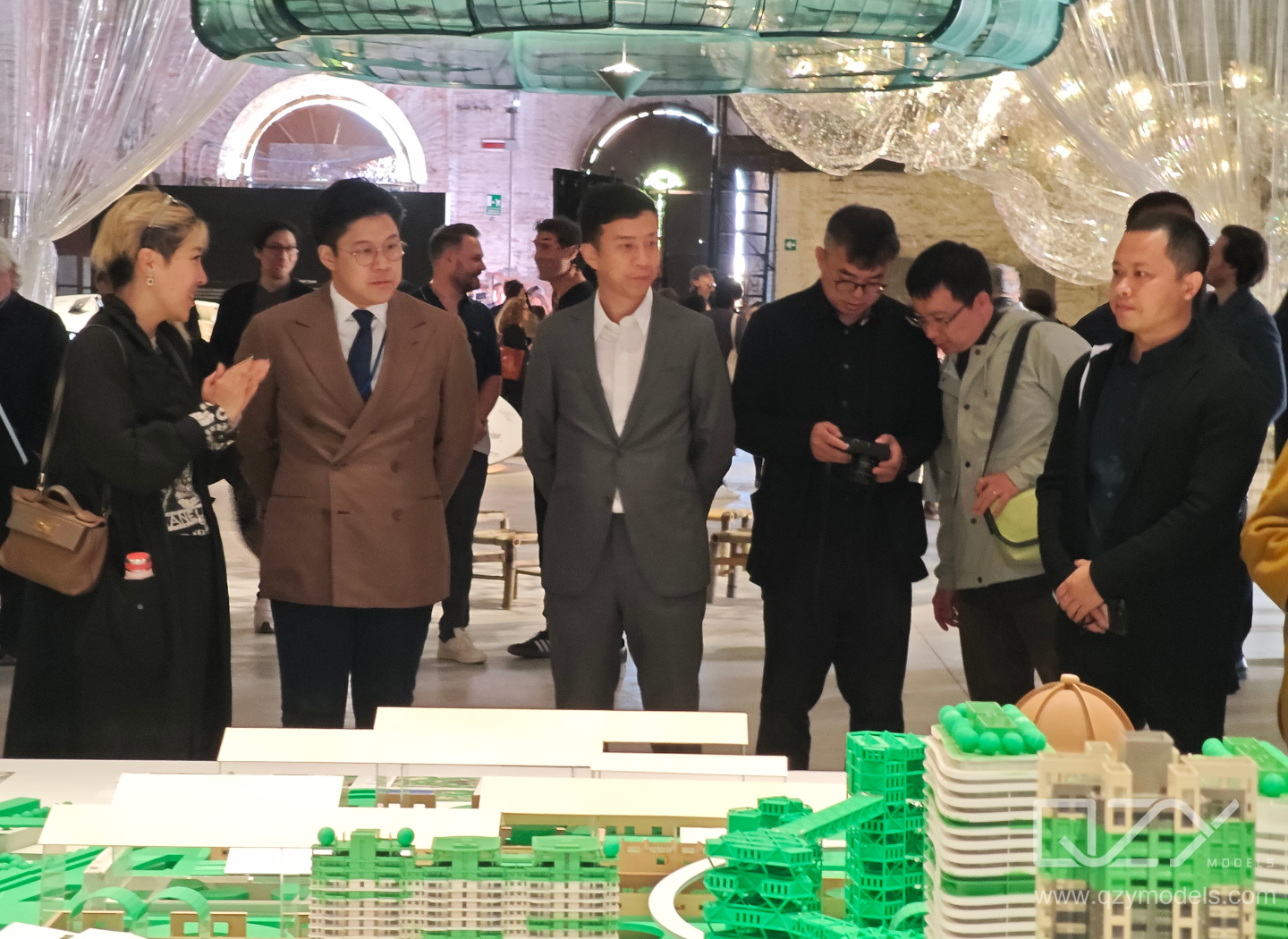
Hidden Costs Most People Miss
Even experienced clients overlook these:
- revision charges
- packaging and delivery
- installation setup
- last-minute design changes
These small things can increase the total cost significantly.
How to Avoid Overpaying
Now the part that actually saves money 👇
✔ Ask for a Detailed Breakdown
Don’t accept a single total price
✔ Choose the Right Model Stage
Concept → mid-stage → final presentation
In early stages, a concept model is often the smartest and most cost-effective starting point before moving to detailed builds.
Cheap vs Expensive (Reality)
Cheap models look good at first…
but often fail in:
- finishing quality
- durability
- presentation impact
Expensive doesn’t always mean better — but quality usually has a reason.
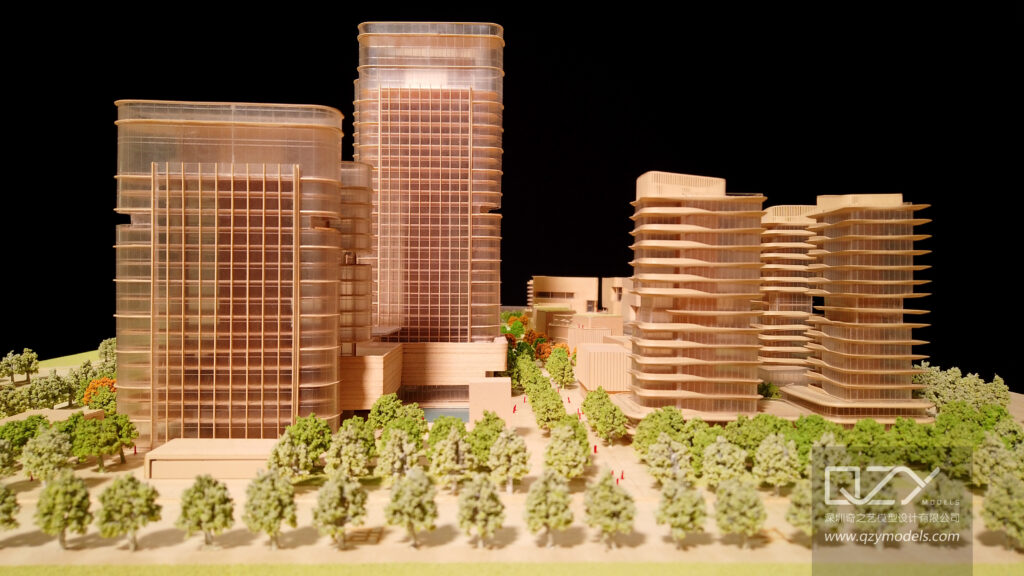
In many cases, high-end architectural models reflect better materials, precision, and overall presentation quality
When to Invest More
Higher cost is justified when:
- you are presenting to investors
- it’s a marketing or sales model
- the project scale is large
In these situations, working with professional architectural model services helps deliver better results without costly mistakes.
Quick Decision Checklist
Before finalizing:
- Do I really need this level of detail?
- Is the price justified by materials?
- Have I compared multiple quotes?
- Are there hidden costs?
If all answers are clear → you’re safe.
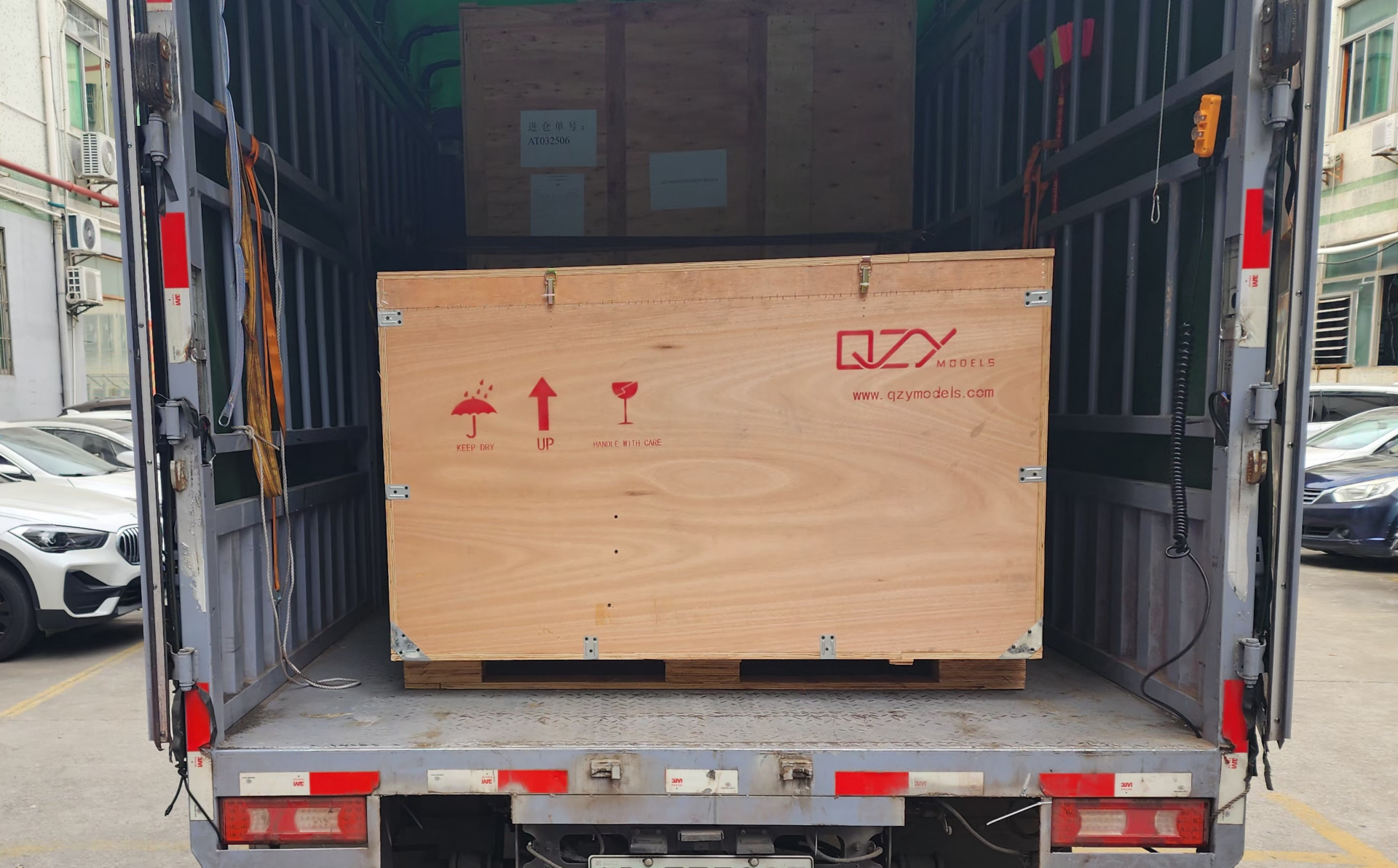
Many clients avoid costly mistakes by working with experienced model makers like QZY Models, who understand how to match the right model type with the project stage.
About QZY Models
QZY MODELS is a professional model-making company specializing in architectural scale models, industrial models, and urban planning models for global clients.
With more than 20 years of experience, the team provides complete services including:
architectural model design
model fabrication
international packaging and shipping
on-site installation support
These integrated services ensure that every model can be safely transported and efficiently presented anywhere in the world.
FAQs
What is a fair architectural model price?
There is no fixed price. It depends on size, detail, and materials. Always compare multiple quotes.
Why do model quotes vary so much?
Different companies use different materials, techniques, and quality standards.
Can I reduce model cost without losing quality?
Yes — by choosing the right model type and avoiding unnecessary detail.
Is a cheap model a good idea?
Only for basic concept stages. For presentations, it usually leads to problems later.
🌐 www.qzymodels.com
📧 [email protected]