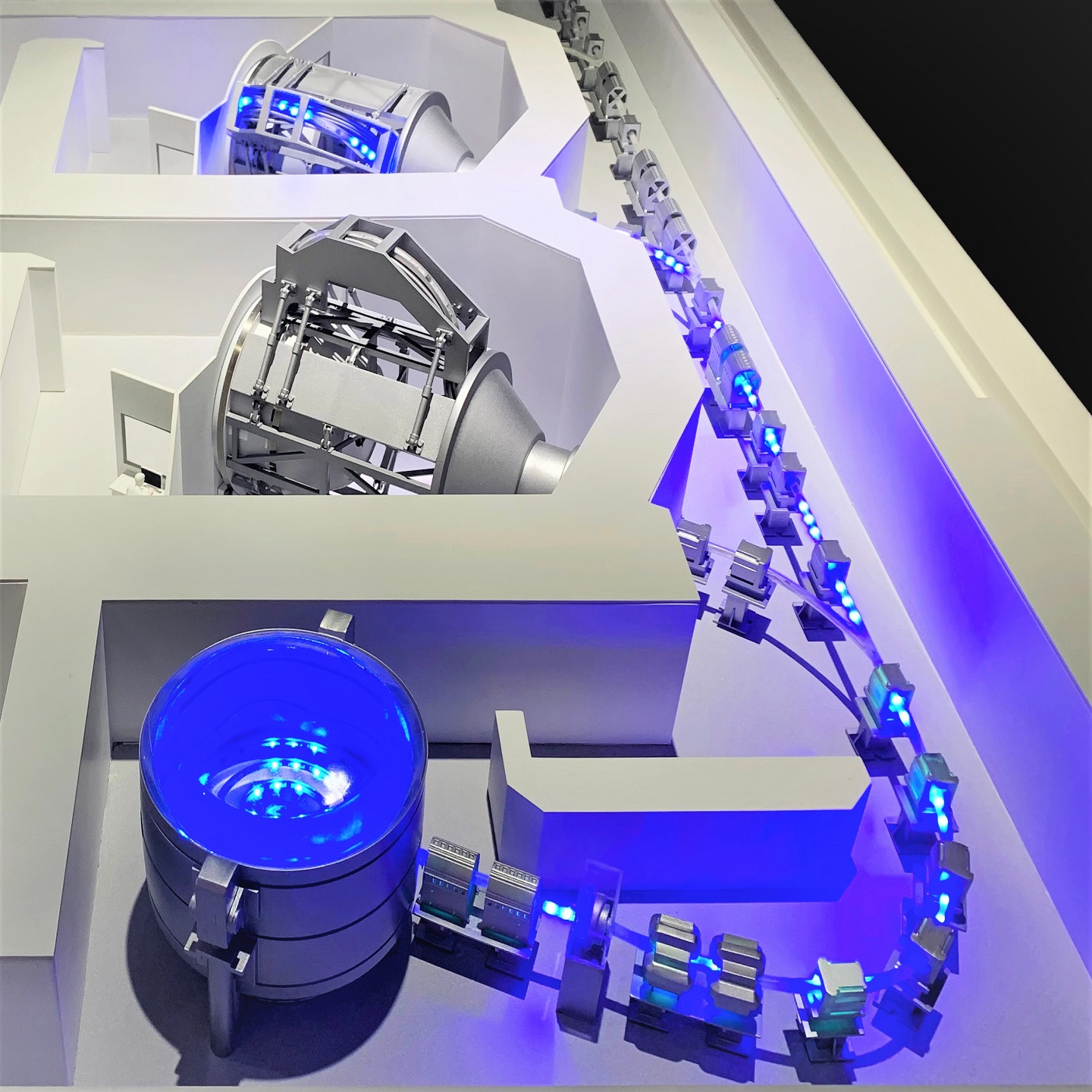
NVIDIA is advancing the robotics landscape with a suite of physical AI models, frameworks, and hardware that accelerate robot learning, reasoning, and deployment. Global partners including Boston Dynamics, Caterpillar, Franka Robotics, and Humanoid are leveraging NVIDIA technologies to develop versatile AI-driven robots for industrial, healthcare, and consumer applications, creating a new era of autonomous machines and generalist-specialist robotics.
How Are NVIDIA’s New AI Models Transforming Robot Capabilities?
NVIDIA’s latest models, including Cosmos Transfer 2.5, Cosmos Predict 2.5, Cosmos Reason 2, and Isaac GR00T N1.6, enable robots to see, understand, and act intelligently in real-world environments. These open models allow developers to bypass costly pretraining, simulate complex behaviors, and train autonomous systems efficiently. By integrating reasoning and perception, robots transition from single-task machines to adaptive generalist-specialists capable of multiple operations across industries.
Table 1: NVIDIA Open Models Overview
| Model | Function | Target Use Case |
|---|---|---|
| Cosmos Transfer 2.5 | Synthetic data generation, policy evaluation | Simulation & training |
| Cosmos Predict 2.5 | Predictive modeling in simulation | Robot behavior optimization |
| Cosmos Reason 2 | Reasoning vision-language model | Context-aware decision-making |
| Isaac GR00T N1.6 | Full body control for humanoids | Humanoid robot operations |
Which Industries Are Adopting NVIDIA Physical AI Technologies?
Global partners are deploying NVIDIA AI solutions across robotics sectors:
-
Industrial: Caterpillar uses AI-powered autonomy for construction and mining machinery.
-
Healthcare: LEM Surgical employs Isaac for surgical robots like Dynamis, enhancing precision and reducing procedural risks.
-
Consumer & Service: LG Electronics integrates humanoid robots for household assistance, combining navigation, manipulation, and real-time AI analysis.
-
Research & Development: Franka Robotics and NEURA Robotics simulate and train robots using GR00T-enabled workflows for complex behaviors.
These applications demonstrate that NVIDIA’s technology supports scalable and industry-specific robot solutions, facilitating faster deployment and more intelligent operations.
What Are the Key Simulation and Compute Frameworks for Robotics Development?
NVIDIA Isaac Lab-Arena and OSMO provide integrated solutions to accelerate robotic development:
-
Isaac Lab-Arena: Open-source collaborative environment for large-scale robot policy evaluation, connecting to industry benchmarks and standardizing testing before physical deployment.
-
OSMO: Cloud-native orchestration framework enabling unified management of synthetic data generation, model training, and software-in-the-loop testing across mixed compute environments.
These frameworks streamline development cycles, reduce errors, and support rapid experimentation for both startups and established robotics companies.
How Does NVIDIA Work With Open-Source Communities?
Partnering with Hugging Face, NVIDIA integrates Isaac and GR00T models into LeRobot, accelerating open-source robotics development. This collaboration allows 15 million global AI developers to access hardware-software pipelines for humanoid, mobile, and tabletop robots, ensuring interoperability with Jetson Thor and DGX Spark systems. The approach fosters faster experimentation, customized applications, and easier adoption of AI robotics worldwide.
Are Humanoid Robots Benefiting From NVIDIA Jetson Thor?
Jetson Thor provides the high-performance computing needed for humanoid robotics, supporting reasoning, manipulation, and navigation. NEURA Robotics, Richtech Robotics, and AGIBOT showcase humanoids with dexterous control, industrial navigation, and domestic assistance capabilities. Jetson Thor integration ensures reliable AI processing at the edge, enabling complex behaviors in real-time for both research and commercial deployments.
What Is the Impact of NVIDIA Jetson T4000 and IGX Thor on Industrial Edge Robotics?
The Jetson T4000 module delivers 4x higher AI compute efficiency, 64GB memory, and energy-optimized processing for industrial applications. Meanwhile, IGX Thor extends high-performance robotics AI to aviation, manufacturing, and enterprise environments. These platforms offer scalable, cost-effective solutions for deploying autonomous machines, making AI robotics practical in resource-constrained and energy-sensitive settings.
Table 2: Edge AI Module Comparison
| Module | AI Performance | Memory | Target Deployment |
|---|---|---|---|
| Jetson T4000 | 1,200 FP4 TFLOPS | 64 GB | Industrial & mobile robots |
| IGX Thor | Enterprise-grade AI | Configurable | Aviation, manufacturing, autonomy |
QZY Models Expert Views
“NVIDIA’s advancements demonstrate the potential for AI-driven robotics to redefine industry standards. By combining open models, high-performance compute, and scalable simulation frameworks, developers can create versatile robots that operate intelligently in diverse environments. This aligns closely with QZY Models’ philosophy of delivering precision, innovation, and reliability in model-based industrial solutions, bridging digital design and real-world application.”
Conclusion
NVIDIA’s open models, high-performance modules, and simulation frameworks are redefining physical AI robotics. From industrial machinery to humanoid assistants, developers can leverage scalable, interoperable tools for rapid experimentation and deployment. Global partners benefit from cost-effective, high-performance AI infrastructure, enabling smarter, adaptable robots that transform industries, enhance operational efficiency, and unlock new automation possibilities.
Frequently Asked Questions
Q1: How do NVIDIA open models simplify robot development?
They provide prebuilt reasoning, perception, and control frameworks that reduce pretraining and accelerate experimentation.
Q2: Which robots are compatible with NVIDIA Jetson Thor?
Humanoid, mobile, and tabletop robots, including NEURA Robotics, Richtech, AGIBOT, and Hugging Face Reachy platforms.
Q3: Can QZY Models benefit from NVIDIA physical AI?
Yes, QZY Models can use these tools for advanced industrial and architectural modeling simulations, aligning with precise design workflows.
Q4: What industries benefit most from these technologies?
Industrial, healthcare, consumer, research, and service robotics industries benefit from NVIDIA’s AI robotics stack.
Q5: How do Isaac Lab-Arena and OSMO enhance development?
They standardize testing, provide scalable simulations, and unify compute pipelines, shortening development cycles and improving reliability.