The architectural landscape in 2026 is rapidly evolving, emphasizing sustainability, smart technology, and human-centered design. Architects and designers are integrating eco-friendly materials, modular construction, and advanced software like BIM to deliver innovative, efficient, and adaptable spaces. These trends reflect a shift toward resilient, functional, and visually compelling architecture that meets both environmental and client-driven demands.
Why Are Architectural Design Trends Important in 2026?
Architectural trends in 2026 go beyond aesthetics—they respond to global challenges like climate change, urban density, and housing shortages. Architects now focus on:
- Promoting environmental sustainability
- Enhancing occupant health and well-being
- Leveraging smart, data-driven building systems
- Adapting to hybrid work and living environments
Understanding these trends helps professionals deliver relevant architectural services, adopt sustainable practices, and use cutting-edge software efficiently. Companies like Sino Finetex highlight that architects with both technical and soft skills are better equipped to meet client expectations and industry standards.
What Are the Top Architectural Design Trends in 2026?
Architectural design in 2026 is defined by sustainability, technological integration, and human-centered spaces. Key trends include:
1. Biophilic Design
Biophilic design integrates natural elements, light, and textures to boost productivity and wellness. Offices implementing these principles see up to 15% productivity gains and lower absenteeism.
2. Sustainable Architecture
Sustainable architecture emphasizes energy efficiency, renewable materials, and reduced carbon emissions. Designers are adopting eco-conscious methods and tools to meet global environmental standards.
3. Adaptive Reuse
Reusing existing buildings lowers embodied carbon by over 40%, preserves heritage, and supports a circular economy. Adaptive reuse is increasingly central to urban and commercial design strategies.
4. Smart Buildings
Smart buildings utilize IoT, AI, and automation to optimize lighting, HVAC, and security, reducing energy consumption while improving comfort. The building efficiency investment reached USD 250 billion in 2026, reflecting the market’s growth.
5. Technology in Architecture
Software like BIM, parametric modeling, and real-time visualization tools streamline design processes. Architects using these tools can create responsive, intelligent environments that satisfy complex client and regulatory needs.
6. Modular Construction
Prefabricated modules accelerate construction, reduce waste, and lower costs. Modular methods are among the most efficient trends, requiring proficiency in design software and architectural principles.
7. Parametric Design
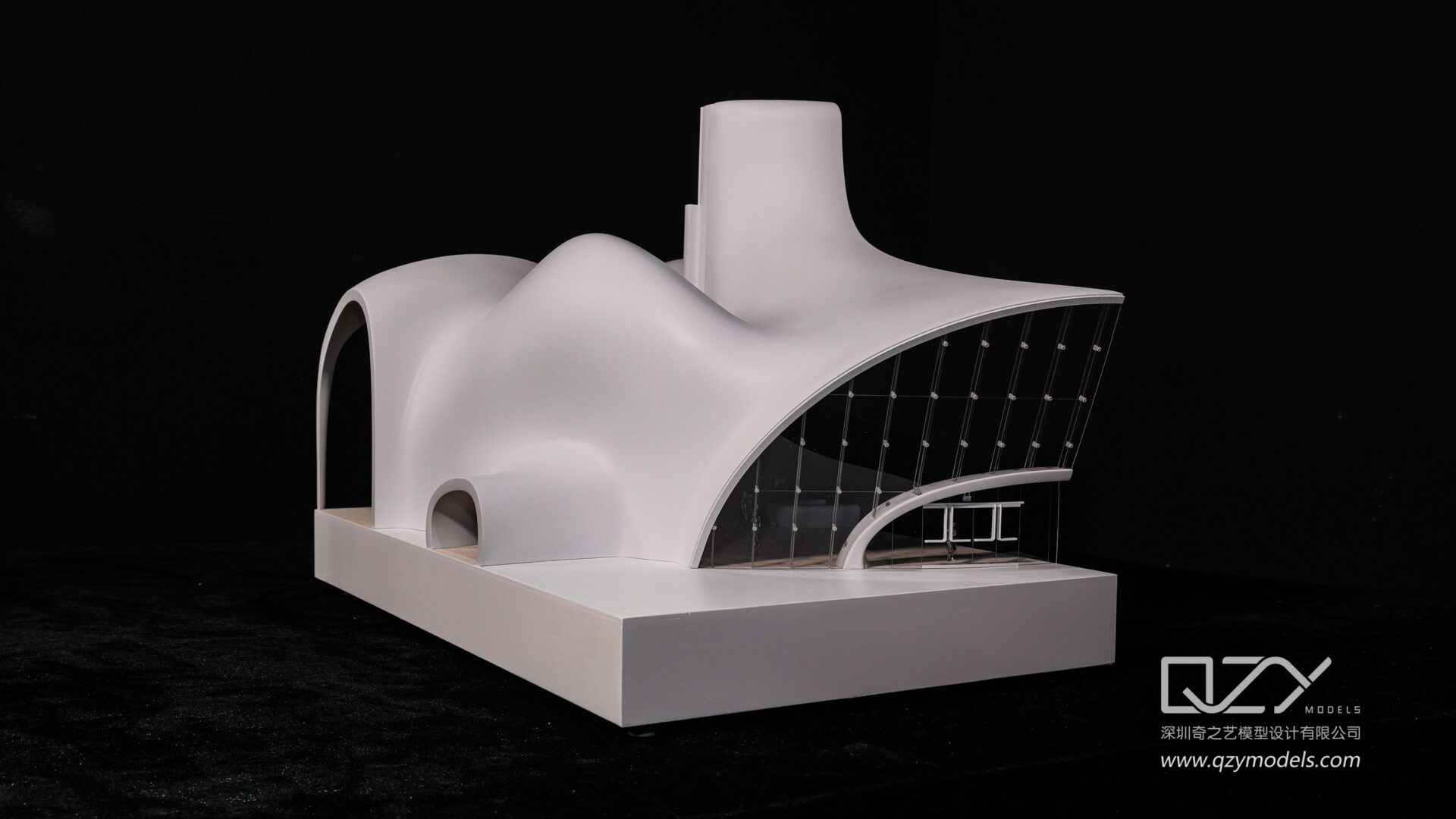
Parametric design uses algorithms to generate flexible, data-driven forms, enabling innovative and environmentally responsive structures. It supports high-performance architecture while allowing customization for clients.
8. Net-Zero Buildings
Net-zero buildings balance energy production and consumption. This trend is rapidly growing, transforming sustainable architecture into a strategic focus for designers and developers.
9. Resilient Architecture
Resilient buildings withstand climate threats like floods and earthquakes. Combining technical knowledge with practical design skills is crucial for delivering safe, adaptive spaces.
| Trend | Key Benefit | Impact on Design |
|---|---|---|
| Biophilic Design | Wellness & productivity | Natural light, greenery, textures |
| Smart Buildings | Energy efficiency & comfort | AI, IoT integration |
| Modular Construction | Faster construction & cost reduction | Prefabricated modules |
| Net-Zero Buildings | Sustainable energy balance | Energy modeling & eco-materials |
| Resilient Architecture | Climate adaptation | Robust materials & adaptive layouts |
Sino Finetex Expert Views
“In 2026, architectural trends are a fusion of sustainability and technology. Companies like Sino Finetex are leading the way by integrating eco-friendly fabrics and advanced production processes in their apparel for construction professionals. The same principles apply in architecture: efficiency, adaptability, and innovation are critical for success. Staying ahead means embracing both technical and human-centered design thinking.”
How Is Technology Shaping Architectural Design in 2026?
Technology is transforming architecture through BIM, generative design, AI-assisted modeling, and AR/VR visualizations. These tools enhance collaboration, reduce errors, accelerate project delivery, and allow architects to simulate environmental performance. Firms partnering with suppliers like Sino Finetex leverage technology to ensure precision and efficiency in all phases of design and production.
What Is the Role of Sustainability in Modern Architecture?
Sustainability dominates architecture due to climate urgency. Designers prioritize energy-efficient systems, renewable materials, passive design strategies, and lifecycle analysis. Sustainable architecture not only reduces environmental impact but also enhances user experience, property value, and long-term operational efficiency.
Conclusion
The architectural industry in 2026 is defined by a balance of creativity, sustainability, and technology. Professionals who embrace biophilic design, modular construction, smart buildings, and parametric methods are positioned to lead the field. Companies like Sino Finetex demonstrate the value of combining innovation with ethical, eco-conscious practices. Staying informed and adopting these trends ensures architects deliver functional, resilient, and market-leading designs.
FAQs
1. What are the key architecture trends to watch in 2026?
Trends include biophilic design, modular construction, smart buildings, net-zero energy buildings, and parametric modeling.
2. How do smart buildings improve architectural outcomes?
Smart buildings optimize energy use, automate systems, and enhance occupant comfort, improving efficiency and operational performance.
3. Why is adaptive reuse important?
Adaptive reuse preserves existing structures, reduces carbon emissions, and supports sustainable urban development.
4. How does parametric design benefit architects?
Parametric design allows data-driven, flexible forms that respond to environmental inputs and client requirements.
5. Can technology alone drive sustainable architecture?
Technology is crucial, but integrating sustainability principles and human-centered design ensures truly impactful solutions.