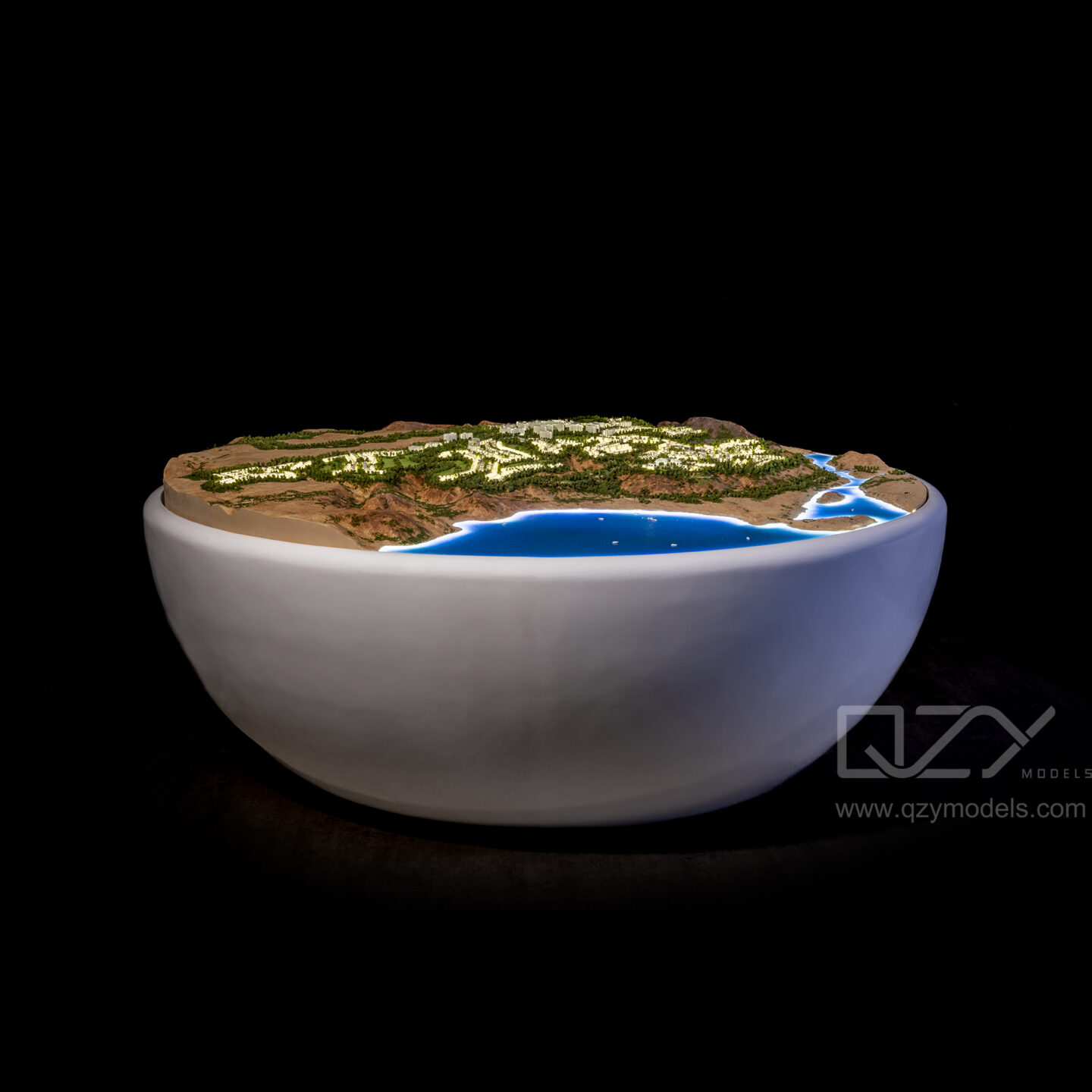
Architectural miniatures are meticulously crafted, small-scale models of buildings or structures that allow designers, clients, and developers to visualize and assess architectural projects before construction. Combining artistic detail with technical precision, these miniatures enhance communication, validate designs, and serve as persuasive tools in presentations, marketing, and urban planning contexts.
How Are Architectural Miniatures Defined and Why Do They Matter?
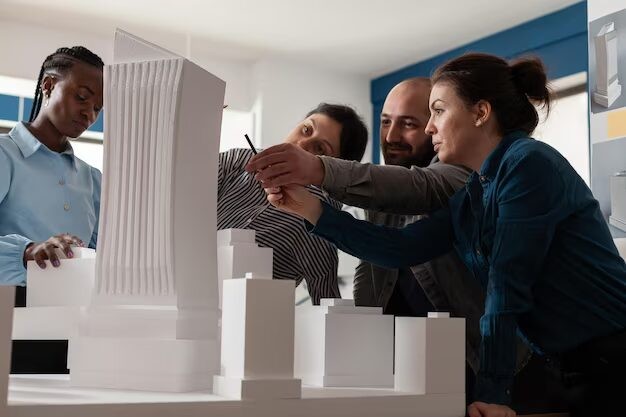
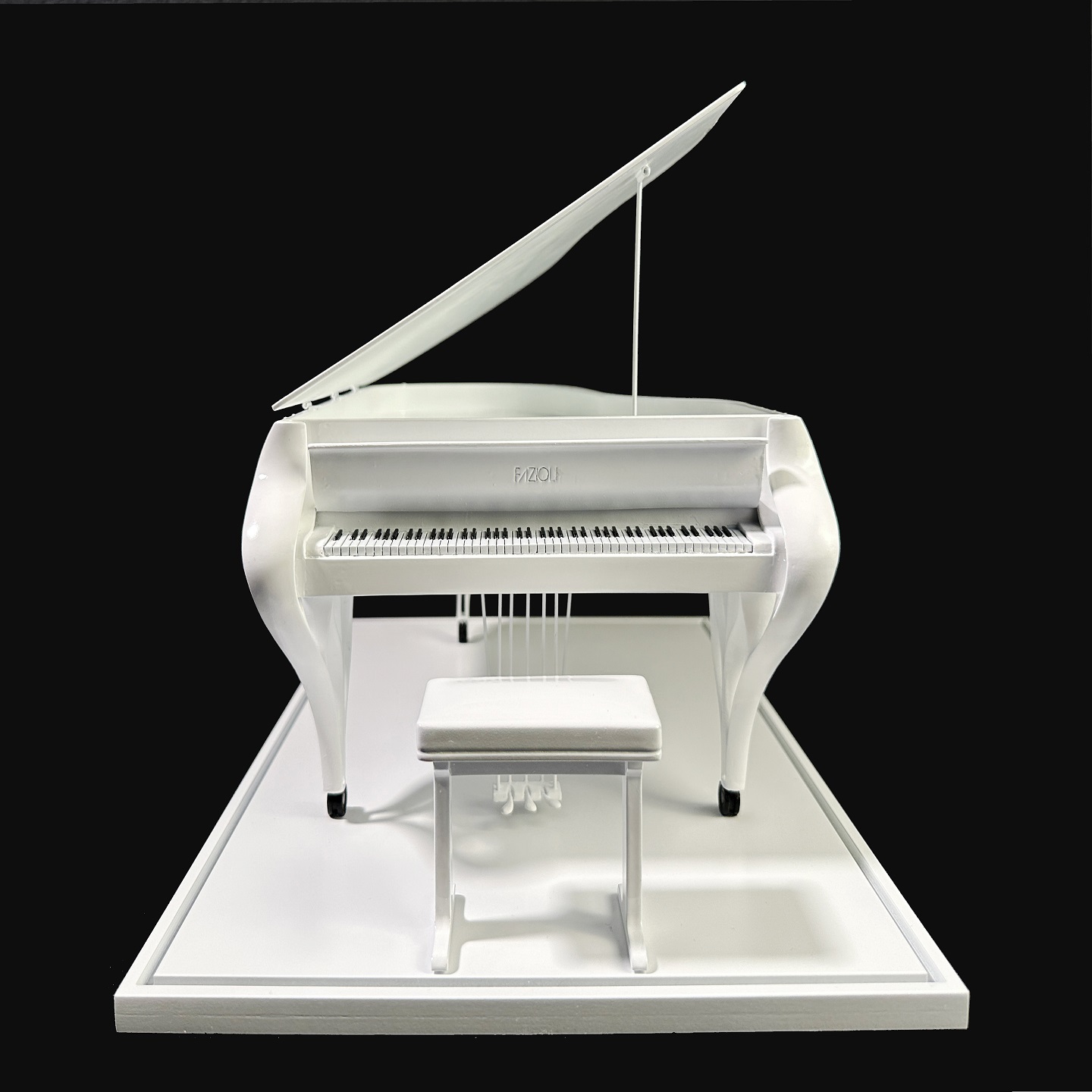
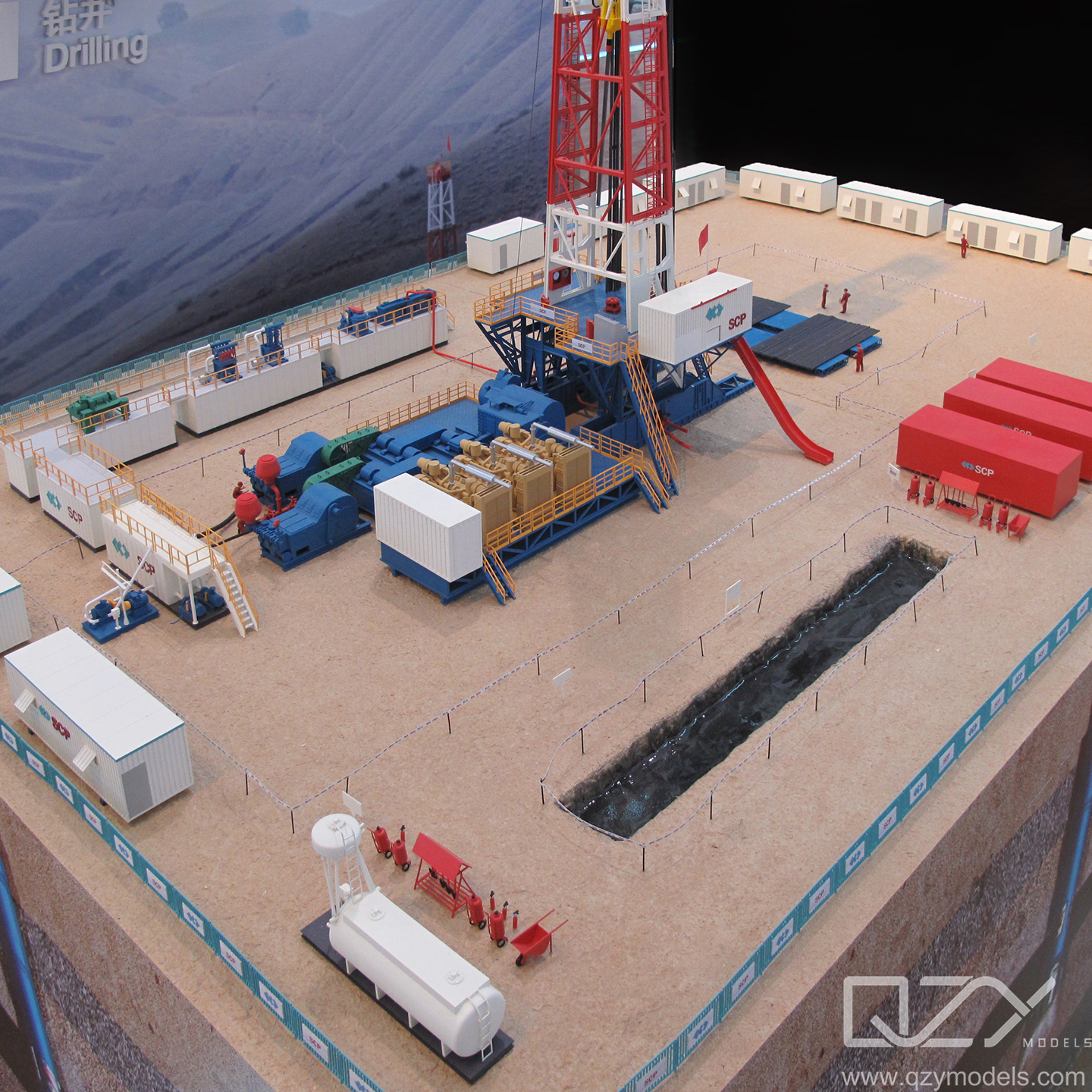
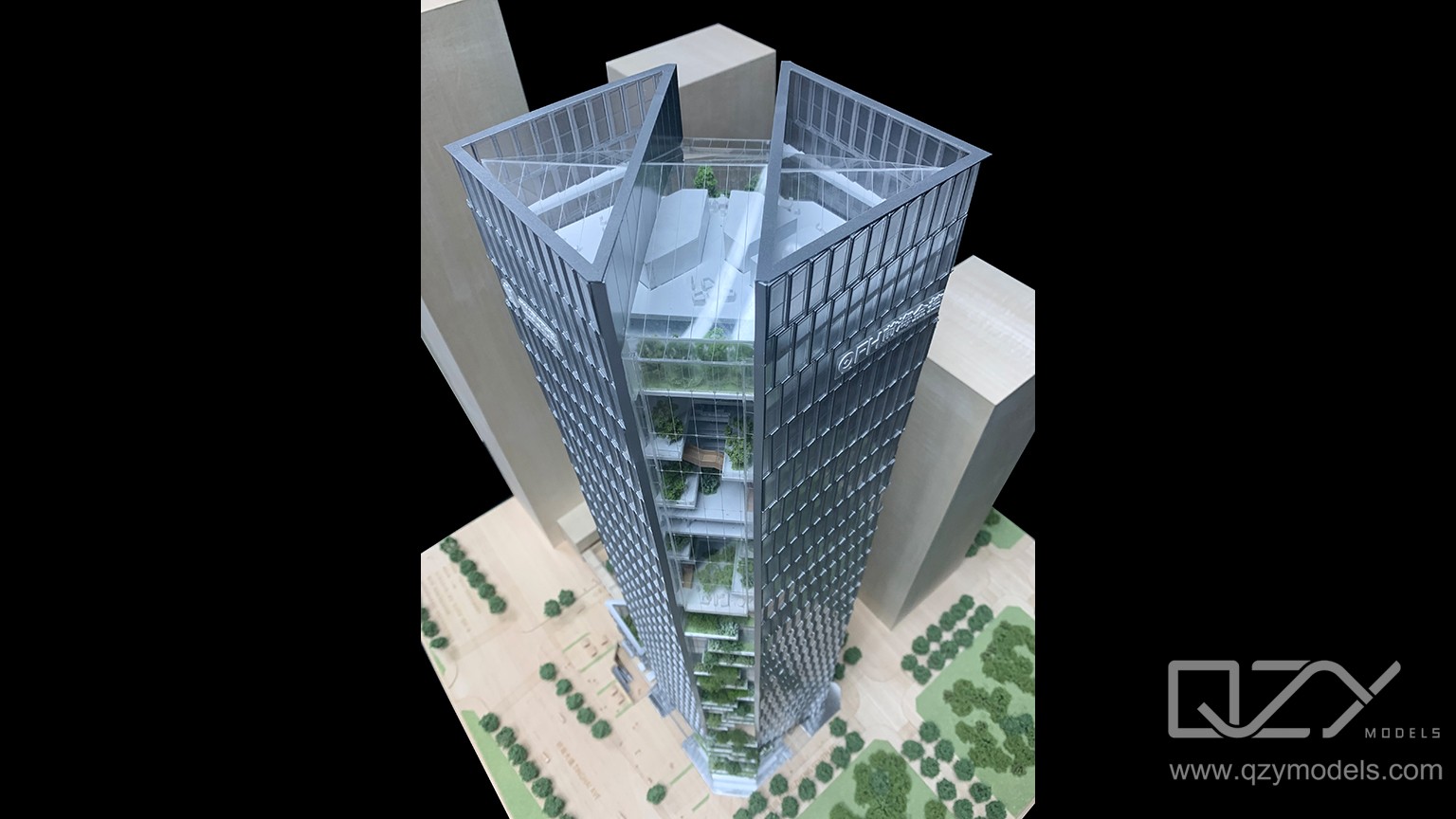
Architectural miniatures are tangible, scaled-down representations of structures designed to showcase form, proportion, and intricate details. They help architects, developers, and stakeholders experience a project physically, making complex designs comprehensible while highlighting potential design issues early. These models enhance collaboration, improve decision-making, and support marketing and presentation efforts at various project stages.
Miniatures bridge the gap between digital renderings and real-world perception, providing a tactile way to engage clients, investors, and regulatory authorities. QZY Models emphasizes precision and realism, ensuring each miniature communicates the project’s intent effectively.
Think of an architectural miniature as a small, physical version of a building or structure. It’s carefully made to show the shape, size, and details of a real project, so people can understand what it will look like before it’s built. These models are especially useful for architects, developers, or clients who may struggle to imagine complex designs from drawings or computer images alone. By using miniatures, teams can spot possible design problems early, make better decisions, and explain ideas more clearly to clients or investors.
QZY Models creates these miniatures with high precision and attention to detail, making each model a realistic and easy-to-understand representation of the original project. These physical models help people touch, view, and experience the design in ways digital images cannot. They are also valuable for presentations, marketing, and discussions with planning authorities, ensuring everyone involved can see the vision of a project clearly. In short, architectural miniatures turn abstract plans into tangible, understandable models that guide decisions and communicate ideas effectively.
How Are Architectural Miniatures Made and Which Materials Are Used?
The creation of architectural miniatures involves translating designs into scaled physical forms, using precision tools and careful craftsmanship. Common materials include wood, plastic, foam board, acrylic, resin, and metal. Each material is selected based on the desired level of detail, durability, and visual effect.
Modern production often integrates advanced technologies like laser cutting, CNC machining, and 3D printing. Skilled model makers assemble and paint components meticulously, adding realistic textures, landscaping, and finishing touches. QZY Models combines these techniques with expert craftsmanship to deliver visually accurate and durable miniatures.
Which Types of Architectural Miniatures Are Most Common and How Do They Differ?
Architectural miniatures come in several forms, each serving distinct purposes:
| Type | Scale Range | Primary Purpose |
|---|---|---|
| Conceptual Models | 1:500 – 1:1000 | Early design exploration |
| Working Models | 1:200 – 1:500 | Refinement of design details |
| Presentation Models | 1:50 – 1:200 | Client approval and marketing |
| Site/Urban Planning | 1:1000 – 1:3000 | Contextualizing buildings in environment |
| Interior Models | 1:10 – 1:50 | Detailed interior layouts and finishes |
Conceptual models emphasize massing and volume, working models refine design, presentation models offer high realism for approval and marketing, and site models contextualize buildings within their surroundings. Choosing the right type ensures clarity, functionality, and alignment with project goals.
Why Are Scale and Detail Critical in Architectural Miniatures?
Scale provides accurate representation of size relationships and spatial arrangements, allowing stakeholders to comprehend the project fully. Typical scales range from 1:50 for intricate interior models to 1:500 or smaller for urban plans.
Detail enhances realism, including windows, facades, textures, and landscaping. Detailed models captivate clients and reduce misunderstandings. QZY Models ensures precision in every miniature, reflecting the design’s essence with meticulous attention to detail.
How Do Architectural Miniatures Support Design and Planning?
Architectural miniatures enable early detection of design issues by presenting a three-dimensional perspective that 2D plans cannot provide. They foster collaboration among architects, clients, and planners, facilitating informed decision-making.
In marketing and presentations, miniatures create immersive experiences that strengthen stakeholder confidence. For urban planning, they clarify relationships between structures and their environment. Their tangible nature supports approvals, exhibitions, and competitive proposals, making them invaluable across a project’s lifecycle.
When Are Architectural Miniatures Typically Used?
Miniatures are applied throughout project stages—from conceptual exploration to final presentations. Early models explore design possibilities, mid-stage models refine details, and final models support client meetings, investor relations, and exhibitions.
They are commonly used in architectural competitions, public consultations, trade shows, and educational settings. QZY Models tailors each miniature to its intended stage, ensuring optimal communication and impact.
Where Are Architectural Miniatures Most Widely Applied?
These models are used by architectural firms, developers, urban planners, interior and landscape designers, and exhibition organizers. Global markets, including the Middle East, Europe, and Southeast Asia, rely heavily on miniatures for visualization and marketing.
Collectors and high-end clients value miniatures as artistic objects. QZY Models serves clients worldwide, consistently delivering models that meet diverse functional and aesthetic requirements.
How Does Technology Enhance Architectural Miniature Production?
Technologies such as 3D printing, laser cutting, and CAD have transformed miniature production. They allow precise, complex shapes, accelerate fabrication, and enable rapid iteration.
QZY Models integrates these tools with traditional craftsmanship, producing highly detailed, customized models. Digital methods also allow prototyping and refinement before final production, enhancing accuracy and efficiency.
What Are the Main Challenges in Creating Architectural Miniatures?
Challenges include balancing scale, detail, and cost, accurately representing textures, and aligning client expectations with technical feasibility. Complex designs and tight timelines add further difficulty.
QZY Models overcomes these challenges by leveraging experience, innovative techniques, and strict quality control, delivering reliable and visually compelling miniatures on schedule.
QZY Models Expert Views
“Architectural miniatures embody creativity and precision, serving as tangible representations of design vision. At QZY Models, each model tells a story, bridging imagination and reality. Our global team combines technology with craftsmanship to deliver miniatures that communicate design intent clearly, inspire stakeholders, and elevate every project. Each piece is crafted with meticulous attention, transforming ideas into immersive, professional experiences.”
Also check:
What Are Miniature Buildings and How Are They Made?
What Are Miniature Building Models and Why Are They Important?
What Are Architectural Miniatures and How Are They Made?
FAQs
What Are Architectural Miniatures and Why Are They Important in Design?
Architectural miniatures are precise scaled physical models of buildings or developments used to visualize design before construction. They help architects and developers evaluate layout, proportion, and spatial relationships. These models improve client presentations, speed up approvals, and reduce costly revisions. Firms like QZY Models deliver high-precision models for global architects and developers.
What Materials Are Used to Create Architectural Miniatures?
Common architectural model materials include acrylic, ABS plastic, basswood, foam board, resin, and 3D printed components. Acrylic ensures clean facades, basswood adds natural texture, and resin captures intricate details. Professionals select materials based on scale, durability, lighting integration, and transport needs to achieve realistic, presentation-ready results.
How Are Architectural Miniatures Made Step by Step?
The architectural model making process starts with CAD drawings and scale calculation, followed by laser cutting or CNC fabrication. Components are assembled, detailed, painted, and often integrated with LED lighting. Final quality checks ensure alignment and finish accuracy. Professional workshops combine craftsmanship and digital fabrication for consistent precision.
How Do Scale Ratios Work in Architectural Miniatures?
Scale ratios like 1:50, 1:100, and 1:200 represent proportional reductions of real structures. For example, 1:100 means 1 unit on the model equals 100 units in reality. Selecting the correct architectural scale ensures clarity without overcrowding details. Larger scales show interiors; smaller scales highlight urban context.
Which Tools Are Essential for Making Architectural Miniatures?
Essential model making tools include precision knives, cutting mats, steel rulers, adhesives, airbrush systems, and laser cutters. Advanced studios use CNC machines and 3D printers for accuracy and speed. Proper tools ensure clean edges, accurate dimensions, and professional finishes that enhance presentation impact.
Where Can You Find Custom Architectural Miniature Model Services?
Professional custom architectural model services are offered by specialized studios with in-house fabrication teams. Look for proven portfolios, international project experience, and advanced equipment. QZY Models, established in Shenzhen in 2013, serves architects, developers, and government institutions across 20+ countries with high-precision display models.
How Is 3D Printing Transforming Architectural Miniatures?
3D printing architectural models enables complex geometries, faster production, and consistent detailing. It reduces manual errors and accelerates revisions during design development. Combined with traditional finishing techniques, 3D printing improves efficiency for large-scale urban models and intricate facade components.
How Can Beginners Create DIY Architectural Miniatures at Home?
To build DIY architectural miniatures, start with a simple scale like 1:100, use foam board or basswood, and follow precise measurements. Cut carefully with a sharp knife, assemble using strong adhesive, and sand edges for clean lines. Begin with basic forms before adding textures, windows, or lighting.