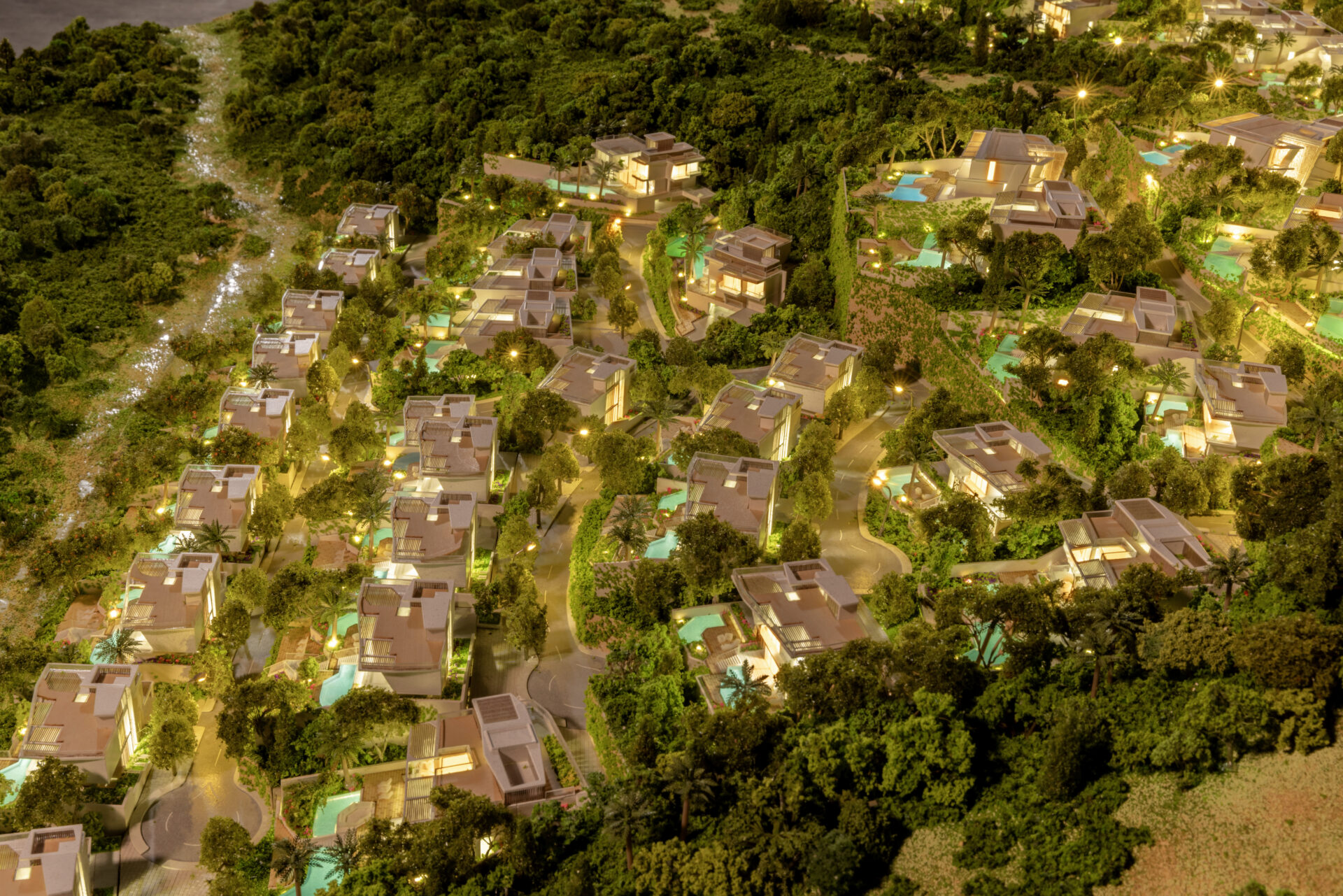
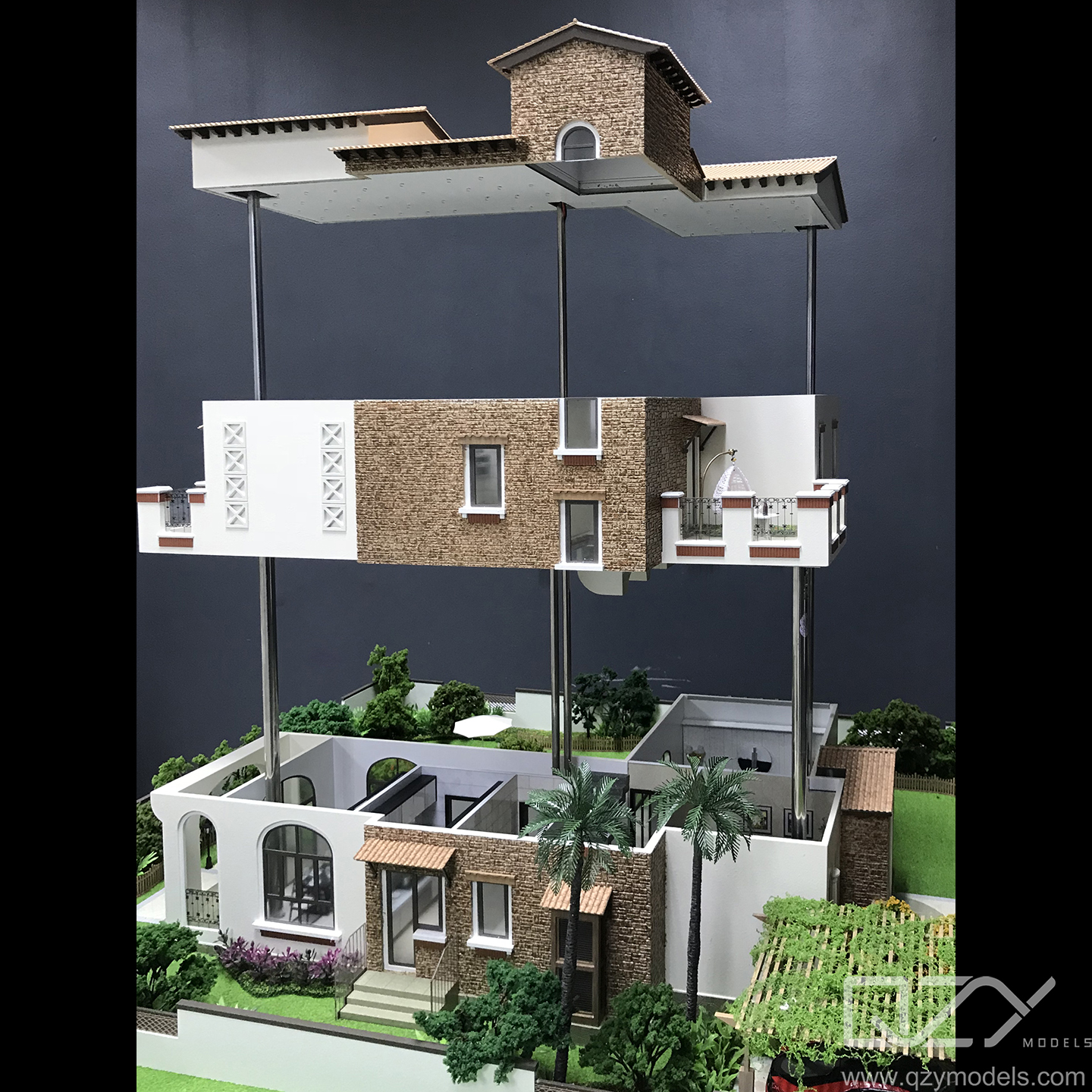
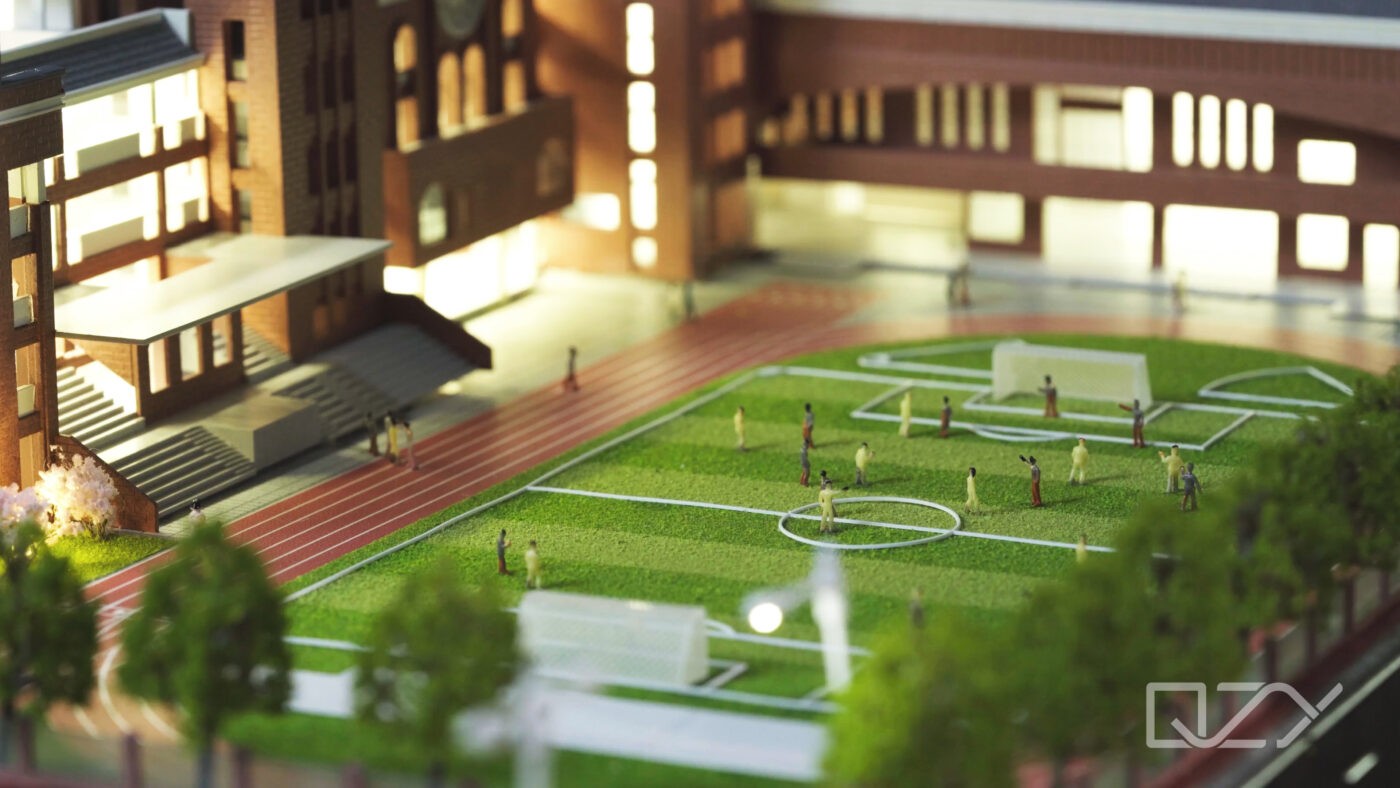
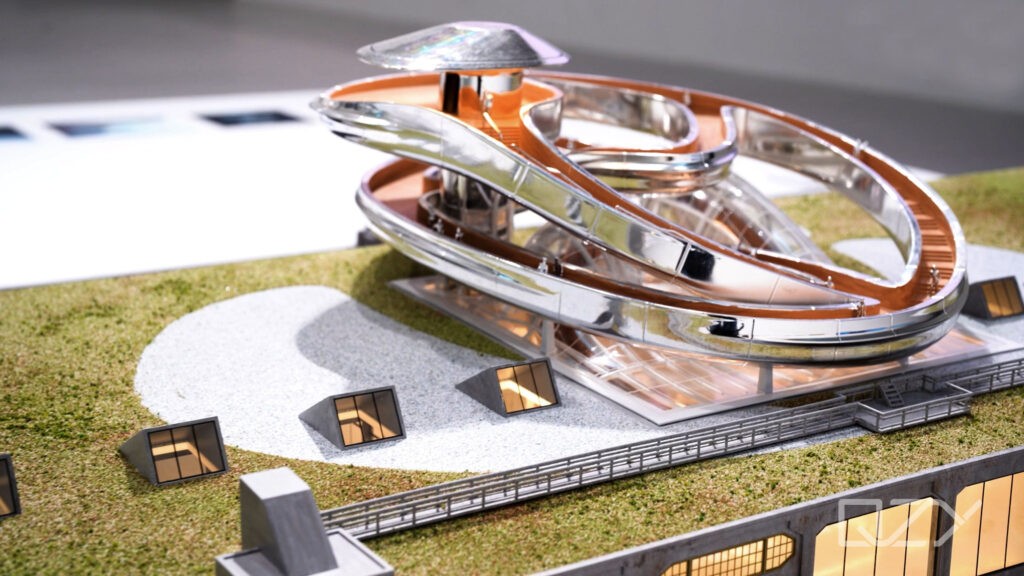
Architectural site models in Kingston are detailed scale representations of land parcels, buildings, infrastructure, and landscaping. They allow architects, developers, and planners to visualize spatial relationships, evaluate site constraints, and communicate design intent clearly. These models are essential for informed decision-making, sustainable urban planning, and stakeholder engagement within Kingston’s unique cultural and environmental context.
How Do Architectural Site Models Benefit Construction and Planning in Kingston?
Architectural site models offer a three-dimensional, tangible overview of project sites, enhancing understanding of scale, layout, and environmental integration. In Kingston, these models help manage terrain challenges, preserve heritage sites, and implement sustainable design strategies. They streamline planning and construction by highlighting constraints and opportunities, fostering informed decision-making, and facilitating clear communication with government authorities and local communities.
| Benefit | Impact |
|---|---|
| Improved stakeholder understanding | Enables visualization of scale and layout |
| Streamlined approvals | Simplifies communication with authorities |
| Sustainable integration | Highlights environmental and heritage considerations |
| Early risk detection | Identifies site challenges before construction |
What Elements Are Typically Included in an Architectural Site Model?
Comprehensive site models feature topography, existing and proposed buildings, roads, utilities, and landscaping. Materials used include wood, acrylic, foam, and 3D printing components, often enhanced with miniature vegetation, textures, and realistic surface treatments.
In Kingston, models often reflect tropical landscaping and urban context, providing both aesthetic appeal and functional understanding. QZY Models excels at creating these tailored representations, blending global standards with local environmental nuances.
Which Clients Most Commonly Use Architectural Site Models in Kingston?
Architectural firms, urban planners, real estate developers, government agencies, and educational institutions are primary users. Models support urban renewal projects, public consultations, real estate marketing, and research, offering precise spatial context for diverse objectives.
QZY Models brings international expertise to Kingston, delivering site models that align with local design requirements while meeting the highest technical and aesthetic standards.
Why Are Physical Site Models Important Despite Digital Alternatives?
Physical models allow interactive, multi-angle inspection that digital screens cannot fully replicate. They provide tactile feedback, enhance spatial comprehension, and leave a strong impression during community meetings and public hearings.
QZY Models integrates artisanal craftsmanship with advanced fabrication technologies, producing physical site models that complement digital workflows and enrich stakeholder engagement.
Who Are Leading Providers of Architectural Site Modeling Services in Kingston?
Top providers combine technical expertise, premium materials, and client-focused collaboration. QZY Models is recognized globally for precision, quality, and innovation. Local Kingston firms also offer valuable services, combining contextual knowledge with fabrication expertise to produce models that meet project and regulatory standards.
These providers typically deliver end-to-end solutions, including digital modeling, physical production, and finishing for impactful presentations.
How Are Architectural Site Models Created?
The production process begins with site surveys, CAD data, and design analysis. Digital 3D modeling follows, incorporating topography, structures, and landscaping. Physical fabrication uses CNC machining, laser cutting, or 3D printing, followed by painting, detailing, and miniature landscaping.
QZY Models emphasizes rigorous quality control and continuous client feedback, ensuring visually accurate and technically precise results.
Where Do Site Models Fit in Kingston’s Urban Development Landscape?
Site models play a central role in urban renewal, heritage preservation, infrastructure planning, and waterfront development. They help visualize proposals for sensitive areas, support design alignment with local culture, and facilitate collaboration between municipal authorities, developers, and communities. QZY Models contributes high-quality models that inform sustainable urban development in Kingston.
Can Architectural Site Models Support Sustainable and Resilient Design in Kingston?
Yes, site models assist in evaluating topography, drainage, vegetation, wind patterns, and climate-adaptive strategies. They allow designers to plan resilient infrastructure and environmentally conscious layouts, ensuring sustainable performance. QZY Models incorporates sustainability considerations in all models, guiding clients toward designs that respect Kingston’s ecological context.
QZY Models Expert Views
“Architectural site models capture the complexity of Kingston’s urban environment, translating design intent into tangible, interactive experiences. At QZY Models, we combine precision engineering with artistic craftsmanship to produce models that communicate effectively with stakeholders, support sustainable planning, and reflect the city’s cultural heritage. Our models empower decision-making, foster engagement, and enhance the quality of urban development.” – Richie Ren, Founder, QZY Models
Summary of Key Takeaways
Architectural site models in Kingston provide vital visualization and planning tools for construction, urban development, and community engagement. They incorporate local topography, cultural context, and climate considerations to support sustainable and context-sensitive projects. Firms like QZY Models deliver expertly crafted models that meet the highest professional standards, combining physical detail with digital precision.
Frequently Asked Questions
1. How accurate are architectural site models?
Models are highly precise, based on survey data and design specifications, commonly scaled at 1:100 or 1:500.
2. How long does it take to produce a site model?
Production typically ranges from 3 to 8 weeks depending on complexity and scale.
3. Can site models be updated after initial production?
Yes, models can be modified or expanded to reflect evolving project designs.
4. What scales are commonly used for site models in Kingston?
Scales like 1:200 and 1:500 balance detail and overall site context effectively.
5. Are architectural site models cost-effective?
While an investment, they prevent design errors, enhance communication, and save resources long-term.