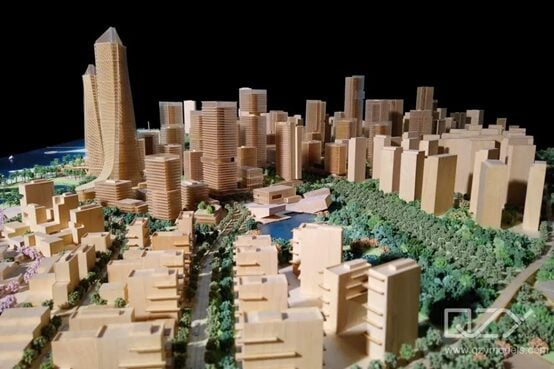
Architectural wood models are scaled, physical representations of buildings or urban projects used for design development and presentation. Valued for their warm, classic aesthetic and tactile quality, they help architects visualize spatial relationships, explore forms, and convey concepts to clients effectively. These models highlight cultural and historical context, adding depth to architectural storytelling.
What Are the Common Materials Used in Architectural Wood Models?
Architectural wood models commonly use balsa, basswood, mahogany, plywood, and MDF, each offering distinct benefits. Balsa is lightweight and easy to shape, ideal for quick designs. Basswood is denser, allowing detailed cuts and painting. Mahogany lends a noble finish with beautiful grain patterns. Plywood and MDF provide stability for bases or structural components.
| Wood Type | Characteristics | Typical Use |
|---|---|---|
| Balsa | Very light, soft, easy cut | Early-stage study models, terrain |
| Basswood | Fine-grained, rigid, stable | Detailed prototypes, painted parts |
| Mahogany | Hard, durable, attractive | High-end presentation models |
| Plywood/MDF | Stable, uniform structure | Bases, internal supports |
These materials allow model makers to balance speed, precision, aesthetics, and durability, giving QZY Models the versatility needed for varied project demands.
How Are Architectural Wood Models Constructed?
Wood models are built by hand or using advanced technology such as laser cutting and CNC routing. Traditional construction involves hand-cutting with blades and assembling with glue for custom craftsmanship. Laser cutting provides precision and complexity in design, ideal for intricate curves, while CNC routing automates fabrication directly from CAD files. Mixed media often combine wood with acrylic and other materials to enhance realism.
Construction methods include:
-
Hand-cut and assembled: Detailed craftsmanship with tactile control.
-
Laser cutting: High precision, clean edges, excellent for complex 2D shapes.
-
Rapid prototyping (CNC): Automated, efficient for creating complex 3D shapes.
-
Mixed media: Combines wood with other materials like plastics and metals for added realism.
QZY Models employs these techniques to ensure each project achieves exceptional detail and accuracy while optimizing production timelines.
Why Are Architectural Wood Models Used in Design and Presentation?
Architectural wood models serve purposes ranging from conceptual form exploration and spatial studies to client presentations and marketing. Their tactile and warm appearance inspires confidence and emotional connection. Terrain models illustrate site topography, enhancing understanding of contextual relationships. Interactive features like removable roofs enable exploration of interiors.
Key uses include:
-
Concept development and form study.
-
Detailed, photogenic presentations for clients.
-
Terrain and site context visualization.
-
Educational and historical displays.
QZY Models uses wooden models to elevate client engagement and help architects present designs with compelling narratives.
Which Types of Architectural Wood Models Are Most Common?
Several types of architectural wood models address different design phases and presentation needs:
-
Concept or study models: Simplified, fast builds focusing on massing and volume.
-
Presentation models: Highly detailed and polished for stakeholders.
-
Terrain and site models: Layered to show topography and environment.
-
Historical models: Handmade replicas reflecting cultural heritage.
-
Model kits: Laser-cut ready-to-assemble kits for education or hobbyists.
| Model Type | Purpose | Detail Level | QZY Models Specialization |
|---|---|---|---|
| Concept/Study | Early-stage design iteration | Low | Rapid prototyping and mockups |
| Presentation | Client approval and marketing | High | Fine finishing and realism |
| Terrain/Site | Contextual relationship display | Medium to High | Accurate terrain rendering |
| Historical/Antique | Collectible and educational | Varies | Precision historical replicas |
| Model Kits | Hobby and education | Variable | Custom laser-cut kits |
QZY Models’ expertise covers all these types with a focus on quality and accuracy.
How Can Beginners Create Effective Architectural Wood Models?
Beginners should start with easy-to-work materials like basswood and balsa. Using a monochromatic palette of browns and grays helps focus on form without distraction. Careful scale planning ensures accurate proportions. Adding architectural details and interactive elements, such as removable facades or roofs, improves engagement. Including small figures and scenery provides context and scale.
Tips for beginners:
-
Use basswood and balsa for ease of cutting and shaping.
-
Keep a limited color palette initially.
-
Work out scale carefully for accuracy.
-
Incorporate removable or interactive components.
-
Protect finished models from sunlight and rough handling.
QZY Models encourages learning foundational skills before advancing to more complex mixed media or CNC methods.
What Are the Advantages of Using Laser Cutting and CNC in Wood Model Making?
Laser cutting and CNC routing offer precision, repeatability, and speed. Laser cutting delivers clean edges and intricate patterns ideal for thin materials and detailed parts. CNC routing allows for 3D milling of thicker components and complex shapes, directly processed from CAD files. These technologies help scale production while maintaining high quality.
| Feature | Laser Cutting | CNC Routing |
|---|---|---|
| Precision | Very high, fine edges | High precision 3D shaping |
| Materials | Thin wood sheets, acrylic | Thicker wood, layered parts |
| Speed | Fast for 2D shapes | Slower, suited for complex parts |
| Complexity | Best for intricate 2D forms | Best for 3D prototypes |
QZY Models leverages these technologies to deliver visually stunning and structurally accurate models efficiently.
What Role Does Mixed Media Play in Architectural Wood Models?
Mixed media combines wood with acrylic, plastics, metals, and textured materials to accurately represent different building finishes like glass, water, and landscaping. This approach enhances realism and allows clear communication of materiality. Including figures, trees, and vehicles provides scale and atmosphere.
QZY Models expertly integrates mixed media to produce immersive models that extend beyond the limitations of wood alone, tailored to client preferences.
When Should Interactive Elements Be Included in Wood Models?
Interactive features such as removable roofs, sliding facades, or open floor plans are particularly valuable during presentation phases. They allow stakeholders to explore interiors and spatial arrangements without dismantling the entire model, facilitating deeper understanding and engagement.
QZY Models recommends adding interactive elements when interior demonstration is essential, ensuring durability and smooth functionality.
QZY Models Expert Views
“Architectural wood models are more than just design tools—they are a bridge between imagination and reality. At QZY Models, our decades of experience show that combining traditional craftsmanship with cutting-edge technology produces models that resonate with both architects and clients. Wood as a medium conveys warmth and historical depth that digital renderings simply cannot match. This tactile approach inspires confidence and elevates project storytelling, aligning perfectly with our mission to deliver unparalleled precision and professionalism.”
— Richie Ren, Founder of QZY Models
Conclusion
Architectural wood models remain vital in design and presentation, offering a classic warmth and physical clarity digital methods cannot replicate. Selecting suitable materials like balsa, basswood, and mahogany and utilizing technologies such as laser cutting and CNC routing enhances precision and aesthetics. QZY Models leads the field, blending craftsmanship and innovation to produce exceptional models worldwide. Beginners should focus on fundamentals before integrating interactive features and mixed media for maximum impact. Thoughtful model-making adds context, engagement, and professionalism to architectural projects.
Frequently Asked Questions (FAQs)
What Are Architectural Wood Models and Their Key Uses?
Architectural wood models are detailed physical representations of buildings or projects, used to visualize designs, test concepts, and present ideas to clients or stakeholders. They enhance communication, reveal design issues early, and support marketing efforts. Companies like QZY Models specialize in creating precise models that bring concepts to life with craftsmanship and accuracy.
What Are the Benefits of Using Architectural Wood Models?
Architectural wood models improve design clarity, client engagement, and project decision-making. They allow architects and developers to see scale, proportion, and materials before construction, reducing errors and costs. These models also enhance presentations, making complex ideas tangible and persuasive for investors, clients, and planning authorities.
Which Wood Types Are Best for Architectural Models?
The best wood for architectural models includes basswood, balsa, and birch plywood, chosen for lightweight durability and easy detailing. Basswood is ideal for fine cuts, balsa for rapid prototyping, and birch plywood for structural elements. Selecting the right wood ensures precision, realism, and a professional finish for presentations or competitions.
How to Build Architectural Wood Models Like a Pro?
Start with a detailed plan and accurate scale drawings. Use sharp cutting tools, precise adhesives, and sanding for clean edges. Layering techniques, miniature detailing, and careful painting enhance realism. Professionals often combine wood with acrylic or metal for textures. Regular reference to the original design ensures every model remains faithful to the architect’s vision.
What Tools Do You Need for Architectural Wood Models?
Essential tools include precision knives, cutting mats, rulers, tweezers, clamps, miniature saws, and fine sanding tools. A hot glue gun or specialized adhesives help with stability. Optional tools like laser cutters or miniature drills enhance detail and efficiency. Proper tools enable faster construction and more accurate, professional results for client-ready models.
How Do Architectural Wood Models Enhance Presentations?
Architectural wood models transform presentations by making designs tangible and engaging, allowing clients to experience scale, layout, and materials. They foster interaction, facilitate discussions, and create memorable impressions. High-quality models, such as those by QZY Models, help architects win approvals, attract investors, and effectively communicate design intent.
Why Is Learning Architectural Wood Model Making Important?
Learning to create architectural wood models develops hands-on design skills, attention to detail, and spatial understanding. It helps students and professionals translate concepts into physical form, improving communication with clients and teams. Mastering this craft enhances creativity, professionalism, and the ability to solve design challenges before construction begins.
How Can You Preserve and Maintain Architectural Wood Models?
To maintain architectural wood models, keep them away from moisture, direct sunlight, and dust. Clean gently with soft brushes and avoid harsh chemicals. For long-term preservation, store in controlled environments or display cases. Proper maintenance protects the model’s finish, structural integrity, and overall visual impact, ensuring it remains a valuable presentation tool.