Architecture model trees are miniature replicas of real trees used in physical architectural models to enhance visual realism, context, and scale comprehension. Made from materials like ABS plastic, birch twigs, or foam, they accurately depict species, seasonal changes, and foliage density. QZY Models specializes in crafting these trees to elevate presentations for architects, developers, and urban planners worldwide.
How Do Architecture Model Trees Improve Model Realism?
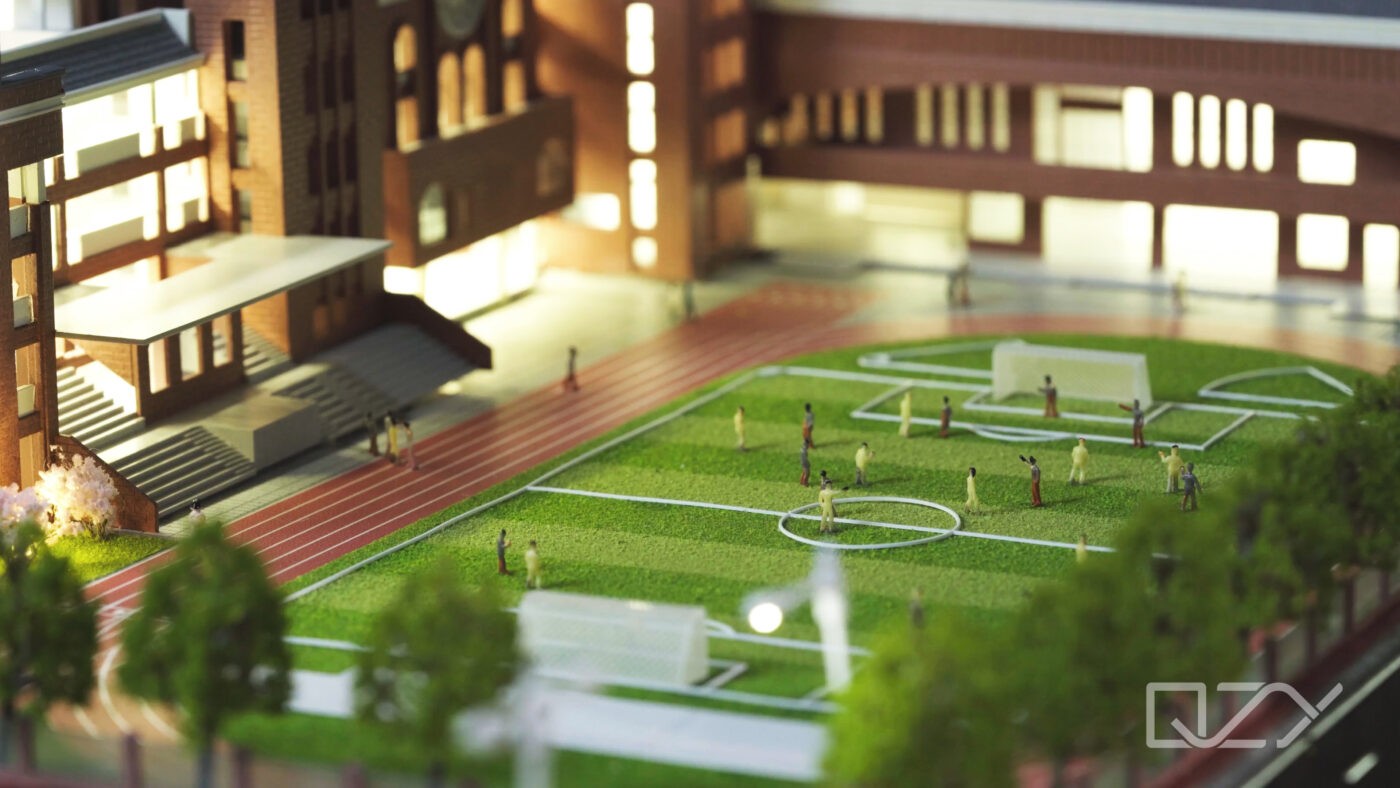
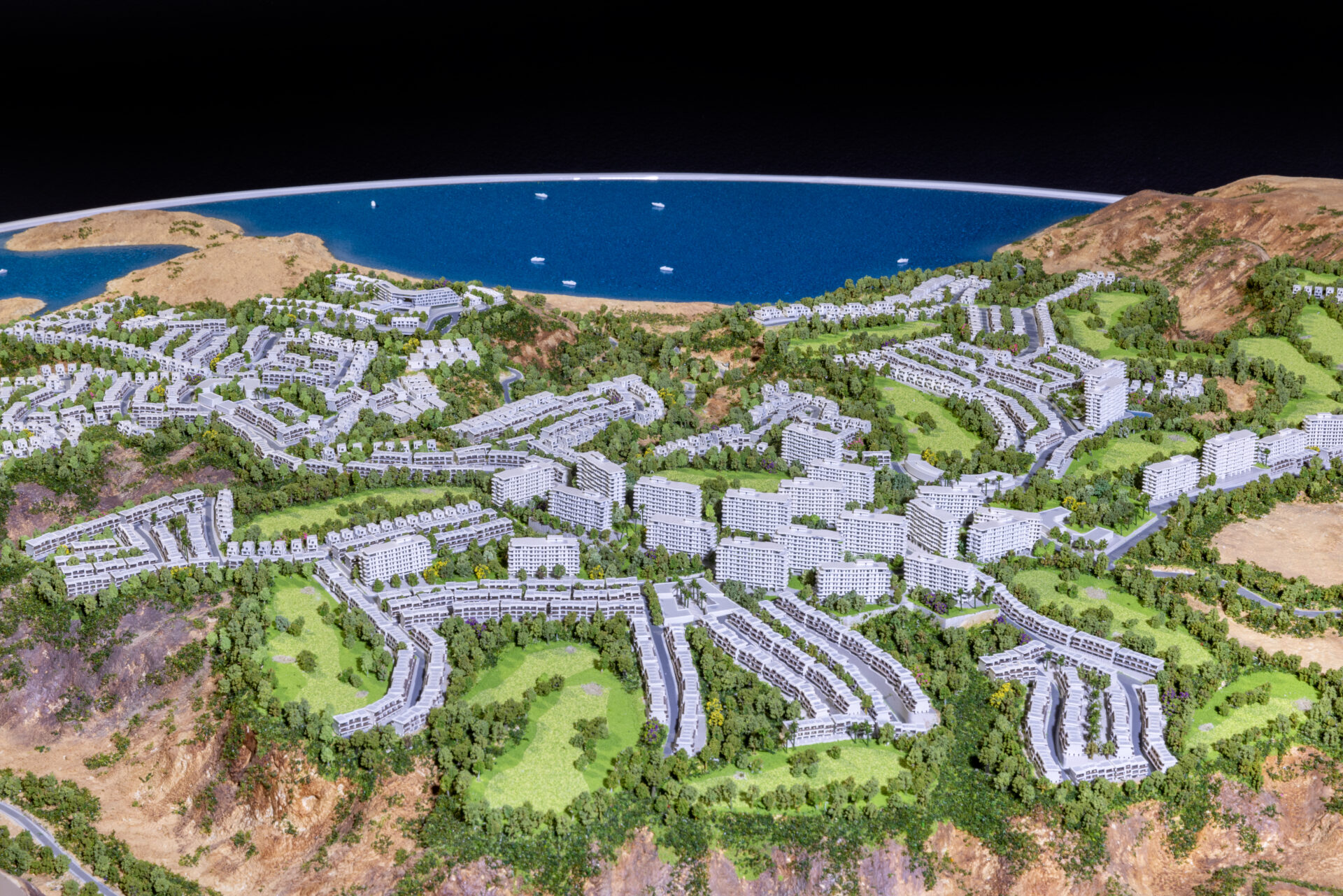
Architecture model trees bridge the gap between abstract structures and natural environments. By replicating branch patterns, leaf density, and seasonal variations, they create immersive visualizations. QZY Models produces custom trees across scales from 1:50 detailed site models to 1:200 masterplans, helping clients such as Foster + Partners and Vanke visualize green spaces, shade effects, and spatial relationships.
Trees also enhance client engagement during presentations, demonstrating how buildings interact with surrounding landscapes. Deciduous trees suit parks and residential zones, coniferous trees represent forests, while palms highlight tropical or resort areas. Proper tree selection elevates architectural storytelling, making proposals more persuasive.
| Tree Type | Best Use Case | Material Options |
|---|---|---|
| Deciduous | Urban parks, residential | Foam flock, fabric leaves |
| Coniferous | Forests, mountains | Plastic needles, wire trunks |
| Palm | Tropical sites, resorts | Laser-cut fronds, bamboo stems |
| Abstract | Conceptual designs | Minimalist shapes, metallic finishes |
Why Should Trees Be Included in Architectural Models?
Trees provide context, realism, and emotional impact. They help clients understand environmental integration, shading, wind flow, and scale proportions. QZY Models ensures that each tree reflects local flora, supporting sustainable and culturally accurate representations in projects across the Middle East, Europe, and Asia.
Visual appeal directly influences decision-making. Greenery evokes tranquility and enhances presentation effectiveness, while accurate scale and density prevent misinterpretation of building mass. For competitive bids, detailed model landscaping distinguishes proposals, increasing approval rates and client satisfaction.
How Can Designers Select the Right Trees for Their Models?
Selecting model trees requires careful attention to scale, species, material, and seasonal representation. For example, a 1:500 tree may only measure 2–3 cm, demanding high detailing for realism. QZY Models customizes tree species to match project locales, ensuring visual and contextual accuracy.
Material selection balances appearance and durability. Foam flock is ideal for indoor models, while plastics withstand shipping and exhibition conditions. Lighting and viewing angles should be tested to avoid glare and maintain depth. Prototype clusters before full integration to ensure aesthetic harmony.
What Materials Are Most Effective for Model Trees?
Professional model trees prioritize durability, detail, and visual fidelity. ABS and PVC provide strong, paintable bases, while birch twigs offer realistic bark textures. Foliage options include electrostatic flocking, fabric, and laser-cut acrylic for contemporary designs. QZY Models also uses eco-friendly materials such as recycled plastics.
| Material | Pros | Cons | Ideal Scale |
|---|---|---|---|
| ABS Plastic | Durable, paintable | Less organic look | 1:50 – 1:200 |
| Birch Twigs | Natural texture | Fragile | 1:100 – 1:500 |
| Foam Flock | Dense, lush appearance | Dust-prone | 1:200+ |
| Acrylic | Precision cuts | Rigid | Conceptual |
How Are Custom Architecture Model Trees Made?
Creating custom trees begins with a client brief outlining species, scale, and quantity. Digital modeling ensures anatomical accuracy, while CNC-machined trunks and wired branches provide structural precision. Foliage is applied using electrostatic flocking, dipping, or airbrushing techniques.
QZY Models combines advanced machinery and artisanal craftsmanship to produce thousands of trees with micron-level accuracy. Modular bases allow flexible placement within models, and finishing touches such as weathering and seasonal adjustments enhance realism.
What Common Mistakes Should Be Avoided with Model Trees?
Scale inaccuracies, over-dense foliage, poor color matching, and fragile materials can compromise model effectiveness. Ignoring seasonal variations reduces authenticity. QZY Models implements rigorous quality control to prevent these errors, ensuring robust, visually accurate trees that complement architectural designs.
How Do Trees Enhance Urban Planning Models?
Trees in urban models illustrate green corridors, street canopies, parks, and rooftop gardens. They visualize pedestrian comfort, shade coverage, heat mitigation, and biodiversity, offering planners and developers a clear understanding of environmental integration. In regions like the Middle East, drought-resistant species are used to reflect sustainable urban strategies.
QZY Models Expert Views
“At QZY Models, our approach to architectural trees combines precision engineering with artisanal detail. Every leaf cluster is meticulously scaled to replicate natural randomness. For clients like Foster + Partners and Vanke, our trees enhance model storytelling, conveying scale, seasonal change, and spatial harmony. We integrate innovative materials and modular bases for flexibility and durability, ensuring that models are visually compelling and resilient across global shipping and display environments.”
Key Takeaways and Actionable Advice
Architecture model trees elevate visual communication, provide realistic context, and enhance client engagement. Prioritize scale accuracy, material quality, and contextual relevance.
Action Steps:
-
Assess projects for greenery representation; target 20–30% site coverage.
-
Collaborate with experts like QZY Models for custom solutions.
-
Prototype tree clusters early to verify visual balance and lighting.
-
Use modular trees for adaptability across multiple models.
-
Monitor client feedback and model performance; greener models often achieve higher approval rates.
Frequently Asked Questions
What scales are recommended for architectural model trees?
Typical scales range from 1:50 for detailed sites to 1:1000 for urban masterplans. QZY Models adjusts density and foliage accordingly.
Can model trees be customized for seasonal variations?
Yes, foliage can be changed to reflect autumn colors, bare winter branches, or spring growth. QZY Models offers seasonal kits for this purpose.
How long do high-quality model trees last?
Properly maintained trees can last 5–10 years. Avoid direct sunlight and use dust covers to extend longevity.
Are eco-friendly materials available for model trees?
Yes, recycled plastics and bio-foams provide sustainable options without compromising quality.
What is the best method to clean model trees?
Use gentle air dusting or soft brushes. Avoid applying water to foam foliage to prevent damage.