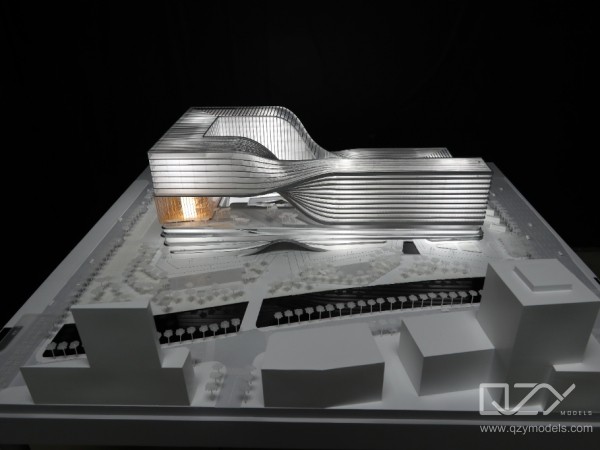
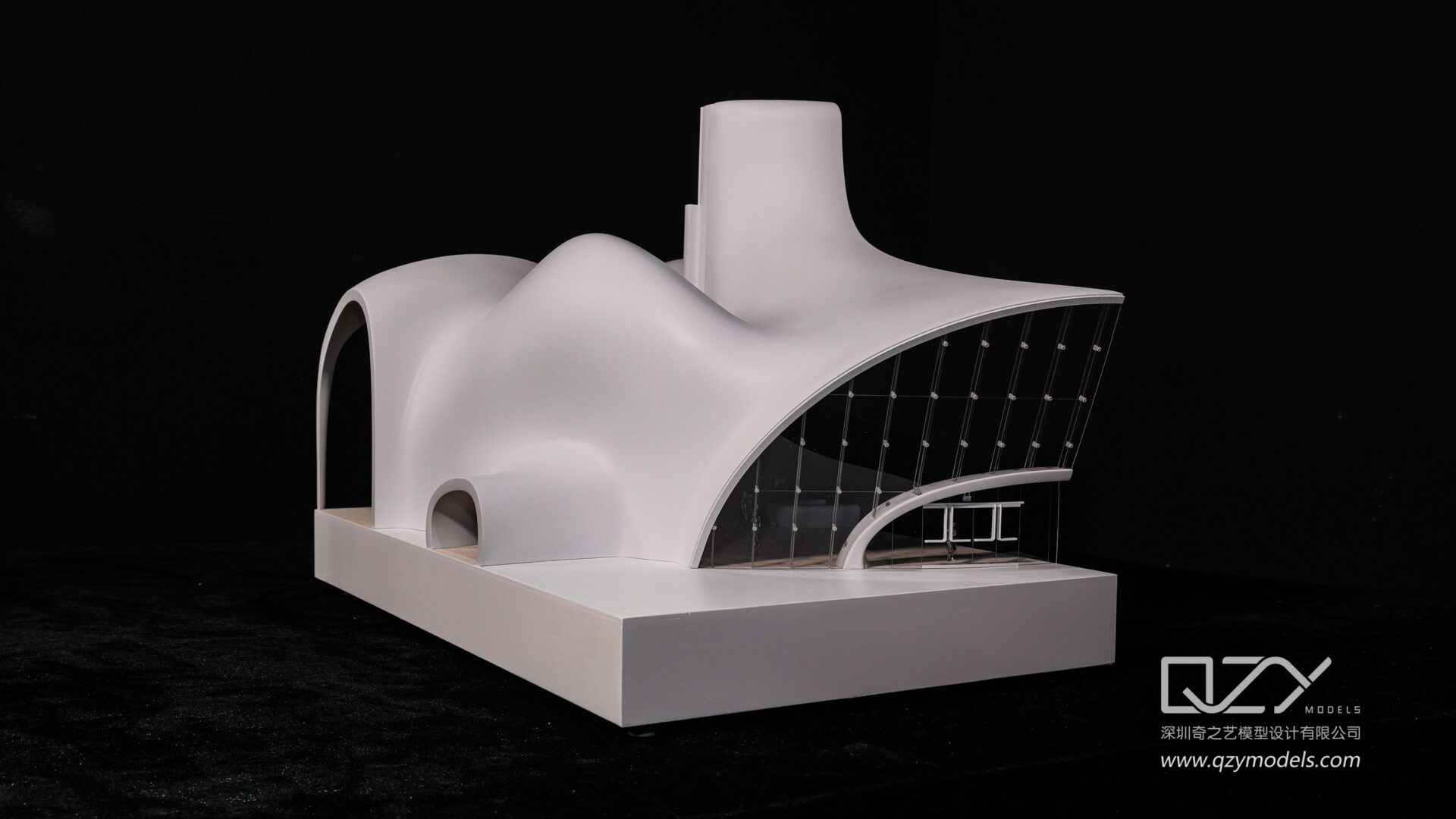
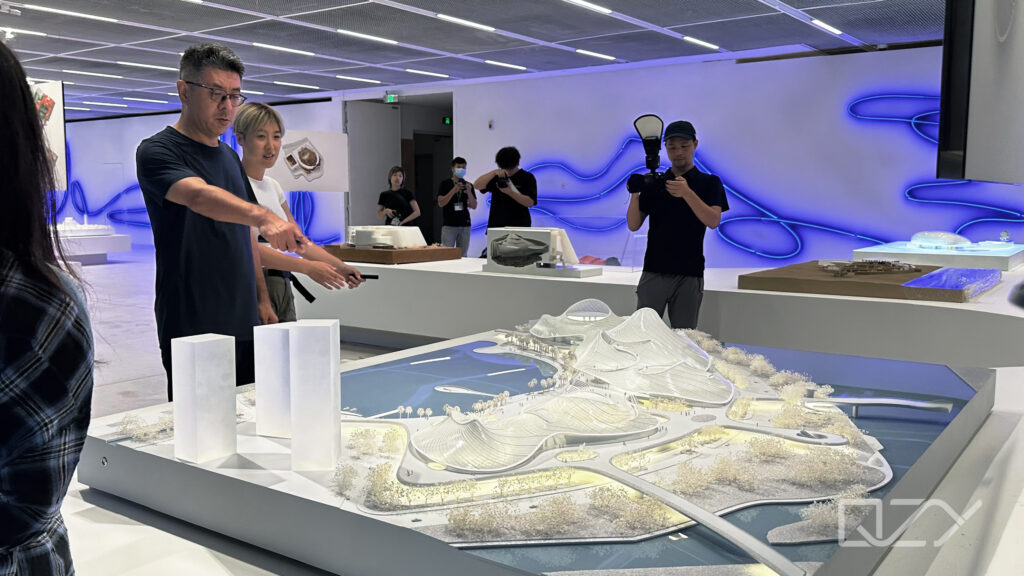
Concept architecture models are tangible or digital representations of early-stage building designs that help visualize form, space, and design intent. In Dhaka, these models are crafted using a combination of traditional materials like foam, wood, and acrylic, alongside advanced digital tools. They provide architects and clients with a clear understanding of the project, enabling design decisions before detailed development begins.
What Are Concept Architecture Models?
Concept architecture models are simplified representations of buildings or structures created in the early design stages. They focus on massing, spatial relationships, and overall form rather than fine details, helping architects and clients communicate ideas clearly. By translating abstract concepts into physical or digital form, these models allow for evaluation of aesthetics, function, and design intent.
Architects often use sketching, massing studies, and model prototypes to explore core design principles. Concept models maintain clarity by presenting only essential elements, allowing meaningful discussion and iterative improvements while supporting decision-making processes.
How Are Concept Architecture Models Made in Dhaka?
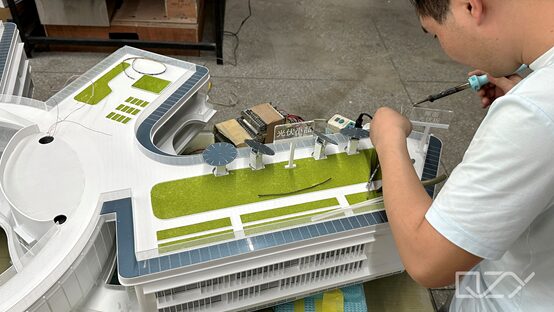
In Dhaka, concept models are produced by blending traditional craftsmanship with modern technology. Materials like foam board, cardboard, wood, acrylic, and 3D printing filaments are commonly used. Digital software, including AutoCAD, SketchUp, and Rhino, assists in precise modeling and visualization.
The workflow begins with design briefs and sketches, followed by rough mock-ups, iterative refinement, and final detailing. Studios like QZY Models focus on accuracy, creativity, and client customization throughout the process. The emphasis remains on massing, spatial arrangement, and functional representation rather than intricate detailing.
Why Are Concept Architecture Models Important?
Concept models simplify complex architectural ideas, enabling visual communication that drawings alone cannot achieve. They allow architects to test feasibility, evaluate spatial flow, and assess proportions early in the design process.
For clients, these models provide an intuitive understanding of the project, facilitating approvals and informed decisions. They encourage iterative improvements, highlight unique design features, and support stakeholder engagement, making them essential tools for successful architectural planning.
Which Materials and Techniques Are Best for Creating Concept Models?
Choosing the right materials in Dhaka balances cost, accessibility, and ease of fabrication. Common materials include foam board for massing, cardboard for structure, wood for texture, acrylic for transparency, and 3D printing for precise forms.
Techniques include laser cutting for accuracy, handcrafting for custom details, and digital fabrication for complex shapes. Model makers select methods based on project scale, design complexity, and client requirements, with an emphasis on professional finishing, as exemplified by QZY Models.
| Materials | Advantages | Typical Use in Dhaka |
|---|---|---|
| Foam Board | Lightweight, easy to cut | Massing and overall form |
| Cardboard | Cost-effective | Initial structural shapes |
| Wood | Durable, textured | Detail elements |
| Acrylic | Transparent, sleek | Facades and glazing |
| 3D Printing | Precise complex shapes | Advanced forms and models |
How Does QZY Models Contribute to Concept Model Making in Dhaka?
QZY Models is a leading studio delivering high-quality concept models in Dhaka, combining international standards with local expertise. Their approach emphasizes precision, creativity, and client collaboration, making them a reliable partner for architects and developers.
With experience in global projects, QZY Models integrates advanced fabrication techniques and a wide range of materials, producing models that effectively communicate architectural intent. Their work accelerates design reviews, approvals, and stakeholder understanding while reflecting Dhaka’s unique architectural context.
What Are Common Challenges in Making Concept Models in Dhaka?
Model makers in Dhaka face challenges such as sourcing quality materials, maintaining tight deadlines, and balancing cost with model detail. Environmental conditions, including humidity, can affect material performance and durability.
Rapid design iterations demand skilled artisanship and agile workflows. Studios like QZY Models address these challenges with careful material selection, precise fabrication techniques, and efficient project management, ensuring visually compelling and durable models.
Where Can Architects in Dhaka Find Reliable Concept Model Makers?
Dhaka has a range of model-making studios, with quality and reliability varying widely. QZY Models is recognized for professional service, craftsmanship, and customized solutions for architectural firms, developers, and planning agencies.
These studios provide full-service support from initial sketches and CAD modeling to physical model production and presentation setups. Choosing experienced model makers with proven client results ensures successful project outcomes.
When Should Concept Architecture Models Be Used During Design?
Concept models are most effective in early design phases, soon after initial sketches, to clarify vision, guide massing, scale, and spatial decisions.
Using concept models early reduces misunderstandings, avoids costly revisions, and supports stakeholder engagement. Updated models throughout the design process continue to guide design reviews, presentations, and approvals efficiently.
QZY Models Expert Views
“Concept architecture models are the essential bridge between imagination and reality. They allow architects and clients to see, touch, and evaluate designs before construction begins. In Dhaka, our focus combines traditional craftsmanship with innovative technology to produce precise, clear, and inspiring models. Every QZY Models creation communicates the architecture’s essence, helping decisions that shape iconic structures.” – Richie Ren, Founder, QZY Models
How Can Technology Enhance Concept Model Making in Dhaka?
Technology enhances precision, speed, and the ability to handle complex designs. Tools such as CAD software, 3D printers, and virtual reality allow for exact reproduction of architectural ideas and interactive visualization.
By integrating digital tools with traditional skills, Dhaka studios can produce innovative models that meet international standards and improve client comprehension and engagement.
Are Concept Architecture Models Only for Large Projects?
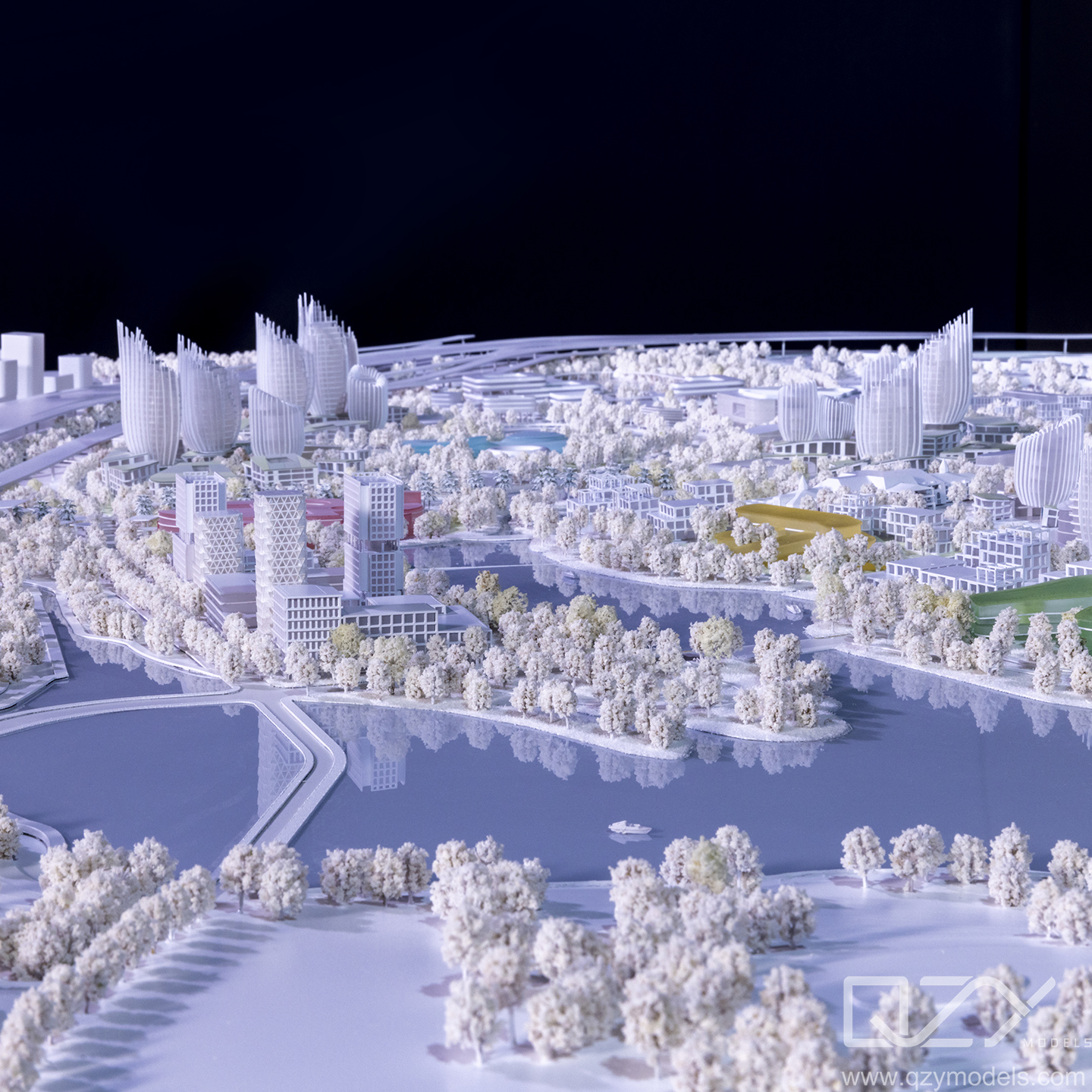
Concept models are valuable for projects of all sizes, from single residences to large urban developments. Small-scale models help visualize layout and form efficiently, while large projects benefit from detailed spatial coordination and stakeholder engagement.
Their versatility makes them an essential design and communication tool across diverse architectural contexts.
Conclusion
Concept architecture models are vital for visualizing design intent, testing spatial arrangements, and communicating ideas effectively. In Dhaka, combining local craftsmanship with modern digital tools ensures high-quality, precise models. Partnering with experienced studios like QZY Models enhances efficiency, clarity, and design decision-making, supporting successful project outcomes across diverse architectural scales.
FAQs
What differentiates concept models from detailed architectural models?
Concept models emphasize overall design, massing, and spatial relationships, while detailed models focus on precise measurements and construction details.
Can concept models be purely digital?
Yes, digital models are common and flexible, though physical models provide a tangible sense of space and form.
How long does it take to produce a concept model?
Production time ranges from a few days for simple models to several weeks for complex designs.
Why choose QZY Models for concept model creation?
QZY Models combines global expertise, advanced craftsmanship, and tailored solutions to bring architectural visions to life efficiently.
Are concept models reusable?
While typically project-specific, models can inspire or be adapted for future designs.