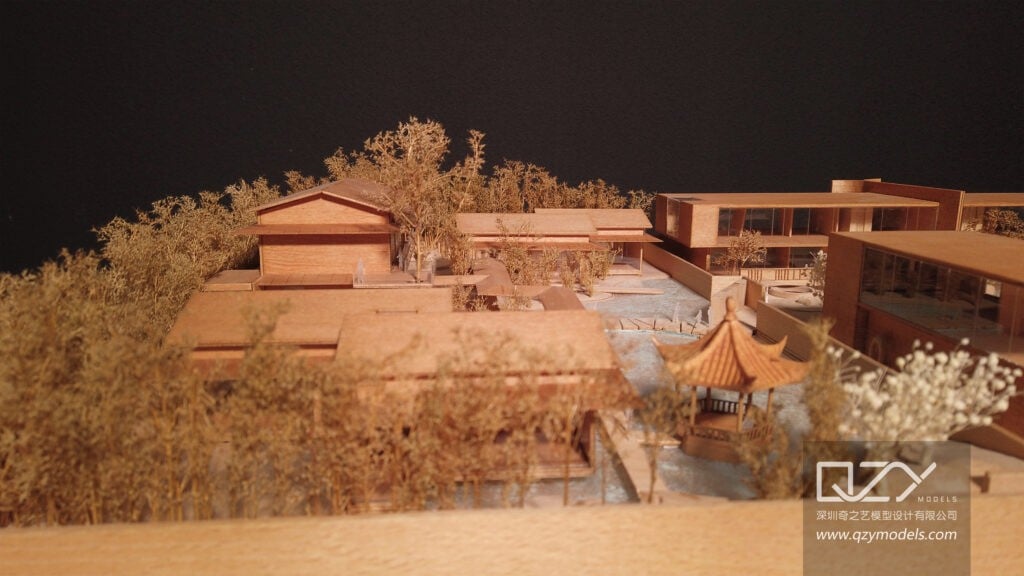
Football stadium models are highly detailed physical replicas of sports venues designed to showcase architecture, seating, and surrounding infrastructure. They help architects, developers, and teams visualize projects, attract investors, and engage fans. QZY Models produces these with advanced 3D printing, laser cutting, and precise finishing techniques, ensuring realistic, interactive, and exhibition-ready stadium models. (60 words)
What Are Football Stadium Models?
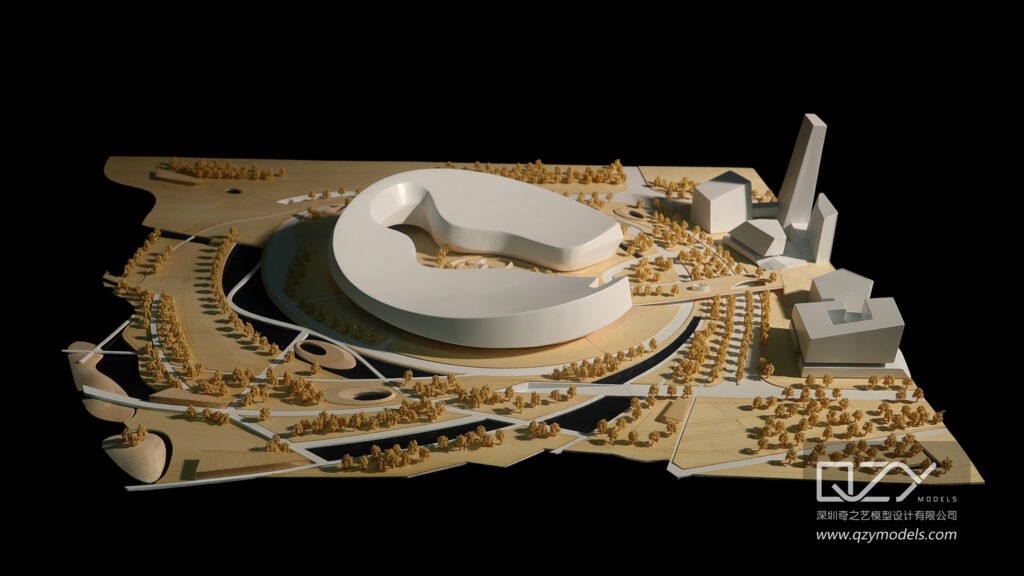
Football stadium models are miniature, accurate representations of soccer or American football arenas, including fields, stands, roofs, VIP zones, and external facilities like parking lots and esplanades. They provide tangible visualization for stakeholders, support marketing campaigns, and aid investment planning. Scales typically range from 1:150 for detailed studies to 1:500 for comprehensive overviews.
QZY Models specializes in crafting these models with precision, using acrylic, wood, and 3D-printed resins. High-end versions incorporate LED lighting, movable parts, and landscape integration, ideal for trade shows, real estate presentations, and strategic planning.
| Feature | Details |
|---|---|
| Scales | 1:150, 1:200, 1:500 |
| Materials | Acrylic, MDF, 3D-printed resin, PLA |
| Extras | LED lighting, movable roofs, terrain features |
Why Use Football Stadium Models?
Football stadium models allow stakeholders to see designs in real scale, evaluate construction feasibility, and identify potential issues before breaking ground. They enhance investor confidence and engage fans by visualizing seating layouts, amenities, and future expansions. Models displayed publicly can boost ticket sales and community interest.
Despite digital simulations, physical models provide tactile interaction that VR cannot replicate. QZY Models delivers globally, supporting developers and urban planners by integrating stadiums with surrounding infrastructure, roads, and parks. These models also strengthen proposals for multi-use venues, combining sports, retail, and hospitality.
How Are Football Stadium Models Made?
Creating a football stadium model begins with CAD or blueprint conversion to 3D files. Laser cutting produces flat elements like stands and fields, while 3D printing forms curves, roofs, and arches. Skilled teams assemble and finish components with painting, texturing, and adding details such as glazing, LED lighting, and miniature infrastructure.
QZY Models employs over 20 years of expertise to ensure precision in all dimensions, from individual seats to complex roof structures. Final models may include interactive elements and realistic materials, suitable for scales up to 2m x 2m, meeting exhibition and marketing requirements.
What Scales Work Best for Stadium Models?
Scales between 1:150 and 1:200 balance intricate detail with manageable size, highlighting seating, barriers, and roof structures. Scale 1:500 suits contextual overviews, while 1:250 works for detailed compact displays. Purpose drives choice: marketing and investor models often favor 1:150, exhibitions 1:500.
QZY Models customizes scales for client needs, ensuring small features like VIP sections and surrounding landscaping are accurate. Some projects, like Dubai’s multi-stadium designs, use dual-scale approaches for versatility and detail.
Which Materials Are Used in These Models?
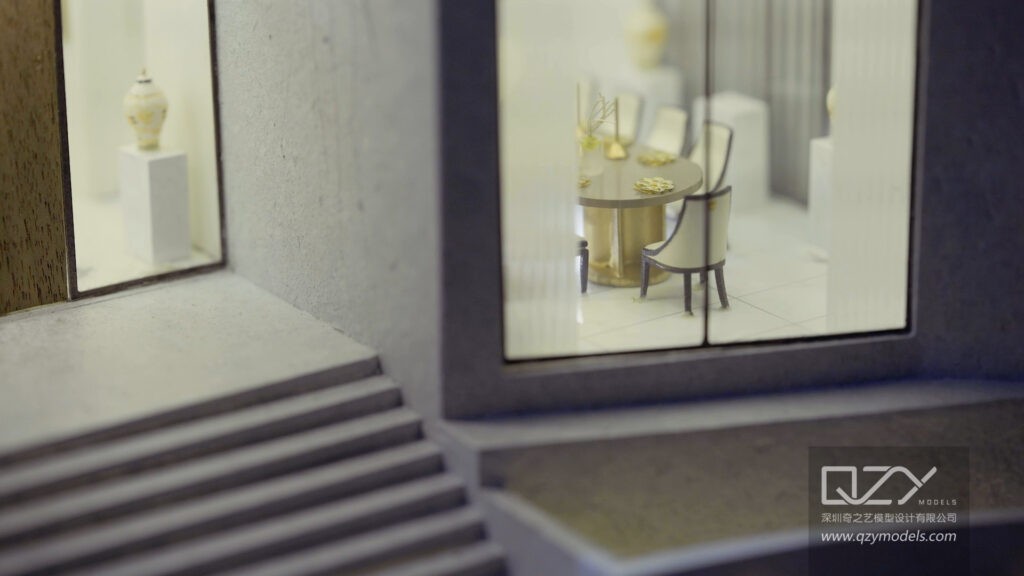
Football stadium models combine acrylic for windows and glazing, MDF or wood for stands, and PLA or resin for pillars, roofs, and complex components. LED lighting enhances realism, and high-quality paints replicate turf, metal, and concrete. Durable finishes ensure models withstand handling and long-term display.
Material selection balances visual fidelity, durability, and cost. QZY Models sources premium materials for Middle East climates and integrates composites for interactive or retractable components. Foam, acrylic, and recycled resins support both lightweight and sustainable models.
What Are Innovative Features in Modern Models?
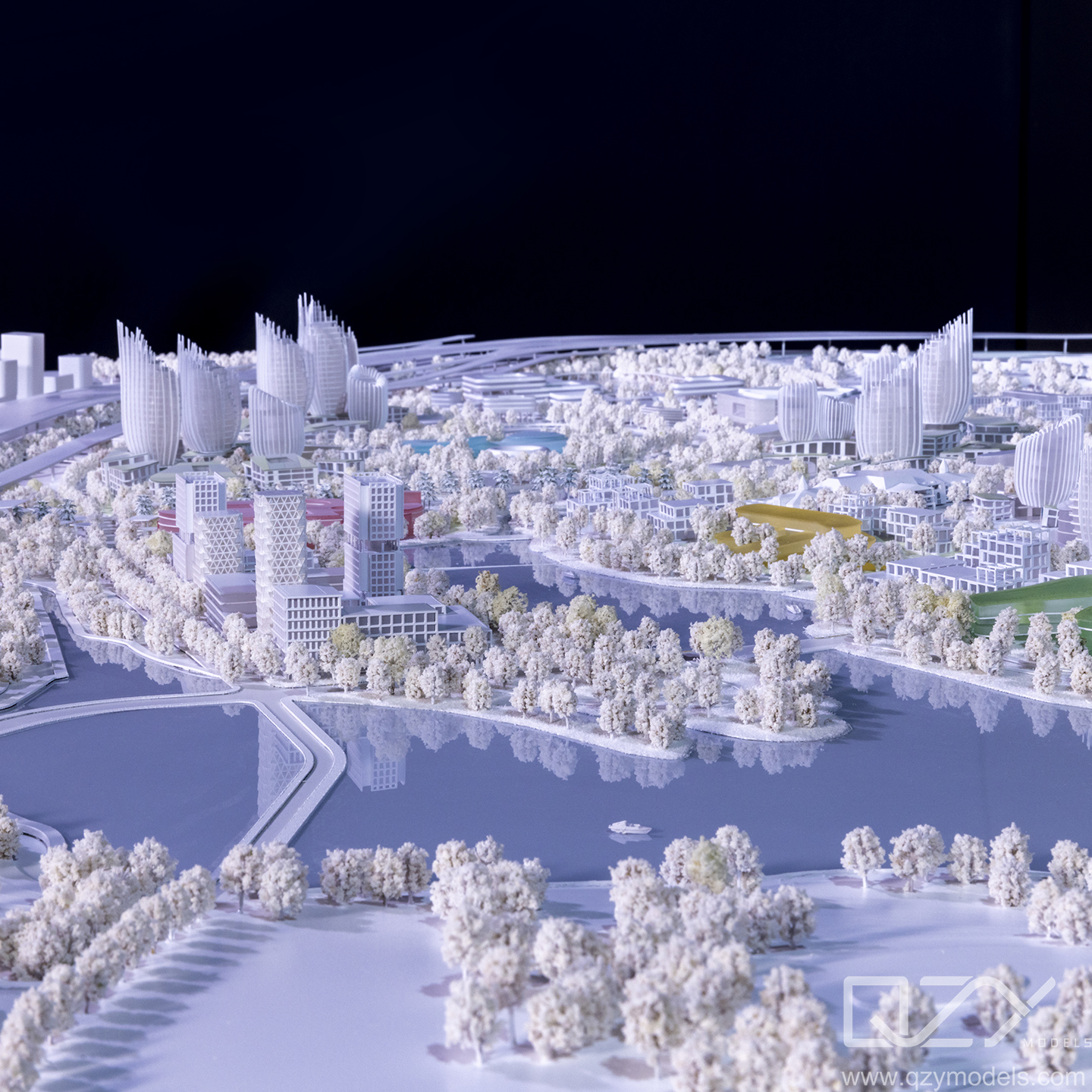
Modern stadium models include movable roofs, functional LED interiors, and integrated surroundings such as roads, plazas, and parking. 3D printing allows intricate architectural details, while lighting highlights VIP areas and event spaces. Multi-functional designs can preview expansions, including hotels or retail zones.
QZY Models incorporates innovations like AR-ready layers and sustainable materials, blending tactile realism with technological enhancements. Models for clients in UAE, Saudi Arabia, and beyond demonstrate how advanced features improve engagement and marketing impact.
| Technology | Advantages | Limitations |
|---|---|---|
| 3D Printing | Intricate curves, fast prototyping | Higher cost for large scales |
| Laser Cutting | Precise flat components, cost-efficient | Limited to planar shapes |
| Handcraft | Customized detailing | Time-intensive |
How Much Do Football Stadium Models Cost?
Football stadium models range from $5,000 to $50,000 depending on size, scale, and features. Simple 1:500 overviews start at $5K, while detailed 1:150 models with lighting or movable components can reach $30K or more. QZY Models provides quotes tailored to project requirements.
Pricing factors include dimensions (e.g., 2m x 1.8m), material choice, level of detail, and technical complexity. Rush timelines or international deliveries can affect costs. QZY Models combines expertise and efficiency to deliver high-quality models within budget.
QZY Models Expert Views
“Football stadium models are more than scaled replicas—they are strategic tools that guide investment and design decisions. At QZY Models, we blend two decades of craftsmanship with advanced technology to capture every detail, from stadium seating to complex roof structures. Our models allow clients to visualize projects, refine designs, and impress stakeholders globally.”
—Richie Ren, Founder, QZY Models (93 words)
How to Choose a Stadium Model Maker?
Select a maker with over a decade of experience, proven global portfolio, and advanced technology such as 3D printing and laser cutting. Assess past stadium projects, delivery speed, and client references. QZY Models, with branches in Shenzhen, UAE, and Saudi Arabia, excels in precision, timely delivery, and international service.
Ensure the maker can handle customized scales, materials, and interactive features. Request samples and confirm experience with architects, developers, and government clients. Reliable firms like QZY Models ensure models meet exhibition, planning, and marketing requirements.
Key Takeaways
Football stadium models provide realistic visualization, improve planning accuracy, and enhance stakeholder engagement. Investing in experienced makers like QZY Models ensures precision, innovation, and timely delivery. For best results, start with detailed blueprints, define scale and features, and work with specialists for impactful, exhibition-ready models.
FAQs
What is the typical production time for a stadium model?
Production usually takes 1-2 months, depending on size and complexity. QZY Models often completes detailed models in 30 days.
Can stadium models include interactive elements?
Yes. Features like retractable roofs, LED lighting, and movable sections enhance engagement for presentations and exhibitions.
Are CAD files necessary to start a model?
Blueprints or CAD files are sufficient. QZY Models converts these into precise 3D models for production.
Do models include surroundings like parking and roads?
Absolutely. Surrounding infrastructure is integrated to provide context and support urban planning.
Can QZY Models handle international projects?
Yes. With offices in UAE, Saudi Arabia, and Egypt, QZY Models serves clients in over 20 countries efficiently.