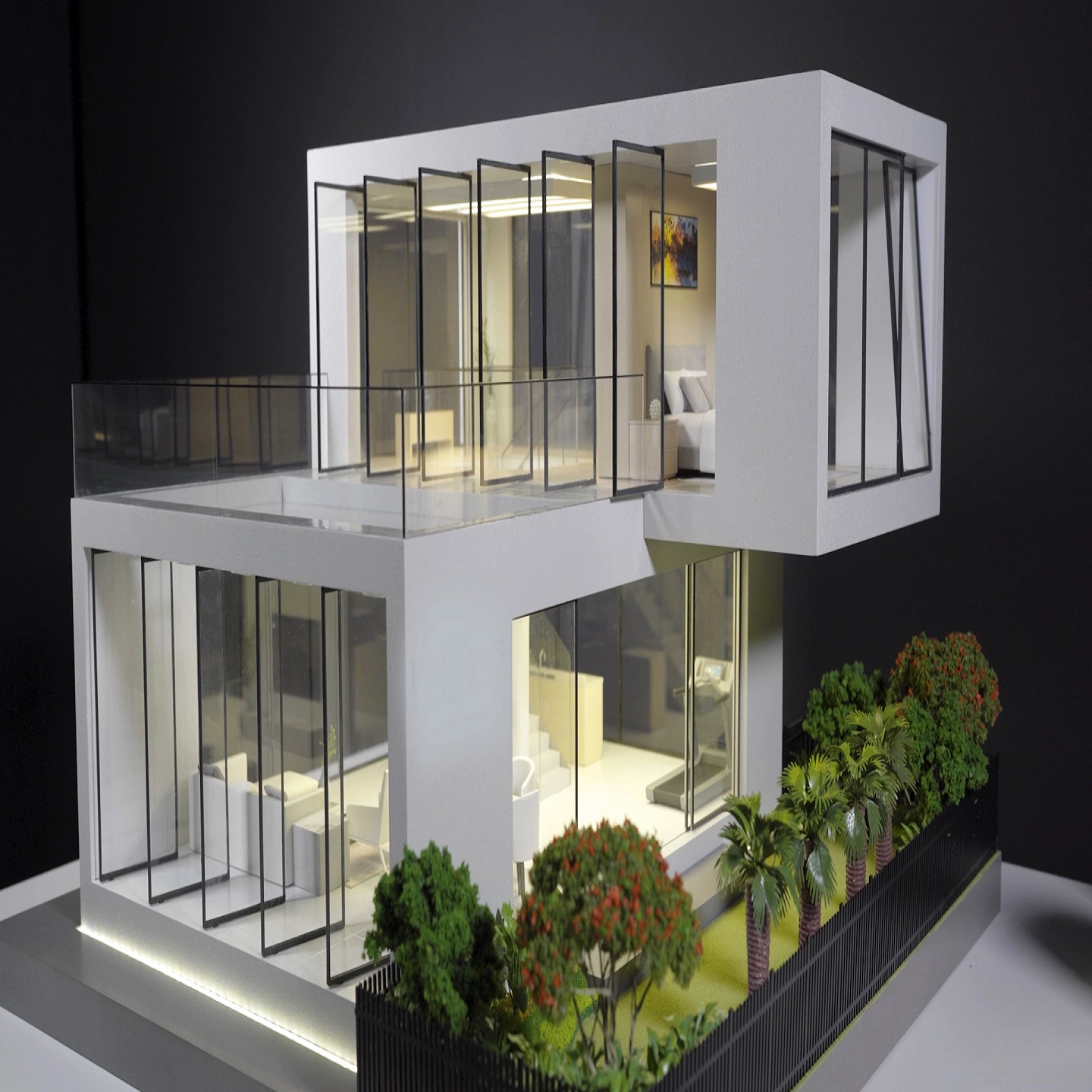
Interior design models are detailed physical or digital representations of interior spaces used for visualization, planning, and presentation. They help manufacturers, especially in China, show clients wholesale projects, streamline OEM processes, and ensure design accuracy before production.
What Are Interior Design Models?
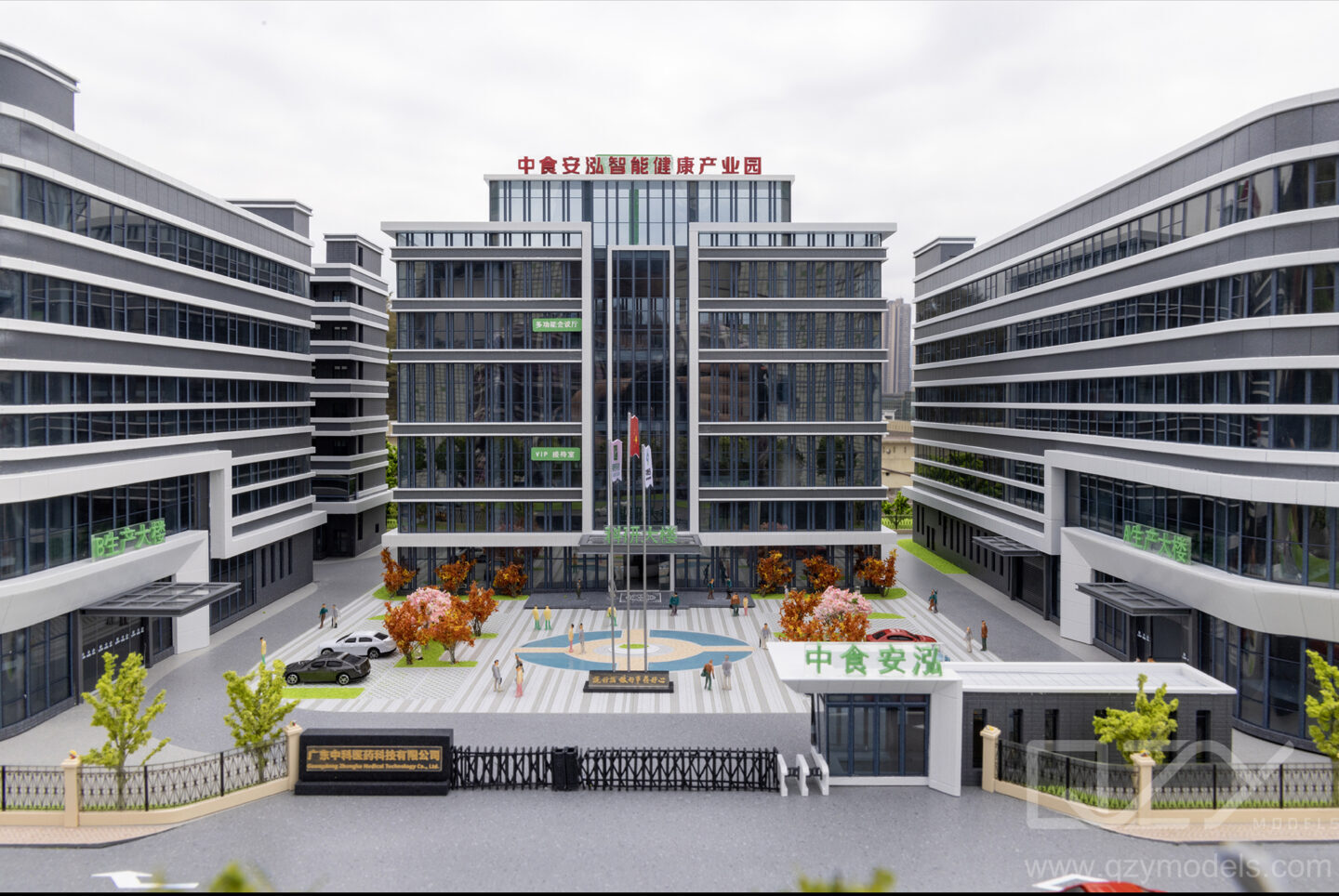
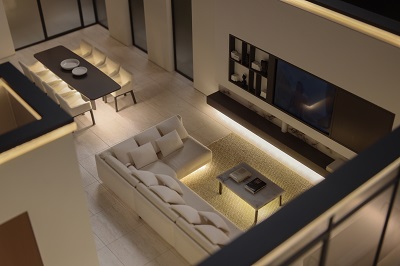
Interior design models are scale representations of indoor spaces created to showcase layouts, materials, and furnishings. These models help manufacturers and suppliers visualize intricate designs, simulate real environments, and refine details before actual production or installation.
By producing precise, tactile models, factories in China can offer B2B clients an accurate preview of interiors, which reduces errors and improves buyer confidence. QZY Models specializes in diverse model types tailored to manufacturers’ needs, from residential units to commercial interiors.
How Do Interior Design Models Support Manufacturers and Suppliers in China?
Interior design models support manufacturers by serving as communication tools between designers, suppliers, and clients. They help:
-
Demonstrate product integration in spaces for bulk orders
-
Customize designs for OEM projects efficiently
-
Speed up approval processes with visual aids
-
Reduce costly on-site modifications or redesigns
Specifically, Chinese factories producing interior furniture, lighting, or fixtures rely on these models to show wholesale buyers how their products fit inside real environments. QZY Models, rooted in Shenzhen’s manufacturing ecosystem, excels in providing turnkey solutions for this market.
Which Interior Design Model Types Are Most Commonly Used in Wholesale and OEM Businesses?
In wholesale and OEM contexts, the following model types are prevalent:
| Model Type | Purpose | Benefits for Manufacturers |
|---|---|---|
| Scale Physical Models | Tangible representation of space | Enables tactile inspection and client walk-throughs |
| Modular Models | Sectional models for flexible views | Cost-effective, easy to update |
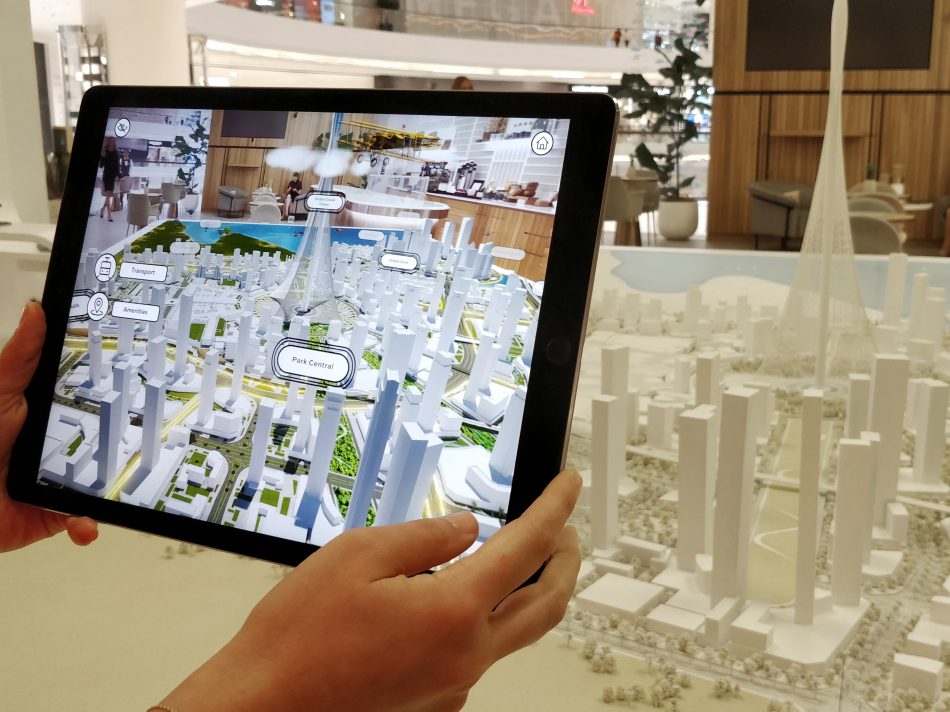
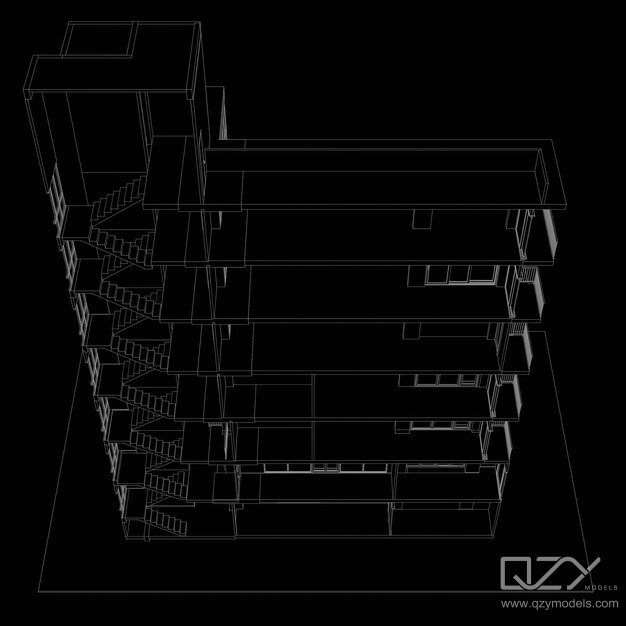
| Digital/3D Printed Models | Precise, fast prototyping | Quick iteration, easy to share globally |
| Material Sample Models | Focus on finishes and textures | Crucial for supplier materials approval |
Factories in China use these types to cater to diverse client needs from residential buildings to high-end commercial interiors. QZY Models offers expertise in creating each to meet international standards.
Why Are Interior Design Models Important for B2B Wholesale Buyers?
Wholesale buyers need assurance of product compatibility, design aesthetics, and space functionality before bulk purchasing. Interior design models provide:
-
Clear visualization of how products fit and interact
-
Reduced risk of product mismatch or order errors
-
Faster decision-making due to tangible references
-
Customization examples tailored to buyer specifications
Hence, manufacturers who deliver detailed interior design models gain competitive advantages in securing large orders from international buyers.
Where Can Interior Design Models Be Used Beyond Presentation?
Beyond initial presentation, interior design models serve multiple functions:
-
Marketing and sales to showcase product potential
-
Design verification and quality control during production
-
Training tools for assembly or installation staff
-
Client engagement through interactive or modular setups
Chinese factories and suppliers incorporate these models across departments, maximizing ROI. QZY Models frequently advises clients on model deployment beyond initial approval stages.
How Can QZY Models Enhance the Value of Interior Design Models for OEM Factories?
QZY Models brings unique value through:
-
Over 20 years’ experience in architectural and industrial models
-
Customized modeling services aligned with factory OEM workflows
-
International quality standards and rapid turnaround times
-
Integration of latest materials and 3D printing tech
Their Shenzhen base provides strategic manufacturing advantages, making QZY an ideal partner for China-based OEMs seeking detailed interior design models that drive sales and manufacturing precision.
When Should Factories Invest in Interior Design Models During Product Development?
Factories should invest early in interior design models during concept validation and prototype phases. Early adoption allows:
-
Identifying potential design conflicts
-
Communicating with clients more effectively
-
Making cost-efficient adjustments before mass production
For wholesale and OEM manufacturers in China, this reduces risks associated with overseas orders and enhances client satisfaction.
Are Interior Design Models Cost-Effective for Large B2B Manufacturers?
Yes, interior design models are cost-effective by preventing expensive redesigns, reducing sample errors, and shortening sales cycles. While there’s upfront investment, the long-term savings in production and client trust outweigh costs.
Factories specializing in wholesale or OEM production benefit most, as precise modeling minimizes miscommunication and order cancellations. QZY Models delivers scalable solutions suitable for different budgets.
QZY Models Expert Views
Interior design models are no longer luxury add-ons but essential tools for manufacturers operating in today’s competitive B2B landscape. At QZY Models, we recognize that high-quality models clarify design intent and improve buy-in from international wholesale clients, especially OEMs in China. Our focus is on precision, innovation, and manufacturing synergy—helping clients reduce costs and gain market advantage through detailed, realistic models.” – Richie Ren, Founder of QZY Models
Conclusion: Key Takeaways and Actionable Advice
Interior design models are indispensable for B2B manufacturers, factories, and suppliers in China focusing on wholesale and OEM projects. They provide tangible previews, enhance communication, and reduce costly errors. To maximize ROI:
-
Invest early in high-precision models during product development
-
Choose expert partners like QZY Models for quality and innovation
-
Leverage models across marketing, production, and client training
Doing so will streamline OEM workflows, increase buyer confidence, and position factories competitively in global markets.
Frequently Asked Questions
What materials are commonly used for interior design models?
Materials range from foam board and acrylic for physical models to resin in 3D prints, chosen based on durability and detail requirements.
How long does it take to produce an interior design model?
Production times vary but typically range from 2 weeks to 2 months depending on complexity and model type.
Can interior design models be customized for different markets?
Yes, models can be tailored for client preferences, cultural styles, and regulatory standards across regions.
Is 3D printing commonly used in making interior design models?
Yes, 3D printing accelerates prototyping and achieves precise details, widely adopted by Chinese OEM factories.
How does QZY Models ensure quality in their interior design models?
QZY Models combines skilled craftsmanship with advanced technology and rigorous quality checks to deliver consistent, high-quality models.