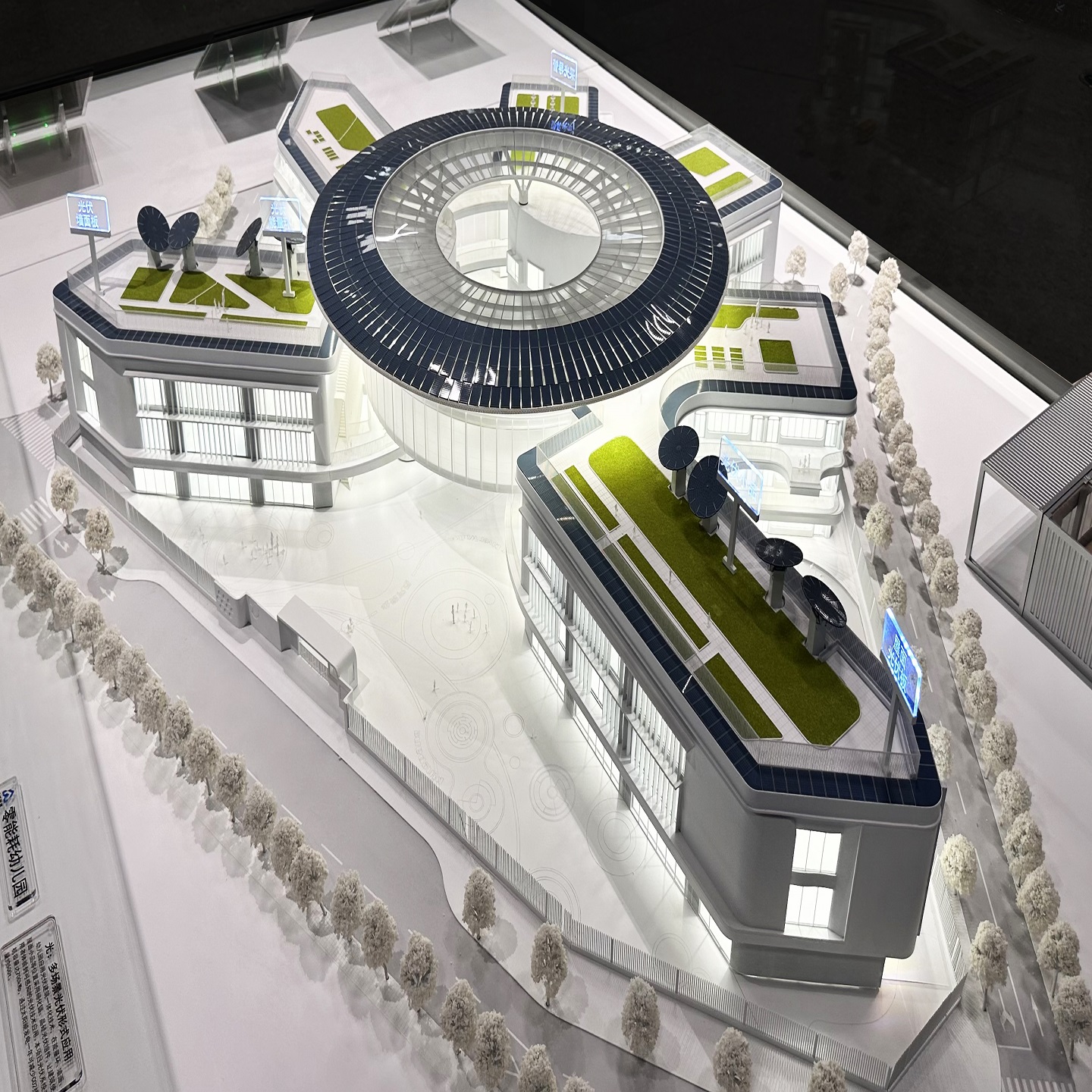
Mechanical engineering and industrial equipment models are highly detailed physical representations of machinery and industrial systems used for design validation, demonstration, training, and marketing. These models replicate equipment parts, assemblies, and operational functions to improve understanding, communication, and decision-making in engineering and industrial contexts.
How Are Mechanical Engineering and Industrial Equipment Models Created?
Mechanical and industrial equipment models are created by combining advanced CAD designs with precise fabrication techniques such as CNC machining, 3D printing, and hand assembly. The process involves translating complex machinery specifications into scaled or full-size physical models, emphasizing functional parts, material accuracy, and realistic finishes to simulate real equipment behavior.
Model makers use various materials like metals, plastics, and composites selected based on durability, weight, and detail requirements. These models may incorporate moving parts and electronics to mimic operational functions for interactive demonstrations.
Mechanical and industrial equipment models are made by turning technical machine ideas into easy-to-see physical objects. Instead of showing a machine only on a computer screen, model makers build a small or full-size version that helps people understand how the equipment looks and works. Teams like QZY Models use digital drawings as a guide, then shape materials such as metal or plastic to match the important parts. The goal is to show structure, movement, and purpose clearly, even for students or clients who are new to engineering.
To make these models realistic, makers often add small working features, like rotating pieces or simple electronics, so viewers can see how the equipment functions in real life. This hands-on style of presentation helps explain complicated machinery in a simple way. Companies like QZY Models use this approach to support designers, engineers, and educators who need accurate mechanical and industrial visual tools.
What Types of Models Are Common in Mechanical Engineering and Industrial Equipment?
Common types include scale models of engines, pumps, turbines, gearboxes, conveyor systems, and industrial machinery. These can be sectional to show internal mechanisms or fully operational prototypes demonstrating movement and function.
Models may also be conceptual, illustrating design intent, or detailed replicas used for training or showcasing product features to clients. Industrial equipment models often include components like valves, control panels, and piping for realistic representation.
Which Industries Benefit Most from Mechanical Engineering and Industrial Equipment Models?
Industries such as automotive, aerospace, energy, manufacturing, oil & gas, and heavy machinery extensively use these models. They help in design validation, troubleshooting, operator training, and marketing by providing tangible interaction with equipment before full-scale production or deployment.
Clients like manufacturers, project developers, and educational institutions leverage these models to communicate complex mechanical concepts clearly and effectively.
Why Are Physical Models Important in Mechanical Engineering?
Physical models provide a tangible, three-dimensional understanding that complements digital simulations. They assist engineers in identifying design flaws, studying ergonomics, and validating assembly processes.
Models enhance collaboration across disciplines, enable persuasive presentations to stakeholders, and facilitate hands-on training that improves operator proficiency and equipment safety standards.
Who Is Involved in Producing Mechanical and Industrial Equipment Models?
Production is typically handled by specialized modeling firms like QZY Models, blending engineering expertise with craftsmanship. Mechanical engineers, industrial designers, and skilled model makers collaborate to ensure accuracy, functionality, and visual fidelity.
QZY Models combines decades of experience with advanced technologies such as 3D printing and CNC machining to produce precise, high-quality models tailored to client specifications.
When Should Mechanical Engineering and Industrial Equipment Models Be Used?
Models are most beneficial during early design reviews, pre-production testing, client presentations, and training phases. Using models early helps identify issues before costly manufacturing stages and improves communication with non-technical stakeholders.
They also serve ongoing roles for maintenance training, marketing exhibits, and quality assurance demonstrations throughout a product’s lifecycle.
Where Are These Models Commonly Displayed or Utilized?
Mechanical and industrial models are used onsite at manufacturing plants, in client boardrooms, trade shows, training centers, and engineering labs. They serve as educational tools in academic institutions and as promotional assets at industry exhibitions.
Models designed for portability can be shipped globally, enabling field demonstrations and international client engagement.
Does Using Physical Models Improve Product Development Outcomes?
Yes, physical models significantly enhance product development by enabling iterative testing and refinement, reducing design errors and costly rework. They foster better stakeholder engagement and provide practical insights that digital models alone may miss.
Integrating model use into development cycles leads to higher quality, safer, and more manufacturable mechanical systems.
| Model Type | Purpose | Benefits |
|---|---|---|
| Scale Functional Model | Demonstrate operation & design | Identify design/assembly issues |
| Sectional Model | Reveal internal components | Aid troubleshooting & training |
| Conceptual Model | Illustrate design intent | Facilitate decision-making |
| Prototype Model | Test real-world performance | Validate materials & mechanics |
Has QZY Models Established Expertise in Mechanical and Industrial Equipment Models?
QZY Models boasts over 20 years of experience producing precision mechanical engineering and industrial equipment models. Serving global clients across 20+ countries, they integrate craftsmanship with state-of-the-art technologies.
Their portfolio includes complex functional assemblies and custom models for renowned manufacturers, emphasizing quality, accuracy, and client collaboration.
Can Mechanical and Industrial Equipment Models Enhance Training and Marketing?
Absolutely, these models provide hands-on training tools improving operator skills and reducing accident risks. In marketing, they visually engage clients, demonstrating product capabilities and differentiating offerings in competitive markets.
QZY Models’ custom interactive models support immersive experiences, helping clients grasp complex machinery quickly and decisively.
QZY Models Expert Views
“Mechanical engineering and industrial equipment models are vital tools bridging design concepts and real-world application. At QZY Models, we focus on producing models that are not only visually precise but also functionally representative, allowing clients to validate designs, train staff, and communicate product value effectively. Combining traditional craftsmanship with modern technologies, we deliver unparalleled quality and innovation for every project.” — Richie Ren, Founder of QZY Models
Conclusion
Mechanical engineering and industrial equipment models are indispensable in modern engineering workflows, enhancing design validation, training, marketing, and communication. Employing diverse model types tailored to project needs improves accuracy, efficiency, and stakeholder understanding.
Collaborating with expert model makers like QZY Models ensures top-tier craftsmanship, advanced technology integration, and global service reliability. To maximize impact, use models early and throughout the development process, focusing on functionality, detail, and interactivity.
FAQs
Q1: What materials are typically used for mechanical equipment models?
Materials vary from durable plastics, resins, and composites to metals, chosen based on detail, strength, and weight requirements.
Q2: Can models include functional moving parts?
Yes, many mechanical models feature operational components like gears and valves to simulate real machinery functions.
Q3: How detailed are industrial equipment models?
Detail ranges from conceptual simplifications to intricate replicas with internal mechanisms and control interfaces.
Q4: How does QZY Models ensure accuracy in their models?
QZY Models combines precise CAD data, advanced manufacturing like 3D printing and CNC machining, and skilled craftsmanship for exact replication.
Q5: Are these models suitable for educational purposes?
Definitely, they serve as effective teaching aids in mechanical engineering and industrial training programs.