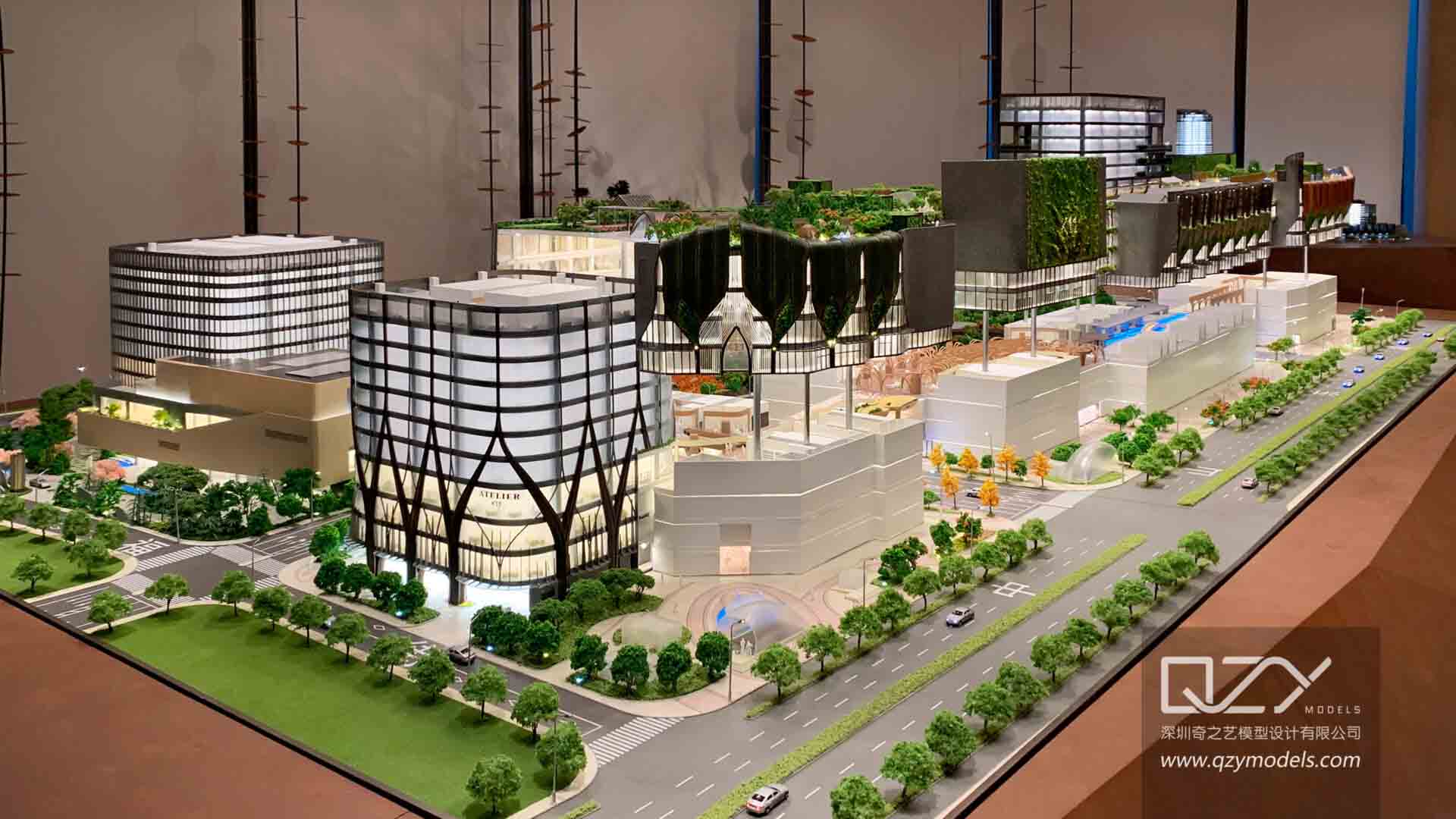
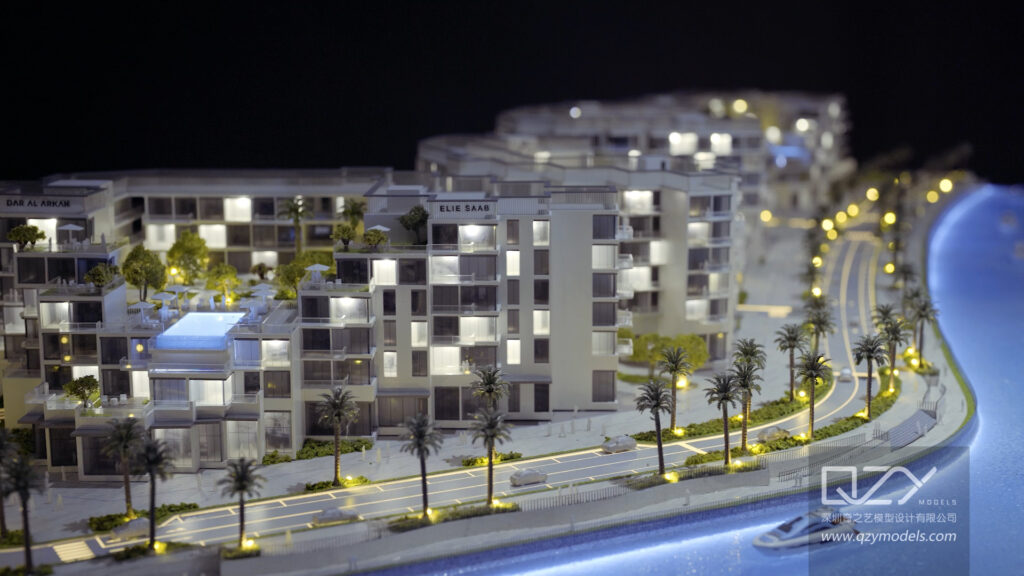
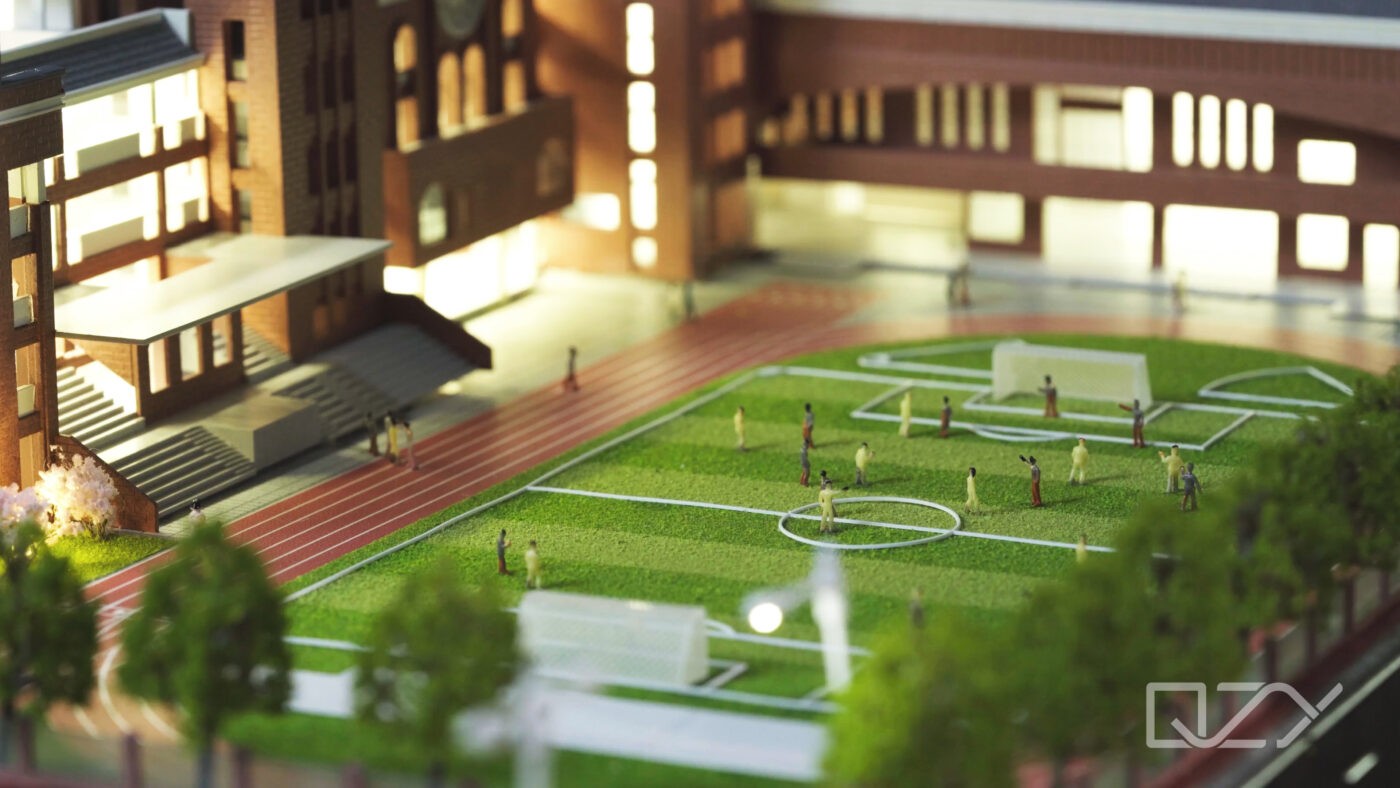
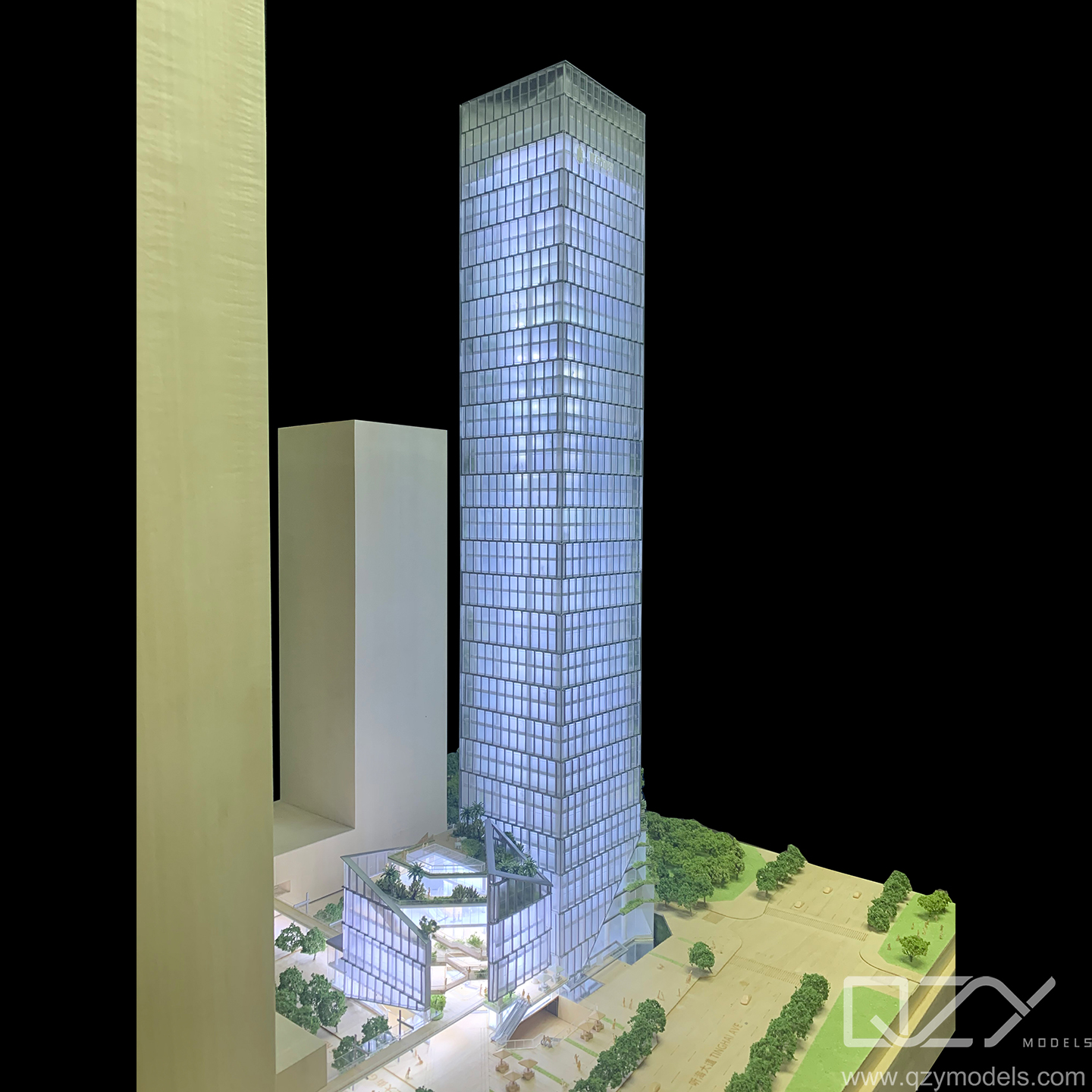
Miniature building models are scaled-down representations of architectural and structural designs, used for visualization, hobby crafting, and professional presentations. They help architects, developers, hobbyists, and enthusiasts better understand, communicate, and experience building concepts before actual construction or for artistic purposes.
What Are The Different Types of Miniature Building Models?
Miniature building models vary widely, including architectural models, DIY kits, modular building systems, and detailed dioramas.
Architectural models are highly precise, used by architects and real estate developers to present projects. DIY miniature house kits offer accessible hobby crafting options, often featuring pre-cut materials and tools. Modular systems like SnapHouse enable creators to build unique designs using click-together parts. Dioramas serve enthusiasts with detailed scenes for wargaming, model railroads, or artistic displays, crafted from materials such as resin and plaster.
How Are Miniature Building Models Made and What Materials Are Used?
Miniature building models use diverse materials depending on purpose and complexity.
Professional architectural models often use wood, plastic, acrylic, and metal for durability and fine detail. These may include lighting and landscaping features for realism. DIY kits typically contain pre-cut wood, paper, fabric, and tiny LED lights for easy assembly. Advanced hobbyists utilize resin, plaster, and customized components to create intricate dioramas. QZY Models specializes in combining such premium materials with expert craftsmanship to deliver precise, lasting models.
Where Can I Buy Miniature Building Models and How Do I Start?
Miniature models and supplies are widely available through craft stores, online marketplaces, and specialty shops focusing on scale modeling and wargaming. Beginners often start with affordable kits that provide structured, step-by-step assembly guidance, building essential skills gradually. Experienced modelers may create custom components, applying woodworking, sewing, or painting skills. QZY Models offers both professional and hobbyist options, making high-quality models accessible globally.
Why Are Miniature Building Models Valuable for Architects and Developers?
Miniature building models are indispensable tools in architecture and real estate for visual communication, marketing, and project planning. They bring abstract designs into tangible form, helping stakeholders understand spatial relationships, scale, and aesthetics. Models with lighting and landscaping create compelling presentations that attract investors and guide urban development planning. QZY Models, with over 20 years of expertise, delivers models trusted by leading global firms to showcase visionary projects effectively.
How Do Modular Building Systems Enhance Creativity in Miniature Modeling?
Modular building systems foster creativity by offering standardized, compatible components that assemble easily without glue or tools. Systems like SnapHouse encourage experimentation with architectural forms and scales, ideal for both beginners and professionals. Consistent scales such as 1:48 ensure all parts fit seamlessly, making design customization simpler and more enjoyable. These systems expand the possibilities for both display models and interactive hobby projects.
Who Benefits Most from Miniature Building Models?
Architects, urban planners, developers, hobbyists, and educators benefit from miniature building models by gaining a clear, manipulable representation of complex designs or imaginative scenes. Professionals use models for realistic project previews and persuasive presentations. Hobbyists enjoy a tactile craft combining art and architecture. Educators leverage models to teach spatial concepts and design principles. Brands like QZY Models support all users by delivering custom, high-quality models.
When Should You Choose DIY Kits Versus Custom Models?
DIY kits suit beginners or casual hobbyists seeking an accessible entry into miniature building, providing all parts and instructions for manageable projects. Custom models are best for professionals or enthusiasts requiring precise, complex, or large-scale models tailored to specific designs or commercial purposes. The choice depends on skill level, project scope, and budget. QZY Models offers options fitting any need, from hobby kits to bespoke architectural models.
Does Lighting and Landscaping Improve Model Presentation?
Yes, incorporating lighting and landscaping significantly enhances realism and visual impact. Lighting accentuates architectural features, creating dynamic presentations, especially in low-light conditions. Landscaping elements—trees, benches, sidewalks—contextualize buildings within lifelike environments. These details engage viewers emotionally and intellectually, increasing marketing effectiveness or hobby satisfaction. QZY Models expertly integrates these features to make compelling, immersive models.
QZY Models Expert Views
At QZY Models, we believe that miniature building models are more than just scaled representations—they are essential bridges between vision and reality. Through meticulous craftsmanship and innovative use of materials, our models tell the story behind every architectural project, from concept to construction. Whether working with iconic firms or individual hobbyists, we focus on precision, durability, and aesthetic appeal to enhance every presentation and inspire creativity.” — Richie Ren, Founder of QZY Models
Also check:
What Are Miniature Buildings and How Are They Made?
What Are Miniature Building Models and Why Are They Important?
What Are Architectural Miniatures and How Are They Made?
Conclusion
Miniature building models serve diverse roles, from professional architectural visualization to rewarding hobby crafting. Their effectiveness depends on choosing the right type, materials, and presentation features like lighting and landscaping. Starting with kits can foster skills, while modular systems stimulate creativity. Trusted manufacturers like QZY Models ensure quality and precision, making models that impress investors and delight enthusiasts alike. Whether you’re an architect or hobbyist, miniature models bring your ideas to life in tangible, inspiring form.
FAQs
What Are Architectural Miniature Models and How Are They Used
Architectural miniature models are detailed physical representations of buildings used for visualization, design validation, and client presentations. They help architects and developers communicate concepts effectively, test layouts, and refine design details. Leading firms, including QZY Models, create high-precision models that enhance planning, marketing, and stakeholder engagement.
How Do Scale Model Buildings Enhance Design Accuracy
Scale model buildings replicate structures proportionally, allowing designers to assess spatial relationships, structure details, and aesthetics before construction. They reduce design errors, improve decision-making, and enable effective client communication. Using precise scaling techniques ensures accurate visualization, saving time and cost in the architectural process.
Why Are 3D Printed Miniature Models Revolutionizing Modeling
3D printed miniature models offer fast, accurate, and customizable replicas of buildings or industrial designs. They allow rapid prototyping, iterative testing, and intricate detailing impossible with traditional methods. Designers and hobbyists can visualize projects in real scale efficiently, improving creativity, planning, and presentation quality.
How Do Historical Building Miniatures Preserve Heritage
Historical building miniatures capture and preserve architectural heritage, cultural landmarks, and historic details in miniature form. They educate audiences, support research, and allow institutions or collectors to showcase history realistically. Miniatures provide an immersive experience of past eras without risking the original structures.
What Are the Key Advantages of Scale Models in Architecture
Scale models improve design clarity, enhance client presentations, and facilitate spatial planning. They enable architects to test layouts, refine designs, and communicate complex concepts visually. High-quality scale models, such as those produced by QZY Models, streamline project approvals, marketing, and collaborative design efforts.
How Do Educational Miniature Models Improve Learning
Educational miniature models make complex concepts tangible for students and professionals. They enhance visual learning, spatial understanding, and interactive engagement in architecture, history, and design studies. Miniatures encourage experimentation, creativity, and comprehension in a hands-on, memorable way.
Which Materials Are Best for Creating Miniature Building Models
Top materials for miniature building models include resin, wood, acrylic, and 3D printing filament. Choice depends on desired realism, durability, and project scale. Combining materials enhances texture and detail, while finishing techniques like painting and sanding improve aesthetic quality and longevity.
How Can Architectural Presentation Models Impress Clients
Architectural presentation models impress clients by providing tangible, visually compelling representations of projects. They enhance communication, highlight design features, and demonstrate spatial relationships. Professionals use these models for marketing, investor meetings, or exhibitions, creating a strong impact and confidence in proposed designs.