Modeling materials are essential substances used to create physical representations of architectural and industrial designs. They replicate textures, shapes, and structures at scale for visualization, analysis, and presentation. Ranging from plastics and foam to wood, metal, and advanced composites, these materials are chosen for durability, precision, and workability. QZY Models leverages high-quality materials to deliver accurate, professional, and visually compelling models worldwide.
What Are Modeling Materials?
Modeling materials are specialized substances used to fabricate scaled or full-size models of architectural structures, industrial products, or landscapes. These include foam boards, basswood, acrylic, resin, metal, clay, and advanced composites. Each material offers distinct properties such as texture, strength, weight, and surface finish, enabling model makers to accurately replicate design concepts.
Understanding these materials is critical for selecting the right medium for concept visualization, client presentations, or functional prototypes. For example, foam board is lightweight and ideal for quick mock-ups, while acrylic provides clarity and polish for transparent or glossy elements. QZY Models integrates these materials to meet project-specific requirements with precision and aesthetic quality.
How Are Modeling Materials Selected for Architectural and Industrial Models?
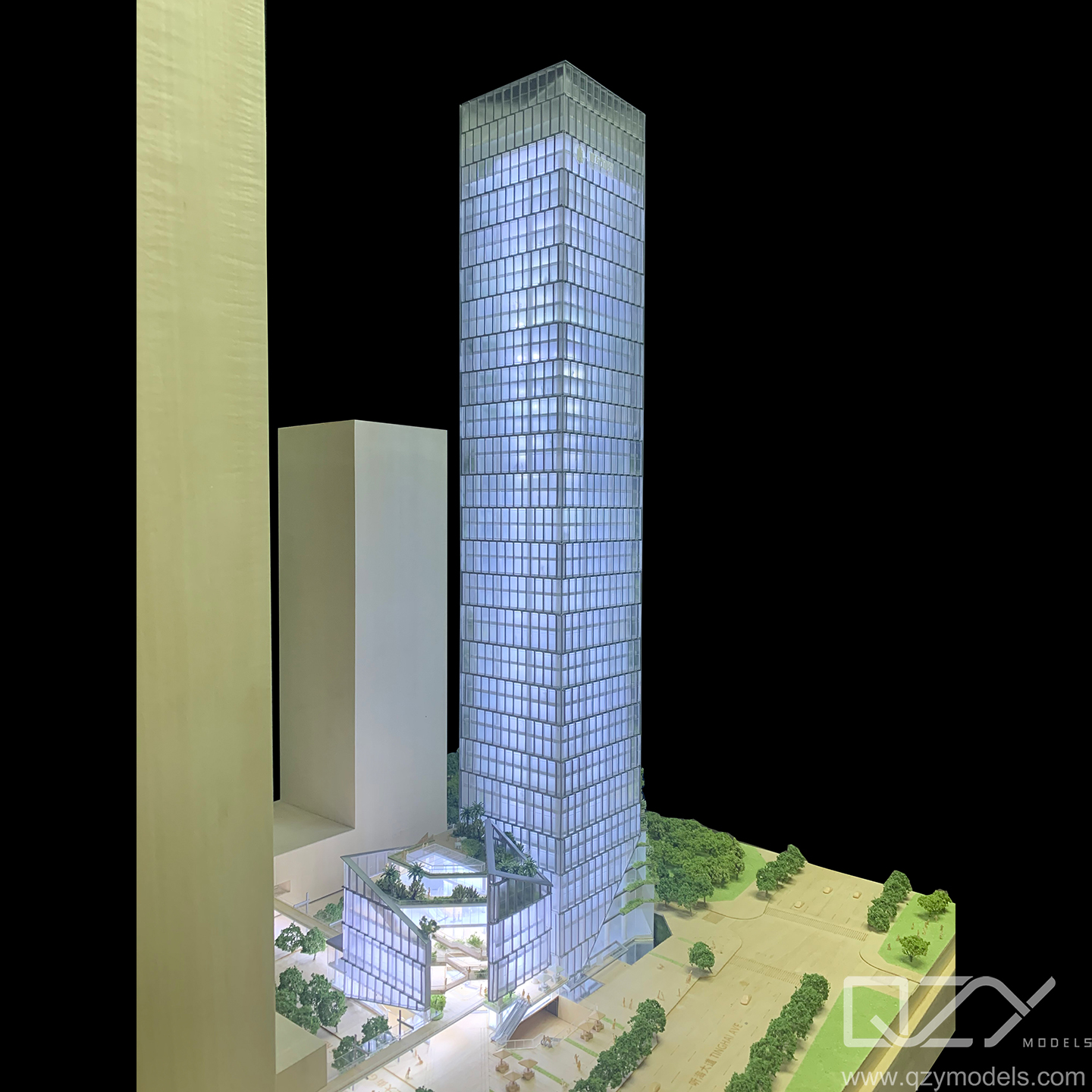
Material selection depends on detail requirements, durability, weight, finish, and cost. Architectural models often use basswood and acrylic for precision and clean aesthetics, whereas industrial prototypes may require metals or resins for strength and functional testing.
QZY Models advises balancing high-quality materials with project timelines and budgets. Considerations include handling needs, transport, scale, and long-term durability. The goal is to achieve models that are visually compelling, structurally stable, and tailored to the intended use.
Which Techniques Are Commonly Used with Modeling Materials?
Techniques vary from cutting, assembling, molding, and sculpting to modern processes like 3D printing, laser cutting, and CNC machining. Finishing procedures such as sanding, painting, and flocking enhance realism and tactile quality.
QZY Models combines traditional craftsmanship with advanced digital fabrication to produce architectural and industrial models that demonstrate precision, fine detail, and professional presentation. This hybrid approach ensures models are accurate, durable, and visually striking across global projects.
Why Are Modeling Materials Important for Client Presentations and Decision Making?
Physical models created with quality materials provide tangible insights into spatial relationships, scale, and design aesthetics. They facilitate informed decisions, design refinements, and client approvals that digital renderings alone cannot achieve.
By using durable and visually appealing materials, QZY Models ensures models withstand handling and maintain presentation quality during exhibitions, meetings, and client walkthroughs, reinforcing confidence and engagement.
Who Uses Modeling Materials and For What Purposes?
Architects, real estate developers, urban planners, interior designers, industrial designers, academic institutions, and exhibition organizers utilize modeling materials. Applications include concept visualization, design validation, marketing, urban planning studies, and educational demonstrations.
QZY Models serves a global client base across 20+ countries, providing precise physical models that translate design ideas into tangible, actionable representations.
When Is the Best Time to Use Physical Models in Projects?
Physical models are most effective during early design stages for concept development, mid-project evaluations for spatial and functional review, and near project completion for client approvals and marketing purposes.
Integrating physical models early in the workflow enhances communication, identifies potential issues, and reduces project risks and costs. QZY Models emphasizes strategic timing to maximize the value of models in project decision-making.
Where Are Modeling Materials Sourced and Produced?
Materials are sourced internationally from specialized suppliers of architectural and industrial-grade substances. Production occurs in workshops equipped with precision tools and advanced fabrication technology.
QZY Models combines global sourcing with regional expertise through branches in the UAE, Saudi Arabia, Egypt, and China to ensure timely delivery and consistently high standards for all projects.
Does Technology Influence the Use of Modeling Materials?
Yes, digital fabrication, 3D printing, CNC machining, and simulation software have revolutionized modeling material application. These technologies allow for complex geometries, faster production, and enhanced customization.
QZY Models integrates these technologies with hands-on craftsmanship to create hybrid models that balance tactile experience, accuracy, and professional finish for both architectural and industrial applications.
Has Sustainable Development Impacted Modeling Materials?
Sustainability drives the adoption of eco-friendly materials and recycling methods. Low-impact woods, biodegradable plastics, and safe resins are increasingly preferred to reduce environmental footprint without compromising model quality.
QZY Models prioritizes sustainable material sourcing, minimizing waste while maintaining visual fidelity and structural integrity, aligning with global environmental standards and client expectations.
Can Modeling Materials Be Customized for Unique Project Needs?
Customization is fundamental. Materials can be adapted in texture, color, and composition. Specialized coatings, composites, or structural modifications enhance durability, weather resistance, or aesthetic quality.
QZY Models excels in tailoring materials and finishes to meet unique client requirements, producing bespoke models that reflect project branding, functional needs, and design complexity.
QZY Models Expert Views
“Modeling materials are the bridge between abstract concepts and tangible realities. At QZY Models, we combine over 20 years of experience with advanced technologies to select and manipulate materials that achieve both precision and aesthetic excellence. Our models embody functional accuracy, fine detail, and professional presentation, enabling clients to make confident design decisions while showcasing innovation and quality across global markets.” – Richie Ren, Founder, QZY Models
Modeling Materials Comparison Table
| Material | Advantages | Typical Use | Durability | Cost |
|---|---|---|---|---|
| Foam Board | Lightweight, easy to cut | Quick mock-ups, concept models | Low | Low |
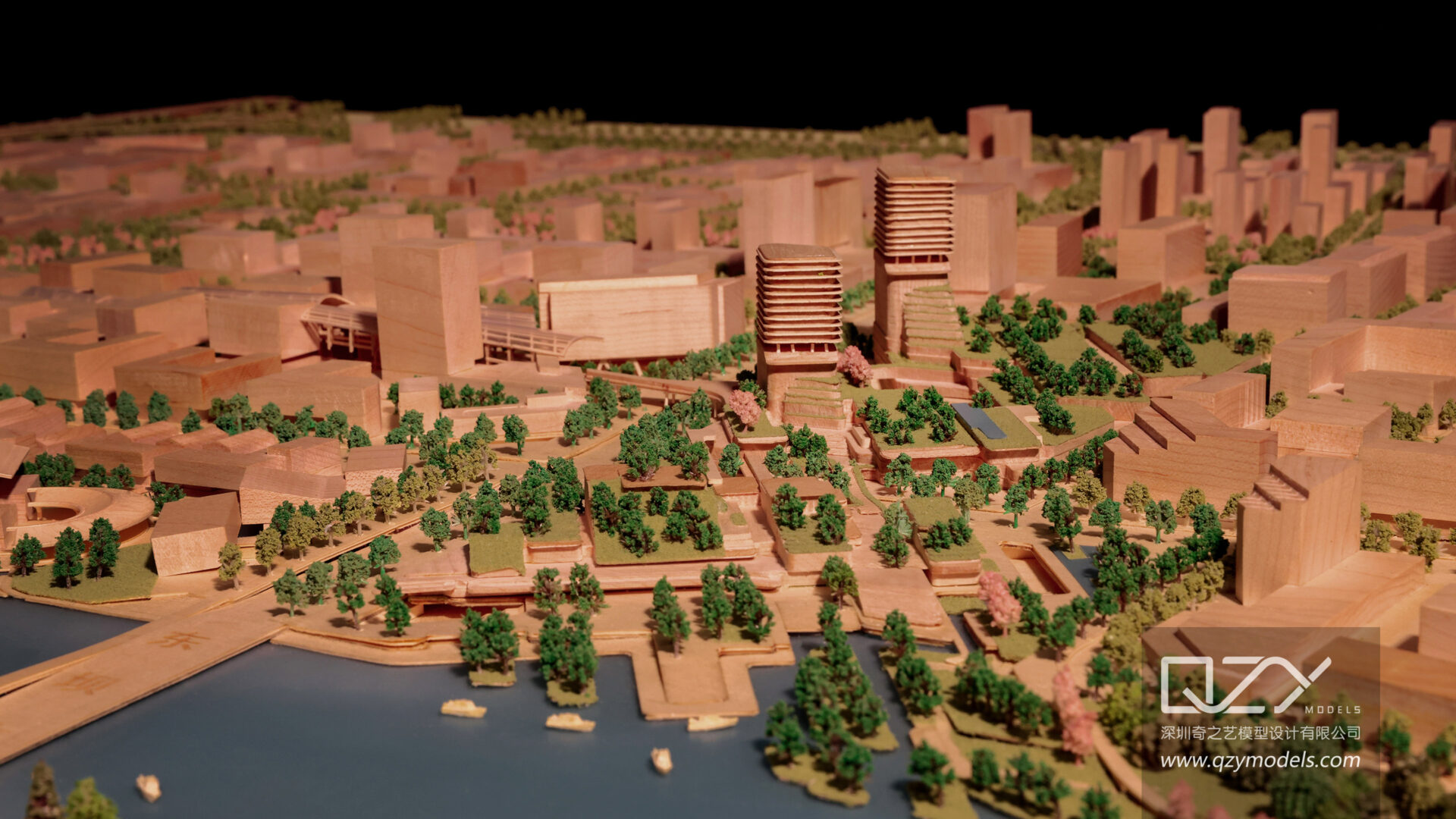
| Basswood | Fine grain, smooth finish | Architectural models | Medium | Medium |
| Acrylic | Transparent, glossy finish | Facades, glass simulation | High | High |
| Resin | High detail, moldable | Prototypes, miniature components | High | Medium-High |
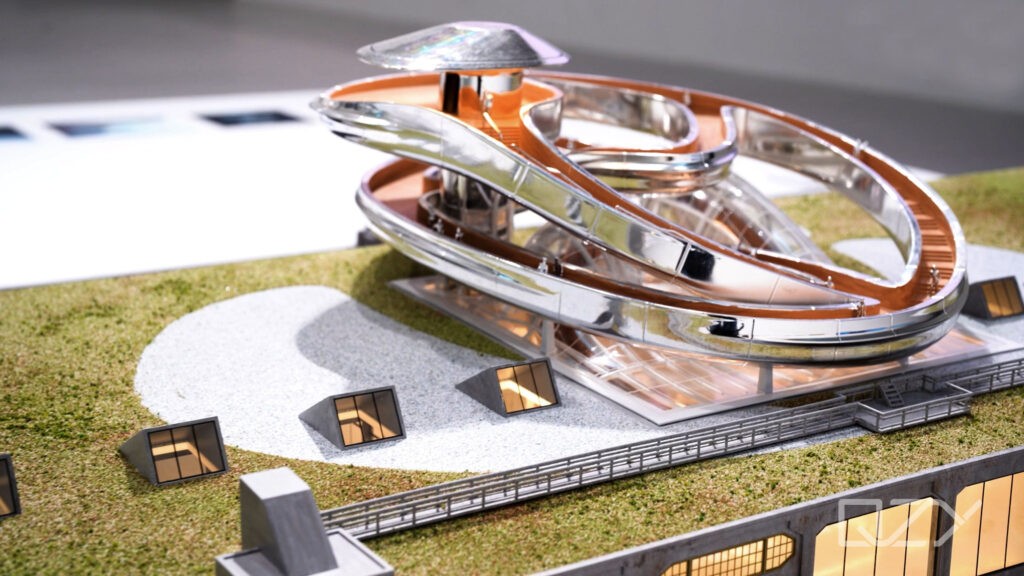
| Metal | Strength, realistic texture | Industrial prototypes, durability | Very High | High |
How Do Modeling Materials Affect Model Longevity and Presentation Quality?
Material choice directly affects durability, handling, and visual impact. Durable substances like acrylic and metal provide lasting models, while softer materials require careful handling.
Surface treatments, texturing, and finishing techniques enhance realism and clarity, helping convey design intent effectively. QZY Models ensures every model maintains its quality through thoughtful material selection and expert craftsmanship.
FAQs
What types of modeling materials are best for beginners?
Foam board and clay are ideal for beginners due to ease of handling and affordability.
How do 3D printing materials compare with traditional modeling materials?
3D printing provides precision and complex shapes, while traditional materials offer tactile quality and finish variety.
Can modeling materials be reused or recycled?
Some materials, like wood and select plastics, can be reused or recycled depending on condition and type.
How long does it take to build a model with different materials?
Construction time varies; foam board is fast, while resin and metal require longer fabrication.
Are there safety considerations when using modeling materials?
Yes, handling resins or adhesives requires ventilation, protective gear, and adherence to safety protocols.