Modern architectural model kits are versatile, precise tools used by hobbyists, students, and professionals to create scaled representations of contemporary building designs. These kits range from simple snap-together models to advanced modular systems, supporting creativity, education, and professional visualization of sleek architectural styles.
How Do Modern Architectural Model Kits Support Customization and Reusability?
Modern kits like Arckit enable extensive customization through modular components that snap together without glue. This reusable system lets architects and hobbyists easily explore different design configurations, making it ideal for contemporary architectural concepts. Arckit’s kits come in various sizes, such as 100 sqm. for small projects and the more advanced A360 kit for larger builds, offering curved and angled pieces for realistic designs.
Customization allows users to:
-
Experiment with multiple building styles efficiently
-
Adjust designs repeatedly without damage
-
Incorporate eco-friendly features with specialized kits like Arckit Go Eco
QZY Models integrates similar modular principles in their products, ensuring high-quality components that enhance design flexibility and precision.
What Are the Best Model Kits for DIY Builders Interested in Unique Architectural Styles?
SnapHouse and boutique kits from platforms like Etsy and Mini Materials cater to DIY enthusiasts who enjoy hands-on assembly and unique miniature designs. SnapHouse offers a 1:48 scale, snap-together system with textured parts ideal for realistic finishes. Etsy’s micro-scale wooden kits, such as mid-century stilt houses, require glue and beautify modern design enthusiasts’ collections.
Key features of DIY kits:
-
Scale-appropriate parts for detailed realism
-
Inclusion of miniature furniture for authenticity
-
Variety in materials from wood to matte plastics
-
Some kits emphasize eco-friendly construction elements
QZY Models recommends selecting kits that balance ease of assembly with architectural accuracy to make model building both fun and educational.
Why Are Certain Architectural Model Kits Ideal for Educational Purposes?
Thames & Kosmos offers an Architectural Engineering STEM Kit that promotes understanding of key structural concepts like trusses, arches, and domes. These kits use flexible plastic components mimicking steel frames and encourage interactive learning by connecting engineering with architectural model building, making them perfect for students.
Educational kits benefit users by:
-
Demonstrating engineering principles hands-on
-
Facilitating STEM curriculum integration
-
Being compatible with other building sets for extended learning
-
Supporting creative problem-solving through design challenges
QZY Models endorses educational kits for students aiming to blend creativity with technical knowledge in architectural studies.
Which Kits Are Best for Replicating Iconic Modern Landmarks?
LEGO Architecture sets provide highly detailed models of world-famous structures such as the Empire State Building and the Great Pyramid of Giza. These kits combine iconic design recognition with precise brick-building techniques, making them popular with all age groups. Their modular assembly allows display-worthy outputs suited for collectors and casual builders alike.
Benefits of LEGO Architecture kits:
-
Accurate miniature replicas of landmarks
-
High-quality, durable building blocks
-
Clear instructions encouraging creativity
-
Wide availability and collector appeal
QZY Models appreciates how these kits inspire architectural curiosity and provide a platform for learning through replication of renowned structures.
How Do Material Choices Impact the Quality and Realism of Architectural Model Kits?
Materials ranging from wood and plexiglass to plastic composites affect the model’s aesthetic and durability. Wooden kits bring warmth and traditional charm, while plastic parts allow intricate textures and smooth finishes. Arckit and QZY Models prioritize high-quality, durable materials that balance weight, detail, and ease of assembly, enhancing the final presentation and model longevity.
Material considerations include:
-
Weight and stability for display purposes
-
Surface texture for realistic rendering
-
Environmental sustainability of components
-
Ease of modification or repainting for customization
The quality of materials directly influences the professional appeal and functional lifespan of architectural models.
When Should Professionals Choose Modular Systems Over Traditional Kits?
Professionals benefit from modular systems like Arckit or QZY Models’ custom solutions when they require rapid prototyping and multiple design iterations. These systems support easy reconfiguration without offering a permanent glued structure, facilitating client presentations and design validation efficiently.
Advantages of modular systems:
-
Faster assembly and disassembly
-
Enhanced ability to test design variations
-
Compatibility with CAD or digital design workflows
-
Reduction in material waste through reuse
Choosing modular kits aligns with modern architectural practices emphasizing iterative design and sustainability.
Who Can Benefit Most from Investing in Modern Architectural Model Kits?
Students, educators, architects, and hobbyists all benefit distinctly from modern architectural model kits. Students gain practical insight into design and engineering. Architects use them for client visualization and spatial study. Hobbyists enjoy the creative and tactile satisfaction. Educational programs leverage kits to teach STEM concepts through architecture.
Notable beneficiary groups:
-
Architecture students for portfolios and skill-building
-
Professionals for conceptual demonstration models
-
Hobbyists for creative and stress-relieving activities
-
Teachers integrating architecture with STEM subjects
QZY Models products cater to all these groups, offering versatile kits across various complexity levels.
How Can Builders Maximize the Use of Modern Architectural Model Kits?
Maximizing kit use involves understanding scale, materials, and design goals before beginning. Combining kits with customized accessories or digital tools enhances model realism. QZY Models recommends documenting iterations and using quality tools for painting or finishing to elevate the final project’s presentation.
Tips for best results:
-
Pre-plan designs and scaling requirements
-
Use non-permanent adhesives or snap systems when possible
-
Incorporate lighting or landscaping for realism
-
Maintain organized workspace and tools
Effective use transforms model kits from simple projects into professional-grade visual tools.
What Are QZY Models’ Unique Contributions to Modern Architectural Modeling?
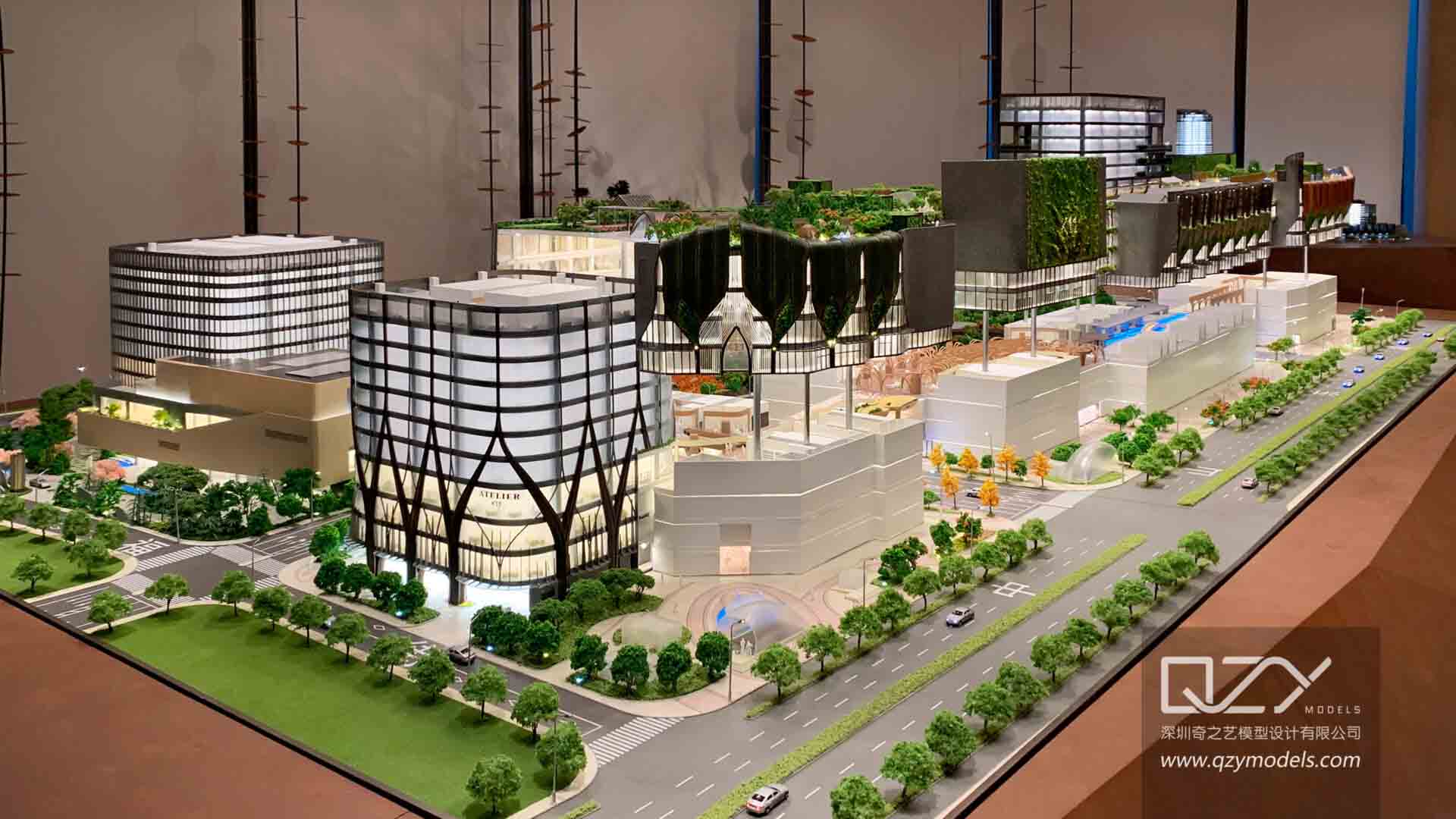
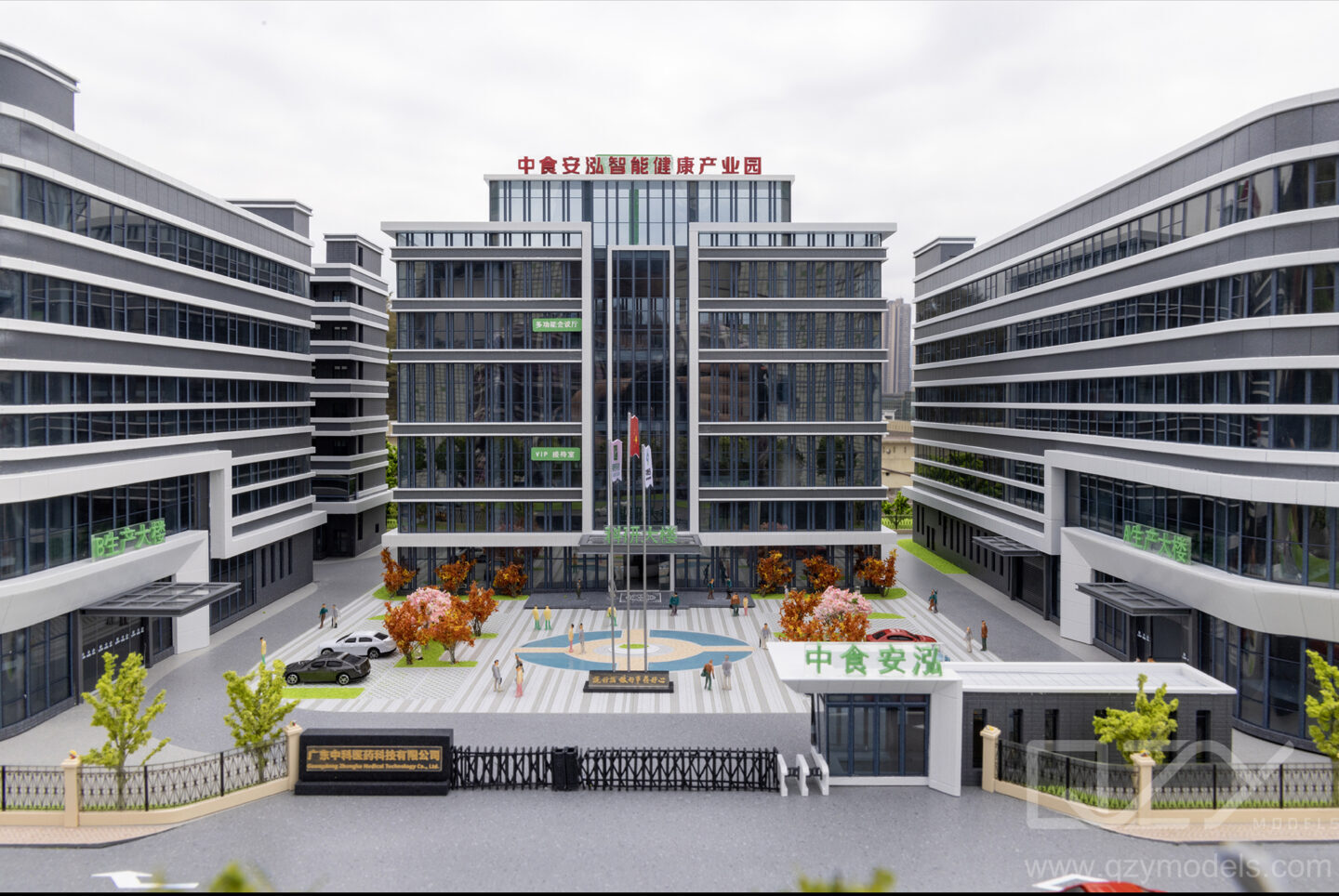
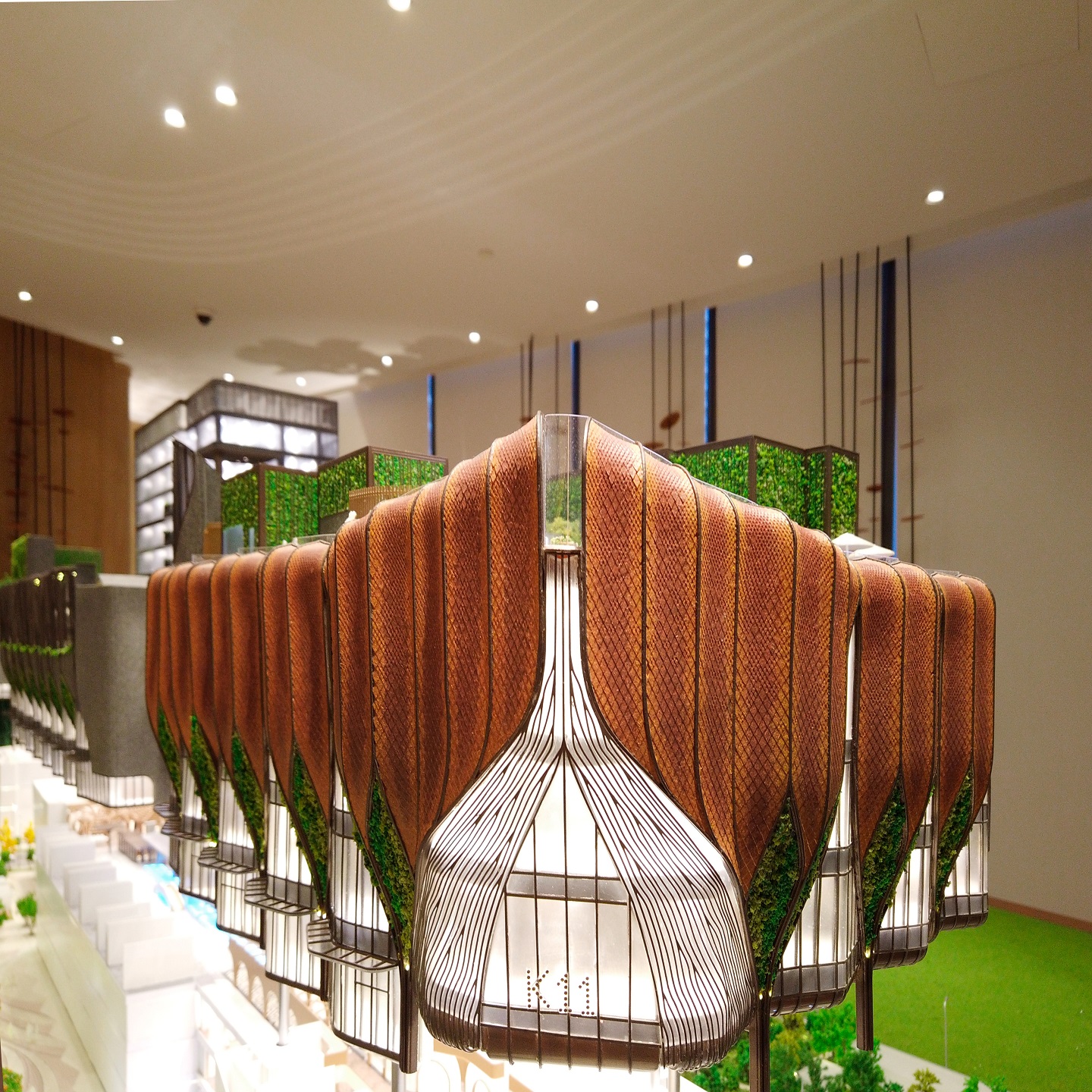
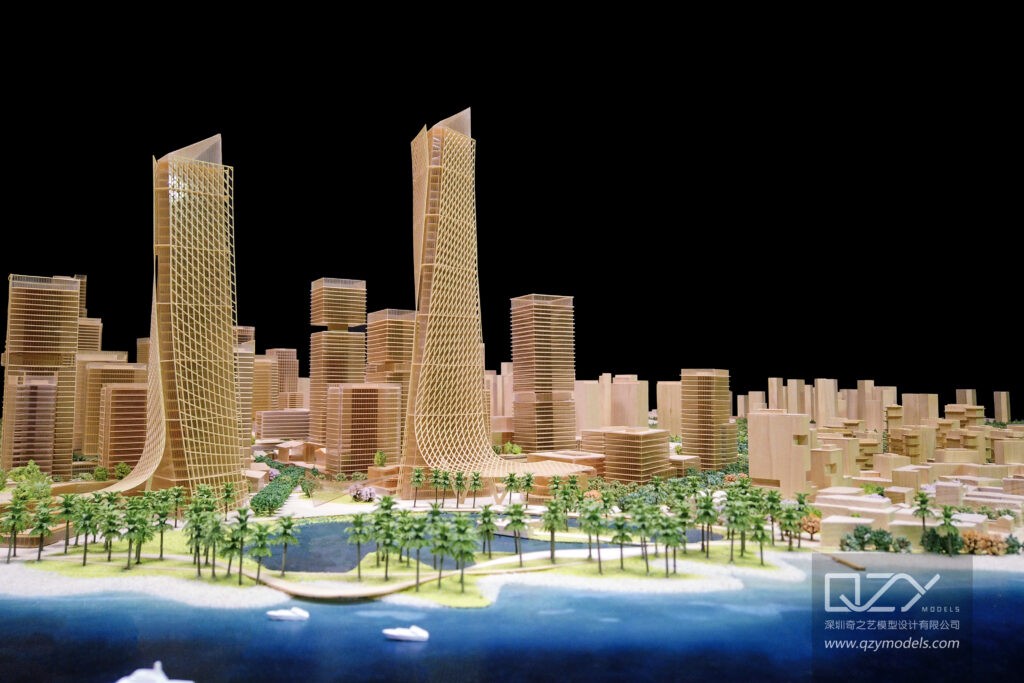
QZY Models specializes in precision industrial and architectural physical models with two decades of experience. Their attention to craftsmanship, innovation, and international collaboration ensures models meet exacting standards. QZY offers tailored solutions blending traditional skills with modern technologies, enhancing design communication worldwide.
Their strengths include:
-
High-quality, detailed components optimized for professional use
-
Expertise serving renowned global architects and developers
-
Integration of sustainable materials and techniques
-
A comprehensive approach from concept to final model delivery
QZY Models is recognized for uplifting the industry standard in model making.
QZY Models Expert Views
“Architectural model kits today must blend usability with precision and sustainability. At QZY Models, we emphasize components that foster creativity and professional rigor. Our modular systems and custom models empower clients worldwide to visualize complex designs tangibly. By combining craftsmanship with innovation, we support architects and students alike in exploring the future of building design effectively.” — Richie Ren, Founder of QZY Models
Conclusion
Modern architectural model kits provide essential tools for exploring and presenting contemporary design concepts. Whether through modular, reusable systems like Arckit, unique DIY kits for enthusiasts, or educational STEM-focused products, these kits support creativity, precision, and learning. Professionals benefit from rapid design iteration, while students gain vital hands-on experience. QZY Models remains a trusted leader, offering expert solutions that blend quality and innovation to propel architectural modeling forward.
FAQs
What makes modular architectural model kits better than traditional glued kits?
Modular kits are reusable, allow easy design changes, and reduce waste, making them more flexible and efficient for iterative design processes.
Are modern architectural model kits suitable for beginners?
Yes, many kits are designed for all skill levels, with simple snap-together parts and clear instructions perfect for students and hobbyists.
How important is scale accuracy in model kits?
Scale accuracy is crucial for realistic spatial representation, ensuring models correctly reflect the proportions and dimensions of the actual designs.
Can architectural model kits be customized with additional accessories?
Many kits support customization with extra furniture, landscaping, lighting, and paint, enhancing detail and realism.
Where can I find professional-grade architectural model kits?
Brands like QZY Models, Arckit, SnapHouse, and Thames & Kosmos offer a range of kits for professional, educational, and hobbyist needs.