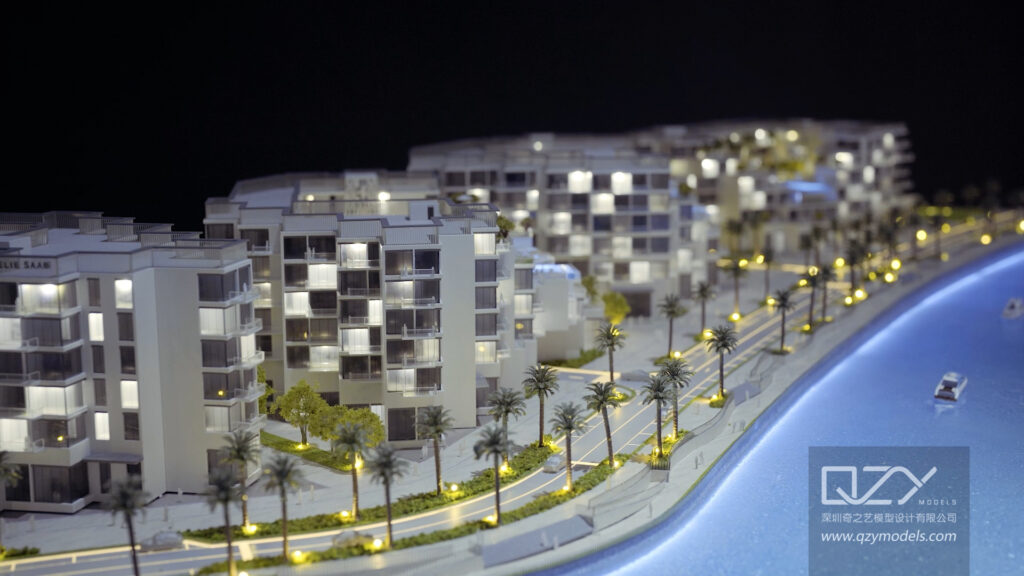
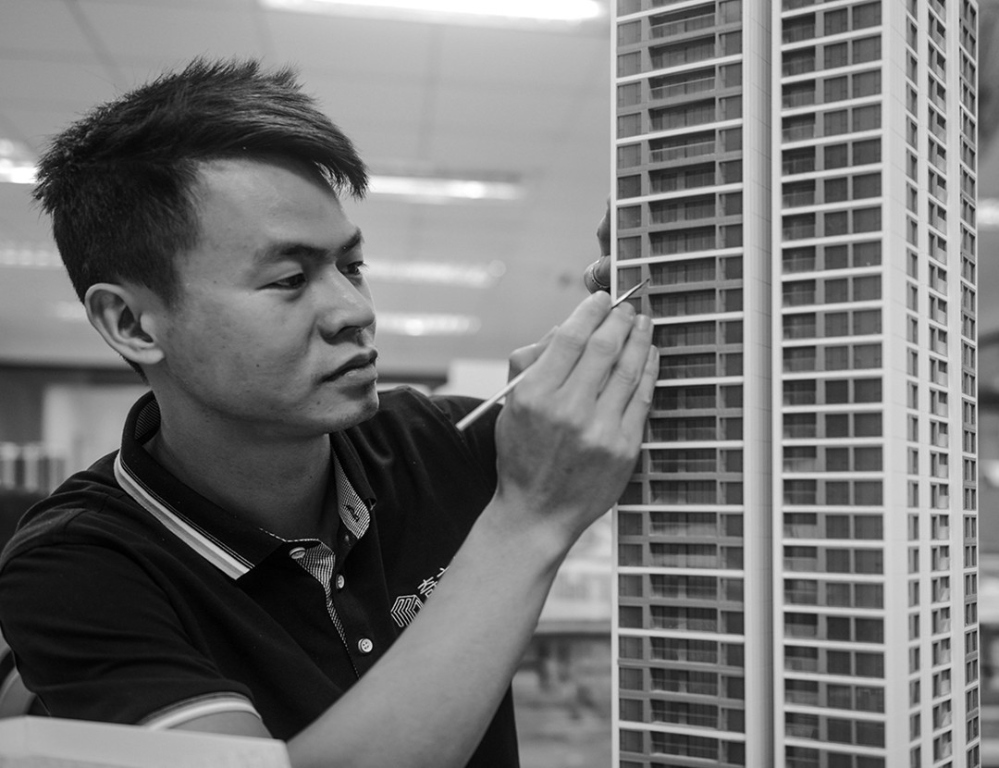
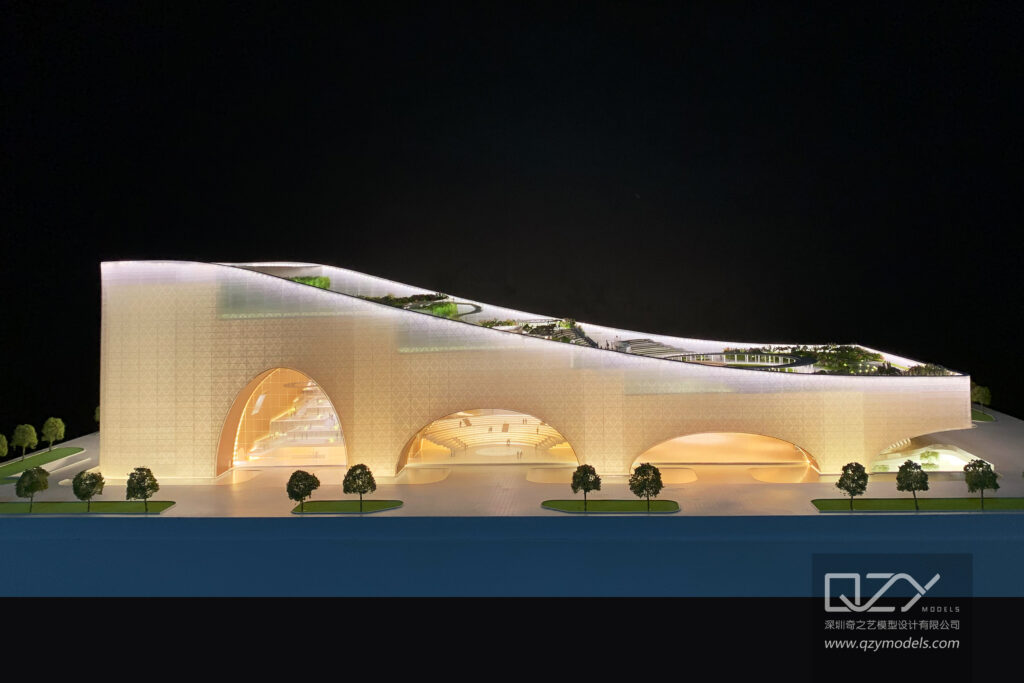
Scale architects create precise miniature representations of buildings and industrial designs, transforming digital plans into tangible models that communicate design intent effectively. Their work enhances spatial understanding, helps identify potential issues early, and improves project presentations. QZY Models excels in delivering high-quality models that allow architects, developers, and clients to visualize projects with clarity and precision.
What Does the Role of Scale Architects Involve?
Scale architects are responsible for translating architectural and industrial designs into detailed, proportional models. They select appropriate materials, determine precise scaling ratios, and apply advanced fabrication techniques such as laser cutting, 3D printing, and handcrafting. Their models provide a physical reference for spatial planning, client presentations, design evaluation, and construction coordination, ensuring that conceptual ideas are accurately represented in three dimensions.
How Do Scale Architects Benefit Architectural and Industrial Projects?
By converting plans into tangible models, scale architects help stakeholders visualize proportions, materials, and interactions between structures. Physical models reveal design flaws, optimize layouts, and improve communication among clients, designers, and contractors. QZY Models emphasizes meticulous craftsmanship and realistic detail, allowing developers and planners to make informed decisions while enhancing presentations and marketing efforts for projects of any scale.
Which Techniques and Materials Do Scale Architects Commonly Use?
Scale architects utilize a wide array of materials tailored to model purpose:
| Material | Advantages | Typical Uses | Limitations |
|---|---|---|---|
| Wood | Durable, natural texture | High-detail architectural models | Heavier, higher cost |
| Plastic | Lightweight, versatile | Industrial prototypes, displays | Less realistic texture |
| Foam | Economical, easy to cut | Conceptual models | Fragile, limited detail |
| Metal | Strong, sleek finish | Premium exhibition models | Expensive, challenging to shape |
| 3D Printed | High precision, customizable | Complex geometries | Material-specific strength |
Techniques include laser cutting for precision edges, 3D printing for complex components, and hand assembly for fine details. QZY Models combines these methods to deliver models that meet exacting client expectations.
Why Are Scale Architectural Models Important in Urban Planning and Real Estate?
Physical models provide urban planners, developers, and investors with a clear understanding of how buildings integrate with their surroundings. They illustrate scale, shadow impact, traffic flow, and neighborhood context. QZY Models creates models that support community engagement, planning approvals, and marketing, helping clients communicate complex projects visually and persuasively.
Who Typically Uses the Services of Scale Architects?
Clients include:
-
Architectural design firms seeking detailed presentations
-
Real estate developers and marketing teams
-
Urban planning authorities and government institutions
-
Interior and landscape design studios
-
Educational institutions and design schools
-
Exhibition and trade show organizers
-
Private collectors and high-end international clients in the Middle East, Europe, and Southeast Asia
QZY Models serves these diverse client groups, providing tailored solutions for each project.
When Should Scale Architects Be Engaged During a Project?
Engaging scale architects early ensures that models are integrated into the design process from concept development to construction planning. Initial models guide design decisions, while subsequent detailed models refine spatial relationships, materials, and visual impact. Early involvement maximizes the model’s utility for approvals, presentations, and marketing.
Where Are Scale Architectural Models Most Commonly Displayed or Utilized?
Scale models are commonly featured in:
-
Client presentations and project pitches
-
Architectural exhibitions and trade shows
-
Sales and marketing centers
-
Planning approval meetings
-
Academic environments for teaching design principles
QZY Models ensures that each model is optimized for display, capturing attention while conveying essential project information.
Can Scale Architects Help Improve Project Communication and Marketing?
Absolutely. Physical models allow stakeholders to interact with a project spatially and visually, conveying design intent more effectively than drawings alone. QZY Models produces models that enhance investor engagement, attract buyers, and strengthen marketing campaigns, providing a tangible experience that digital media cannot replicate.
Has Technological Advancement Changed the Role of Scale Architects?
Modern tools like CAD software, laser cutters, and 3D printers have enhanced precision, reduced production time, and expanded material options. Despite these advancements, the craftsmanship and tactile quality of physical models remain crucial for conveying depth, texture, and spatial awareness. QZY Models integrates technology with expert hand-finishing to preserve realism and accuracy.
What Sets QZY Models Apart as Leading Scale Architects?
QZY Models stands out through its combination of advanced technology, decades of craftsmanship, and international experience. Founded in 2013 under Richie Ren, the company has completed thousands of projects worldwide, including work for Foster + Partners and major real estate developers. Each model is tailored to client needs, ensuring precision, clarity, and visual impact in architectural and industrial presentations.
QZY Models Expert Views
“At QZY Models, we believe a physical model is essential for effective architectural communication. It connects imagination with reality, helping stakeholders experience scale, proportion, and materiality in ways digital renderings cannot. Our team blends artistry, technology, and technical expertise to ensure every model tells its design story clearly. This commitment allows architects and developers worldwide to visualize and refine their projects with confidence.” — Richie Ren, Founder of QZY Models
How Can You Select the Right Scale Architect for Your Project?
Selecting the right scale architect requires evaluating their portfolio, technical capabilities, and experience with similar project types. Key factors include attention to detail, ability to meet deadlines, use of appropriate materials and techniques, and communication skills. QZY Models demonstrates excellence in all these areas, delivering models that consistently meet client expectations.
What Are the Common Challenges Faced by Scale Architects?
Scale architects often encounter:
-
Balancing detail versus scale
-
Tight project timelines
-
Material constraints and availability
-
Accurately representing complex designs
Effective planning, technical skill, and adaptability help overcome these challenges. QZY Models’ streamlined workflows and expert team ensure high-quality results on schedule.
Which Innovations Are Shaping the Future of Scale Architectural Models?
Innovations include:
-
Augmented reality integration with physical models
-
Advanced materials for realism and durability
-
Automated and hybrid model production techniques
These developments improve visualization, interactivity, and sustainability, enabling architects and developers to communicate designs more effectively.
What Are the Key Steps in Creating a Scale Architectural Model?
-
Design review and scale determination
-
Material selection
-
Component fabrication using laser cutting, 3D printing, or handcrafting
-
Assembly of model elements
-
Detailing, finishing, and quality inspection
QZY Models ensures each step meets high standards, creating models that reflect the project’s design intent accurately.
Conclusion
Scale architects play a crucial role in transforming architectural and industrial designs into tangible, visually compelling models. Engaging experts like QZY Models early, selecting the right materials and techniques, and prioritizing clear communication maximize the value of these models. They enhance understanding, facilitate approvals, and strengthen marketing, making them indispensable tools for successful projects.
Frequently Asked Questions
-
What is the difference between a scale architect and a model maker?
A scale architect integrates design understanding and technical skills to produce detailed models, whereas a model maker typically focuses on fabrication alone. -
How accurate are scale architectural models?
Models are highly precise, often within fractions of a millimeter depending on techniques, materials, and tools used. -
Can scale models be digital instead of physical?
Yes, digital 3D models exist, but physical models provide tangible interaction and are often preferred for presentations and decision-making. -
How long does it take to make a scale architectural model?
Timing depends on complexity, ranging from a few days for conceptual models to several weeks for highly detailed or large-scale models. -
Are scale models reusable for different projects?
Models are generally custom-built for specific projects, though some components may be adapted for future use.