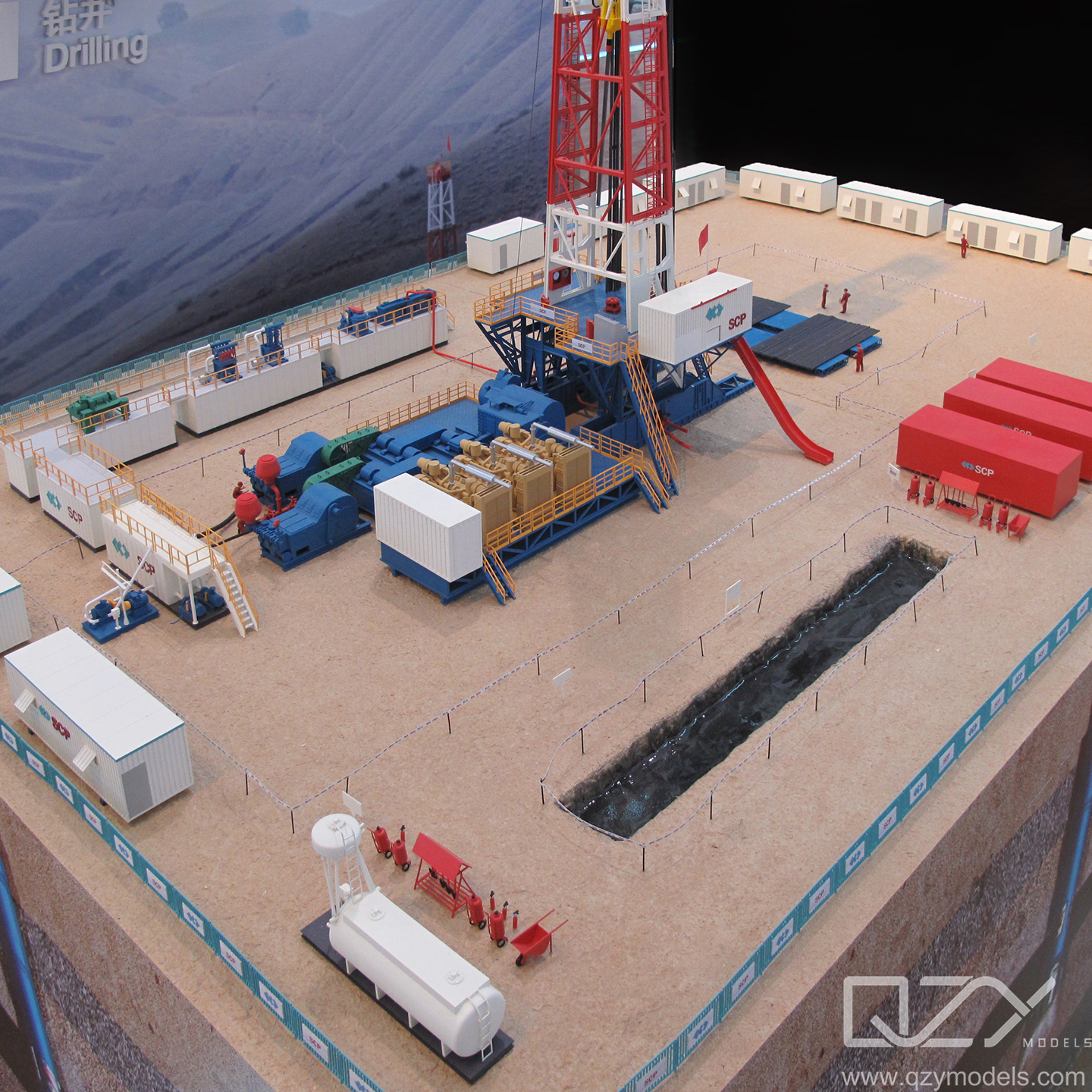
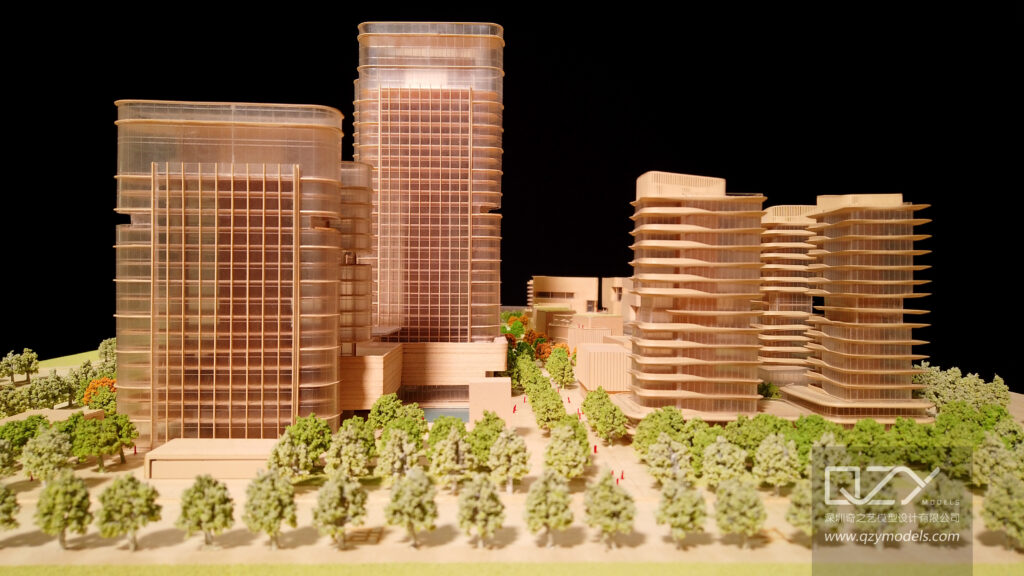
Scale figures for architecture are miniature human models used to illustrate proportion, spatial relationships, and human activity in architectural designs. They enhance the realism and communication of models, helping clients, planners, and stakeholders visualize how people interact with spaces. QZY Models specializes in producing custom scale figures that integrate seamlessly into architectural and landscape models, creating lifelike presentations for global projects.
What Are Scale Figures for Architecture?
Scale figures are small, proportionate human miniatures that show human presence and activity within architectural models. Their height varies with model scale, typically from 1mm to 20mm, and they can depict diverse poses, demographics, and clothing to reflect realistic scenarios.
These figures transform static models into dynamic scenes, illustrating circulation, occupancy, and usability. Architects and planners use them to communicate design intent effectively. QZY Models crafts bespoke figures that match project scales and design themes, ensuring accurate and immersive visualizations.
High-quality figures highlight comfort, accessibility, and vibrancy in models. By integrating articulated poses and lifelike details, they help convey a project’s functionality and atmosphere. Sourcing premium figures ensures professional-grade results.
Why Are Scale Figures Important in Architectural Models?
Scale figures provide essential human context, making abstract designs relatable and proportionate. They highlight usability issues, such as doorway widths and plaza capacities, which plans alone may not reveal.
In client presentations, figures evoke spatial understanding and emotional engagement, helping stakeholders imagine daily life within the design. They bridge the gap between 2D drawings and real-world experience, supporting approvals, marketing, and planning decisions.
Professional model makers like QZY Models emphasize high-quality figures to maximize the visual impact and communicative power of architectural models.
What Sizes and Scales Are Used for Architectural Scale Figures?
Scale figures correspond to the model’s scale. Common examples include 1:100 (18mm tall), 1:200 (9mm), and 1:500 (3.6mm). Larger scales suit interior models, while smaller scales work for site or urban plans.
| Scale | Figure Height (mm) | Human Equivalent (m) | Best For |
|---|---|---|---|
| 1:100 | 18 | 1.8 | Interiors, building models |
| 1:200 | 9 | 1.8 | Site models, presentations |
| 1:500 | 3.6 | 1.8 | Masterplans, urban layouts |
| 1:50 | 36 | 1.8 | Detailed facades, exhibitions |
Selecting the correct size ensures proportional accuracy and effective spatial visualization.
How Do You Choose the Right Scale Figures for Your Model?
Start by evaluating model scale, purpose, and detail. For 1:100 models, 18mm figures are ideal; for 1:200 site models, 9mm figures suffice. Consider poses (standing, walking, sitting), demographics, and clothing styles appropriate to the project context.
QZY Models offers tailored scale figures that integrate seamlessly with architectural and landscape elements. Unpainted figures allow custom finishing for consistent aesthetic integration. Always assess supplier quality, variety, and delivery times to ensure figures enhance the model’s realism and storytelling.
Where Can You Source High-Quality Scale Figures for Architecture?
Reliable sources include professional model makers, specialized retailers, and online platforms. QZY Models operates globally, serving clients from Foster + Partners to Vanke, delivering bespoke figures across multiple scales and styles.
While local hobby stores offer basic figures, professional services ensure precise scale, diverse poses, and realism. Online catalogs provide options, but choosing a trusted maker like QZY Models guarantees quality, accuracy, and timely delivery for high-impact projects.
How Can You Customize Scale Figures for Architectural Models?
Customization involves painting, 3D printing, or modifying figures to reflect specific clothing, skin tones, and poses. Techniques include:
-
Hand-painting acrylics for realistic attire and features
-
Trimming and repositioning limbs for unique poses
-
Resin casting for mass-production of bespoke figures
QZY Models combines CNC machining and handcrafting for hyper-realistic figures, ensuring every project’s narrative and context is accurately represented. Customization enhances the model’s immersive quality and storytelling.
What Materials Are Best for Making Scale Figures?
Common materials include:
-
Resin: High detail and paintable; ideal for presentation models
-
Plastic: Lightweight and affordable; suitable for study models
-
Metal: Durable and weighted; best for large or outdoor displays
-
Wood: Carvable and artisanal; for custom prototypes
| Material | Pros | Cons | Ideal Use |
|---|---|---|---|
| Resin | High detail, paintable | Fragile | Presentation models |
| Plastic | Lightweight, inexpensive | Less detail | Study models |
| Metal | Durable, stable | Heavy, costly | Outdoor/large displays |
| Wood | Custom carveable | Labor-intensive | Artisan prototypes |
Material selection should balance budget, handling needs, and desired visual fidelity.
QZY Models Expert Views
“Scale figures are the heartbeat of architectural models—they humanize designs and reveal spatial truths invisible in drawings. At QZY Models, we craft figures that perfectly match scales while reflecting diverse lifestyles and interactions, transforming models into compelling narratives. Our 20+ years of expertise ensure every figure enhances client understanding and project success, from urban planning to luxury interiors.” — Richie Ren, Founder, QZY Models
Who Uses Scale Figures in Professional Architectural Projects?
Architects, developers, urban planners, exhibition organizers, and design schools rely on scale figures for client presentations, regulatory submissions, and educational purposes. Interior designers and landscape architects use them for accurate furniture and site scaling.
QZY Models supplies bespoke figures globally, serving firms like China Resources and supporting exhibitions, high-end projects, and immersive model experiences.
Does Lighting Affect the Appearance of Scale Figures?
Yes, lighting dramatically impacts perception. Correct illumination highlights details, casts realistic shadows, and adds depth. LEDs and fiber optics simulate daylight and enhance pose visibility. QZY Models integrates lighting carefully to create naturalistic, immersive effects while avoiding glare or overexposure.
Are Custom Scale Figures Worth the Investment?
Custom figures are valuable for projects requiring unique demographics, poses, or site-specific scenarios. They elevate model professionalism, differentiate presentations, and improve client engagement. For standard applications, stock figures may suffice, but premium projects benefit from custom solutions. QZY Models’ bespoke services provide strong ROI through enhanced visualization and stakeholder communication.
Conclusion
Scale figures are essential for creating immersive, accurate architectural models. Key takeaways: match figure size to model scale, customize for project relevance, use high-quality materials, and integrate figures thoughtfully. Partnering with experts like QZY Models ensures professional, lifelike results that enhance design communication and presentation impact.
Frequently Asked Questions
What scale figures fit 1:100 models?
18mm tall, representing 1.8m humans; ideal for detailed interiors and facades.
Can scale figures be painted?
Yes, acrylic paints on primer-coated resin or plastic achieve realistic finishes.
How many figures should be used per model?
Depends on space: 1-2 per interior room, denser for plazas or streets without overcrowding.
Are scale figures reusable?
Durable resin figures can be reused, but handle carefully to prevent damage.
What is the most cost-effective way to obtain scale figures?
Bulk unpainted plastic sets from hobby suppliers allow DIY customization for affordability.