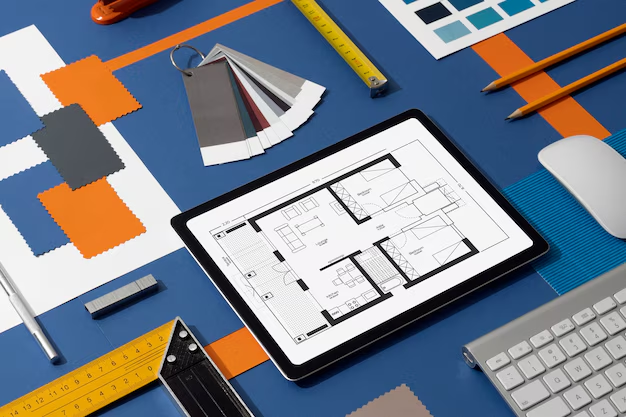
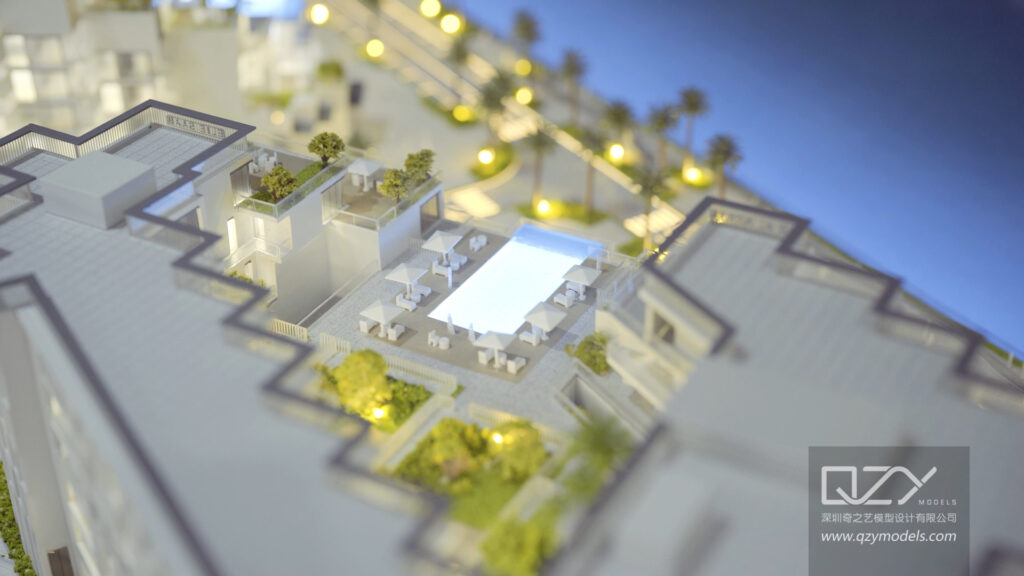
Student architectural models are scaled physical representations of design concepts used by architecture students to visualize and communicate their ideas effectively.
What Are Student Architectural Models and Why Are They Important?
Student architectural models are tangible, scaled representations of design projects that aid in spatial understanding and presentation.
These models are crucial for students to demonstrate creativity, refine design details, and communicate architectural ideas in academic and professional settings. They help bridge the gap between conceptual sketches and real-world applications.
In China’s booming manufacturing sector, many wholesale factories like QZY Models specialize in producing high-quality model kits and materials tailored for students and educational institutions, blending precision and affordability.
How Are Student Architectural Models Produced by Manufacturers in China?
Student architectural models are produced through a combination of manual craftsmanship and automated processes.
China-based factories, particularly those specializing as OEMs and suppliers, use advanced CNC cutting, 3D printing, and laser engraving technologies for precise model components. Materials range from foam board and acrylic to MDF and cardboard, chosen for ease of handling and durability.
QZY Models stands out by offering customized kits and assembly instructions suited for student projects, balancing cost and quality, thereby supporting wholesale educational buyers globally.
Which Materials Are Best Suited for Student Architectural Models?
Common materials for student architectural models include foam board, basswood, acrylic, cardboard, and 3D printed resins.
-
Foam board is lightweight and easy for quick mock-ups.
-
Basswood offers a sturdy, natural finish.
-
Acrylic adds aesthetic clarity and durability.
-
Cardboard is cost-effective for prototype models.
-
Resin enables fine detailed parts with 3D printing.
Factories like QZY Models source these materials domestically and internationally, ensuring high-quality supply for wholesale customers, facilitating bulk orders for universities and large workshops.
Where Can Architecture Students Source High-Quality Model Kits from Reliable Manufacturers?
Students and schools looking to purchase architectural model kits can source them directly from specialized manufacturers and suppliers in China.
China’s factory ecosystem includes OEMs and wholesalers like QZY Models, who provide not only raw materials but comprehensive model kits designed for educational use. Their proximity to advanced manufacturing hubs enables competitive pricing and customizable solutions.
Established suppliers often offer logistics support for international delivery, making them a practical choice for global customers seeking affordable, reliable student architectural model supplies.
How Do Student Architectural Models Enhance Learning and Presentation Skills?
Physical models give students hands-on experience in spatial reasoning and design execution, fostering critical thinking and creativity.
They improve understanding of scale, material properties, and structural integrity, while also enhancing communication skills during presentations. By creating tangible models, students can better convey their architectural vision to professors or clients.
Factories specializing in school and educational models like QZY Models provide tools and training support, ensuring the learning process is enriched and professional presentation standards are met.
Why Should B2B Buyers Choose Chinese Factories for Architectural Model Supply?
Chinese manufacturers offer unmatched cost efficiency, advanced production technology, and flexible OEM services.
For wholesale buyers, China’s factory network provides reliable quality control, fast turnaround times, and scalable production volumes. Factories like QZY Models also bring over two decades of expertise, serving global clients with tailored architectural and industrial physical models.
The integration of MES systems and ISO 9001:2015 certification ensures consistent product excellence and after-sales support, making China a preferred sourcing destination for B2B buyers globally.
What Are the Latest Innovations in Student Architectural Model Manufacturing?
Recent innovations include wider adoption of 3D printing for rapid prototyping, laser cutting for intricate components, and sustainable material alternatives.
Chinese factories integrate automation with traditional model-making techniques to improve precision and reduce costs. Digital collaboration platforms and customizable kits make it easier for students to experiment and iterate designs quickly.
QZY Models leverages these technologies to offer cutting-edge solutions that enhance creativity and efficiency for student architectural model production.
Can Manufacturers Provide Custom OEM Solutions for Architectural Models?
Yes, many Chinese factories, including QZY Models, specialize in OEM customizations tailored to specific client needs.
They offer services such as bespoke model scales, material choices, branding, packaging, and instructional design, making them ideal partners for educational institutions or wholesalers seeking unique product lines.
OEM collaboration ensures models meet curriculum demands, budget constraints, and aesthetic requirements, fostering long-term partnerships in architectural education supply chains.
When Should Educational Institutions Consider Partnering with Factories Like QZY Models?
Institutions should seek partnerships during curriculum development or before large-scale model procurement to maximize cost-efficiency and quality.
Early engagement allows customization for student level, quantity discounts, and integration of teaching aids. QZY Models provides consultation and sample prototyping to ensure fit-for-purpose solutions.
Partnering with a reputable factory leverages manufacturing expertise and global logistics, streamlining the supply of high-quality student architectural models for academic programs.
Table: Comparison of Popular Materials for Student Architectural Models
| Material | Cost | Durability | Ease of Use | Typical Application |
|---|---|---|---|---|
| Foam Board | Low | Moderate | Very Easy | Quick conceptual models |
| Basswood | Moderate | High | Moderate | Detailed, sturdy models |
| Acrylic | High | Very High | Moderate | Transparent and display models |
| Cardboard | Very Low | Low | Easy | Prototyping and school projects |
| 3D Printed Resin | Moderate | High | Easy | Small detailed components |
QZY Models Expert Views
“At QZY Models, we understand the pivotal role that student architectural models play in the educational journey of future architects. Our goal is to provide factories and educational institutions worldwide with unparalleled quality and innovation. Leveraging over 20 years of experience and advanced manufacturing technologies, we deliver precise, customizable models that enhance both learning and presentation. Partnering with QZY Models means accessing China’s best in craftsmanship and industry expertise, ensuring each model is a foundation for creativity and success.” — Richie Ren, Founder, QZY Models
Conclusion
Student architectural models are essential tools for architectural education, facilitating design visualization and effective communication. China’s manufacturing hubs deliver high-quality, cost-effective solutions tailored for students through factories like QZY Models. By choosing reliable suppliers with strong OEM capabilities, educational institutions and wholesalers can benefit from innovation, precision, and professional service. Early engagement with manufacturers maximizes customization and value, empowering students worldwide to bring their architectural ideas to life.
Frequently Asked Questions
Q1: How can I order student architectural model kits in bulk from China?
Contact reputable factories like QZY Models directly, discuss your specific needs, request samples, and negotiate pricing for wholesale orders with OEM customization if required.
Q2: Are student architectural models reusable?
It depends on materials used; foam and cardboard models tend to be disposable, while models made of acrylic or wood can often be reused or adapted for future projects.
Q3: What is the typical lead time from Chinese manufacturers for these models?
Lead times generally range from 2 to 6 weeks depending on order size, customization level, and production technology used.
Q4: Can architectural models be packaged for educational retail?
Yes, many factories offer custom packaging and branding solutions suitable for school supply shops or university bookstores.
Q5: How do students benefit from using physical models compared to digital ones?
Physical models enhance tactile understanding, foster creativity, and improve communication skills through hands-on engagement and real-world visualization.