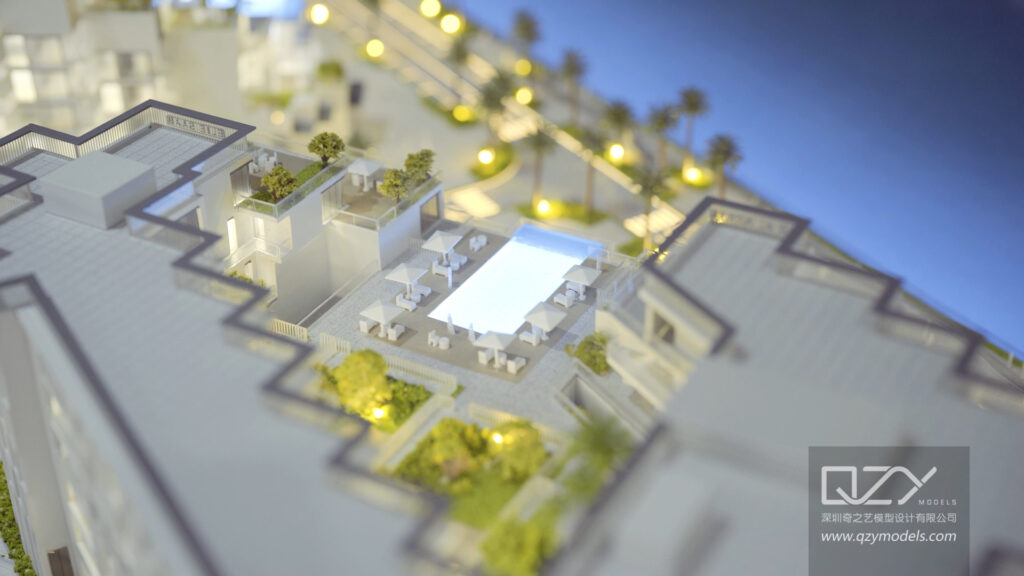
High-quality architectural model supplies are essential for creating precise, realistic physical models. Core materials include foam boards, balsa wood, acrylic sheets, precision cutting tools, adhesives, and paints, complemented by LEDs and 3D-printed details. QZY Models leverages these supplies to deliver durable, professional-scale models that meet client expectations, from concept sketches to exhibition-ready presentations.
What Are Essential Architectural Model Supplies?
Essential supplies for architectural modeling include foam boards for structure, balsa wood for frames, acrylic sheets for glazing, and precision cutting tools such as scalpels and steel rulers. Adhesives like PVA glue or cyanoacrylate secure components effectively.
Foam boards like Depron or Foamex provide sturdy yet lightweight bases suitable for skyscrapers and urban layouts. Balsa wood allows flexible detailing, while acrylic sheets simulate transparent facades. Paints in acrylic or enamel ensure accurate color replication, and LED strips add interior lighting effects. Using acid-free materials prolongs model lifespan.
| Material Type | Purpose | Recommended Brands |
|---|---|---|
| Foam Board | Base structures | Foamex, Depron |
| Balsa Wood | Frames, detailing | Midwest, Sig |
| Acrylic Sheets | Windows, roofs | Plexiglas, Perspex |
| Adhesives | Assembly | UHU, Gorilla Glue |
QZY Models consistently integrates these supplies to produce premium models for global architectural clients.
Which Architectural Model Supplies Offer the Best Value?
Best-value supplies combine affordability with performance. Bulk foam board packs, starter tool kits, and balsa assortments provide long-lasting results at reasonable prices. Brands like Excel Blades and Midwest deliver precision tools and wood without premium costs.
Foam boards from Dollar Tree work for prototypes, while Foamex upgrades final models. Excel Blades knives have replaceable blades, cutting long-term costs. QZY Models saves 30% on acrylic by sourcing bulk from TAP Plastics, maintaining quality without overspending. Avoid warped cheap imports and invest in UV-resistant paints for display models.
| Supply Type | Advantages | Approx. Price |
|---|---|---|
| Bulk Foam Board | Durable, economical | $15-40 |
| Balsa Wood Assort. | Versatile, forgiving | $10-25 |
| Precision Knife | Long-lasting, replaceable | $15-30 |
How Should Beginners Choose Architectural Model Supplies?
Beginners should start with foam board kits, basic knives, and PVA glue. Focus on forgiving materials like balsa wood instead of rigid plastics. Budget $50-100 for starter sets with tutorials. Closed-cell foam boards resist cuts and dents; 1/16-inch balsa cuts smoothly, providing confidence.
Starter essentials include an Olfa cutter, metal ruler, cutting mat, glue, and sandpaper. Gradually add acrylic cement, pin vices, or laser-cut templates. QZY Models recommends practicing on scrap materials and adhering to scale: 1:200 for urban layouts, 1:50 for interiors. Online forums and tutorials assist beginners in mastering material use safely.
| Beginner Supply | Purpose | Cost Range |
|---|---|---|
| Foam Board | Base | $5-15 |
| Hobby Knife | Cutting | $10-20 |
| PVA Glue | Bonding | $3-8 |
| Sandpaper Set | Finishing | $5 |
What Tools Are Must-Haves for Architectural Models?
Core tools include precision knives, cutting mats, steel rulers, pin vices, and calipers. They ensure clean cuts, precise measurements, and fine detailing. Metal rulers prevent slips; digital calipers measure small scales accurately. Pin vices drill micro-holes for rods or wires.
QZY Models integrates these tools in large-scale projects for clients like Foster + Partners. Optional power tools like Dremels accelerate shaping, while tweezers handle tiny components. Maintain tools with regular cleaning and proper storage.
Where Can High-Quality Architectural Model Supplies Be Purchased?
Top-quality supplies are available from specialized retailers such as Model Expo, TAP Plastics, and Amazon hobby sections. Local art stores offer basics; online stores provide bulk discounts. QZY Models sources globally, including Shenzhen and UAE branches, to ensure consistent quality for professional clients.
| Supplier | Strengths | Shipping |
|---|---|---|
| Model Expo | Scale kits | Global |
| TAP Plastics | Custom acrylic cuts | US |
| Amazon | Wide selection | Prime delivery |
| Hobby Lobby | Affordable basics | Local |
Why Use Specialized Supplies for Professional Models?
Specialized supplies offer precision, durability, and realism. Foam boards, UV-stable acrylics, and styrene sheets outperform standard craft materials. Adhesives designed for architecture prevent yellowing, while precision-milled wood maintains tolerances under 0.1mm. QZY Models uses these materials for projects with Vanke and China Resources, reducing rework by 50% and achieving client-ready results.
How Do Advanced Supplies Enhance Model Realism?
Advanced supplies like 3D-printed details, fiber optic lighting, textured resins, and micro-LEDs elevate realism. 3D printing allows custom fittings; photo-etched metals add intricate façade details. Fiber optics simulate signage, and AR overlays enhance interactivity.
QZY Models applies these techniques, combining vacuum-formed signs and electrostatic flocking for realistic landscaping. These innovations turn static models into immersive presentations for clients and exhibitions.
QZY Models Expert Views
“At QZY Models, we have produced thousands of architectural models since 2013 for international clients, including world-renowned architects. Our workflow relies on high-density foams, laser-cut acrylics, and bespoke 3D components to achieve unmatched realism. Sourcing globally through our Shenzhen and UAE studios ensures precision and consistency. We focus on scalable, durable materials because substandard supplies compromise even the most innovative designs. Advanced lighting and sustainable resins remain at the core of our production philosophy.” – Richie Ren, Founder
What Mistakes Should Be Avoided with Model Supplies?
Avoid cheap, crumbling foam, toxic glues, and dull blades. Never mix incompatible adhesives or skip primers. Test scales early. Poor-quality balsa can snap; ignoring grain direction creates splits. Over-gluing forms lumps; under-sanding leaves seams. QZY Models trains staff to store materials in controlled environments to prevent warping.
How Can Architectural Model Supplies Be Organized Effectively?
Organize supplies by type: woods, plastics, and tools separated in labeled bins, drawers, or pegboards. Use foam inserts for delicate instruments and mobile carts for ongoing projects. Digital apps like Sortly help track quantities. Climate control prevents warping. QZY Models employs modular shelving and RFID tagging in Shenzhen for maximum efficiency.
Conclusion
Invest in premium architectural model supplies such as foam boards, balsa wood, acrylic sheets, and precision tools for accurate, durable models. Beginners should start small, while professionals incorporate advanced materials and lighting. Source from reliable suppliers like Model Expo or TAP Plastics. Follow QZY Models’ example for organized, efficient workflows that ensure professional results.
FAQs
What is the best foam board for architectural models?
Foamex 5mm closed-cell foam provides durability and clean, precise cuts for professional-grade models.
Are balsa wood kits suitable for beginners?
Yes, Midwest balsa assortments are forgiving and easy to cut, making them ideal for novice modelers.
Where does QZY Models source its supplies?
QZY Models sources premium foams, acrylics, and precision materials from global suppliers to maintain consistent quality.
How much does a full model supply kit cost?
Starter kits typically range from $50-150; professional setups exceed $300 including tools and materials.
Can craft store supplies be used for professional models?
Craft store supplies are adequate for early drafts but specialized materials are recommended for client-ready, durable results.
What are the best materials for architectural models?
Top architectural model supplies include foam board and cardboard for quick studies, balsa and basswood for realistic structures, and acrylic or acetate for transparent or polished elements. Additional detailing materials like wire, clay, resin, and laser-cut components help refine models. Selection depends on durability, cost, and the level of detail required for concept, study, or presentation models.
Which materials are ideal for concept models?
For rapid exploration, inexpensive, easy-to-cut materials like foam board, cardstock, or cardboard are best. They allow designers to test forms, massing, and layouts quickly without concern for durability or finish, enabling fast iteration early in the design process.
What should be used for detailed or presentation models?
High-quality materials like basswood, museum board, acrylic, and precision-cut plastics deliver a professional finish. These materials allow accurate detailing, clean edges, and realistic textures, making them suitable for client presentations, exhibitions, or final portfolio models.
Which tools and accessories are essential for model making?
Cutting tools (X-Acto knives, laser cutters, small saws), adhesives (white glue, super glue, spray adhesives), and landscaping items (wire mesh, miniature trees, grass) are crucial. They allow precise construction, secure assembly, and realistic scenery for architectural models.
How do wood and foam differ in model making?
Balsa and basswood provide structure, durability, and fine detail for models, while foam board or XPS is lightweight and easy to shape for massing or study models. Choice depends on whether the model emphasizes realistic construction or rapid prototyping.
Why do professionals like QZY Models choose specific materials?
QZY Models selects materials based on project needs, balancing realism, durability, and cost. By combining wood, foam, acrylic, and detailing elements, they create precise architectural and industrial models that communicate design intent clearly and impressively to clients and stakeholders.