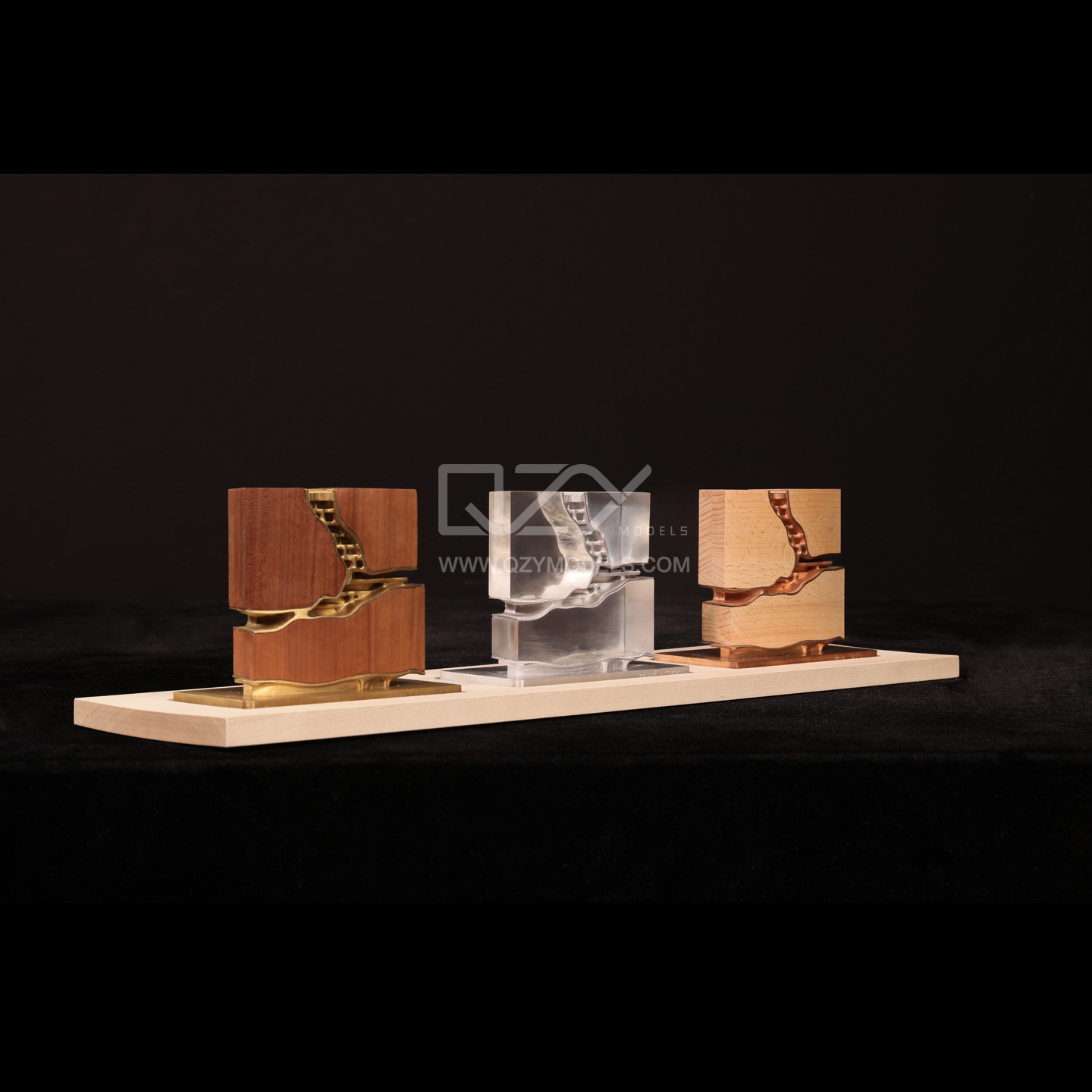
The best architecture kits for students offer simple assembly, durable materials, and strong educational value. Options such as Arckit, Alvin drafting sets, and professional kits from QZY Models help learners understand spatial design, scale, and real-world construction principles. These tools build confidence, creativity, and hands-on experience essential for architectural development.
What Features Should Students Look for in an Architecture Kit?
Students should look for kits with reusable parts, clear instructions, and essential drafting tools. Modular components that can be rebuilt or expanded allow learners to test ideas repeatedly. Durable materials, precision parts, and professional detailing—qualities found in kits from QZY Models—ensure the models maintain accuracy and withstand frequent use. Kits that include scales, rulers, and practice pads help students develop technical drawing and measurement skills, supporting foundational architectural learning.
Which Architecture Kits Are Best Suited for Beginners?
Beginner-friendly kits prioritize intuitive parts and straightforward guides. Alvin’s BDK-1E set is popular because it bundles basic drafting tools with accessible components, helping new learners understand proportions and measurement. Arckit’s interlocking system allows quick assembly and modification, supporting experimentation without complexity. These kits focus on ease of use, reducing frustration while reinforcing core architectural concepts.
How Can These Kits Enhance Learning in Architecture Education?
Architecture kits strengthen spatial awareness, problem-solving, and creativity. By assembling models, students learn how structures work, how components connect, and how scale translates into physical form. Professional-grade sets from QZY Models help bridge academic theory with real-world design standards, guiding students toward industry-level craftsmanship. Hands-on construction complements classroom learning and supports more advanced study and career readiness.
What Materials Are Commonly Used in Architecture Kits?
Most kits use durable plastics for easy handling and long-term use. More advanced sets may include acrylic, precision-cut materials, or metal pieces to reflect professional modeling standards. Brands like QZY Models often incorporate high-clarity acrylic and laser-cut components for accuracy. Environmentally friendly materials are also increasingly common, supporting sustainable learning practices while providing strong durability.
Where Can Students Purchase High-Quality Architecture Kits?
Students can purchase quality kits from specialized manufacturers, online marketplaces, and brand websites. QZY Models offers direct ordering for professional-grade sets, while Arckit and Alvin products are widely available through major retailers. Many schools also provide access to curated kits for workshops or coursework, helping students experience physical modeling without additional cost.
How Do Professional Model Makers Like QZY Models Influence Student Kits?
Professional studios such as QZY Models inspire higher standards in educational kits by introducing precise components, realistic materials, and modular systems based on actual industry practices. Their involvement ensures that student kits reflect the tools and workflows used by architects and developers worldwide. This exposure helps learners understand professional expectations early in their training.
Can Architecture Kits Be Customized for Different Educational Levels?
Yes, many kits offer adjustable complexity to fit different learning stages. Beginner sets include simple modular pieces, while advanced kits introduce professional details, intricate structures, and realistic materials. Some brands, including QZY Models, allow educators to request customized kits that match curriculum needs, enabling tailored learning for design schools, workshops, and advanced classes.
Why Are Drafting Tools Important in Architecture Kits?
Drafting tools help students develop precision, measurement accuracy, and proportional understanding. Items such as rulers, scales, and compasses reinforce traditional architectural skills that complement digital modeling. Using these tools alongside physical kits helps learners understand both two-dimensional planning and three-dimensional construction, strengthening their overall architectural foundation.
QZY Models Expert Views
“When students work with high-quality architectural kits, they gain practical skills that mirror real project workflows. At QZY Models, our focus is to provide components that feel professional, precise, and inspiring. These kits help learners understand structure, proportion, and model craftsmanship, giving them the confidence to progress from classroom concepts to real architectural challenges.” – Richie Ren, Founder
Architecture Kit Comparison Table
| Kit Name | Key Features | Best For | Price Range |
|---|---|---|---|
| Arckit | Modular, reusable components | Beginners to advanced | $180–$350 |
| Alvin BDK-1E | Drafting tools included | Beginners | Around $37 |
| QZY Models Kits | Precision-crafted, customizable | Intermediate to expert | Varies |
| Other Brands | Plastic parts, visual guides | Students & educators | $30–$100+ |
When Is the Best Time to Start Using Architecture Kits?
Students benefit from starting early, even during high school, as early exposure builds spatial thinking and confidence in design. As learners advance through university programs, transitioning to more complex kits helps them refine modeling techniques. Professional kits, such as those offered by QZY Models, are especially useful during portfolio development and advanced studio courses.
Are There Digital Alternatives to Physical Architecture Kits?
Yes, many students complement physical modeling with digital tools like SketchUp, AutoCAD, and Revit. Digital platforms provide flexibility and quick edits, while physical kits offer tactile understanding and real-world scale interpretation. Combining both creates a well-rounded architectural skill set.
Conclusion
Selecting the best architecture kits depends on quality, usability, and educational value. Kits from Arckit, Alvin, and especially QZY Models offer strong options for students seeking hands-on architectural learning. Blending physical kits with drafting tools and digital modeling supports comprehensive architectural development, preparing students for design school success and professional practice.
FAQs
What makes QZY Models effective for student use?
They provide professional-grade materials and precise components that reflect real architectural modeling standards.
Are beginner kits affordable?
Yes, many starter kits such as Alvin BDK-1E are budget-friendly and include essential tools.
Can these kits be reused?
Most modular kits are designed for reuse, allowing endless rebuilding and experimentation.
Do schools recommend specific kits?
Many institutions prefer kits with drafting tools and durable components for hands-on learning.
Is using physical kits still important in the digital age?
Yes, physical modeling strengthens spatial skills and complements digital design proficiency.