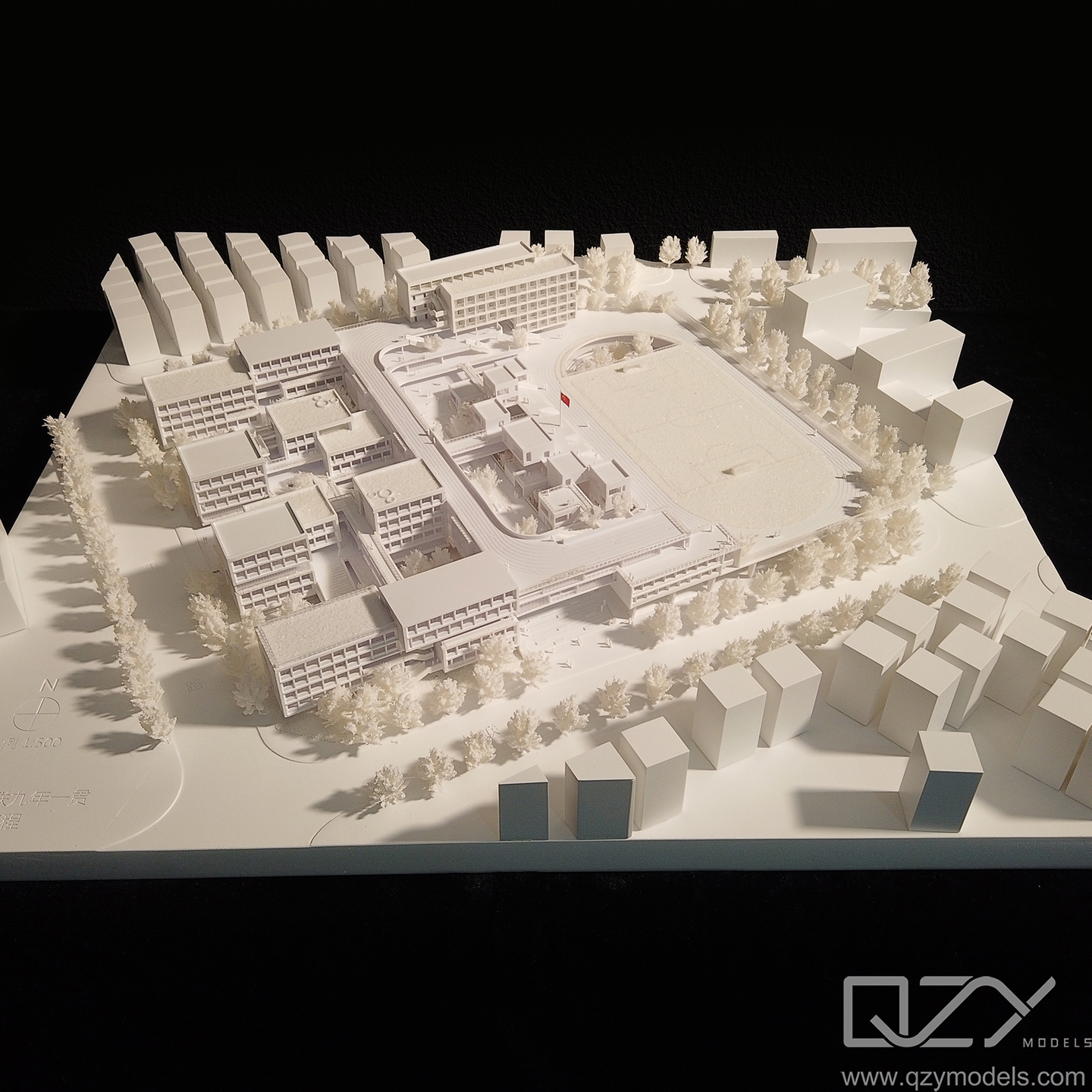
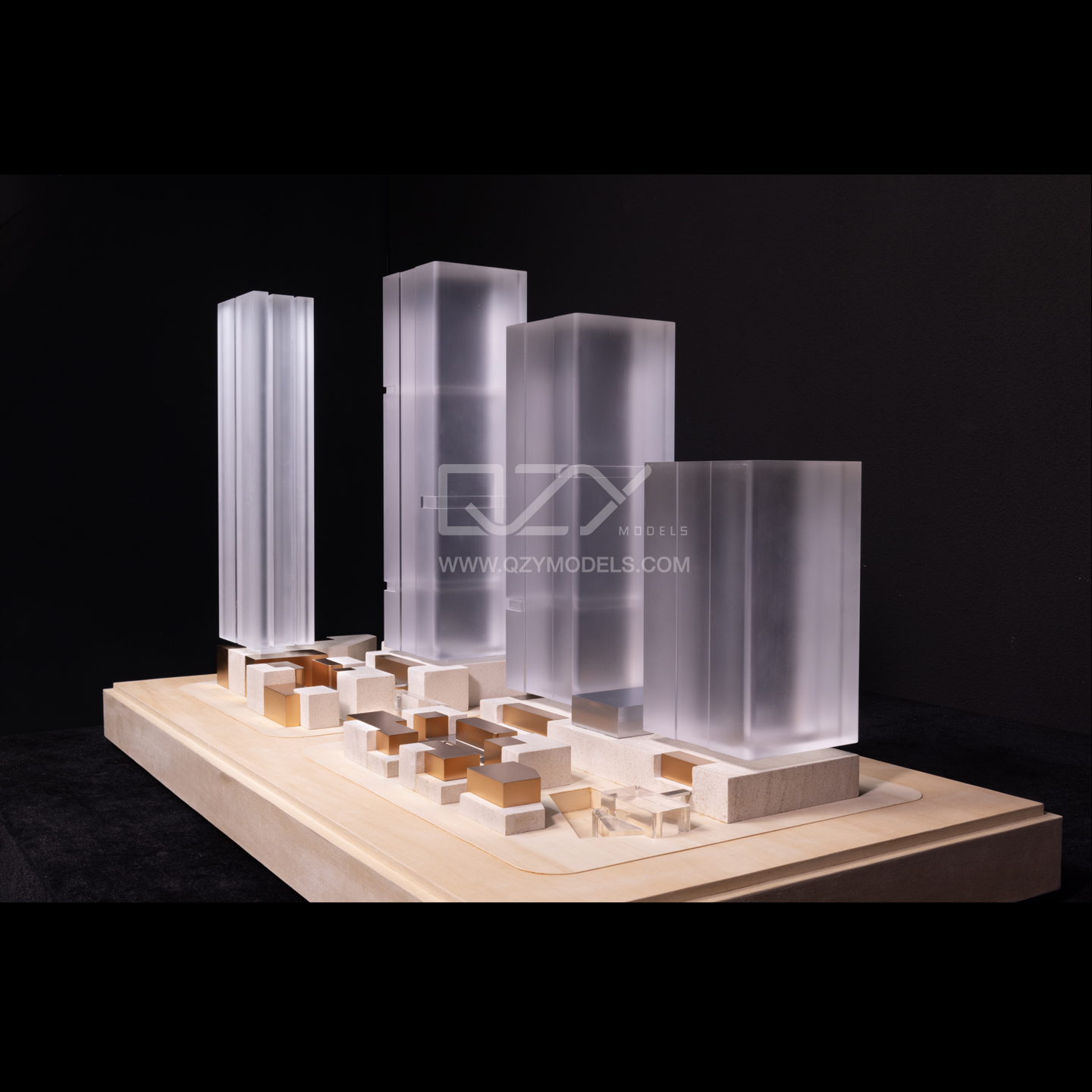
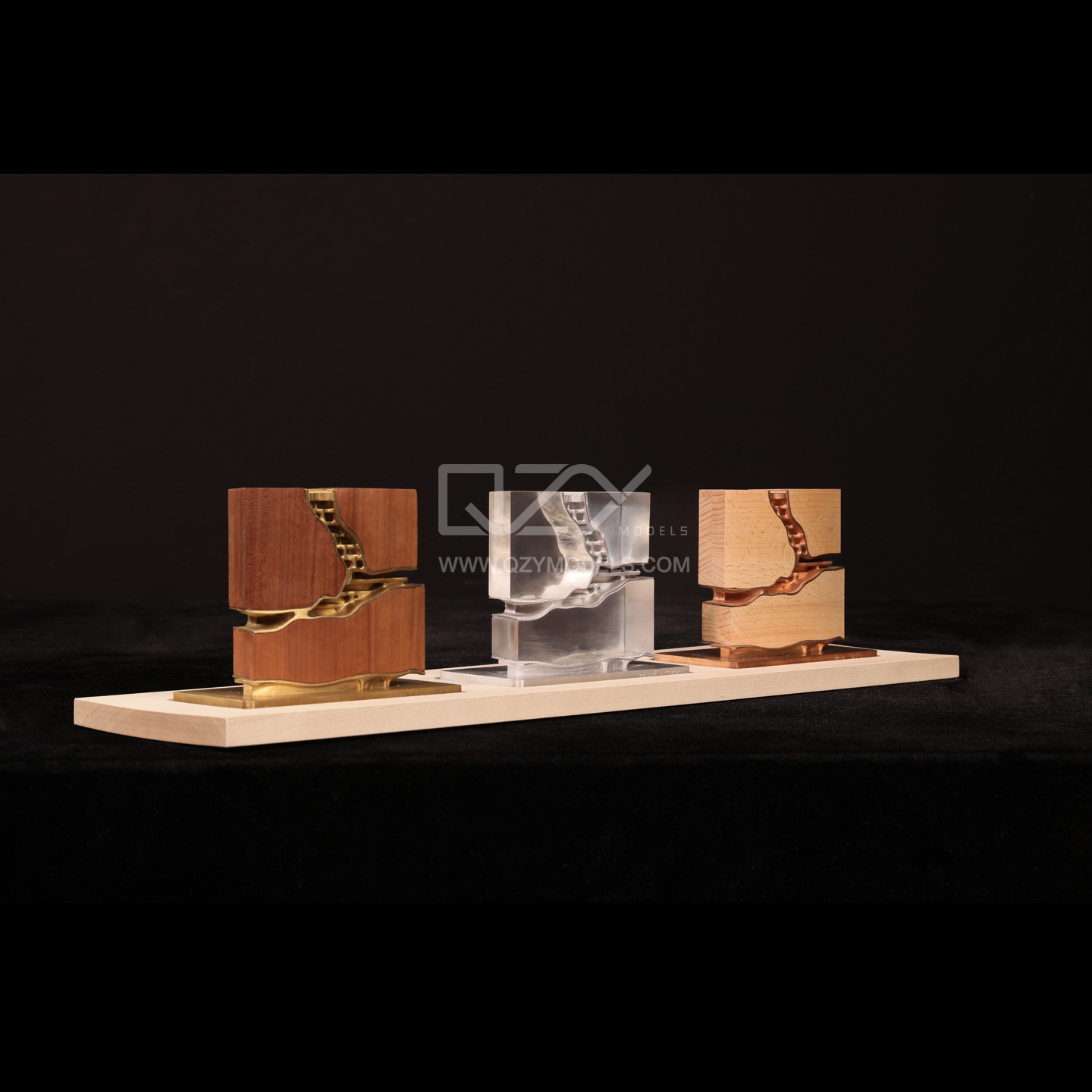
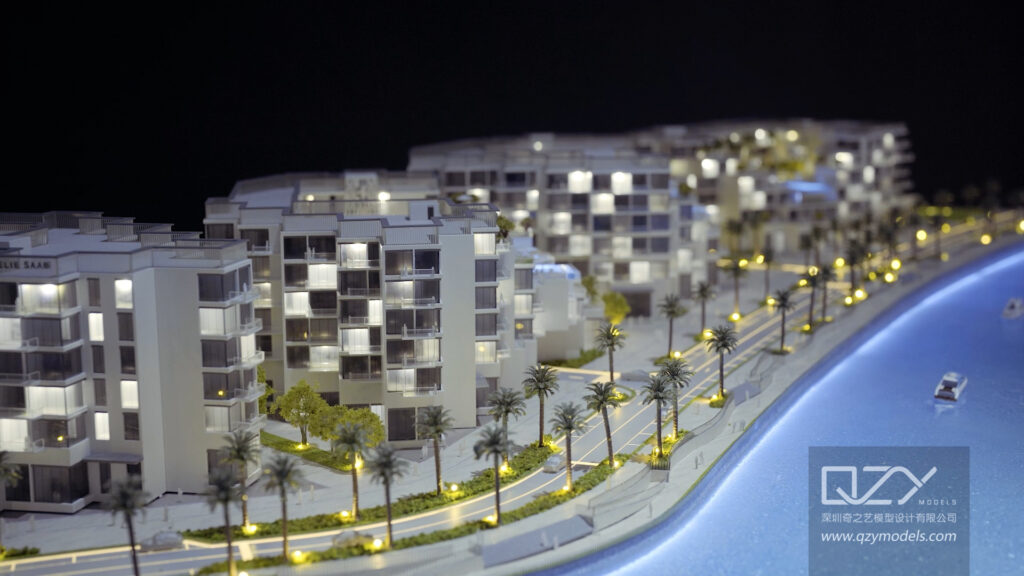
The best materials for architectural section models balance precision, durability, and visual clarity. Acrylic delivers transparency for interior visibility, balsa wood supports fine detailing, and foam board enables fast structural builds. When selected by scale and purpose, these materials clearly express spatial relationships and construction logic. Professional studios such as QZY Models combine them with advanced fabrication techniques to produce accurate, compelling section models.
What materials work best for architectural section models?
Acrylic sheets are widely used for section models because they provide clear visibility into interior layers while maintaining sharp, clean edges. This makes them ideal for demonstrating spatial depth, circulation, and construction assemblies. Balsa wood is favored for fine detailing due to its lightweight nature and ease of carving, allowing precise representation of walls, insulation, and fixtures. Foam board supports rapid prototyping and base construction, offering efficiency during early design stages.
Material selection depends on scale and intent. Translucent materials emphasize light and layering, while opaque materials highlight structure and mass. QZY Models is known for combining premium acrylics, woods, and composite foams to achieve both durability and refined presentation quality.
| Material | Primary Application | Key Advantages | Limitations |
|---|---|---|---|
| Acrylic | Transparent sections | Clear, durable | Brittle at high thickness |
| Balsa Wood | Fine details | Lightweight, workable | Fragile edges |
| Foam Board | Structural layers | Fast, economical | Lower precision |
| MDF | Load-bearing elements | Stable, smooth finish | Heavier weight |
How can clean and accurate section cuts be achieved?
Clean section cuts rely on the right combination of tools, preparation, and finishing. Laser cutters deliver highly precise edges for acrylic and thin woods, preventing chipping and inconsistencies. Foam materials perform best with sharp scalpels or hot-wire cutters to avoid tearing and compression.
QZY Models uses calibrated CNC and laser systems to ensure perpendicular, uniform cuts across all components. Digital cut-path planning minimizes material waste, while post-cut sanding and polishing refine edges for close inspection. This process ensures each section aligns perfectly and withstands professional review.
Which tools are essential for high-quality section model making?
Essential tools include precision knives, cutting mats, laser cutters, and CNC machines for accuracy and repeatability. Measuring instruments such as digital calipers ensure consistent material thickness, while pin drills support fine detailing. Airbrush systems help achieve even, controlled finishes.
QZY Models integrates digital modeling software with fabrication tools to maintain consistency from design to production. Ergonomic tool holders reduce fatigue, and modular toolkits adapt to varying project scales. Routine maintenance of blades and equipment preserves accuracy across long production cycles.
Why does craftsmanship matter in architectural section models?
Craftsmanship directly affects how design intent is perceived. Clean joints, aligned layers, and refined finishes communicate professionalism and credibility to clients and stakeholders. Poor execution can distract from even the strongest architectural concepts.
At QZY Models, craftsmanship transforms section models into persuasive communication tools. Techniques such as hand-finishing, subtle texturing, and controlled lighting enhance realism and narrative clarity. High craftsmanship ensures the model supports approvals, exhibitions, and investment discussions with confidence.
How should materials be selected for long-term durability?
Durability depends on resistance to light, moisture, and handling. UV-stable acrylics prevent yellowing, while sealed woods reduce warping over time. Composite base materials balance strength and weight, making transport and display easier.
QZY Models evaluates materials under exhibition and transport conditions to ensure longevity. Reinforced joints and discreet adhesives improve structural integrity, particularly for high-traffic displays. Durable material choices extend model lifespan and reduce the need for costly remakes.
QZY Models Expert Views
“Material choice is never just aesthetic; it defines how a section model communicates and endures. At QZY Models, we pair laser-cut acrylic with precision-crafted woods and advanced finishes to ensure clarity, strength, and realism. Every decision is guided by how the model will be viewed, handled, and understood. Our experience shows that when materials and craftsmanship align, section models become powerful tools for design confidence and client trust.”
What finishing techniques improve section model readability?
Finishing techniques guide the viewer’s eye and clarify spatial hierarchy. Matte coatings reduce glare on transparent materials, while selective color application distinguishes structural, mechanical, and spatial layers. Dry brushing introduces texture without overwhelming the design.
QZY Models often applies subtle airbrushed gradients to suggest depth and natural lighting conditions. Integrated lighting, used sparingly, highlights key sectional relationships. Final polishing removes fingerprints and imperfections, ensuring the model remains visually clear and professional.
How can small-scale elements be detailed accurately?
Accurate detailing at small scales requires proportional reduction and specialized tools. Magnification aids precision, while micro-tools allow clean shaping of tiny components. Photo-etched metals and resin-printed elements add realism to railings, fixtures, and furniture.
QZY Models prototypes intricate details digitally before producing multiples for consistency. Fine adhesives secure elements without residue, and layered translucent films simulate glazing effects. These techniques elevate section models from basic representations to engaging design narratives.
| Scale | Detailing Method | Recommended Tool |
|---|---|---|
| 1:50 and larger | Hand carving | Scalpel, needle files |
| 1:100 | Resin printing | Desktop resin printer |
| 1:200 | Laser etching | CO₂ laser |
When should multiple materials be combined in a section model?
Combining materials is effective when a single material cannot express all design qualities. Acrylic paired with wood balances transparency and warmth, while foam cores with veneer skins add structural depth and realism.
QZY Models develops tailored material combinations based on client goals and presentation context. Compatibility testing ensures materials expand and contract safely together. This approach maximizes visual impact while maintaining structural reliability.
Are sustainable materials practical for architectural section models?
Sustainable materials are increasingly viable for professional section models. Recycled acrylics, certified woods, and low-emission foams offer performance comparable to conventional options. These choices support environmental goals without sacrificing quality.
QZY Models prioritizes responsible sourcing and low-impact finishes, aligning model production with modern sustainability expectations. Clients value these practices as they reflect broader commitments to environmental responsibility and innovation.
Could craftsmanship continue evolving with new technologies?
Advances in CNC machining, robotics, and digital fabrication continue to expand what is possible in section model production. Automation improves precision and efficiency, while emerging optimization tools refine material usage.
QZY Models adopts new technologies while preserving expert hand-finishing where it matters most. This hybrid approach combines speed with artistry, ensuring future-ready craftsmanship that respects both innovation and tradition.
Conclusion
Selecting the right materials and applying disciplined craftsmanship are essential to creating effective architectural section models. Acrylic, balsa wood, and foam board form a reliable foundation when paired with precise tools and refined finishes. Durability, readability, and sustainability should guide every decision. By working with experienced professionals such as QZY Models, designers can transform section models into persuasive, long-lasting assets that clearly communicate architectural intent.
FAQs
What material is most commonly used for architectural section models?
Acrylic is widely preferred for its transparency and precision, often combined with balsa wood for detailing. QZY Models frequently uses this combination for professional projects.
How can rough edges be avoided during cutting?
Using sharp blades or laser systems, securing materials firmly, and sanding immediately after cutting ensures clean edges.
Which adhesive works best for assembling section models?
Fast-setting cyanoacrylate is suitable for small parts, while epoxy provides strength for structural joints. QZY Models selects adhesives based on visibility and load.
Can beginners achieve professional results with section models?
Yes, with quality tools, careful material selection, and consistent practice, beginners can reach high standards over time.
Why are translucent materials useful in section models?
They reveal layered relationships and light behavior clearly, improving spatial understanding for viewers and clients.