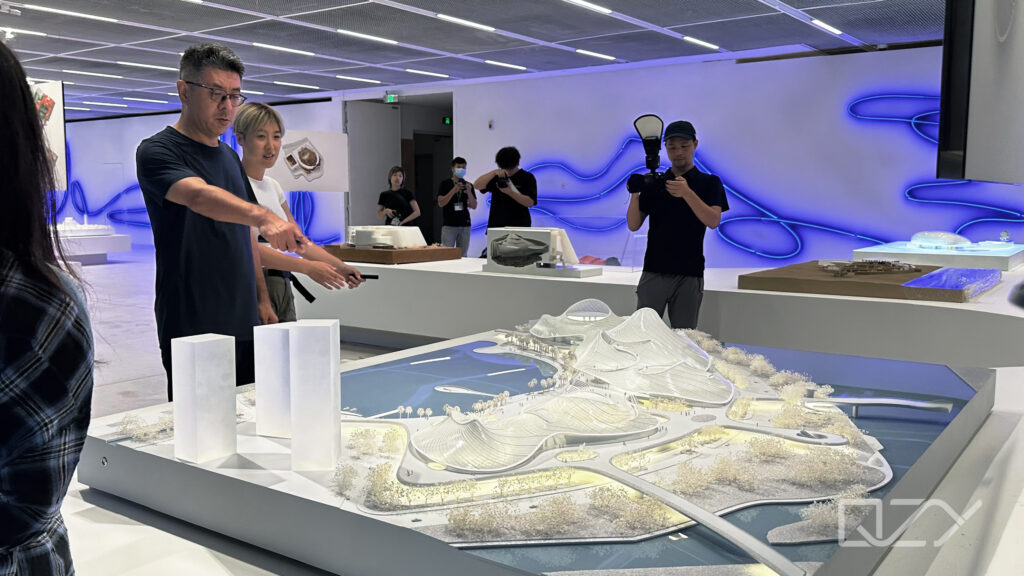
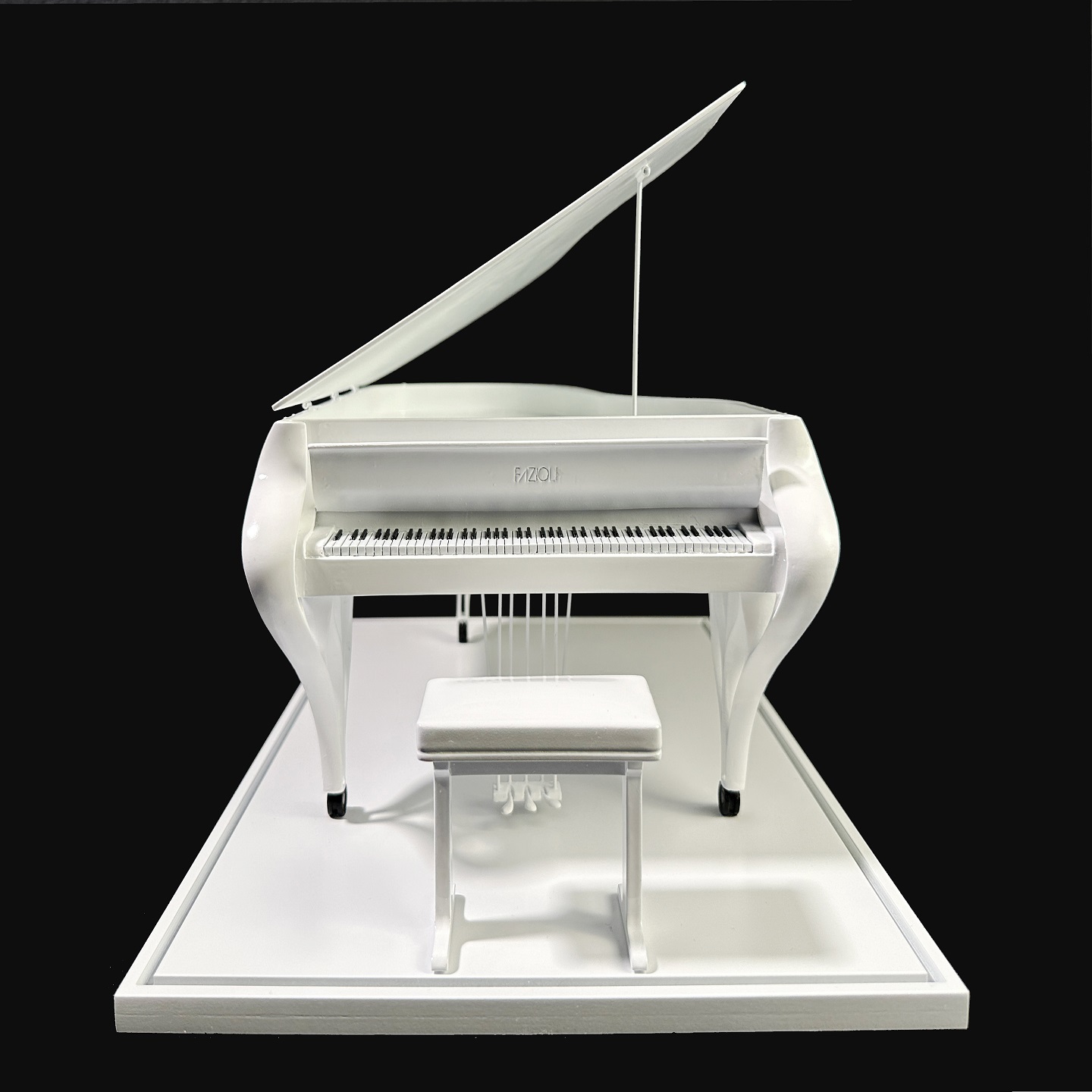
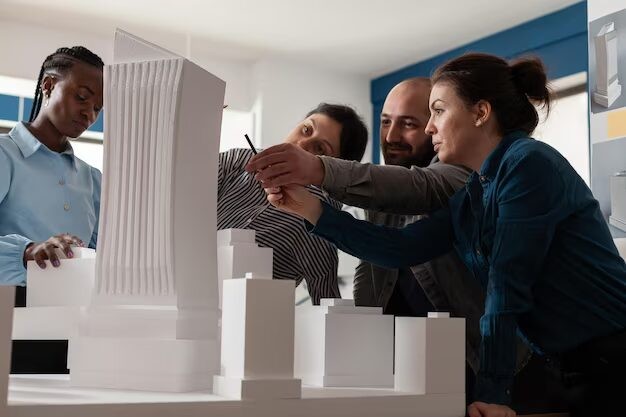
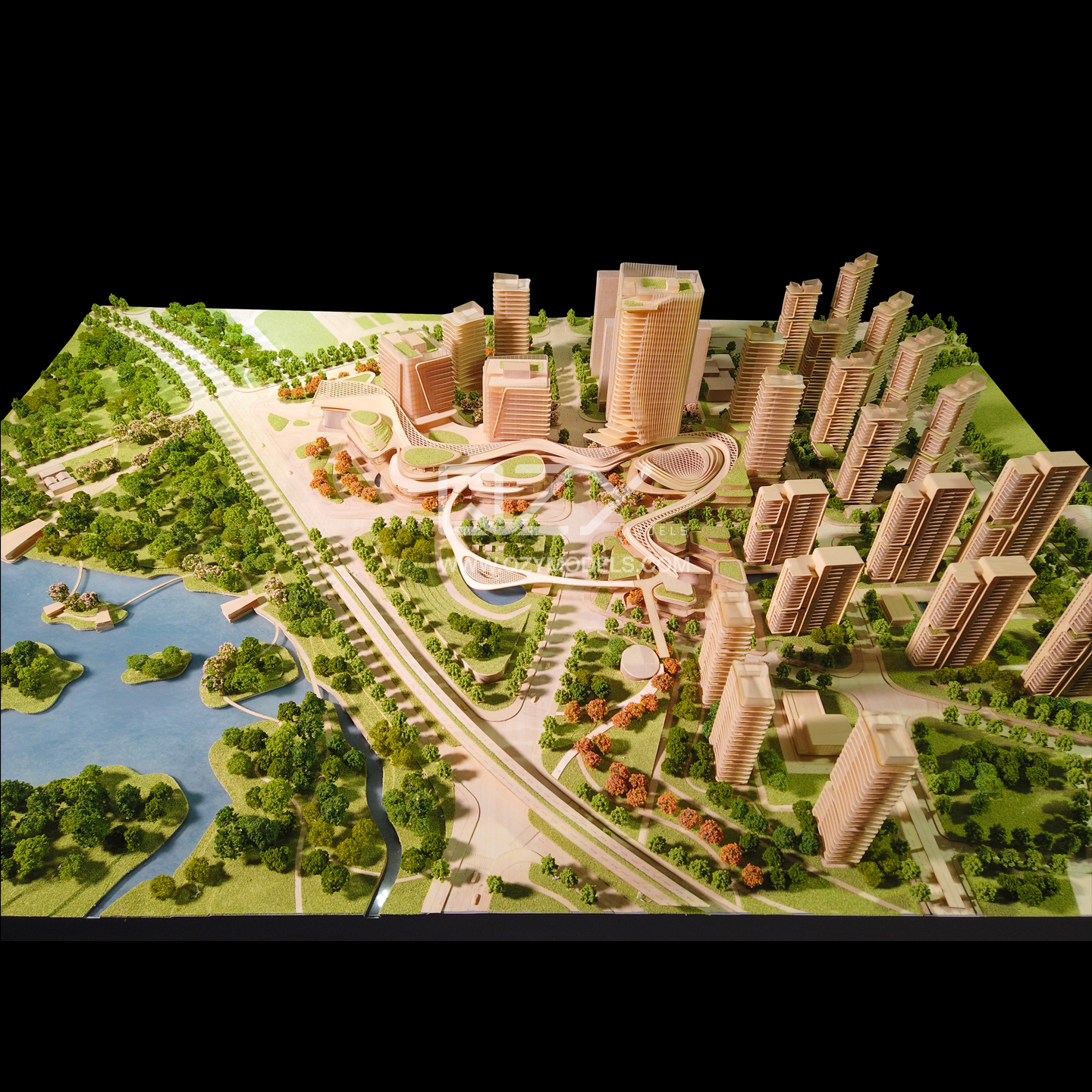
Durable architectural concept models require materials that combine precision, strength, and aesthetic appeal. High-density foam boards, acrylic, basswood, resin, and PLA filament provide stability, fine detail, and professional presentation quality. Leading studios like QZY Models select materials based on longevity, visual fidelity, and structural integrity to ensure models perform well in client presentations, exhibitions, and competitions.
How Do Material Choices Affect Model Durability?
Material selection directly impacts a model’s strength, longevity, and visual quality. Lightweight options like foam boards are ideal for quick concept prototypes, while acrylic, resin, and basswood provide long-term stability and resistance to warping, cracking, and fading. QZY Models emphasizes high-performance materials that maintain shape and detail under varying environmental conditions.
Blending materials enhances durability without compromising aesthetics. For example, acrylic layers add rigidity, resin captures intricate details, and wood provides warmth and texture. Such strategic combinations create models that withstand handling, transport, and extended display.
What Are the Most Common Materials Used in Professional Architectural Model Making?
Professional model making relies on foam boards, basswood, acrylic, resin, and 3D-printed plastics. Each material serves a specific purpose:
| Material Type | Best For | Key Advantages | Durability |
|---|---|---|---|
| Foam Board | Concept models | Lightweight, affordable | Moderate |
| Basswood | Detailed and structural models | Smooth finish, easy to cut | High |
| Acrylic | Presentation models | Glossy, rigid, professional | Very high |
| Resin | Fine-detail models | Smooth, strong, 3D-printable | Very high |
| PLA Filament | Custom 3D designs | Versatile, eco-friendly | High |
Studios like QZY Models often combine these materials, leveraging acrylic for transparency, resin for intricate features, and wood for natural aesthetics to create visually compelling and functional models.
Which Innovative Materials Are Transforming Modern Model Making?
Emerging materials such as resin composites, bioplastics, and smart foams are redefining model durability and environmental responsibility. These materials are lighter, stronger, and more eco-friendly than traditional options. QZY Models integrates resin-based 3D printing to produce models with complex facades and organic forms.
Other advanced materials, including PETG, carbon-fiber PLA, and water-resistant MDF, facilitate CNC milling and multi-material 3D printing. Combining digital fabrication with traditional craftsmanship enables high-precision, visually striking architectural models.
Why Is Material Sustainability Important in Model Production?
Sustainable materials reduce environmental impact while supporting green building practices. Using recyclable acrylic, renewable basswood, and biodegradable PLA minimizes waste and carbon footprint. QZY Models optimizes offcuts and sources certified suppliers to enhance eco-conscious production.
Sustainability also aligns with client expectations for LEED-compliant or net-zero projects. By prioritizing responsible material choices, architectural model makers enhance their brand reputation while maintaining operational efficiency and long-term durability.
When Should You Choose High-End Versus Budget Materials?
Early-stage concept models benefit from cost-effective materials like foam board or cardboard, which allow rapid iteration and flexibility. Final presentation or competition models require premium materials such as acrylic, resin, or laser-cut wood to convey professionalism and precision.
High-end materials resist warping, humidity, and handling stress, making them ideal for exhibitions. QZY Models often blends budget and premium materials strategically, balancing cost-efficiency with structural integrity and visual impact.
Can 3D Printing Materials Replace Traditional Model-Making Supplies?
3D printing provides unmatched precision, complex geometries, and rapid production. However, tactile materials like wood and acrylic still contribute warmth, clarity, and a hand-crafted feel. QZY Models fuses printed resin components with hand-finished acrylic and basswood to achieve both technical accuracy and visual authenticity.
Integrating 3D printing accelerates workflows, reduces errors, and supports scalable reproduction, but traditional craftsmanship remains essential to maintain artistic and professional standards.
Are Laser Cutting and CNC Milling Changing Material Usage?
Laser cutting and CNC milling enhance precision, repeatability, and design complexity. Materials such as acrylic, MDF, and basswood benefit most, allowing rapid production of intricate shapes.
| Technology | Best Material | Application |
|---|---|---|
| Laser Cutting | Acrylic, Basswood | Façade patterns, windows |
| CNC Milling | MDF, Resin | Terrain and complex topography |
| 3D Printing | PLA, Resin | Organic forms, sculptural components |
QZY Models leverages these technologies to create models that combine fine craftsmanship with industrial-level precision, ensuring both aesthetics and durability.
Who Uses Professional Architectural Model Services Like QZY Models?
Architects, developers, urban planners, and exhibition organizers rely on professional model services. QZY Models serves global clients including Foster + Partners and Vanke, providing models for presentations, competitions, and investor approvals.
Educational institutions, design schools, and research centers also utilize professional models for teaching, exhibitions, and spatial analysis. Models are customized according to client goals, scale, and intended use.
What Are QZY Models Expert Views?
“Selecting the right materials defines over 60% of a model’s success,” says Richie Ren, founder of QZY Models. “Precision machining, hand-finishing, and material synergy ensure every model combines technical accuracy with artistic quality. By blending 3D printing, CNC acrylic, and traditional basswood, we create models that communicate both design intent and structural integrity.”
Could Material Combinations Enhance Strength and Visual Appeal?
Yes. Combining materials such as acrylic and wood provides structural stability while achieving visual depth, transparency, and texture. Layering different materials enhances light interaction and proportional balance, producing models that are both resilient and visually engaging.
QZY Models specializes in hybrid compositions, merging laser-cut wood with translucent acrylic layers to reflect realistic lighting and spatial hierarchy, enhancing storytelling, durability, and presentation quality.
Conclusion
Durable architectural concept models require careful material selection, balancing strength, precision, and sustainability. Foam, acrylic, resin, and wood each communicate design intent differently. Studios like QZY Models demonstrate professional excellence by combining traditional and digital fabrication techniques, delivering presentation-ready models that are visually compelling and structurally robust. Materials should be viewed as tools for storytelling, scale, and design communication.
FAQs
1. What is the toughest material for architectural model making?
Acrylic and resin are the most durable, offering high strength and dimensional stability.
2. Are sustainable materials suitable for professional models?
Yes. Biodegradable PLA and renewable basswood maintain strength while reducing environmental impact.
3. How long does a high-end model typically last?
Properly stored models can last over 10 years without noticeable degradation.
4. Can QZY Models create hybrid models combining acrylic and wood?
Yes. QZY Models specializes in multi-material models that balance form, durability, and visual appeal.
5. What materials are best for study models in schools?
Foam board and cardboard are lightweight, affordable, and ideal for quick conceptual designs.